Groups and Notebooks: Using Gale Digital Scholar Lab’s latest features in the DH classroom

Notes from our DH Correspondent

│By Sarah Ketchley, Senior Digital Humanities Specialist│

The field of digital scholarship tends to be collaborative, since any given project may involve disciplinary experts, developers, librarians, archivists, and students. Management of workflow and data can be challenging unless there is careful planning from the outset about record-keeping, group working practices, the sharing of information and goals for project sustainability and longer-term archiving. These practical considerations are the same for research projects and for those built in the classroom.

The ability to create Groups was recently added as a feature to the Gale Digital Scholar Lab platform, along with a flexible ‘Notebook’ tool for documenting decisions and outcomes. This blog post will consider how Group spaces can be used to facilitate classroom project-building by students in an undergraduate classroom, using a recent course I taught in the Information School at the University of Washington as a case study. The practicalities of using the Groups/Notebook features were discussed in my previous blog post, including details about how a teacher might go about adding students to new groups within the Lab, then managing classroom workflow via record-keeping in the team’s Notebook.

Read more

Decolonising the Literary Curriculum: A Close Examination of Derek Walcott’s Omeros

Skyline of Cape Town, South Africa

|By James Carney, Senior Gale Ambassador at King’s College London|

Decolonisation refers to the process of attempting to undo the social, political, economic and cultural effects of imperialism on former colonies. Having just completed my undergraduate degree in English and Classical Literature at King’s College London, I have come to appreciate language and the written arts as potent mediums to contemplate, respond to and even resist the weight of colonial history.

My dissertation on Derek Walcott’s 1990 postmodern epic Omeros most thoroughly illustrated to me the nuances and creative potential of colonial victims to negotiate their present and historical standing in response to imperial agents. My exploration of this theme in Walcott’s work was particularly interesting as he ostensibly views colonisation as continuous, from nineteenth-century British and French empires to modern American capitalism, as the same force underlies both processes for the benefit of the typically white aristocracy, eclipsing native identity and homogenising Caribbean culture to artificiality.

Read more

Taking Your Master’s Dissertation to the Next Level: Using Gale Digital Scholar Lab for Research

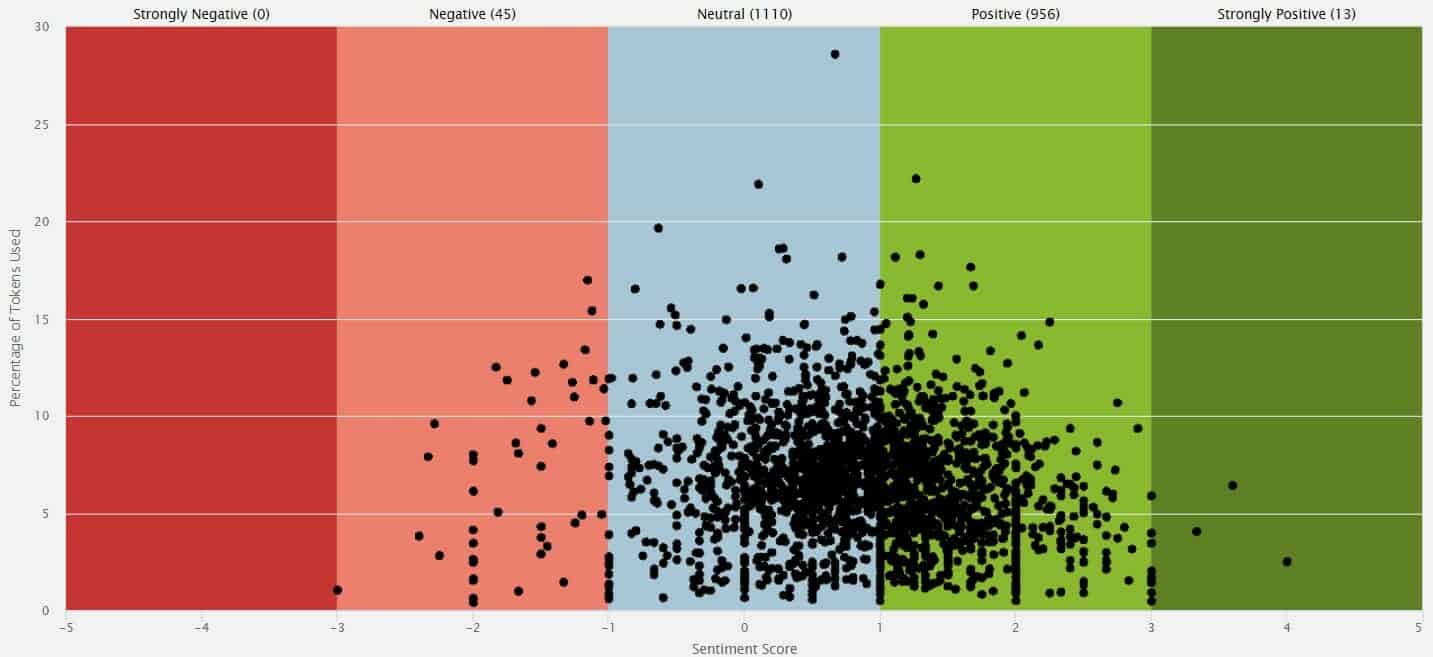
Gale Egyptology sentiment analysis

│By Tamar Atkinson, Gale Ambassador at the University of Liverpool│

Primary sources can be a great resource for Master’s dissertation research, providing a deeper understanding of history. Whilst they make handy supportive evidence to back up the points you want to make in an assessment, is there a way to take them further? Within Gale Digital Scholar Lab, you can find a whole range of data-mining visualisation tools and other resources that can allow you to bring elements of Digital Humanities methodologies into your research, through an easy, step-by-step process. This can add great insights to any work!

Read more

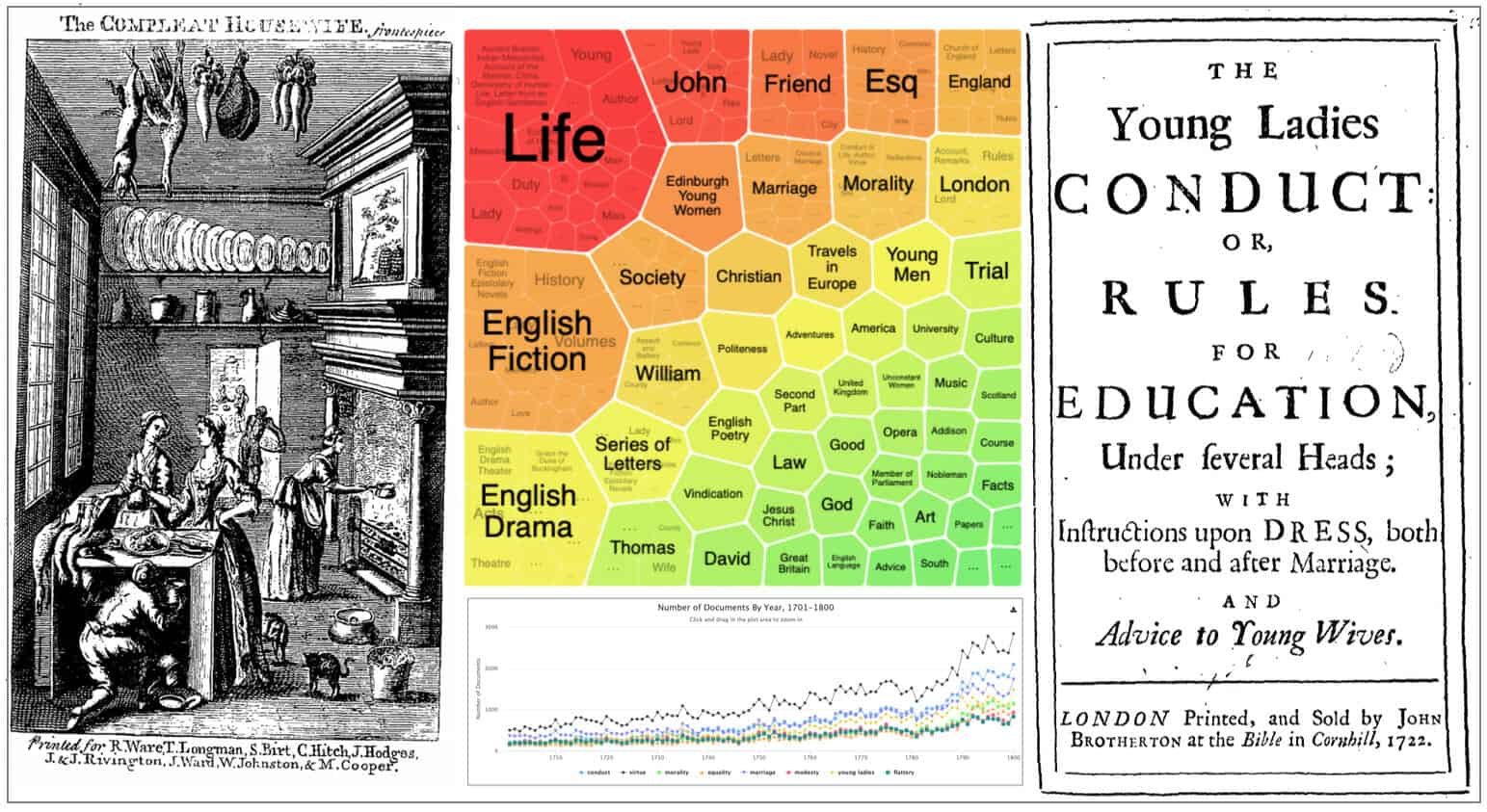
An Undergraduate’s Companion: Finding Primary Sources Using Gale’s Alternative Search Tools

Guide to ECCO with GPS

│By Georgia Winrow, Gale Ambassador at Lancaster University│

Knowing where to get started with a new undergraduate research project, coursework essay or dissertation can be a daunting task. Whether you are provided with a focus to guide your work or not, getting to grips with collecting your primary source material, reading, analysing, and working out where they fit within your work can seem overwhelming! Luckily, with the Gale Primary Sources digital archives you have a range of search tools at your disposal intended to make the process that bit easier. Through an example research project using Eighteenth Century Collections Online (ECCO), this blog post will outline alternative search tools and resources available in Gale’s digital archives, and how they can be used most effectively when carrying out your own undergraduate research.

Read more

Researching the History of Emotions with Gale Primary Sources

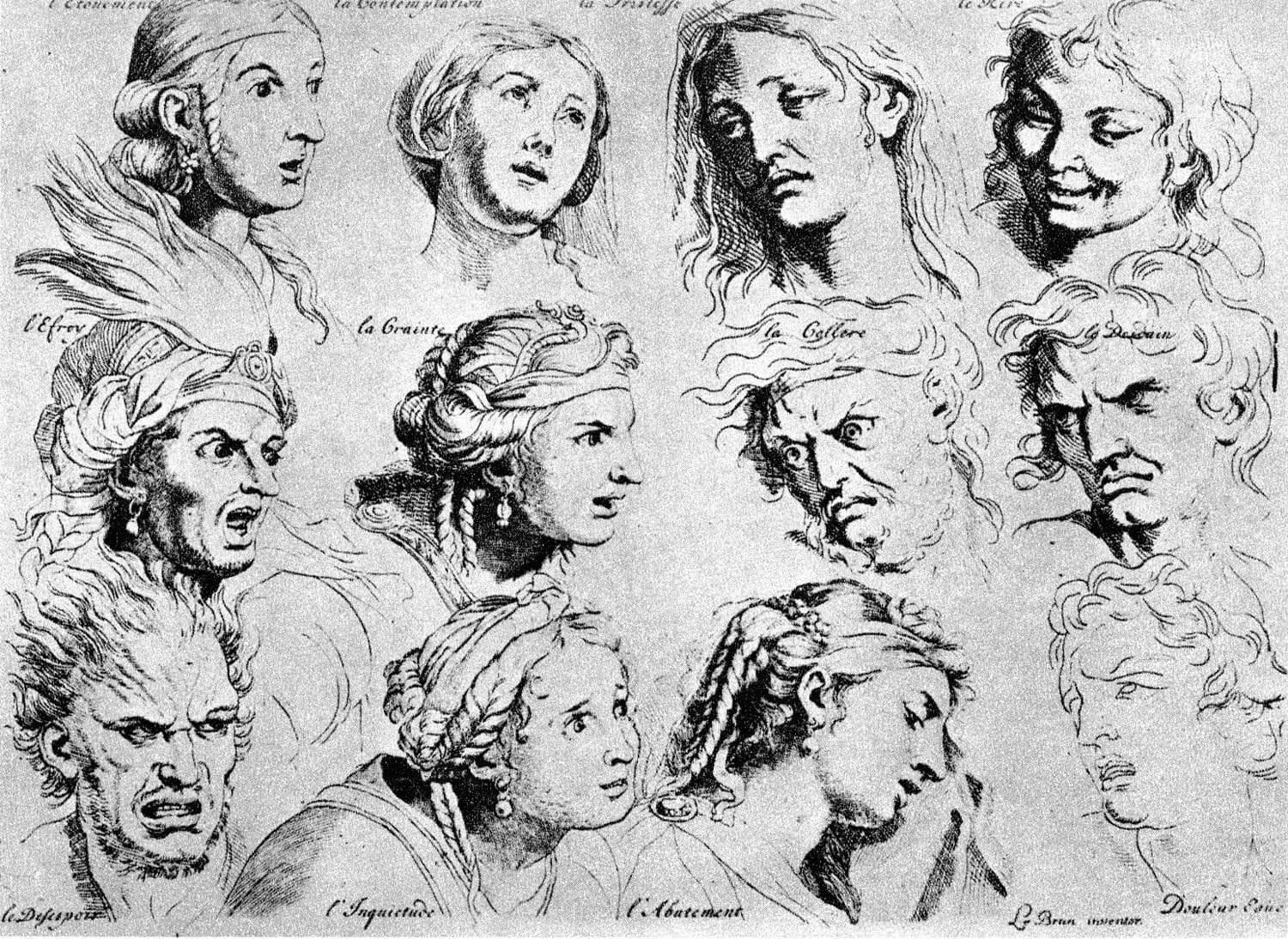
Charles le Brun, The Expressions Trait é des Passions, 1732

|By Rose O’Connor, Gale Ambassador at Maynooth University|

It might take readers by surprise that the History of Emotions is now described as a cutting-edge field of history. When I first discovered it, I asked the same question you may be asking now; do emotions have a history? Yet this research area has been garnering momentum in the last two decades, with scholars from all aspects of academia – from cognitive psychologists to anthropologists – contributing. And no one yet knows how the History of Emotions will develop. Consequently, there is so much room for investigation and innovation. Let’s look at some of the tools we can use in Gale Primary Sources to help us investigate this exciting aspect of history and how it can bolster your own research.

Read more

Knowing Your Learning Style Can Supercharge Your Studies

Writing on glass drawing board

│By Grace Pashley, Gale Ambassador at the University of Birmingham│

Learning styles are something every teacher introduced to us at one point or another – a buzz word in revision sessions, and an excuse to take a quiz during lesson time! But what are learning styles and how can we benefit from knowing our own? There are three different types of learning styles: visual, auditory and kinaesthetic (or tactile, movement-orientated) learning. Knowing which group you fit within, and tailoring your studies to best cater for your strengths and weaknesses, can massively impact your overall educational experience.

Read more

How Ancient Egypt Was Presented in Nineteenth-Century Newspapers

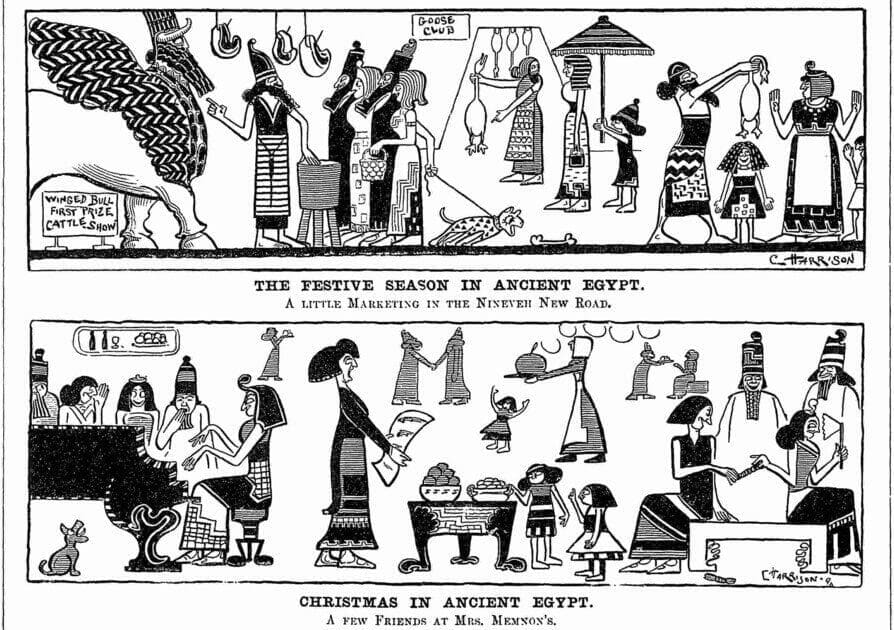
Harrison, C. "The Festive Season in Ancient Egypt. A Little Marketing in the Nineveh New Road." Punch, 1 Jan. 1897. Punch Historical Archive, 1841-1992

│By Tamar Atkinson, Gale Ambassador at the University of Liverpool│

The nineteenth century is generally considered to be the period when Egyptology started to develop as an academic discipline, with key moments occurring during this century, such as Jean-François Champollion deciphering hieroglyphs in 1822 (200 years ago this year!). In correlation, we see a great increase in the popularity and depiction of Ancient Egypt in society as a whole, and what has come to be described as Egyptomania (a great enthusiasm for Egypt within popular cultural consciousness). Consequently, it is no surprise that we see this fascination with Ancient Egypt reflected in primary source documents from the time, as is evident in the visualisation below which charts the frequency of use of the term ‘Ancient Egypt’ in documents from Gale’s Nineteenth Century Collection Online.

Read more

Early Modern Medicine: Women’s Sexual and Reproductive Health

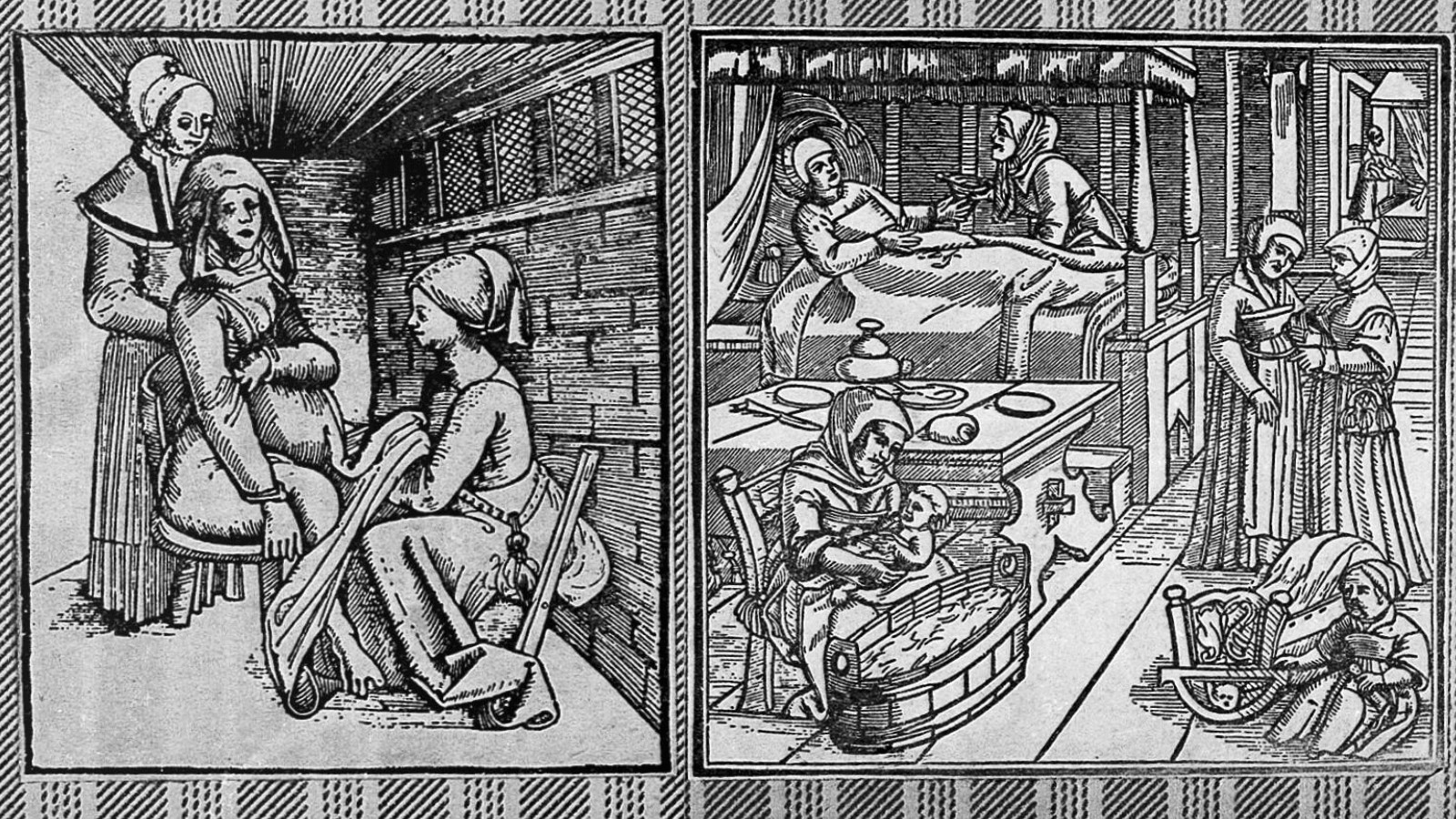
Obstetrics: midwife assisting in a birth, Original woodcut image from E. Roeslin, Rosengarten, 1513,Wellcome Collection

│By Georgia Winrow, Gale Ambassador at Lancaster University│

Whilst we may think of how diseases such as the bubonic plague, typhoid or tuberculosis were discussed when studying medicine in early modern Europe, we often do not consider how significantly understandings of sexual and reproductive health developed during this period. The specialism of women’s health in particular was firmly established in these years, with the publication of manuals and treaties to direct physicians and midwives in their practice. Indeed, whilst the early modern period saw practitioners drawing upon the work of ancient authorities, it was also a period of innovation, particularly within science and medicine.

Gale’s Sex and Sexuality, Sixteenth to Twentieth Century collection is truly interdisciplinary and includes materials that would support academic fields as varied as Sociology, Law and Theology. For scholars investigating the History of Medicine, the most significant materials within this collection which can be used to explore the emergence of a comprehensive, gendered understanding of early modern medicine are arguably the medical enquiries, manuals and pamphlets.

Read more

King Tut and Digital Humanities: A Pedagogical Case Study

Notes from our DH correspondent

│By Dr. Sarah L. Ketchley, Senior Digital Humanities Specialist│

The Department of Middle Eastern Languages and Cultures (MELC) at the University of Washington has a history of supporting work in Digital Humanities (DH) dating back to the 1980s. More recently, the department has offered regular introductory classes in DH, which I have taught since 2015. These are usually topical in nature, i.e., the data we work with in class is related to a particular Middle Eastern theme, often related to travel or archaeology in Egypt, which is my area of research interest. This Spring Quarter 2022, my undergraduates and graduates participated in a class called ‘Digital Media – King Tut and Digital Humanities’ to learn about the theory and processes of building DH projects based on data related to the discovery of Tutankhamun’s tomb in 1922, one hundred years ago.

Read more