The Blue-Eyed Shogun: Douglas MacArthur and the Making of Postwar Japan

│By Masaki Morisawa, Product Solutions Consultant│

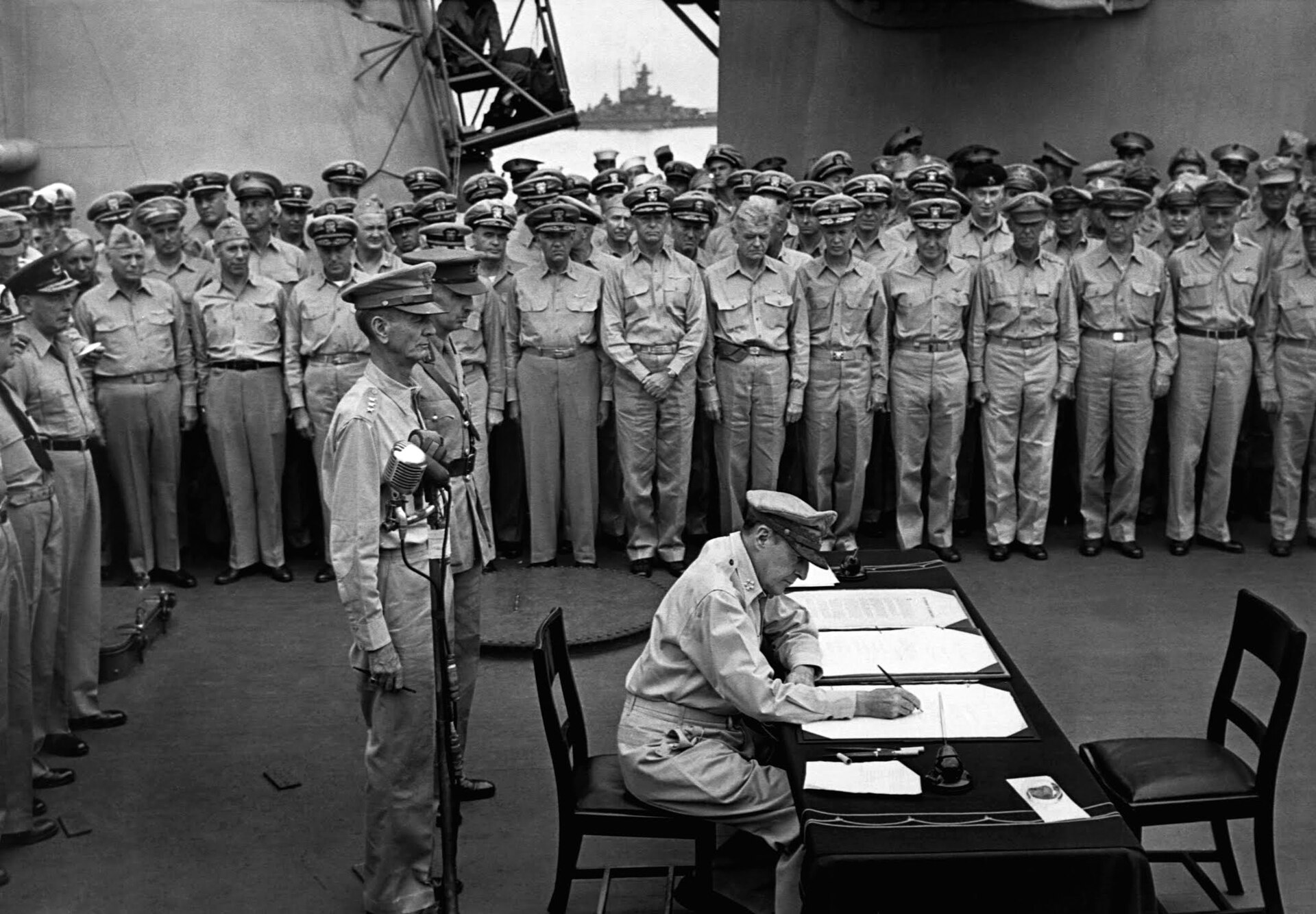
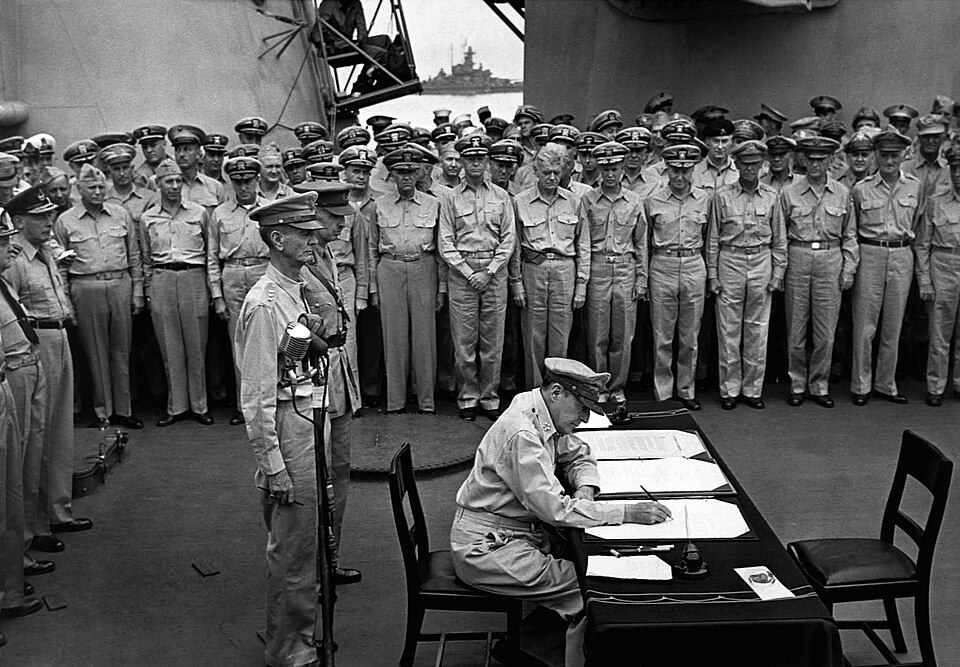
There are two American names that every Japanese schoolchild learns in history class because of the enormous impact they had on our country. One is Commodore Matthew C. Perry (1794–1858), whose visits in 1853 and 1854 helped end more than two centuries of Tokugawa diplomatic seclusion. The other is General Douglas MacArthur (1880–1964), who, as Supreme Commander for the Allied Powers (SCAP) from 1945 to 1951, oversaw the complete transformation of post-World War II Japan.

Both men embodied American power at critical turning points, but MacArthur’s influence was arguably greater. Perry jolted Japan out of seclusion and set major changes in motion, but he did not rewrite Japan’s laws, restructure its society, or govern its people. MacArthur oversaw sweeping changes in all three areas, leaving a legacy that is still debated today.

In this blog post, I’m going to explore the impact of General Douglas MacArthur using Gale’s exciting new archive collection Asia in the Twentieth Century: General MacArthur, and War, Occupation, and Reconstruction in the Pacific, 1941–1972.

Read more

Interpreting the Bomb: Nuclear Weapons and Global Security in Declassified British Intelligence

│By Eleanor Turner, Gale Ambassador at the University of Leeds│

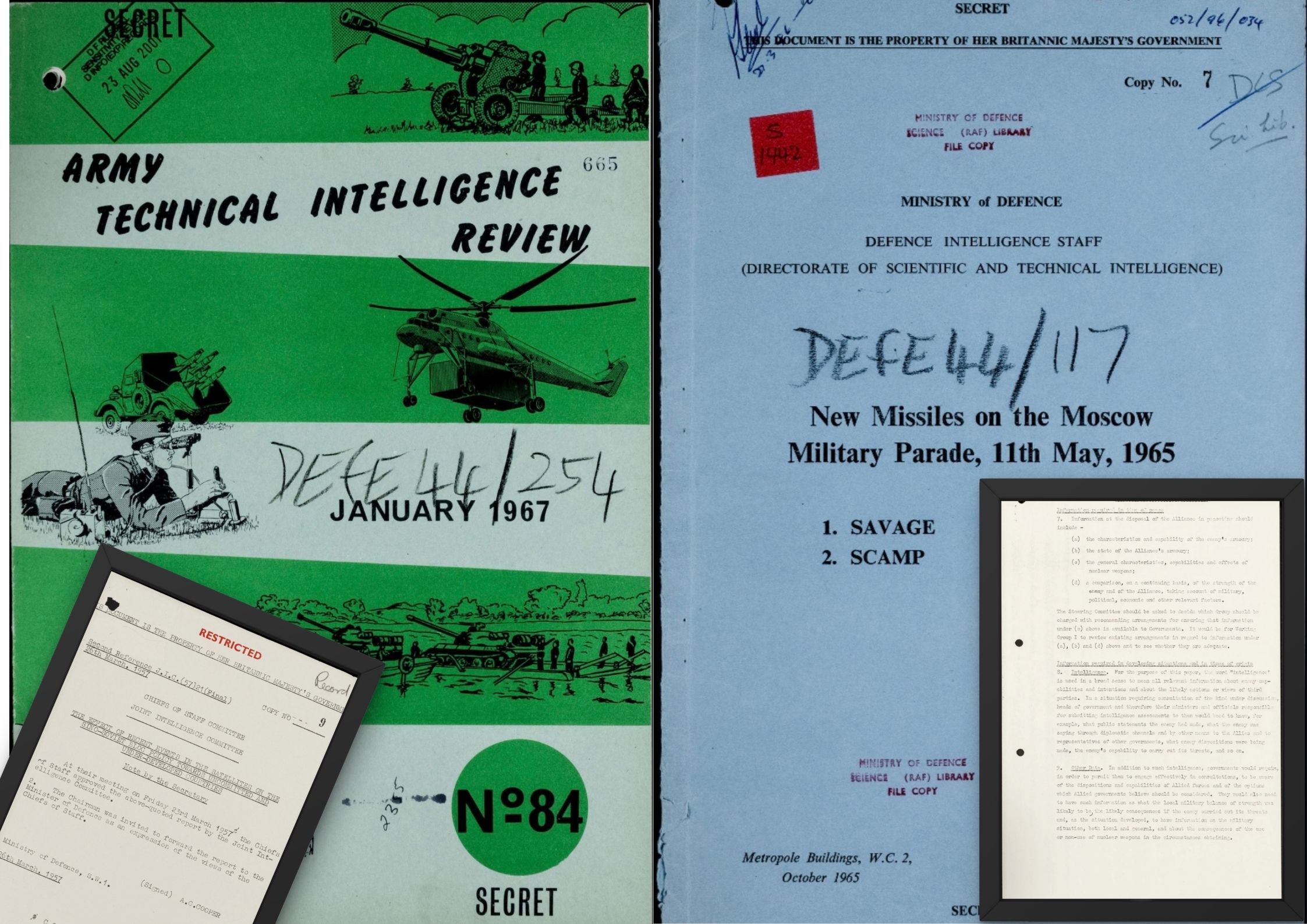
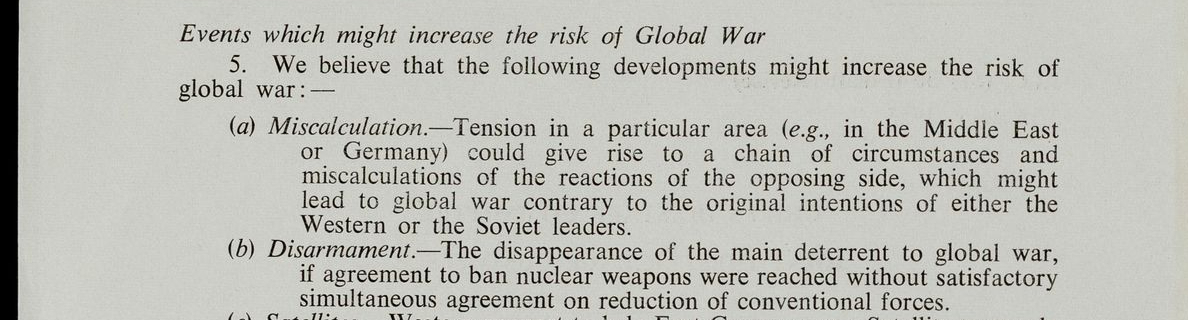
Declassified Documents Online: Twentieth-Century British Intelligence offers unique insight into how governments understand and respond to global security threats. The emergence of nuclear weapons in 1945 fundamentally altered the structure of international politics, leading governments to rethink what military conflict could escalate to and the devastating consequences of deploying nuclear weapons. Declassified Documents Online: Twentieth-Century British Intelligence shows how the British government strategised to overcome these changes.

Joint Intelligence Committee: memoranda 21-41. February-September, 1957.
Joint Intelligence Committee: memoranda 21-41. February-September, 1957. MS Cabinet Office: CAB 158: Ministry of Defence and Cabinet Office: Central Intelligence Machinery: Joint Intelligence Sub-Committee later Committee: Memoranda (JIC Series) CAB 158/28. The National Archives (Kew, United Kingdom). Declassified Documents Online: Twentieth-Century British Intelligence, https://link.gale.com/apps/doc/KBZRTF084274961/TCBI?u=leedsuni&sid=bookmark-TCBI&xid=36c0c368&pg=137&xty=open

Read more

Douglas MacArthur – A Life in Service

│By Phil Virta, Senior Acquisitions Editor, Gale Primary Sources│

Douglas MacArthur was an American military commander whose career spanned World War I, World War II, and the Korean War. One of the few U.S. military leaders to achieve a five-star rank, MacArthur was described by admirers as heroic and patriotic, while critics considered him to be overly ambitious and narcissistic.

The archive Asia in the Twentieth Century: General MacArthur and War, Occupation, and Reconstruction in the Pacific, 1941-1972 is about more than just MacArthur, but his figure permeates the sources. His leadership shaped the Pacific War, the rebuilding of Japan, the course of the Korean War, and U.S. policy across Asia.

Read more

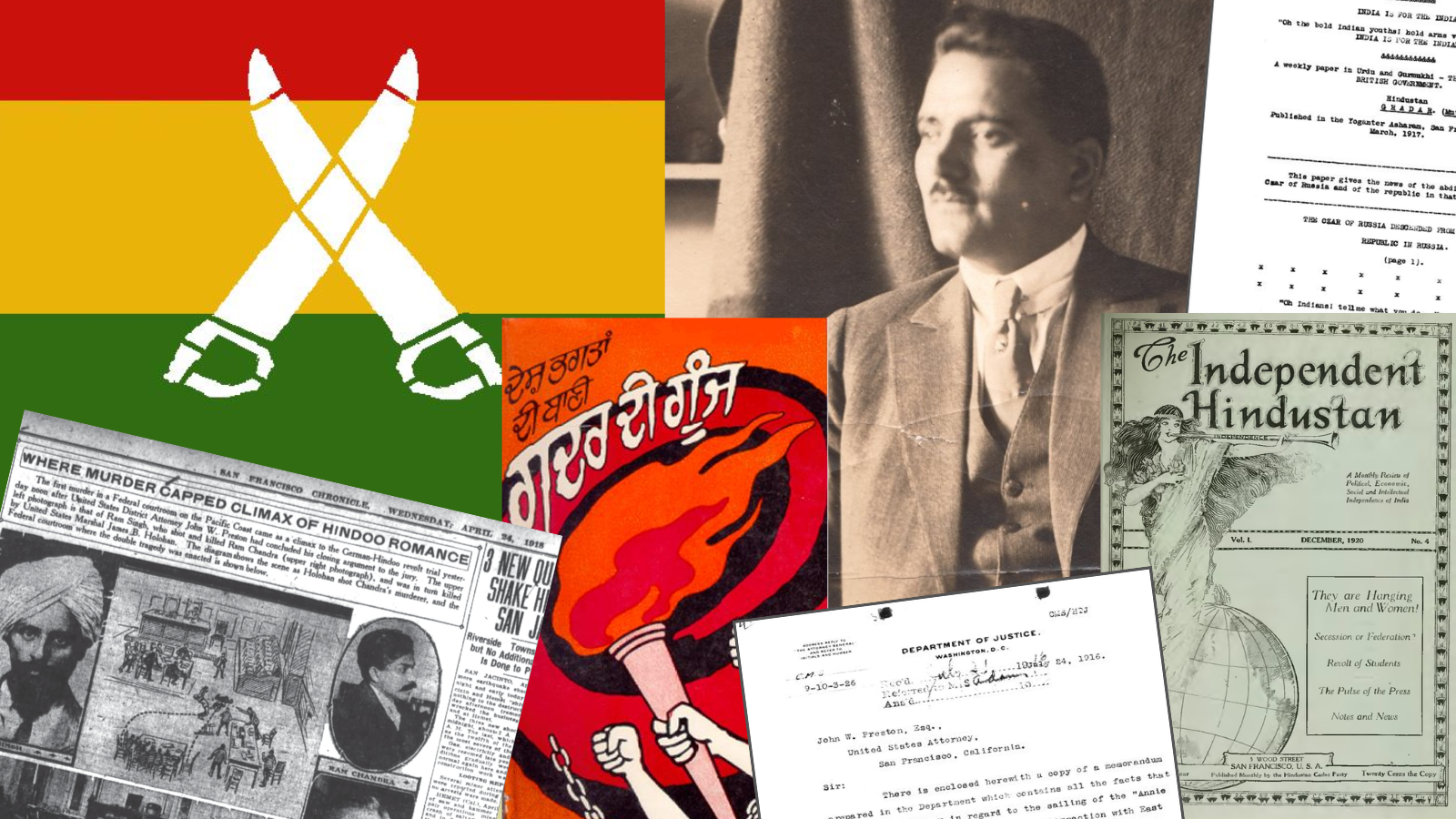
Discovering American Roots of the Indian Independence Movement through Gale Primary Sources: The Hindu-German Conspiracy Trials in the USA

Montage of historical images

| By Amandeep, Gale Ambassador at Banaras Hindu University |

Whenever the Indian revolutionary movement outside India is taught in history classes at different universities and colleges, the Komagata Maru incident of 1914 and the revolutionary activities of the Ghadar Movement in the United States certainly bring a thrilling experience to students and teachers. However, over the years, it has become a footnote when it comes to bringing new discourses.

For decades, the revolutionary movements outside India have not been rethought in the ways they should have been. The paucity of primary sources and travel limitations have been among the significant reasons why scholars and students have been unable to rethink and revisit the revolutionary movements abroad, especially in the USA.

Read more

In the Footsteps of My Avô: Exploring Angola’s Fight for Independence Through Family History

|Rosa Ferreira, Digital Product Trainer|

Armando Dias De Castro, my avô – my Portuguese grandfather – was a man full of life. He was warm, funny, always ready with a story or a joke. He was also the kindest man you’d ever meet. But when it comes to his time in Angola, I’ve got nothing. No stories, no memories. If he ever spoke about it, I must have been too small to notice, or the words just never stuck.

My uncle, however, recalls many conversations. That makes me believe my avô must have shared his experiences, at least in fragments, though they slipped past me.

It is this gap – between the grandfather I knew and the silence that lingers – that has drawn me into the archives.

Read more

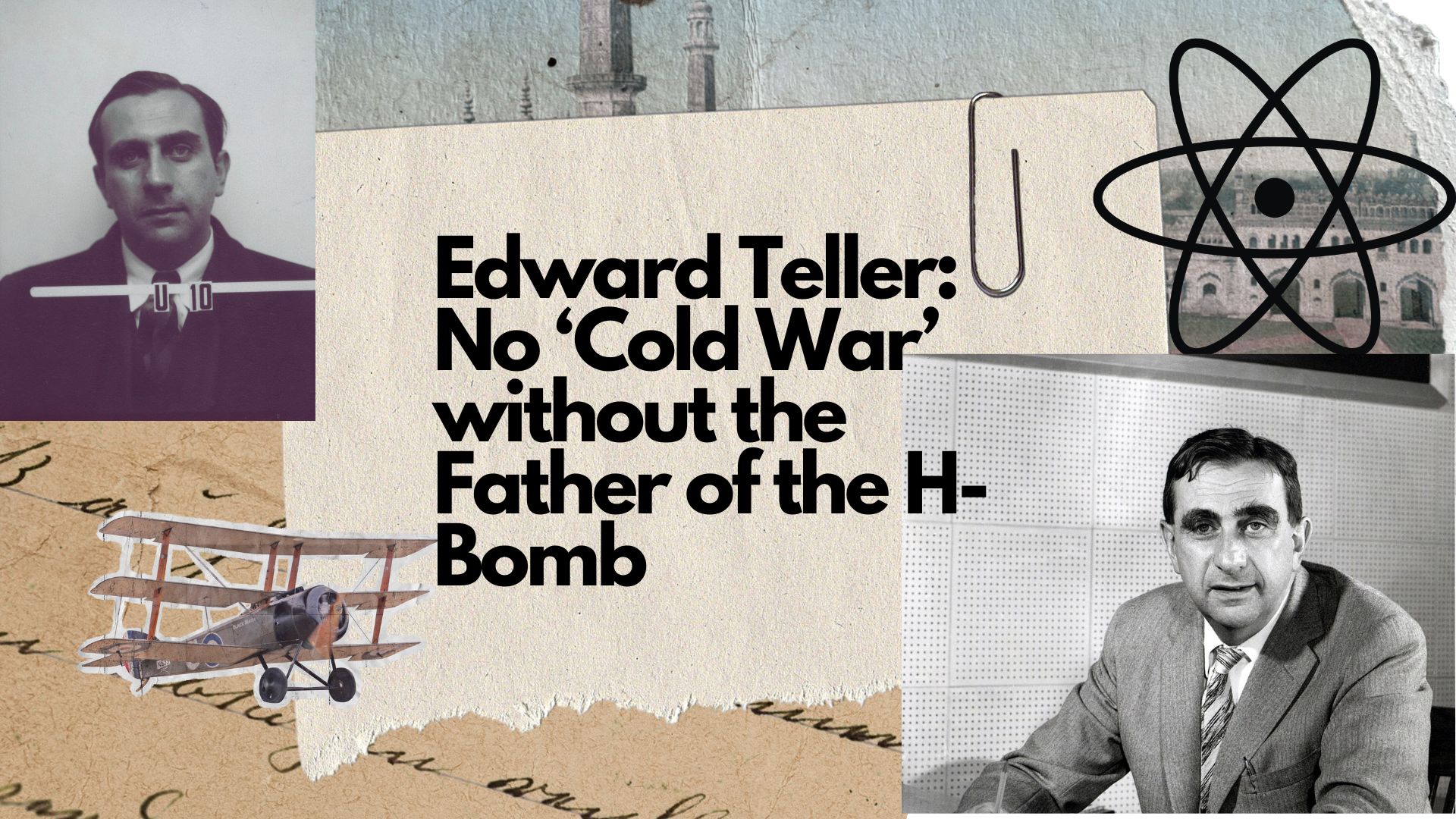
Edward Teller: No Cold War without the Father of the Hydrogen Bomb

│By Sofía Sanabria de Felipe, Gale Ambassador at the University of Oxford│

On July 21, 2023, the world – or at least the world that exists on the internet – was taken over by a cinematic phenomenon: the simultaneous release of Greta Gerwig’s Barbie and Christopher Nolan’s Oppenheimer. ‘Barbenheimer’, if you will. The long, pandemic-delayed release of a film about the world’s most famous doll and the man behind the Manhattan Project became an unlikely couple, drawing people back to the cinema screen in unprecedent numbers.

As a historian who’s particularly fascinated by popular culture and the Cold War, the summer of 2023 became a perfect opportunity for me to reflect on the relationship between these two concepts, especially when understanding the prevalence of the American – arguably Western – perspective on the twentieth century. Two years on, Gale Primary Sources’ collections, primarily Archives Unbound, have given me the tools to explore my interests further.

Read more

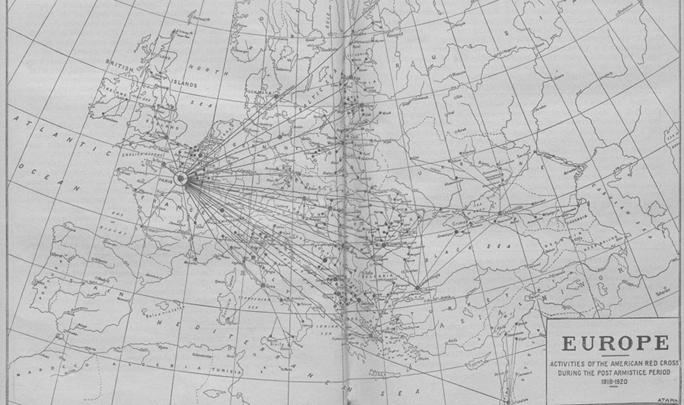
Global Development and Humanitarian Aid: The International Federation of Red Cross and Red Crescent Societies, 1919-1997

│By Clem Delany, Acquisitions Editor, Gale Primary Sources│

Like many people in the UK, my first experience of humanitarian appeals was through charity campaigns at school or through Blue Peter. The first one I strongly recall is sending care packages to Romania. Famine in Ethiopia and the need for wells in Africa also loom large in my memories of this era; if Matt Baker told me to give money I said how much (up to a limit of £2)?

Years later, studying history at University, I took a module on the Greek famine of 1941-1942. It was something I had known nothing about, illustrated with stark numbers of Axis requisitions, of the dead and the starving, and by accounts from survivors.

Primary sources for situations such as famines can be a real challenge for scholars; data is shaky, accounts are limited. Few people in a famine zone are there to count heads or write a dissertation; they are either struggling to survive the disaster or there to provide aid.

Read more

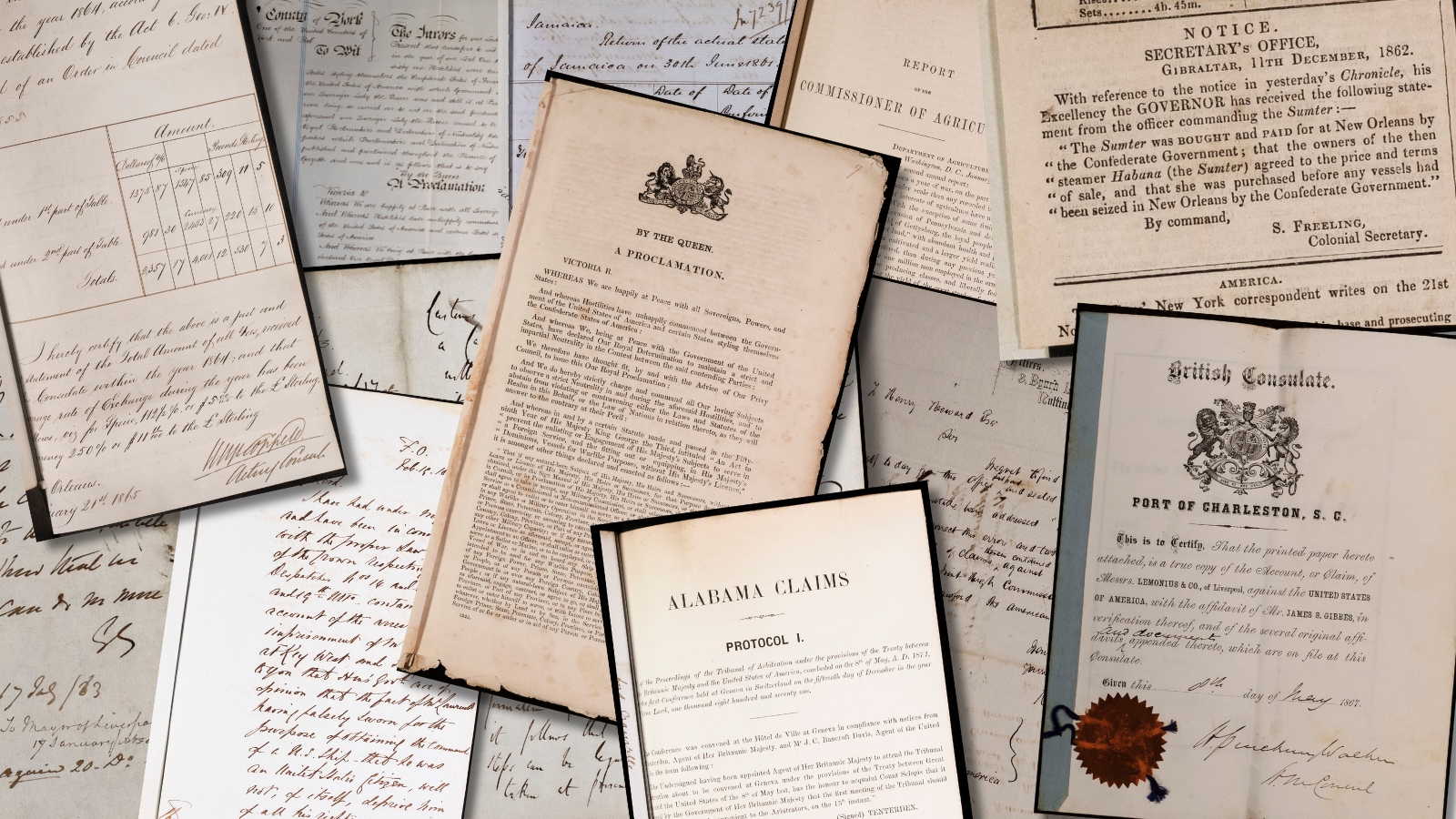
The American Civil War: The International Perspective – The First Digital Archive of Its Kind

│By Emma Harris, Associate Editor, Gale Primary Sources│

A fundamental topic in American history, the American Civil War (1861-1865) was a major event of the nineteenth century, not just in America but also in global politics, with ramifications for the future of slavery and ideas of popular, democratic government. Lecturers and researchers have increasingly been looking to study the war in its international context as the trajectory and outcome of the war impacted those beyond just America—especially in Europe.

Read more

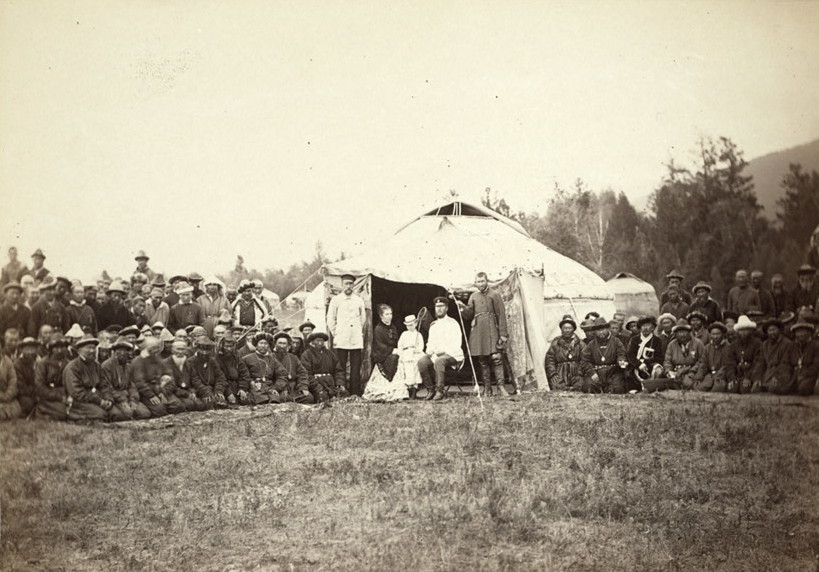
A Century of Change: How Soviet Union Policies Reshaped Kazakhstan’s Demographics

|By Alisher Romankul, Year 11 Student at NIS of Kyzylorda, Kazakhstan|

It is believed that the Kazakhs, who lived a nomadic culture for hundreds of years, faced a number of demographic crises in the twentieth century under the rule of the USSR. Since the beginning of industrialisation in the Soviet Union and before the collapse of the USSR, the ethnic and demographic situation in the country has changed dramatically.

This blog post will explore industrialisation, the famine of 1931-1933, deportation in the Kazakh SSR, World War II, and the development of virgin lands and discuss how the collapse of the USSR affected the population in the country.

Read more

The History of West Malaysia and Singapore as Refracted Through British Colonial Office Files

|By Liping Yang, Senior Manager, Academic Publishing, and Emma Harris, Associate Editor, Gale Primary Sources|

Please be aware that this blog posts includes primary sources which describe extensive violence and oppression; the decision to read the post is at your own discretion.

Gale Primary Sources’ State Papers Online Colonial: Asia digital archive welcomed its third instalment in September 2024 – State Papers Online Colonial: Asia, Part III: Malay States, Malaya, and Straits Settlements – providing a continuation of and perfect complement to Part II through a thematic collection on the history of West Malaysia and the earlier history of Singapore.

Made up of mostly original correspondence, as well as two series of maps and plans, and a series of historical photographs, Part III contains over 625,000 newly scanned pages from twelve Colonial Office series sourced from The National Archives, UK.

Read more