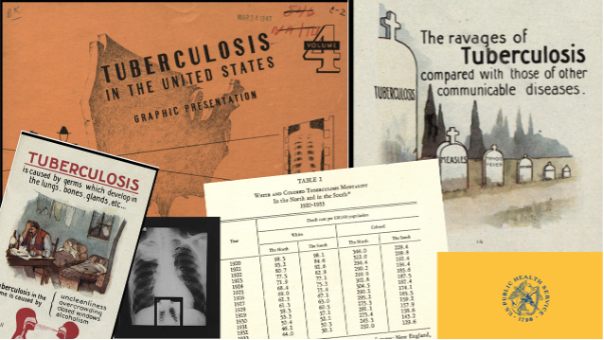
Benevolence and Blame: The Question of Race in America’s Early-Twentieth-Century Tuberculosis Crisis

| By Alice Shadbolt, Gale Ambassador at the University of Liverpool |

Between 1915 and 1940, tuberculosis posed one of the most urgent public health crises for North America and Europe. However, its impact was far from evenly distributed. In the United States, mortality rates amongst Black communities were consistently higher than those recorded amongst white Americans, a disparity that became a central preoccupation of contemporary public health discourse.

Drawing on Gale’s Public Health Archives, which preserves the reports, policy documents, and educational materials produced by municipal and state health departments, this post examines how these institutions approached and explained this disparity. A close reading of these documents reveals how language was strategically deployed to redirect responsibility onto Black communities themselves, pathologising race and obscuring the lived implications of racial inequality.

Read more

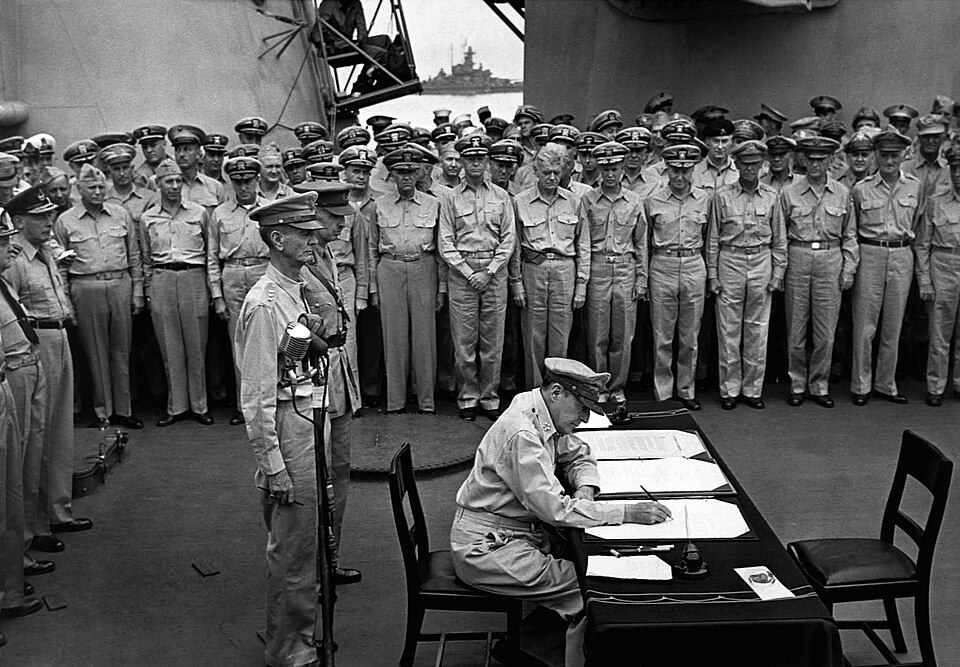
Douglas MacArthur – A Life in Service

│By Phil Virta, Senior Acquisitions Editor, Gale Primary Sources│

Douglas MacArthur was an American military commander whose career spanned World War I, World War II, and the Korean War. One of the few U.S. military leaders to achieve a five-star rank, MacArthur was described by admirers as heroic and patriotic, while critics considered him to be overly ambitious and narcissistic.

The archive Asia in the Twentieth Century: General MacArthur and War, Occupation, and Reconstruction in the Pacific, 1941-1972 is about more than just MacArthur, but his figure permeates the sources. His leadership shaped the Pacific War, the rebuilding of Japan, the course of the Korean War, and U.S. policy across Asia.

Read more

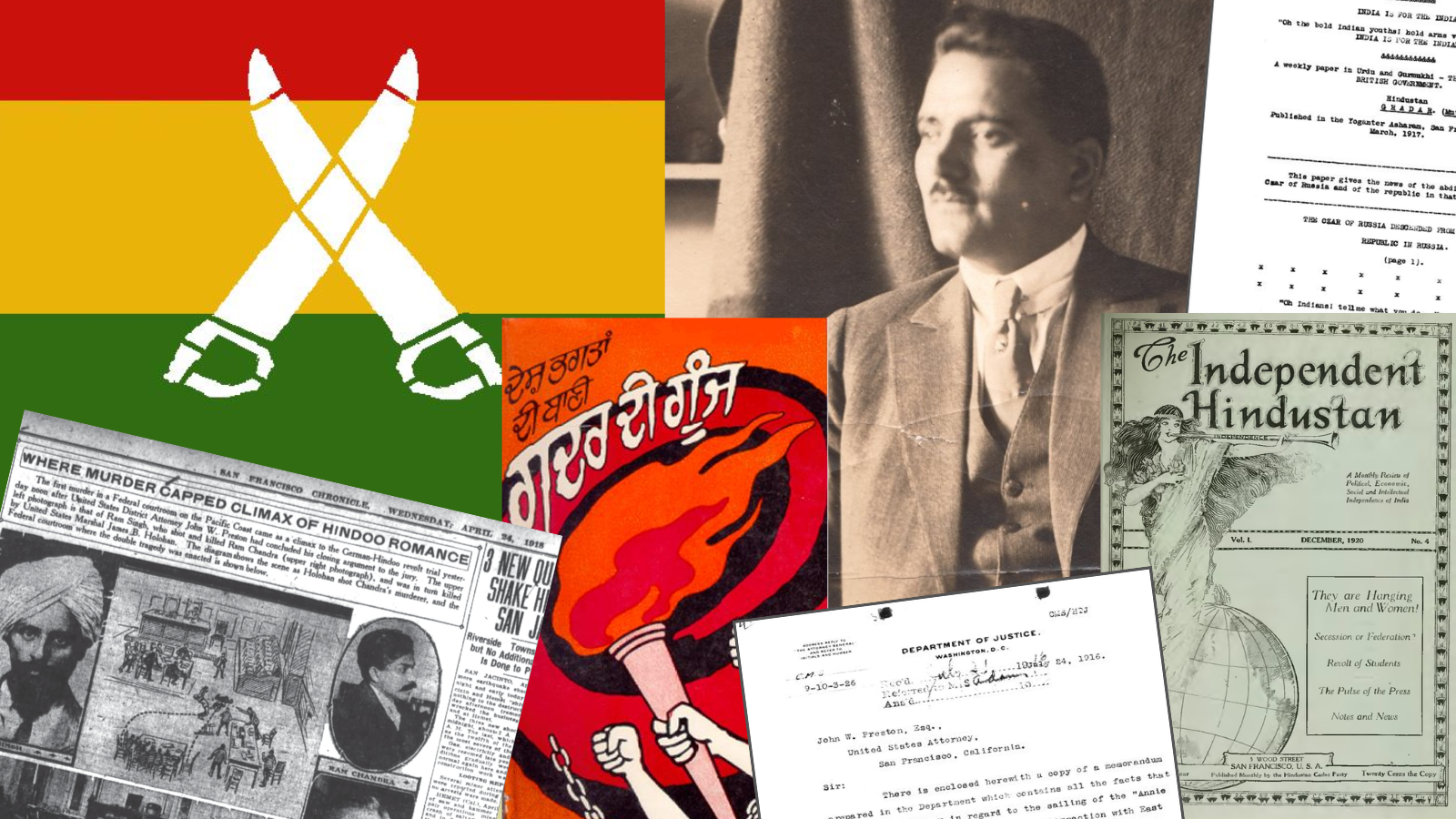
Discovering American Roots of the Indian Independence Movement through Gale Primary Sources: The Hindu-German Conspiracy Trials in the USA

Montage of historical images

| By Amandeep, Gale Ambassador at Banaras Hindu University |

Whenever the Indian revolutionary movement outside India is taught in history classes at different universities and colleges, the Komagata Maru incident of 1914 and the revolutionary activities of the Ghadar Movement in the United States certainly bring a thrilling experience to students and teachers. However, over the years, it has become a footnote when it comes to bringing new discourses.

For decades, the revolutionary movements outside India have not been rethought in the ways they should have been. The paucity of primary sources and travel limitations have been among the significant reasons why scholars and students have been unable to rethink and revisit the revolutionary movements abroad, especially in the USA.

Read more

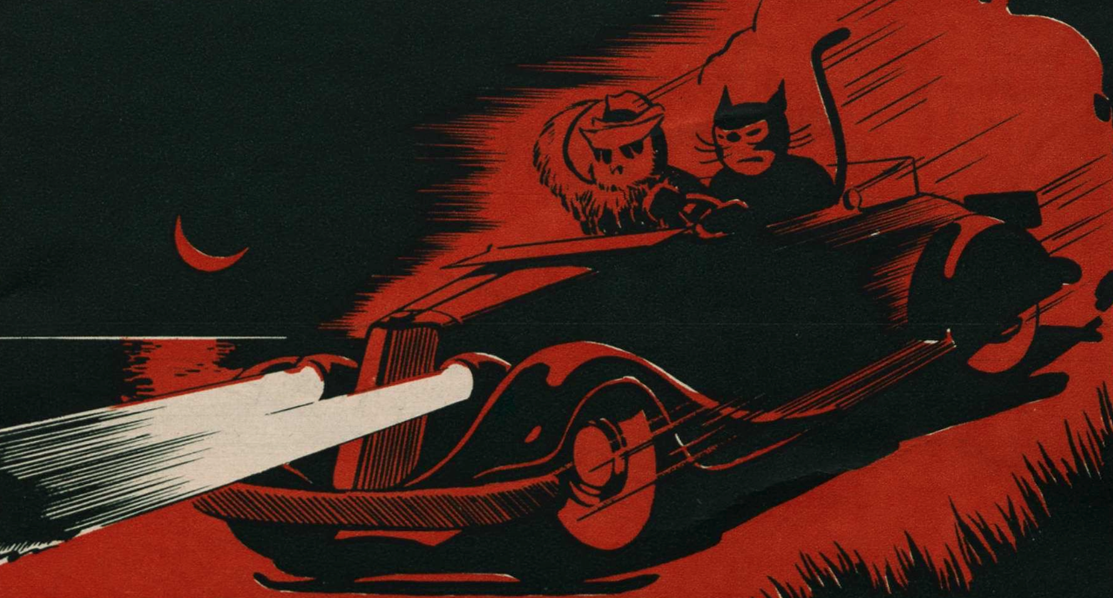
Collisions: Driving Through Digital Humanities in Search of Roadkill

│By Gilberto Mazzoli, ESEH-Gale Fellow│

In 2024 I have been one of four recipients of the ESEH-Gale Fellowship in Digital Environmental Humanities. This fellowship has been a good opportunity to explore some aspects of my research in environmental history in a different way and helped to make my current research more visible.

This fellowship not only allowed me to access for seven months, numerous online Gale Primary Sources archives related to the environmental history of the United States and to experiment with tools contained in the Gale Digital Scholar Labbut enabled me to develop a part of my research project related to the creation of digital interactive maps. This pushed me to learn new technical skills, like GIS, and to think differently about some aspects of my research in environmental history.

In this brief account I reflect on my first experience with digital humanities and on the challenges faced during my research.

Read more

Exploring Latino History through the Chicano Movement

│By Phil Virta, Senior Acquisitions Editor, Gale Primary Sources

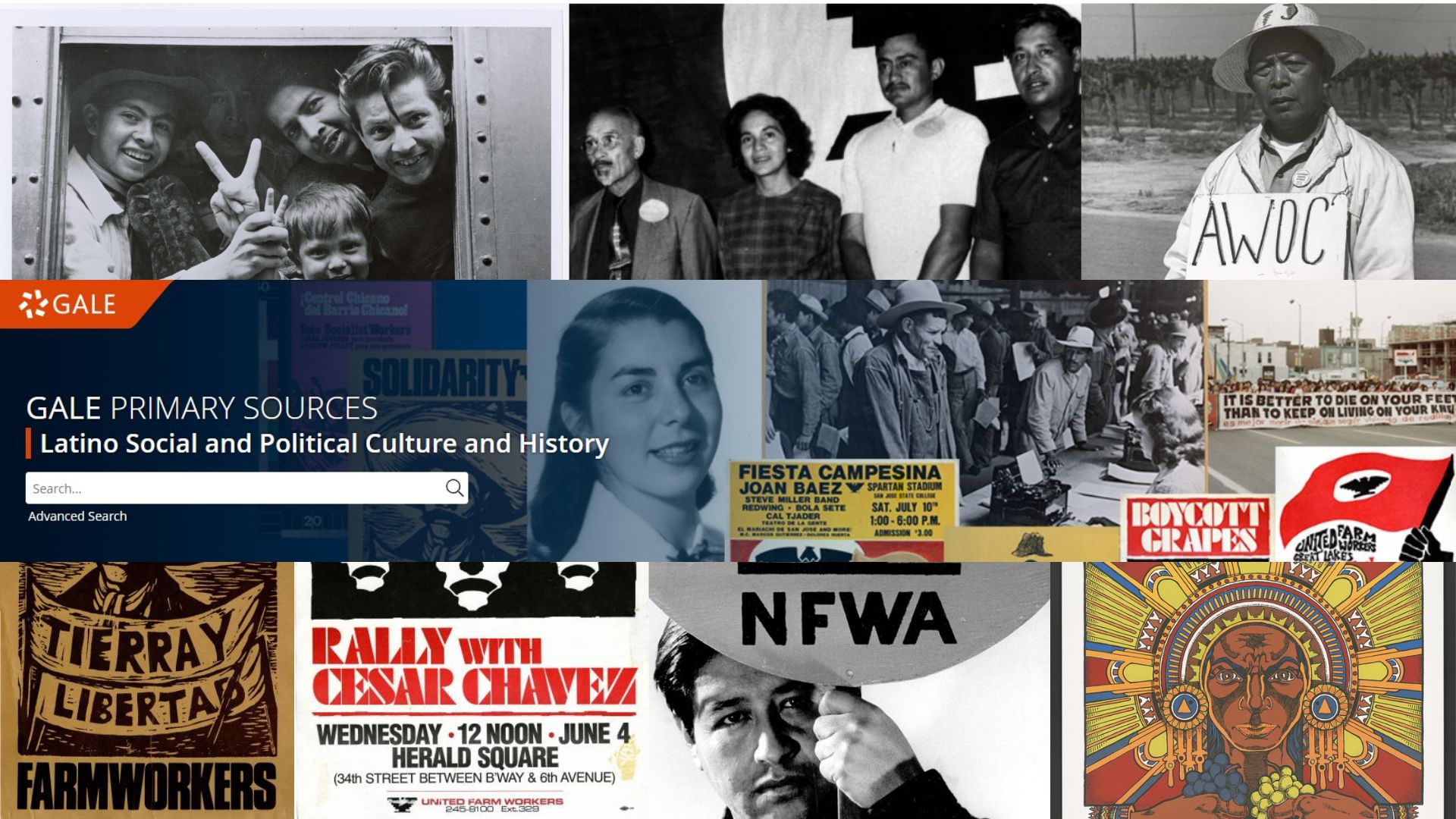
Gale’s archive Latino Social and Political Culture and History: Perspectives on the Chicano Movement presents a history of Chicanas/os in the United States with documents on programmes that brought Mexican guest workers to the country such as the Bracero Programme, organisations that evolved to support the community such as the United Farm Workers, and the individuals who helped found and advance the Chicano Movement (El Movimiento) such as César Chávez, Dolores Huerta, and Rodolfo “Corky” Gonzales. 

Labour records, correspondence, organisational papers, personal papers, manuscripts, and ephemera all contribute to our understanding of a tumultuous period in the annals of the United States. This post will introduce the background and content of this important new archive.

Read more

The American Civil War: The International Perspective – The First Digital Archive of Its Kind

│By Emma Harris, Associate Editor, Gale Primary Sources│

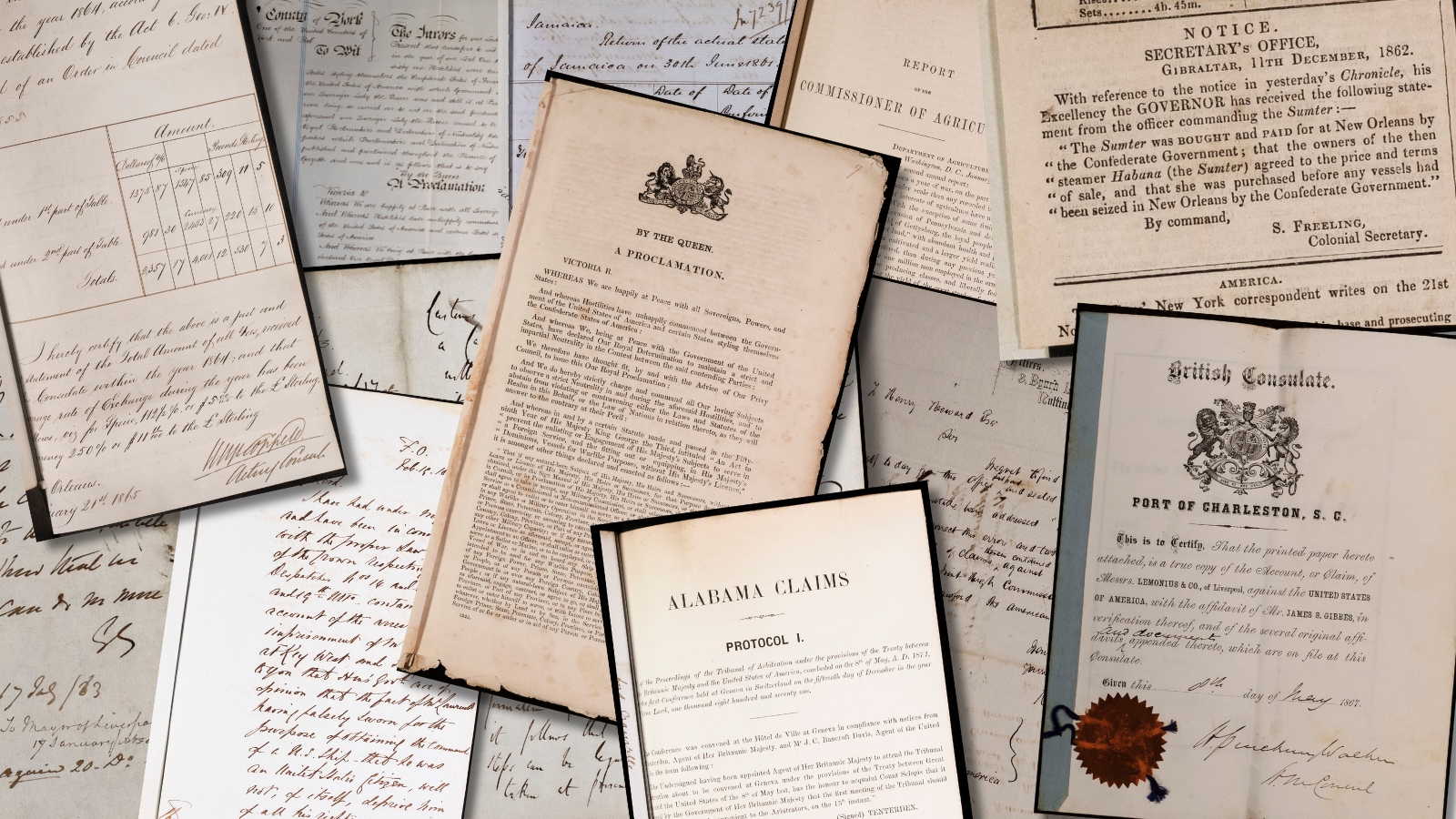
A fundamental topic in American history, the American Civil War (1861-1865) was a major event of the nineteenth century, not just in America but also in global politics, with ramifications for the future of slavery and ideas of popular, democratic government. Lecturers and researchers have increasingly been looking to study the war in its international context as the trajectory and outcome of the war impacted those beyond just America—especially in Europe.

Read more

An Exploration of Women’s Liberation: Insights from Gale Primary Sources

│By Poppy Sargent, Gale Ambassador at the University of Exeter│

Exploring women’s liberation throughout the years reveals a journey of bravery, courage, and transformation. From the beginning of the women’s liberation movement to the twentieth century, women have held a powerful position in society, whether this be in the workplace, politics, or simply social aspects of society.

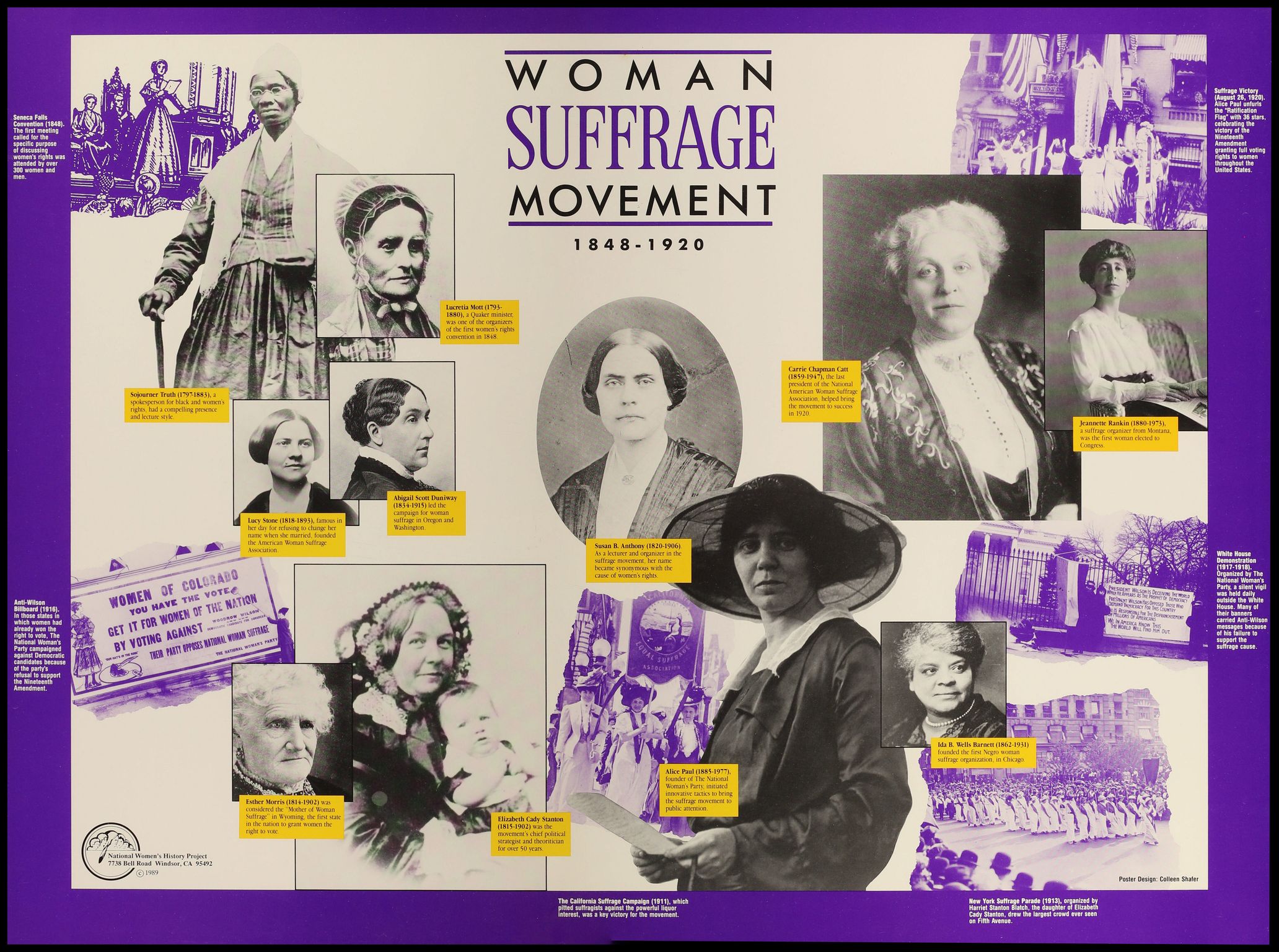
Leveraging insights from Gale Primary Sources, this exploration delves into the ways in which women’s liberation was advertised, highlighting key events which led up to the result of women’s suffrage in the United States, various leaflets and posters used to advertise suffrage, and how these can be used to influence modern day suffrage articles. Gale’s extensive archives highlight the crucial role of the media in advertising women’s suffrage.

Read more

Sacred Returns: The American Bison, Prophecy and History  

│By Lindsay Whitaker-Guest, Associate Editor│

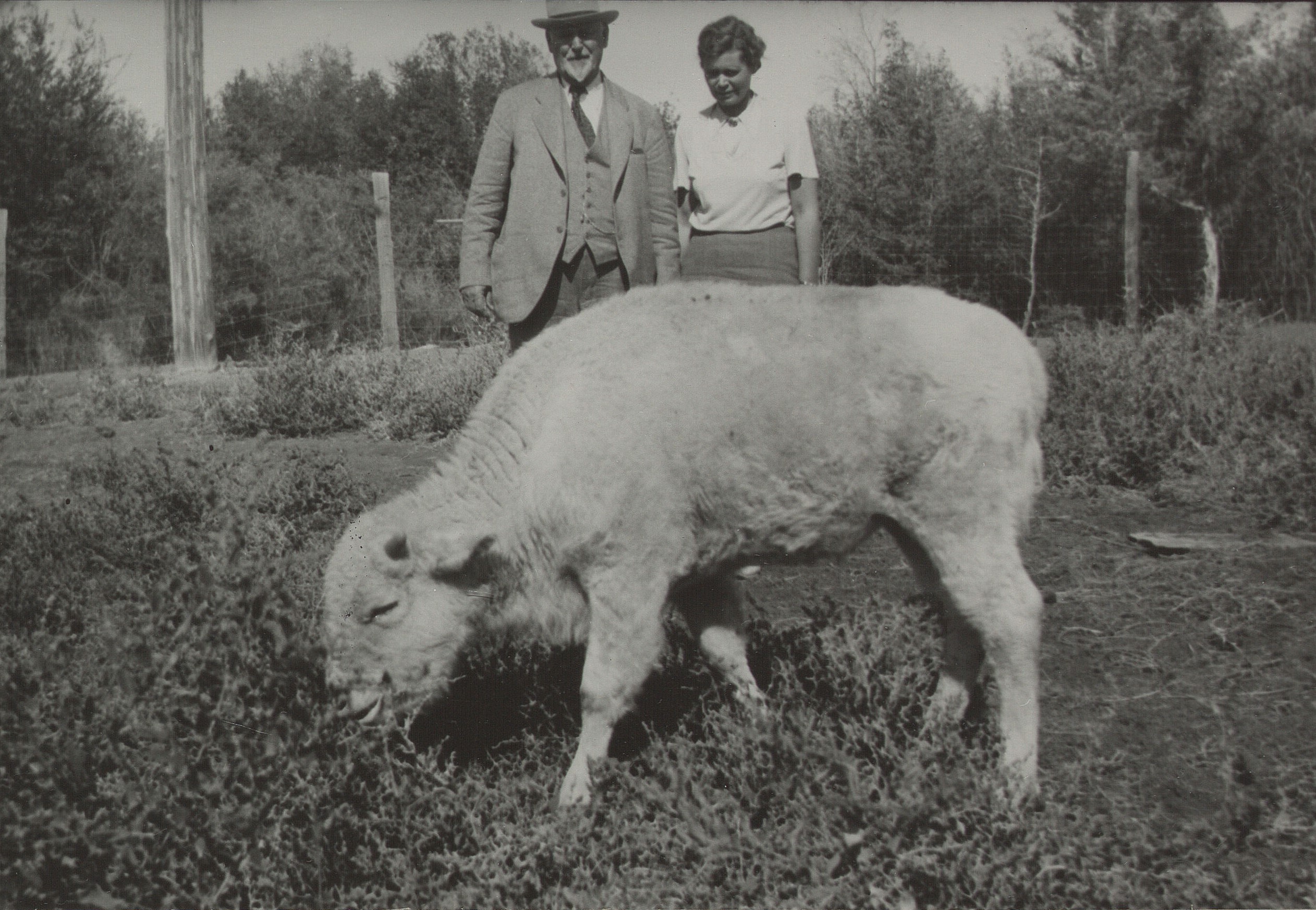
In June 2024, an extremely rare white bison (buffalo) calf was sighted in Yellowstone National Park causing great excitement amongst visitors, wildlife researchers, and most significantly local Native American people.

The birth is ecologically and culturally important, but above all symbolises the momentous recovery of the American bison, which according to Native American traditions is an indication of a brighter future. But why has the birth of this adorable creature been so celebrated? And what might this mean for the future of the American bison?   

Read more

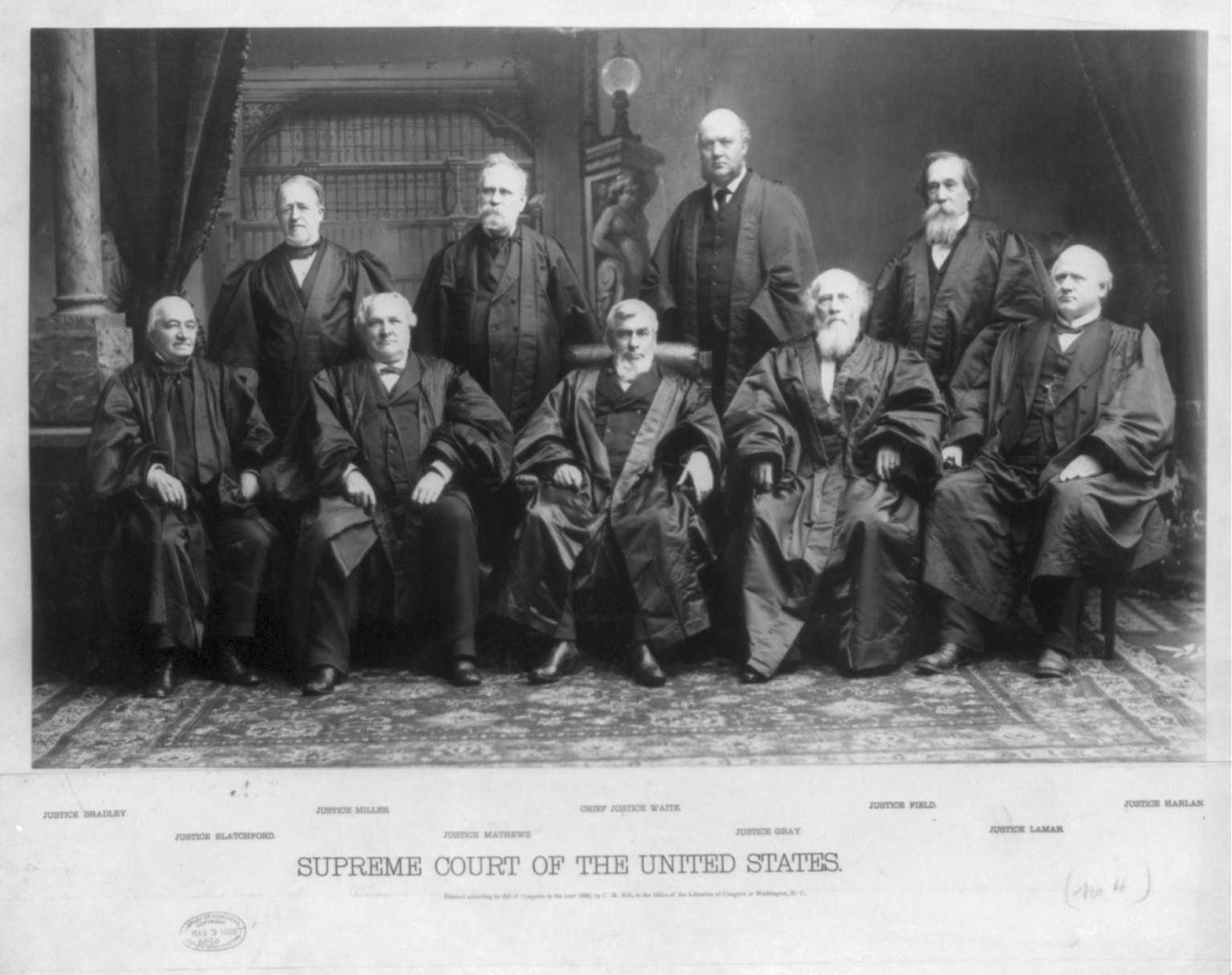
Courting Primary Sources: Historical Opportunities from Briefs filed with the U.S. Courts of Appeals

│By Bennett Graff, Manager, Acquisitions, Gale Primary Sources

The family of titles that comprise The Making of Modern Law series is a critical part of the Gale Primary Sources portfolio.  Titles in the series reveal aspects of our social, economic, religious, and political history through documentation that come from a universe of data that is both part of and yet, in notable ways, distinct from the kinds of materials one might regard as “typical” of archival collections. Aside from their obvious worth to legal scholars, how can these materials be of value to researchers from other disciplines?

Read more

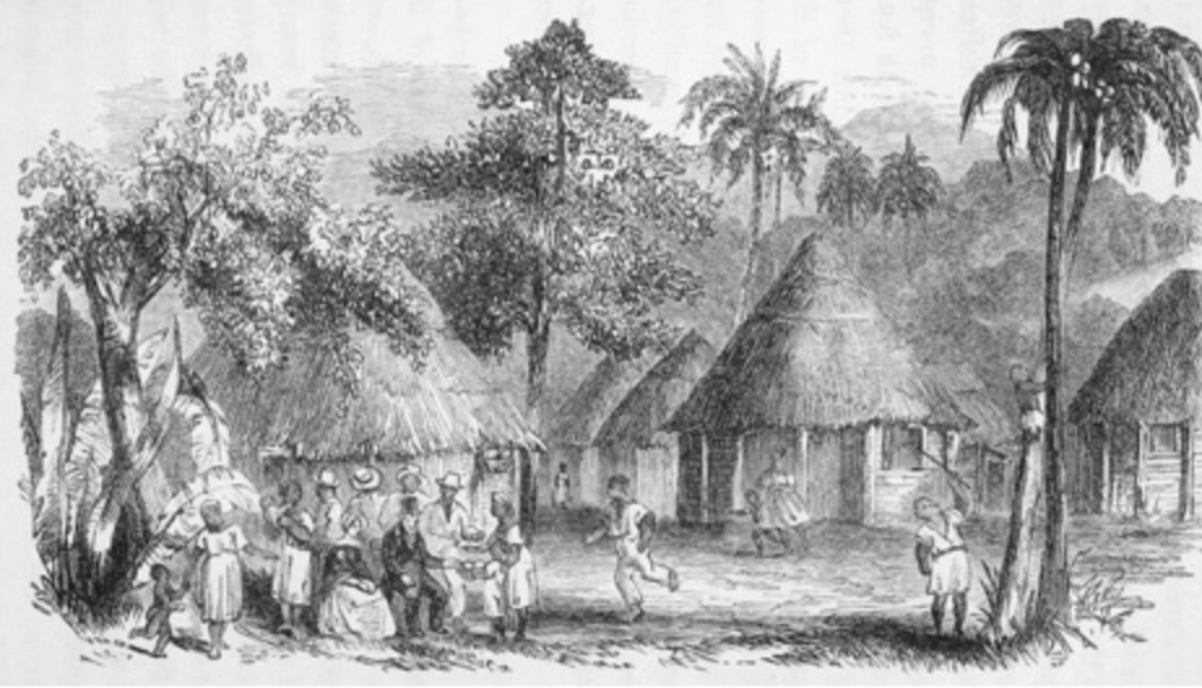
Studying Colonialism in Complementary Archives: Nineteenth Century Collections Online and Decolonization

│By Louis Venter, Gale Ambassador at the University of the Free State│

If you ask any seasoned historian what makes historical research unique, they will emphasise the crucial role of primary sources, which define and distinguish history from other forms of academic writing. In an ever-digitising world, historians can now access digital scans of genuine archival material from anywhere, eliminating the need to travel to distant archives, and making research more efficient.

Bringing together primary sources from multiple archives can enhance one’s research, and Gale Primary Sources offers two key complementary digital archives that can be used in tandem to study colonialism – Nineteenth Century Collections Online: Europe and Africa, Colonialism and Culture and Decolonization: Politics and Independence in Former Colonial and Commonwealth Territories.

Read more