Keeping Track of Research for your Undergraduate Humanities Dissertation and Using Gale’s Digital Resources

│By Jessica Crawley, Gale Ambassador at the University of Lancaster│

So, you’re a humanities undergraduate writing a dissertation, are you? If you’re anything like me, then you’re already finding this process as overwhelming as it is exciting. You have likely never taken on a research project this vast before, and that’s okay! You’re already on the right track by clicking this blog, and by the end of your dissertation process you’ll be a pro. Most of these skills are transferrable to essays too so, even if you aren’t writing a dissertation, this blog will still be of use to you.

This is the blog that I WISH someone had written when I first started researching for my dissertation: I was clueless, directionless, and – honestly – a little bit scared to start. If you’re having any of these feelings too, then after this blog they will hopefully start to melt away. I’ll be mainly referencing Gale’s Digital Resources, but if you don’t have access to any of these then speak to your library about any similar resources they may have to offer.

Read more

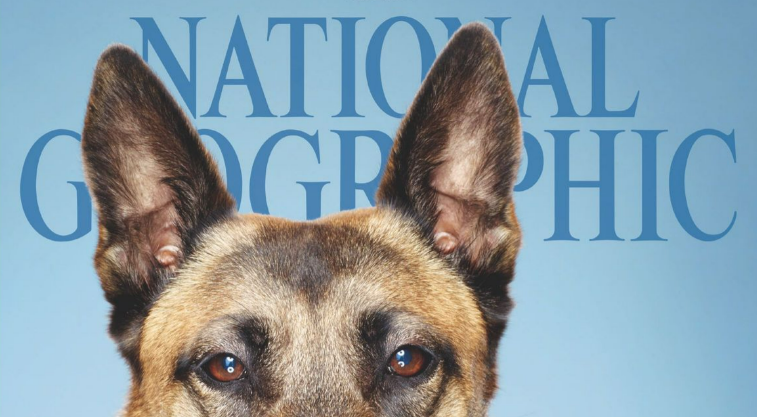
Applying Animal Theory to Gale’s National Geographic Virtual Library

| By Jessica Crawley, Gale Ambassador at Lancaster University |

National Geographic is not only a non-profit organization, but also a media company that has taken the printing world by storm. Readers have been using the National Geographic Magazine to scratch that adventurous itch since the magazine’s first publication in 1888, quite literally placing a gateway to the non-human world at the fingertips of human hands. The magazine has sold millions of copies in 40 different languages to date, pairing fascinating visuals with a layman-friendly tone, making it the perfect companion for any reader with an interest in science, wildlife, and exploration.

Read more

An Undergraduate’s Companion: Finding Primary Sources Using Gale’s Alternative Search Tools

Guide to ECCO with GPS

│By Georgia Winrow, Gale Ambassador at Lancaster University│

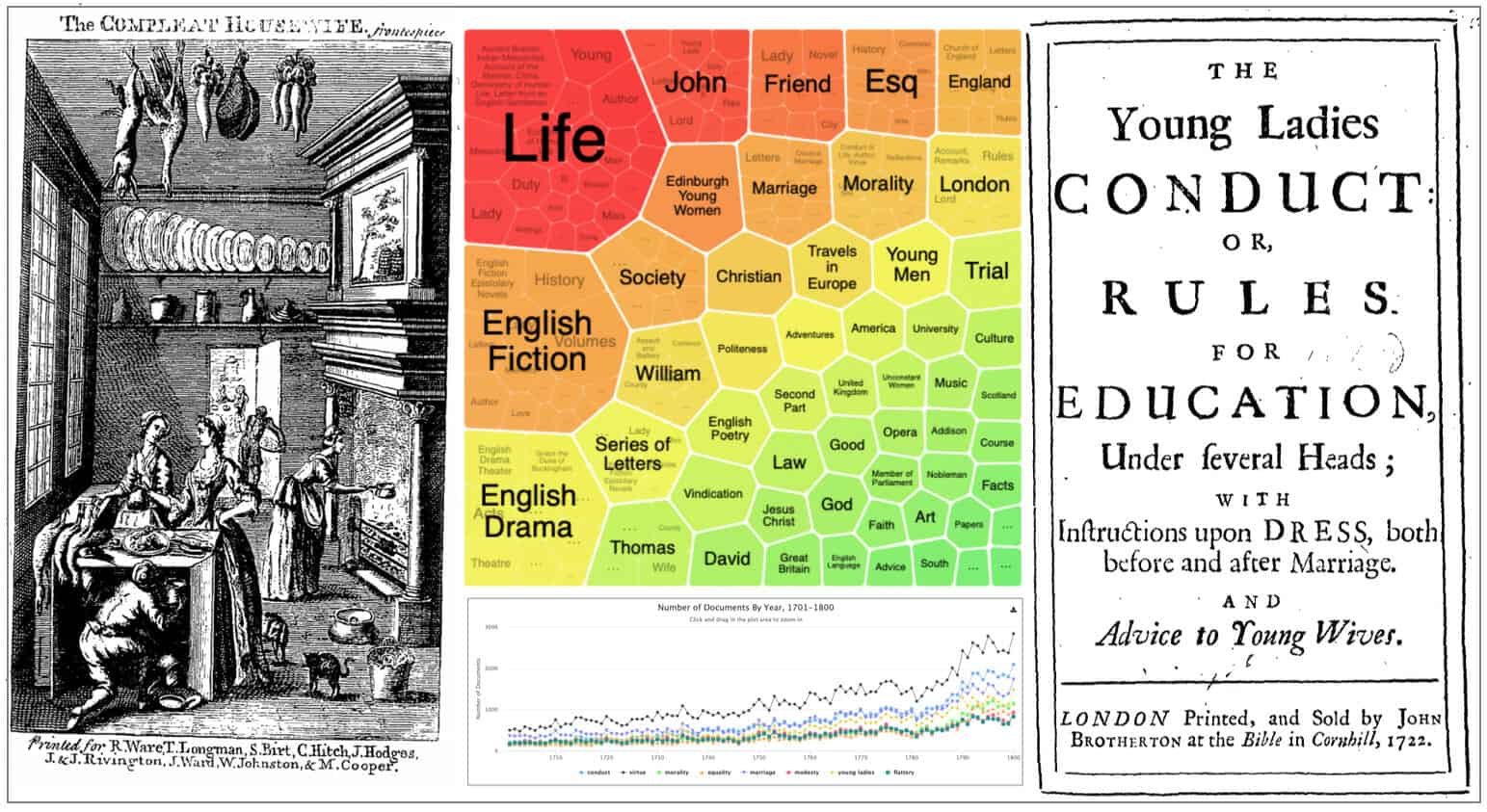
Knowing where to get started with a new undergraduate research project, coursework essay or dissertation can be a daunting task. Whether you are provided with a focus to guide your work or not, getting to grips with collecting your primary source material, reading, analysing, and working out where they fit within your work can seem overwhelming! Luckily, with the Gale Primary Sources digital archives you have a range of search tools at your disposal intended to make the process that bit easier. Through an example research project using Eighteenth Century Collections Online (ECCO), this blog post will outline alternative search tools and resources available in Gale’s digital archives, and how they can be used most effectively when carrying out your own undergraduate research.

Read more

Early Modern Medicine: Women’s Sexual and Reproductive Health

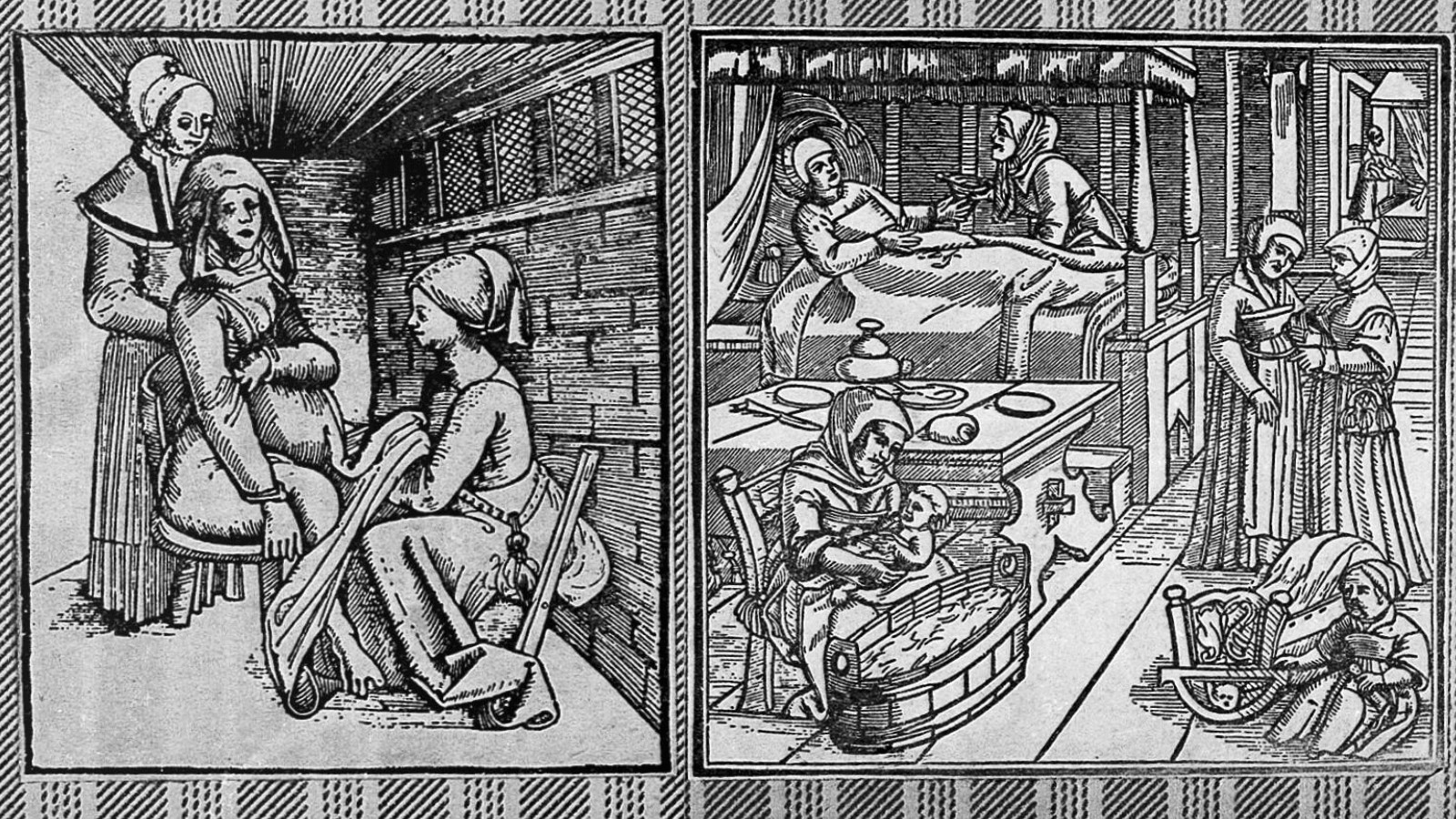
Obstetrics: midwife assisting in a birth, Original woodcut image from E. Roeslin, Rosengarten, 1513,Wellcome Collection

│By Georgia Winrow, Gale Ambassador at Lancaster University│

Whilst we may think of how diseases such as the bubonic plague, typhoid or tuberculosis were discussed when studying medicine in early modern Europe, we often do not consider how significantly understandings of sexual and reproductive health developed during this period. The specialism of women’s health in particular was firmly established in these years, with the publication of manuals and treaties to direct physicians and midwives in their practice. Indeed, whilst the early modern period saw practitioners drawing upon the work of ancient authorities, it was also a period of innovation, particularly within science and medicine.

Gale’s Sex and Sexuality, Sixteenth to Twentieth Century collection is truly interdisciplinary and includes materials that would support academic fields as varied as Sociology, Law and Theology. For scholars investigating the History of Medicine, the most significant materials within this collection which can be used to explore the emergence of a comprehensive, gendered understanding of early modern medicine are arguably the medical enquiries, manuals and pamphlets.

Read more