Exploring the Mail on Sunday Historical Archive, 1982-2011

Mail on Sunday header

│By Emma Harris, Associate Editor, Gale Primary Sources

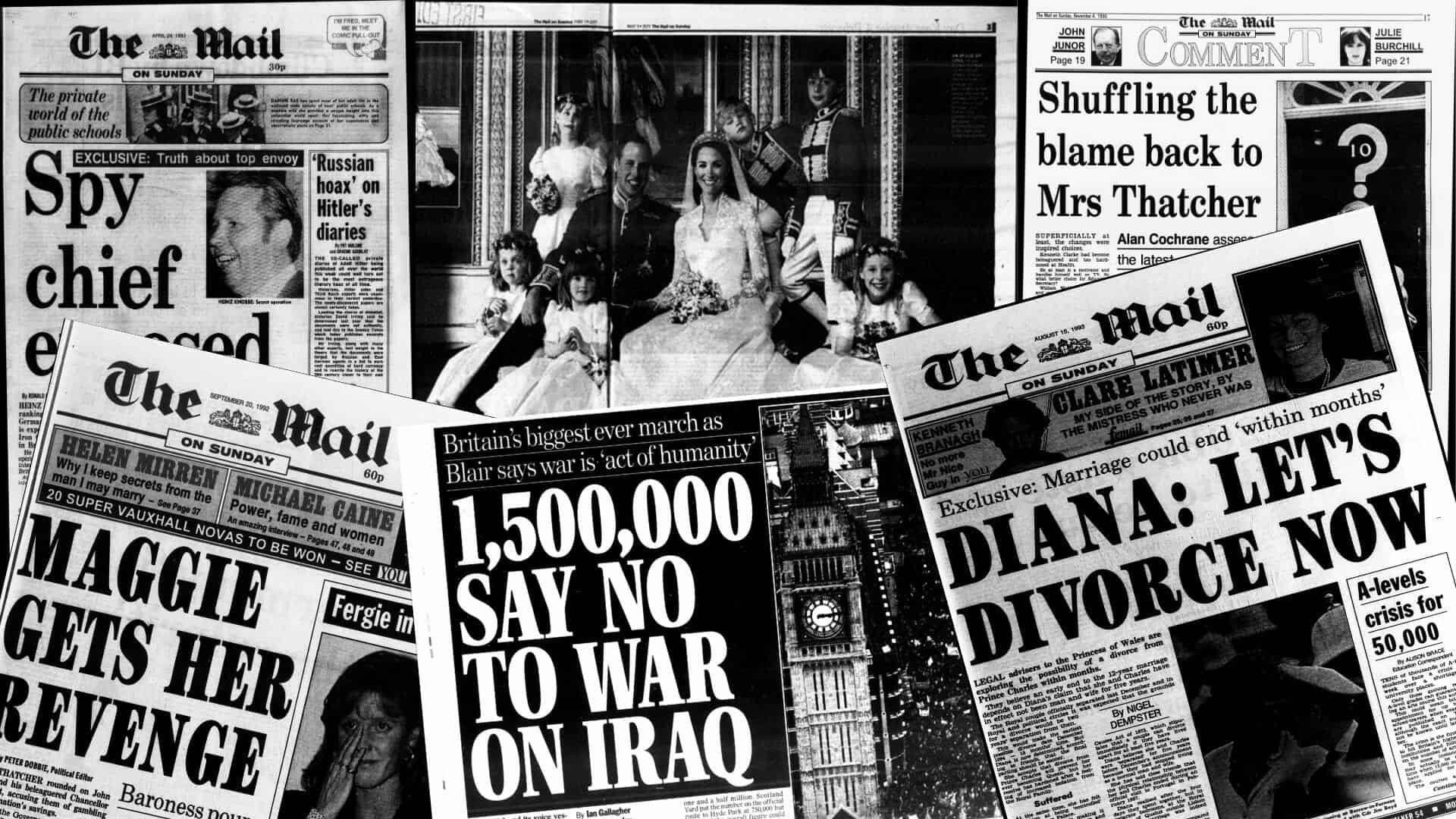
Adding to the wealth of newspaper archives already in Gale Primary Sources, the Mail on Sunday Historical Archive, 1982-2011 has now launched. With approximately 1,800 issues available, researchers can explore some of the most prominent news stories, controversies, and debates from the period, in one of the top UK Sunday newspapers of the last forty years.

Read more

ECCO’ing through the Ages: Exploring Reception with Gale’s Eighteenth Century Collections Online

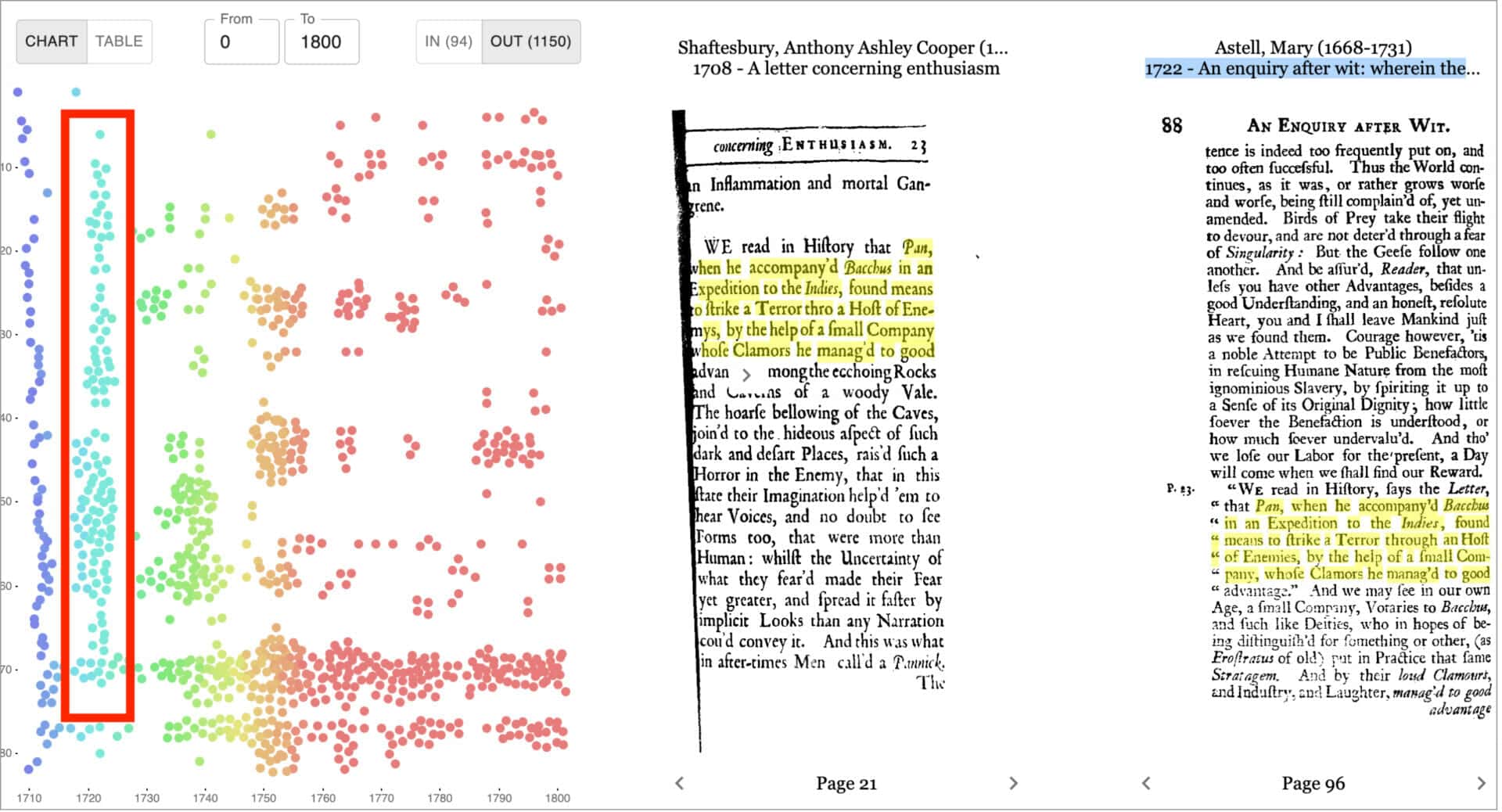
Reception Reader showing reuses of Shaftesbury’s A Letter Concerning Enthusiasm; overlaps with Astell’s An Enquiry After Wit highlighted by a red box.

│By David Rosson, Doctoral Researcher at the University of Helsinki│

A big-picture goal for the Computational History research group at the University of Helsinki is to develop methods for studying how ideas spread during the Age of Enlightenment. This was a time period marked by notable thinkers and burgeoning ideas about reason, science, human nature, the state, and society as a system operating on certain principles. These ideas have profoundly shaped the modern world we live in today and in many ways still bear influence on current affairs.

An indispensable resource for studying historical discourse in this period is Gale’s Eighteenth Century Collections Online (ECCO), which covers a considerable portion of books published in Britain between 1700 and 1800. Our research group has been working with the datasets and building research infrastructure on top of Gale’s primary sources for more than a decade. One of the latest examples of our researcher-oriented tools is a web interface, Reception Reader, that helps with the tasks of exploring text reuse patterns in ECCO documents.1

Read more

Global Communist and Socialist Movements – The Third Instalment of Political Extremism and Radicalism

Socialism

│By Emma Harris, Associate Editor, Gale Primary Sources

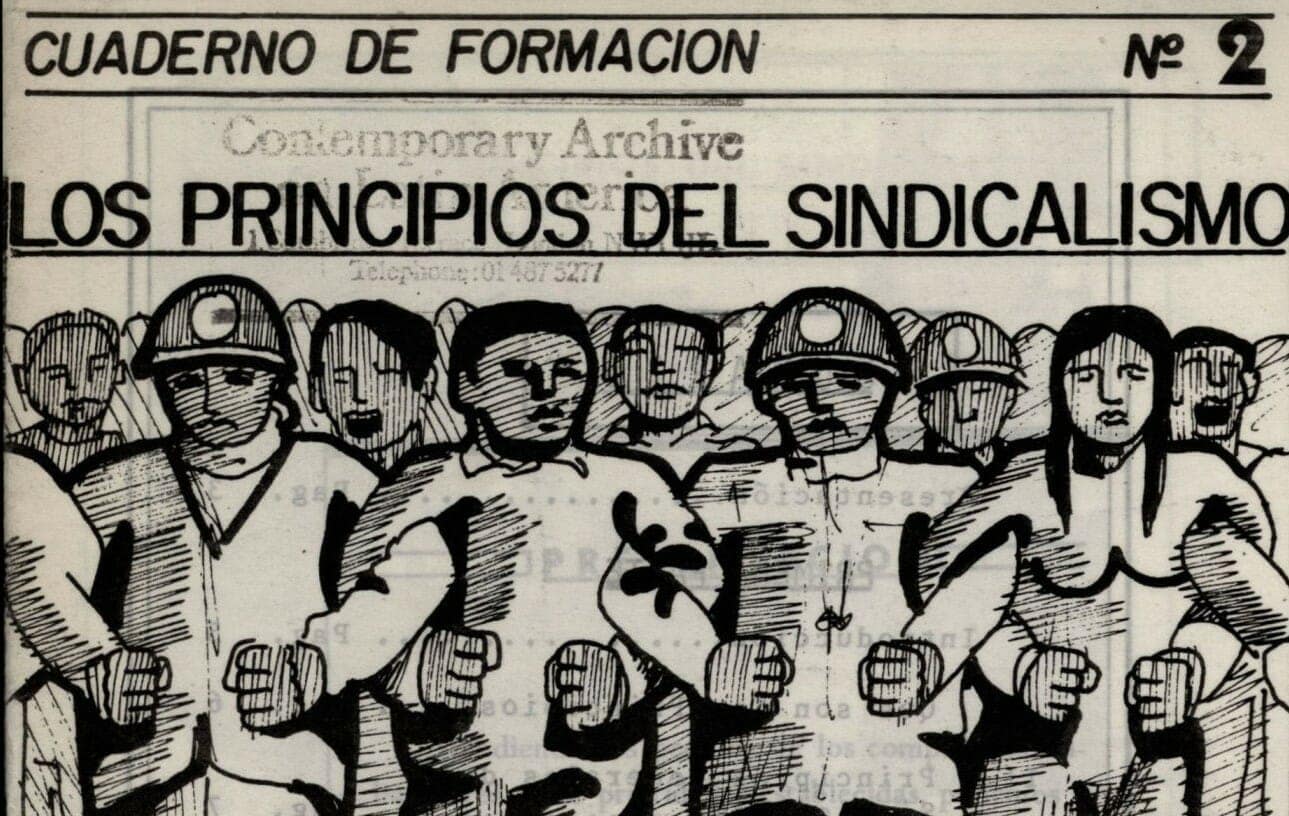
Global Communist and Socialist Movements is the third instalment of the award-winning Political Extremism and Radicalism series. For researchers interested in the workings of radical thinking, rhetoric, and twentieth century politics, this module offers a broad scope of material on left-wing thinking and political ideologies such as Marxism-Leninism, Maoism, Trotskyism, and anarchism, adding to the material on far-right groups and some areas of the far left already in the Political Extremism and Radicalism series.

This module provides excellent international coverage, including material from the USA, UK, Europe, Latin America, and South Africa. This grants researchers the opportunity to study the historical trajectories of left-wing radical movements across the globe, considering how these groups saw themselves, as well as the reactions of the capitalist nations in which they emerged. The twenty-one collections digitised from eight source libraries contain approximately 870,000 pages, with documents ranging primarily from 1880 to 1960.

Read more

Uncovering the History of Twentieth-Century Hong Kong, China, and the World

Hong Kong header

|By Liping Yang, Senior Manager, Academic Publishing, Gale|

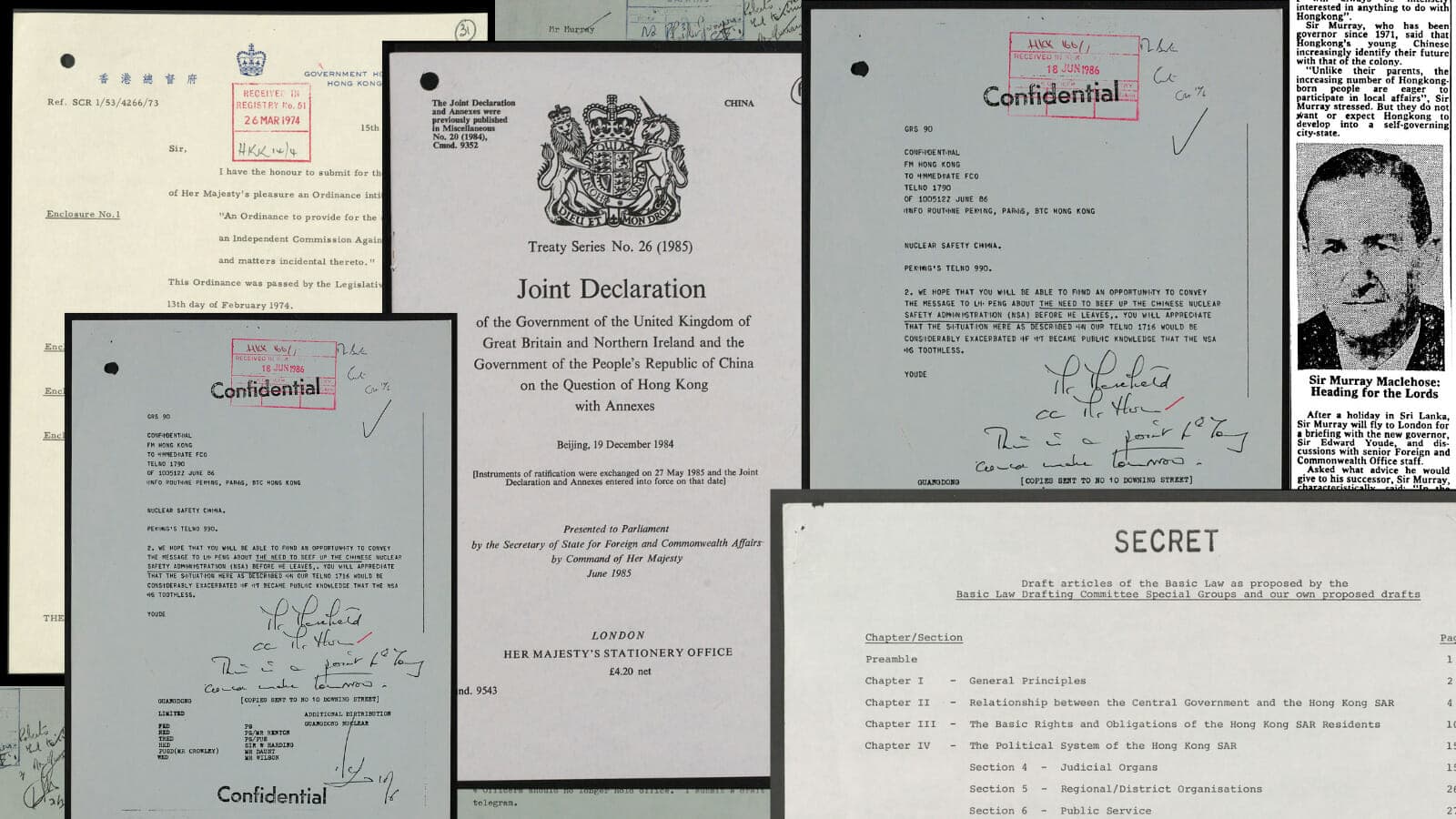
Gale released China and the Modern World: Hong Kong, Britain, and China Part 1, 1841–1951 in August 2019. During that summer and subsequent months, Hong Kong made the headlines of international media due to a series of large-scale mass protests launched against the government’s introduction of a bill to amend the Fugitive Offenders Ordinance with regard to extradition. The protests turned into riots and plunged the city into political conflict, which did not end until after the outbreak of COVID in 2020. Such protests or riots are nothing new in the history of Hong Kong. Actually, in 1967, a series of riots of comparable scale swept across the city, leading to violent confrontation between the rioters and police, and causing mass arrests and injuries. Such riots constitute just one of the many topics covered by the just released Hong Kong, Britain, and China Part 2, 1965–1993, the seventh module in Gale’s China and the Modern World series of digital archives.

Read more

Groups and Notebooks: Using Gale Digital Scholar Lab’s latest features in the DH classroom

Notes from our DH Correspondent

│By Sarah Ketchley, Senior Digital Humanities Specialist│

The field of digital scholarship tends to be collaborative, since any given project may involve disciplinary experts, developers, librarians, archivists, and students. Management of workflow and data can be challenging unless there is careful planning from the outset about record-keeping, group working practices, the sharing of information and goals for project sustainability and longer-term archiving. These practical considerations are the same for research projects and for those built in the classroom.

The ability to create Groups was recently added as a feature to the Gale Digital Scholar Lab platform, along with a flexible ‘Notebook’ tool for documenting decisions and outcomes. This blog post will consider how Group spaces can be used to facilitate classroom project-building by students in an undergraduate classroom, using a recent course I taught in the Information School at the University of Washington as a case study. The practicalities of using the Groups/Notebook features were discussed in my previous blog post, including details about how a teacher might go about adding students to new groups within the Lab, then managing classroom workflow via record-keeping in the team’s Notebook.

Read more

Digging into Datasets in Gale Digital Scholar Lab

│By Sarah L. Ketchley, Senior Digital Humanities Specialist, Gale│

This dataset post is a follow-up to Working with Datasets, a Primer which discussed text datasets of primary sources and explored how to access and work with them in Gale Digital Scholar Lab. Here, we’ll look at the topics of the first eight datasets in the Lab in more detail, the types of documents included in each set, and consider how a user may work with them for analysis. Our next blog post will showcase classroom-based use of the Lab’s datasets as an introductory pathway into the field of digital humanities.

Read more

Decolonization: Politics and Independence in Former Colonial and Commonwealth Territories

Decolonization header

|By Clem Delany, Acquisitions Editor, Gale Primary Sources|

Last week, I was lucky enough to go to India for the first time. I visited Mangalore in the state of Karnataka, as well as Kerala with its famous backwaters and cool green tea plantations in old hill stations. The British planted pine forests there and hid from the sun; in Mangalore old warehouses built along the river by the Portuguese for tile manufacture were visible from the high rise buildings around them. And everywhere – at busy roundabouts, by old government buildings and in front of smart new colleges – were statues and busts of solemn figures who I could not identify. The names Gandhi, Nehru and Modi are essentially the limit of my knowledge of modern India.

Read more

Birds of a Feather, Work Together – Gale Digital Scholar Lab: Groups

Notes from our DH correspondent

│By Dr Sarah L. Ketchley, Senior Digital Humanities Specialist│

December 2022 saw the release of the new ‘Groups’ feature in Gale Digital Scholar Lab. This blog post will consider the nature and benefits of teamwork in Digital Humanities (DH) and highlight Group workflows in the Lab that support effective collaborative practices.

Read more

King Tut and Digital Humanities: A Pedagogical Case Study

Notes from our DH correspondent

│By Dr. Sarah L. Ketchley, Senior Digital Humanities Specialist│

The Department of Middle Eastern Languages and Cultures (MELC) at the University of Washington has a history of supporting work in Digital Humanities (DH) dating back to the 1980s. More recently, the department has offered regular introductory classes in DH, which I have taught since 2015. These are usually topical in nature, i.e., the data we work with in class is related to a particular Middle Eastern theme, often related to travel or archaeology in Egypt, which is my area of research interest. This Spring Quarter 2022, my undergraduates and graduates participated in a class called ‘Digital Media – King Tut and Digital Humanities’ to learn about the theory and processes of building DH projects based on data related to the discovery of Tutankhamun’s tomb in 1922, one hundred years ago.

Read more