Getting to know Isabel Fry (1869-1958)

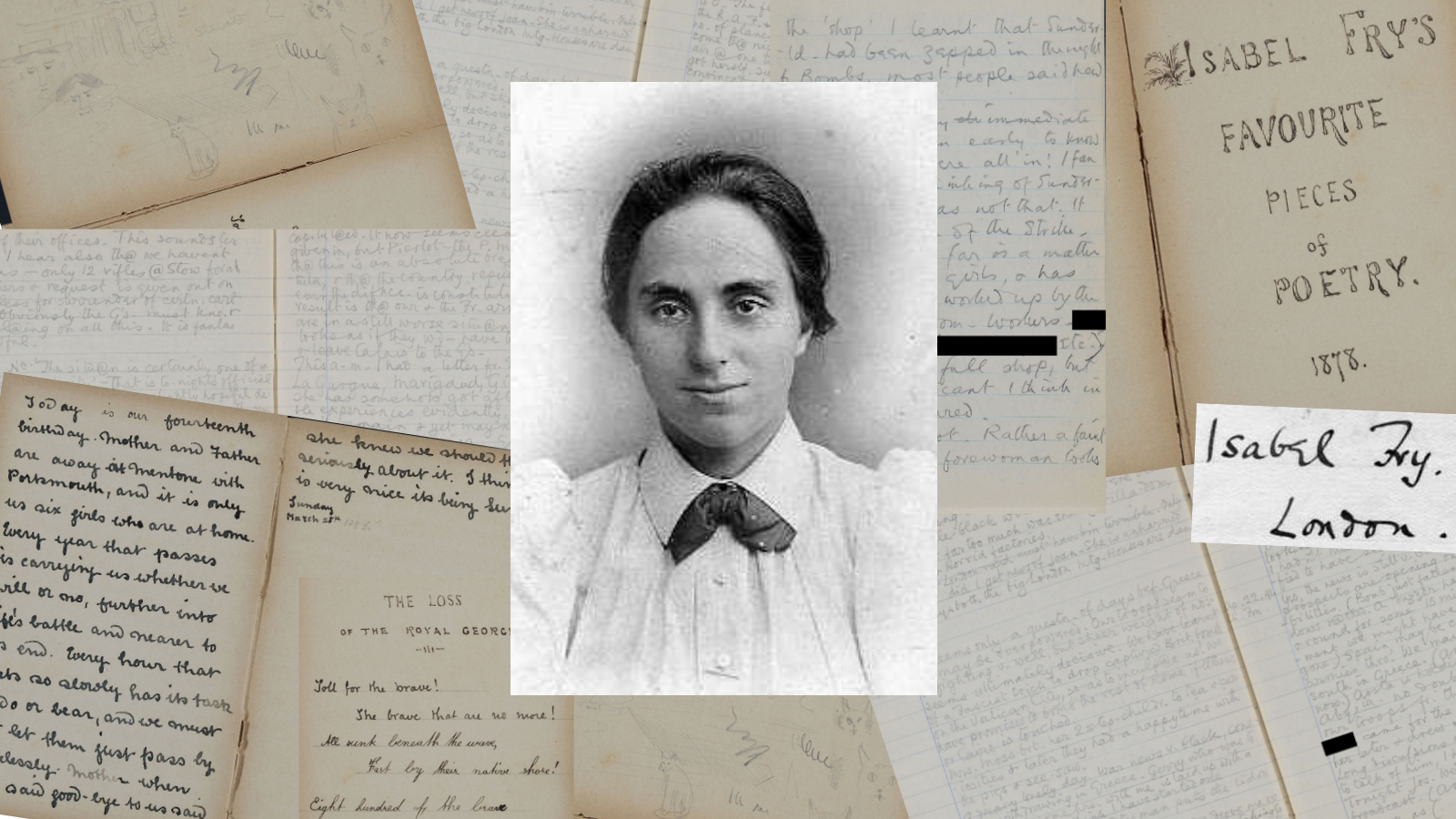
Isabel Fry (1869-1958)

| By Phil Virta, Senior Acquisitions Editor, Gale Primary Sources |

Please note that this blog post refers to historical terms found in the archive which may be offensive to the modern reader.

The Isabel Fry Papers, 1878-1958 released this September in Archives Unbound. The papers are a series of diaries and personal papers detailing the life of a remarkable social reformer and keen observer of the events of her day. Isabel Fry (1869-1958) was one of nine children born to Mariabella Hodgkin (Lady Fry) and Sir Edward Fry, a judge and zoologist. Her family were Quakers, and the values of the Religious Society of Friends were apparent in her various pursuits and those of several of her siblings – Edward was a barrister; Joan was a social reformer; Roger was an art historian and member of the Bloomsbury Group; Agnes (Isabel’s twin) was a writer and botanist; Sara was a penal reformer and magistrate; and Anna was a humanitarian and peace activist.

The Isabel Fry Papers offer the opportunity to get to know Isabel through her writings and correspondence. The archive includes materials recording her thoughts from as early as 1878, and she kept detailed journals beginning in 1907 up until her death in 1958. Isabel’s diaries describe not only her thoughts and feelings about everyday relationships, events, and occurrences, but of the rapidly changing world around her. She was well-read, compassionate, intelligent, and well-travelled. In her diaries she commented on major events during her lifetime including the Suffrage Movement, the First and Second World Wars, Russia and the Bolsheviks, and the political situations in Ireland and Türkiye. Her diaries cover 80 years of history; this blog post explores some examples of what can be found within the collection.
Read more

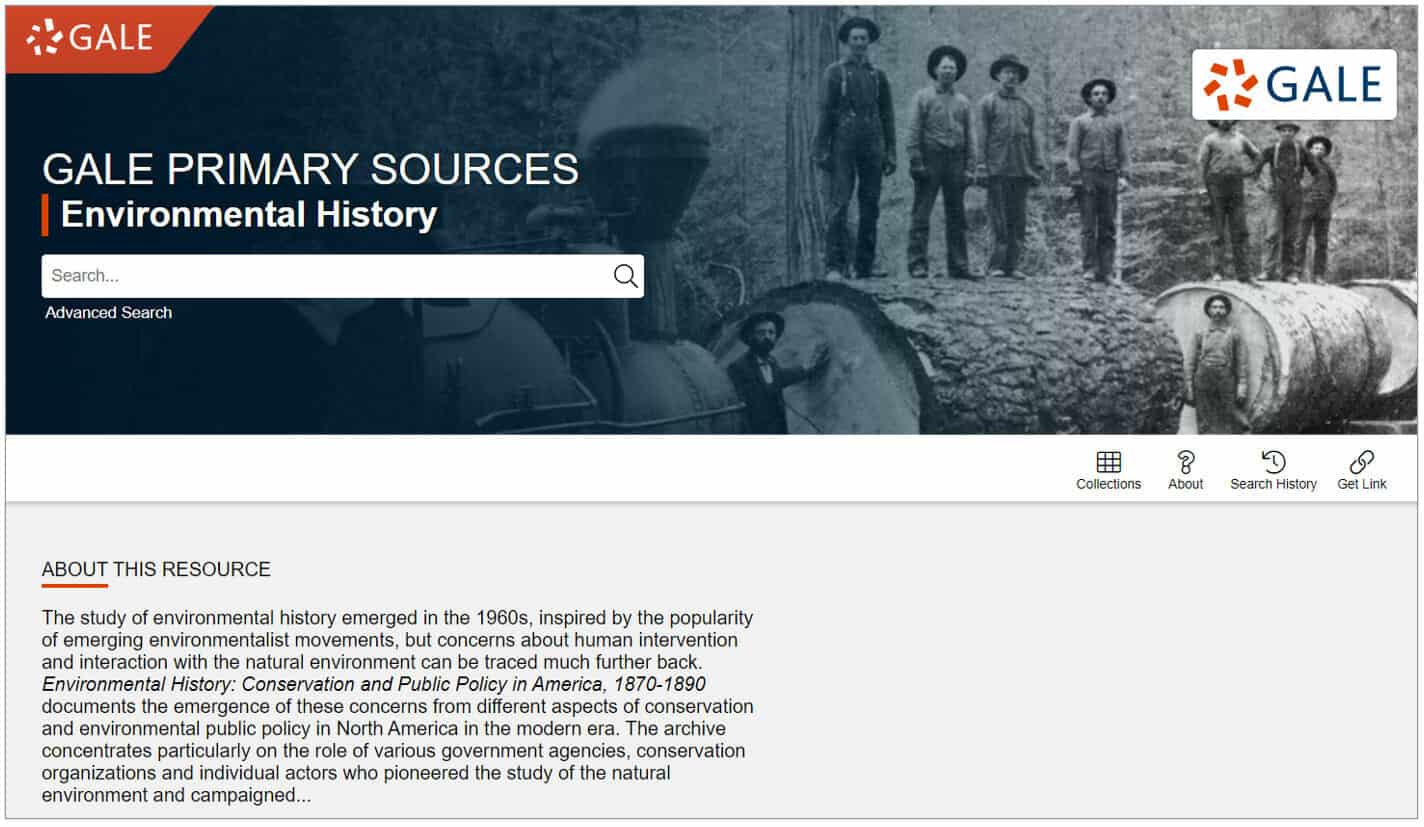
The First Module in Gale’s Environmental History Series – Conservation and Public Policy in America, 1870-1980

│By Lindsay Whitaker-Guest, Associate Editor│

In the summer of 2023, four alarming global climate records were broken: the hottest day on record globally; the hottest June on record; the warmest global ocean temperatures in May, June, and July; and the lowest recorded level of Antarctic sea-ice. One could not turn on the television or look at a news website without seeing images of harrowing wildfires in Europe, Hawaii and Canada or the devastating typhoon in East Asia. As I sat sweltering on a Sardinian beach during heatwave Charon in late July, my thoughts echoed those from all over the globe, is the Earth now in a climate crisis? And how did we get here?  

Read more

The Murder of Empress Myeongseong of Korea

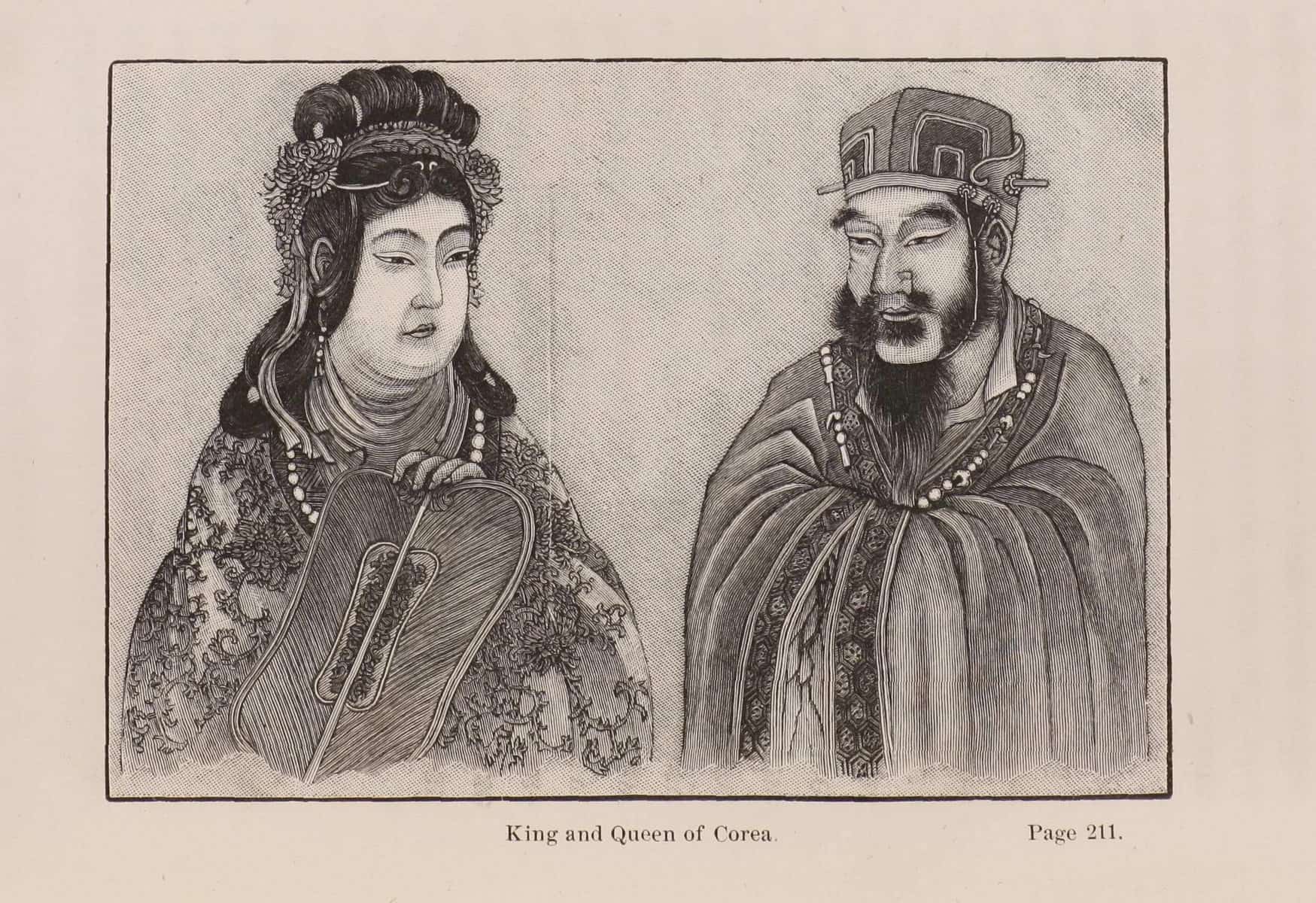
Kind and Queen of Corea

│By Emery Pan, Associate Development Editor│

In 2001, the Korean television series Empress Myeongseong became a massive hit in many Asian countries. Empress Myeongseong, also known as Queen Min [闵妃], was the wife of Gojong [高宗], the ruler of Korea from 1864 to 1907. Her real life, explored below using primary sources from the Gale archive China and the Modern World, was actually far more complicated and bloody than it appeared in the historical drama.

Read more

Introducing ‘Women’s Studies Archive: Voice and Vision’

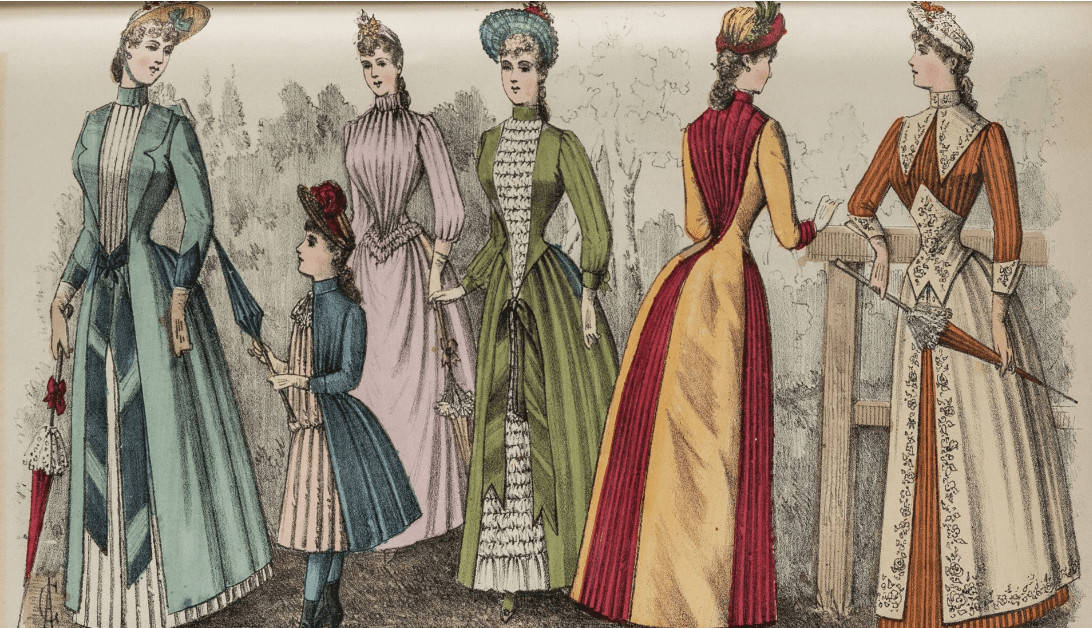
"The Latest Paris Fashions." Myra's Journal, 1 Apr. 1889. Women's Studies Archive

│By Rachel Holt, Gale Primary Sources Acquisitions Editor│

Rachel Holt is an Acquisitions Editor at Gale, working on the Gale Primary Sources portfolio. Managing the Women’s Studies Archive series, Rachel works closely with source libraries and other archival institutions around the world and tracks academic trends in Women’s and Gender Studies to ascertain which primary sources are required. In this blog post she answers the following questions about the new module, Voice and Vision:
  • What is in this new archive?
  • Why did Gale digitise these particular collections?
  • Why have we called the new instalment Voice and Vision?
  • Read more