| Dr Clare Horrocks, Associate Professor in Print Culture and Public Engagement, Liverpool John Moores University|
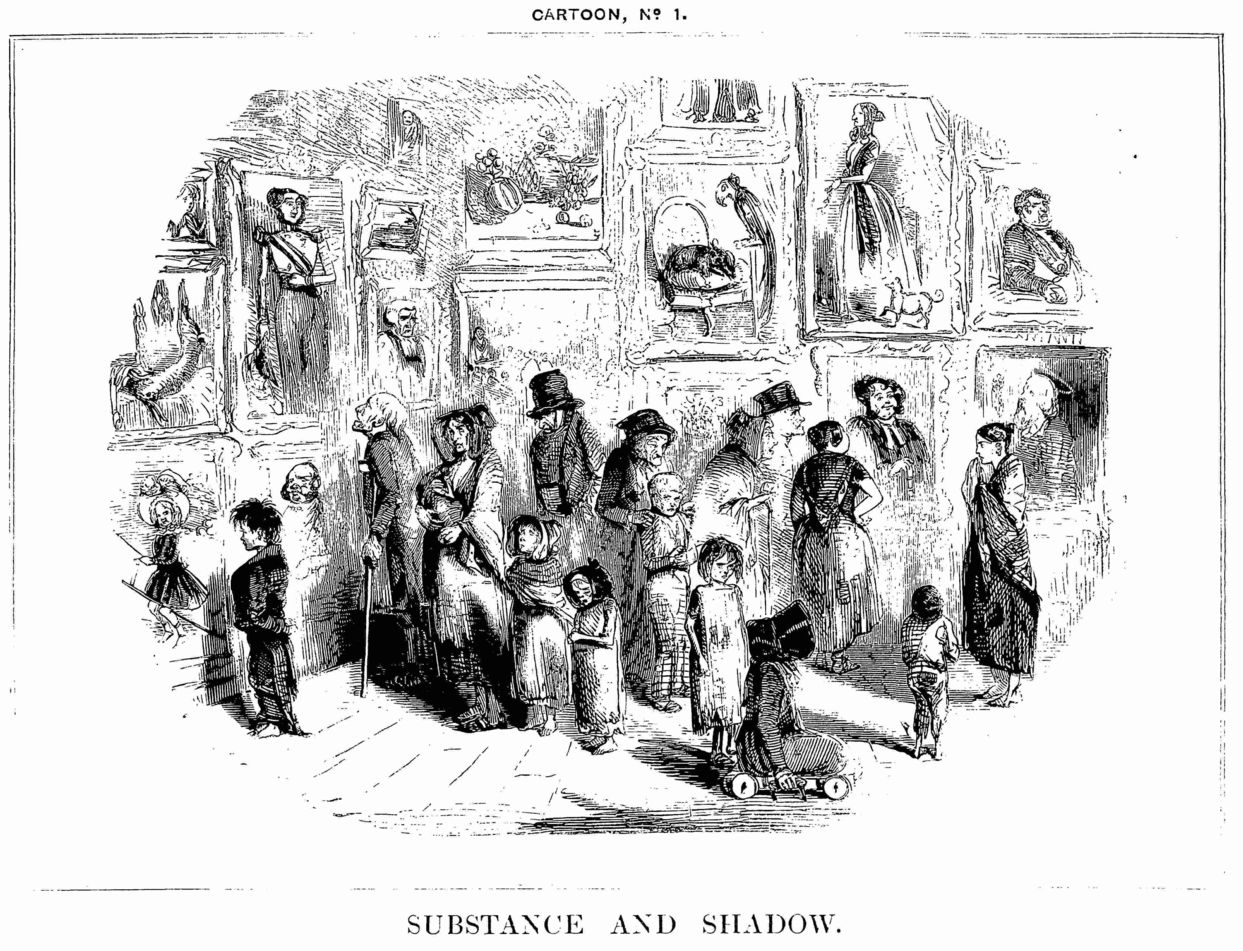
Do you have fond memories of sitting at the doctors or dentists and flicking through the latest copy of Punch? Have you ever wondered about the origin of satirical cartoons? The Punch Historical Archive can help those on a nostalgic journey, as well as students and scholars who use it as a gateway to illustrate the past. Published from July 1841, creating the first cartoon ‘Substance and Shadow’ in 1843 (see this blog post’s title image), Punch was the longest running satirical periodical, spanning two centuries. It paved the way for publications like Private Eye and its response to news and current affairs can be seen to have influenced many contemporary television shows like Have I Got News for You.
First published in 2014, the Punch Historical Archive was a pioneering contribution to the field of authorial attribution studies. Collaborating with the British Library, Punch Limited and Liverpool John Moores University, it combined digital precision and prowess with a keen understanding of the user experience. I was an Academic Advisor for the project, coordinating the transcription of the Ledgers and ensuring that, for the first time, readers of Punch would be able to identify those who wrote for the magazine. Some of these writers, like William Makepeace Thackeray and Douglas Jerrold, are already well known, but other contributors like P. G. Wodehouse and A. A. Milne less so.
This blog starts to look at some of the fantastic projects and discoveries that have arisen in the first ten years since the digital archive was produced. This year, 2026, also marks 185 years since Punch was first published, so it is also a good time to consider where the Punch archive may take us in the future.
periodicals
Solving the Third Condiment Mystery with Primary Source Documents
|By Kevin Kohls, Marketing Manager| The internet loves a good mystery. They allow content creators to put on their detective hats to try to determine fact from fiction and provide a real opportunity to answer questions that had previously been unknown. When I saw a YouTube video which mentioned the “Victorian third condiment mystery” earlier … Read more
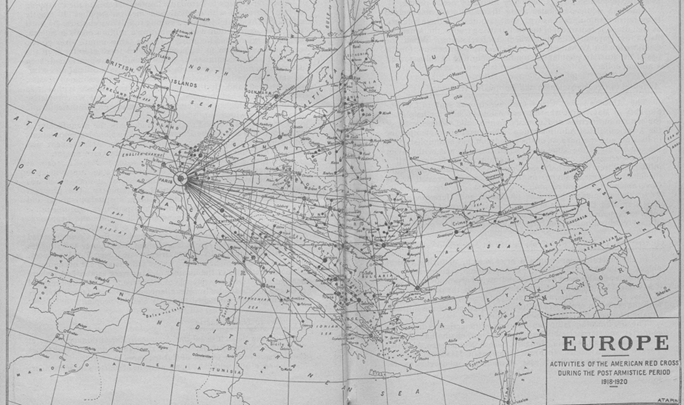
Global Development and Humanitarian Aid: The International Federation of Red Cross and Red Crescent Societies, 1919-1997
│By Clem Delany, Acquisitions Editor, Gale Primary Sources│
Like many people in the UK, my first experience of humanitarian appeals was through charity campaigns at school or through Blue Peter. The first one I strongly recall is sending care packages to Romania. Famine in Ethiopia and the need for wells in Africa also loom large in my memories of this era; if Matt Baker told me to give money I said how much (up to a limit of £2)?
Years later, studying history at University, I took a module on the Greek famine of 1941-1942. It was something I had known nothing about, illustrated with stark numbers of Axis requisitions, of the dead and the starving, and by accounts from survivors.
Primary sources for situations such as famines can be a real challenge for scholars; data is shaky, accounts are limited. Few people in a famine zone are there to count heads or write a dissertation; they are either struggling to survive the disaster or there to provide aid.
Seventeenth and Eighteenth Century Burney Newspapers Collection: Part II
│By Clem Delany, Acquisitions Editor, Gale Primary Sources│
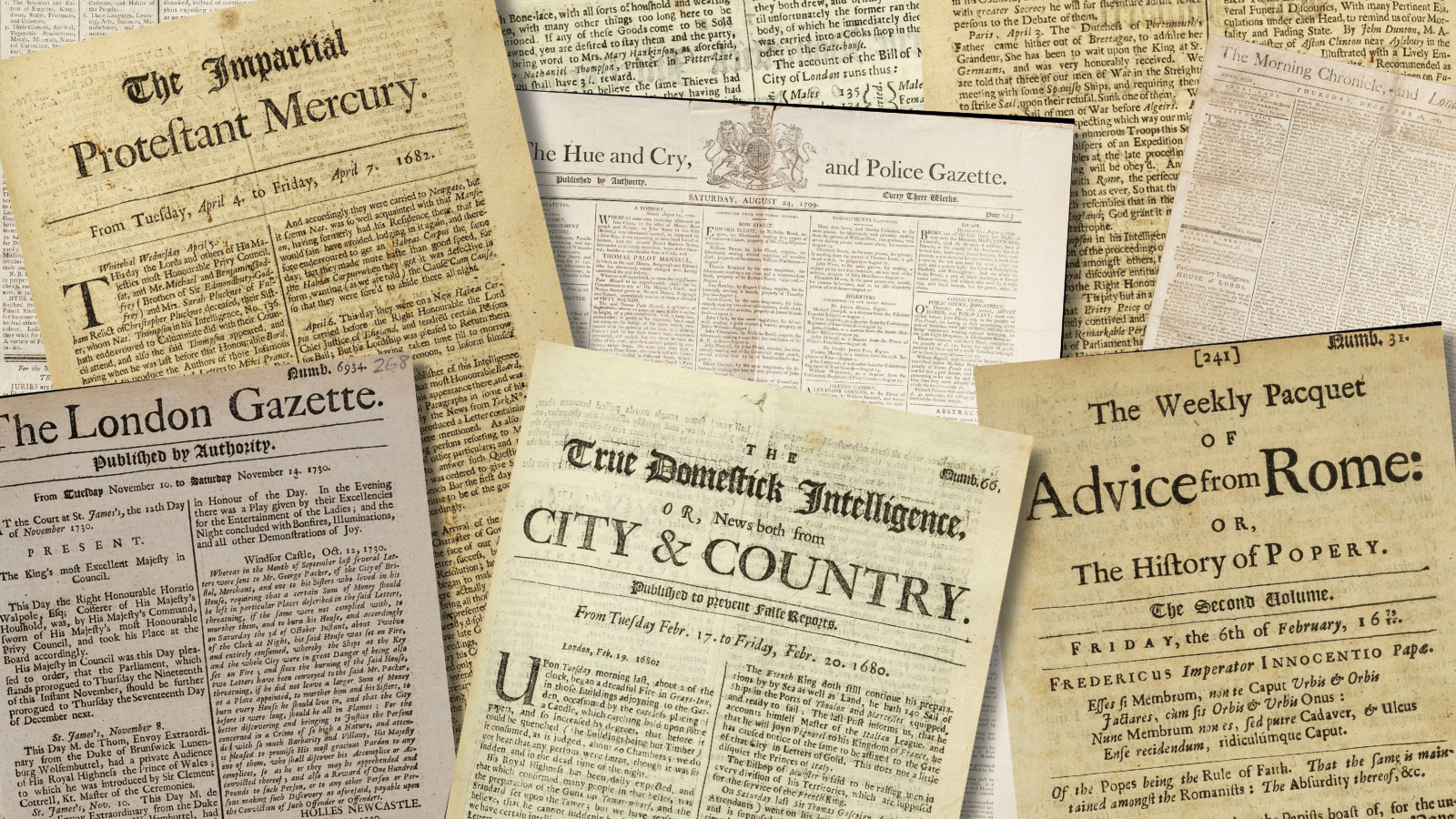
In December 2024, Gale Primary Sources released part two of Seventeenth and Eighteenth Century Burney Newspapers Collection, sourced from the British Library. Adding to the original, previously digitised collection of Reverend Charles Burney are an additional 200-odd titles of newspapers, newsbooks, and broadsheets from across the period.
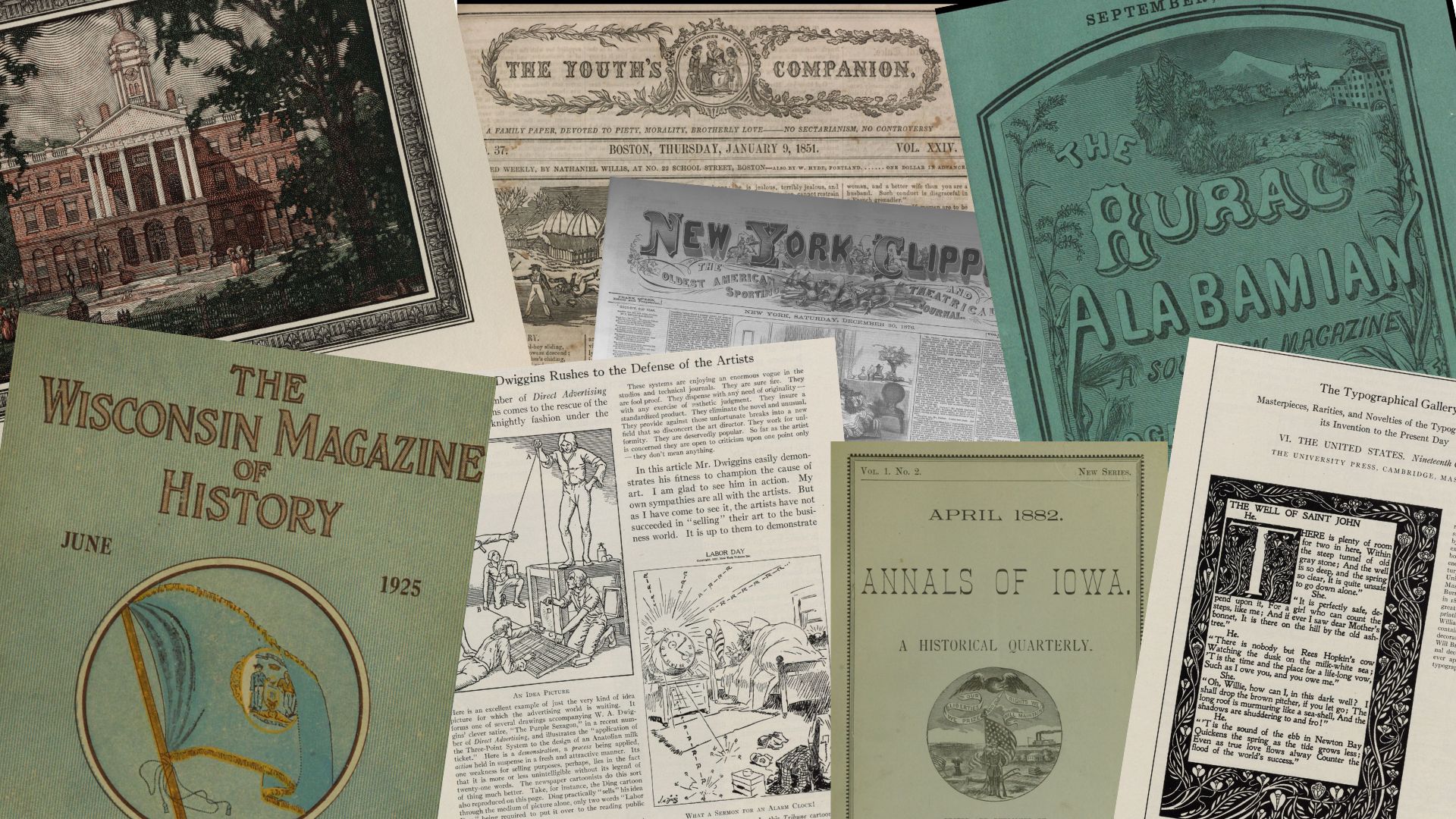
Exploring the History of America with American Historical Periodicals from the American Antiquarian Society
│By Philip Virta, Senior Acquisitions Editor│
What is the American Antiquarian Society and Where Did it All Begin?
Isaiah Thomas (not the basketball player) was a printer, publisher, and a patriot. He fought as a Minuteman at the battles of Lexington and Concord, and published the Massachusetts Spy in support of the American Revolution. Thomas appreciated information in all its printed formats (this was the early 1800’s, so no television, radio, internet, cell phones, etc.) and began to save what he could get his hands on. Eventually, in 1812, he founded the American Antiquarian Society to house his growing collection.
Finding Meaning in K-Means: Clustering Analysis in Gale Digital Scholar Lab
│By Sarah L. Ketchley, Senior Digital Humanities Specialist│
Of the six tools in Gale Digital Scholar Lab, clustering is often considered the most challenging methodology to interpret effectively. This blog post will explore the nature of this analysis tool and offer some tips for running an analysis.
An Interdisciplinary Treasure Chest: The Pacific Coast Counterculture Collection
│By Robert P. J. Cooney, Jr., Graphic Designer, Editor and Writer responsible for the Pacific Coast Counterculture Collection│
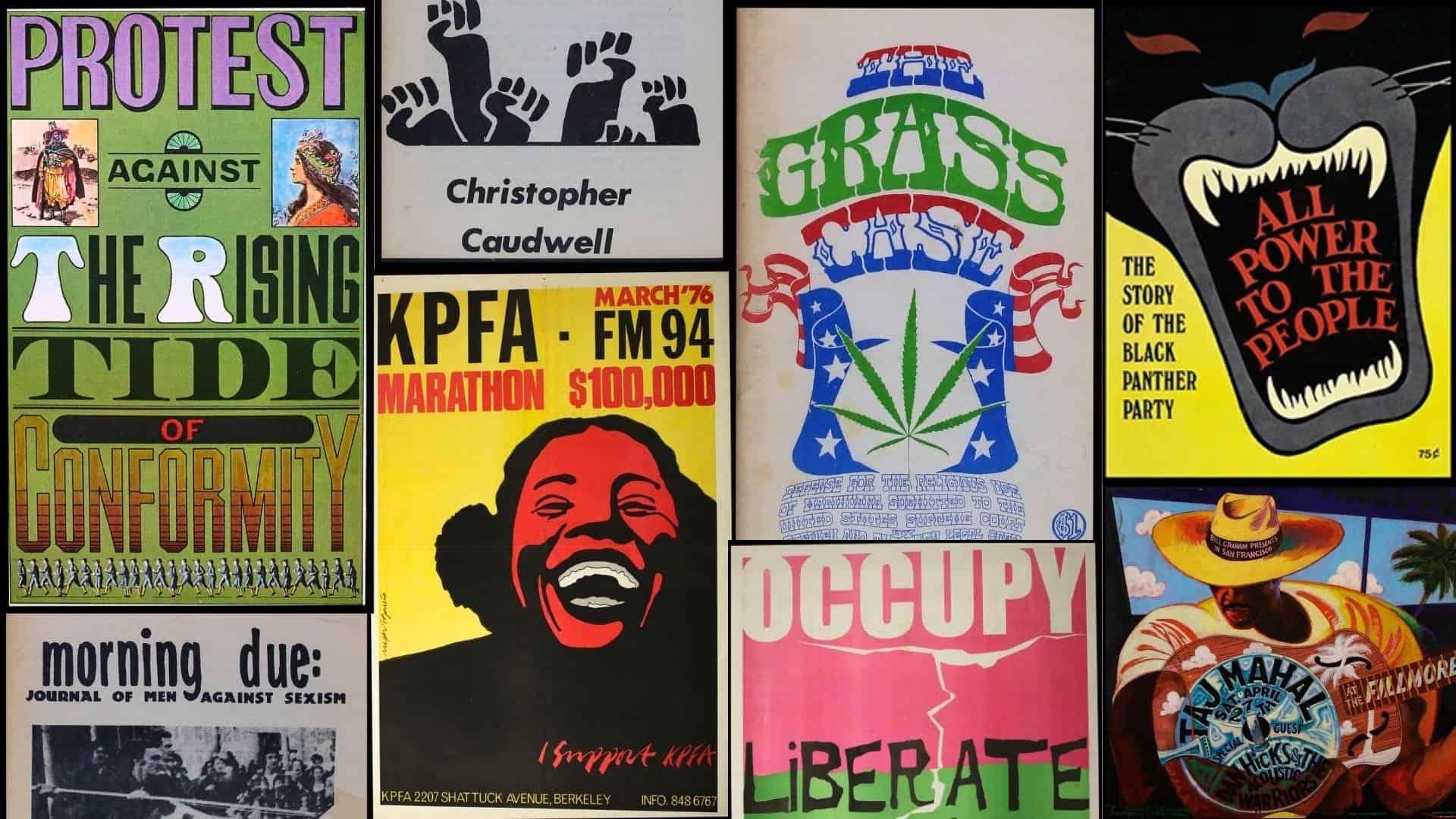
More than fifty years have passed since the rebellion of American youth during the 1960s that became known as the Counterculture. Now, this exciting and colourful movement is the subject of Gale Primary Sources’ Pacific Coast Counterculture Collection, which is part of their new digital archive Power to the People: Counterculture, Social Movements and the Alternative Press, Nineteenth to Twenty-First Century. The digital collection contains a unique mix of printed material – pamphlets, publications, periodicals and more – that captures the diversity, creativity and impact of individuals and small groups that emerged during this intense time.
Global Communist and Socialist Movements – The Third Instalment of Political Extremism and Radicalism
│By Emma Harris, Associate Editor, Gale Primary Sources│
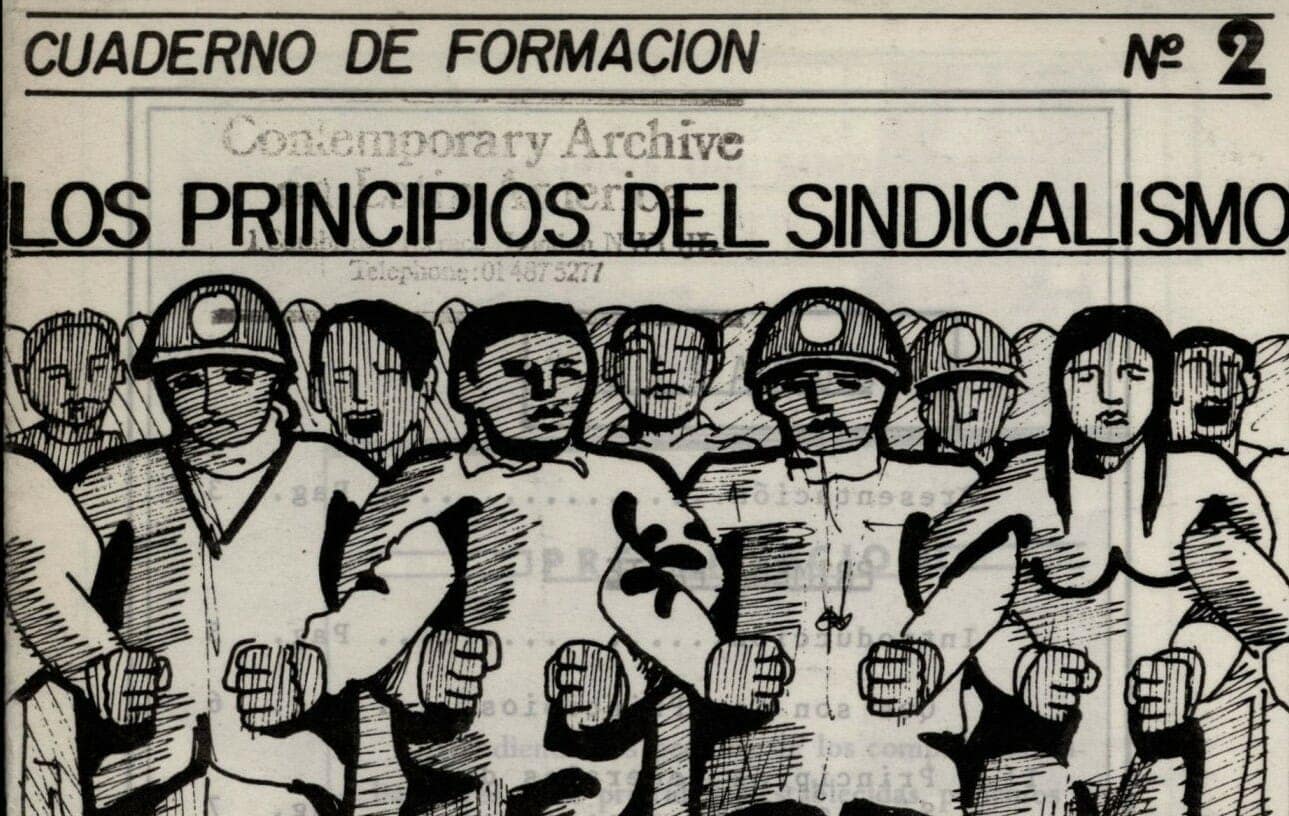
Global Communist and Socialist Movements is the third instalment of the award-winning Political Extremism and Radicalism series. For researchers interested in the workings of radical thinking, rhetoric, and twentieth century politics, this module offers a broad scope of material on left-wing thinking and political ideologies such as Marxism-Leninism, Maoism, Trotskyism, and anarchism, adding to the material on far-right groups and some areas of the far left already in the Political Extremism and Radicalism series.
This module provides excellent international coverage, including material from the USA, UK, Europe, Latin America, and South Africa. This grants researchers the opportunity to study the historical trajectories of left-wing radical movements across the globe, considering how these groups saw themselves, as well as the reactions of the capitalist nations in which they emerged. The twenty-one collections digitised from eight source libraries contain approximately 870,000 pages, with documents ranging primarily from 1880 to 1960.
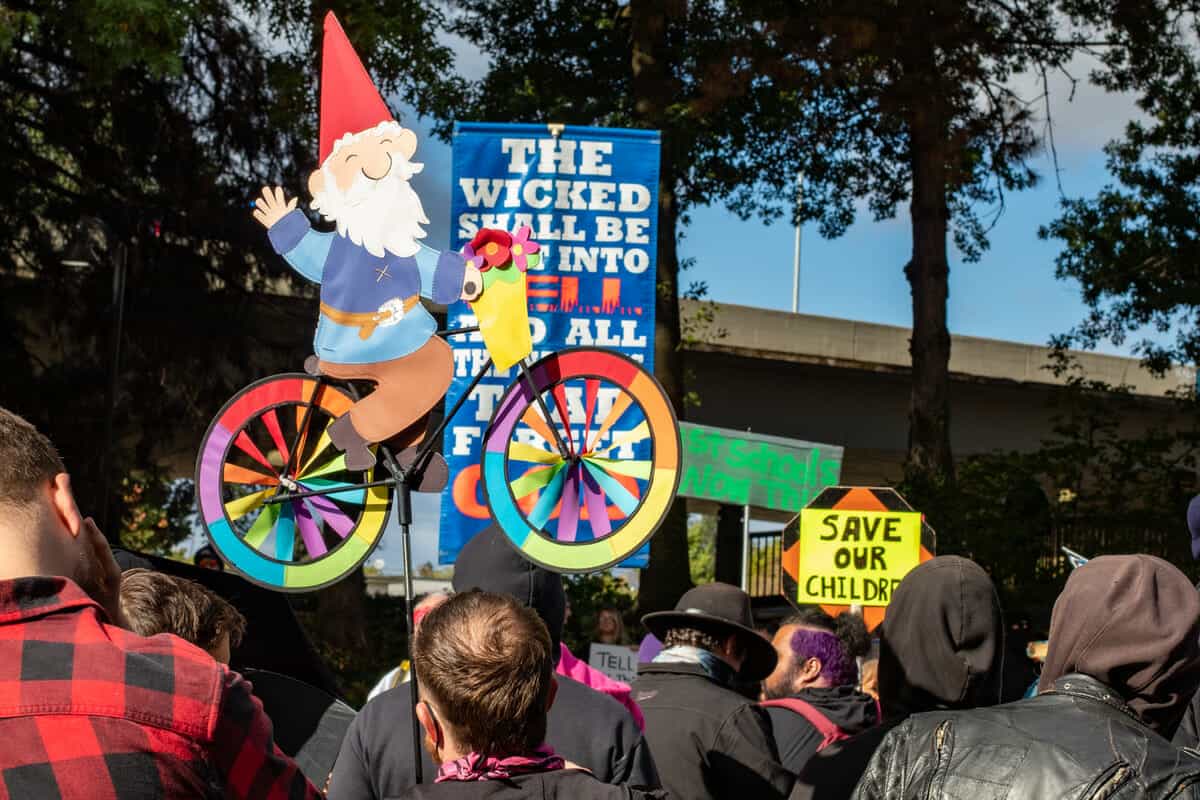
The Historical Context Behind Projections of the ‘Dangerous Drag Queen’ by the Far Right
Disclaimer: This blog post is written by an undergraduate student. Becca uses materials from Gale’s Political Extremism and Radicalism: Far-Right Groups in America archive which contains visual and textual material representing various historical viewpoints related to race, gender, sexuality, terrorism, and other subjects, including terminology and concepts that may be considered offensive by modern standards. … Read more
Using Archives Unbound to Explore the Agency of the Oppressed
│By Phoebe Sleeman, Gale Ambassador at Durham University│ As a historian, I have become increasingly aware of the power of archives to silence and oppress. Over the last few decades historians have been seeking to work against the grain of the traditional archive to uncover the agency of the oppressed, and some feminist historians have … Read more