When Fiction Becomes History: How Gone with the Wind Shaped America’s Memory of the Civil War

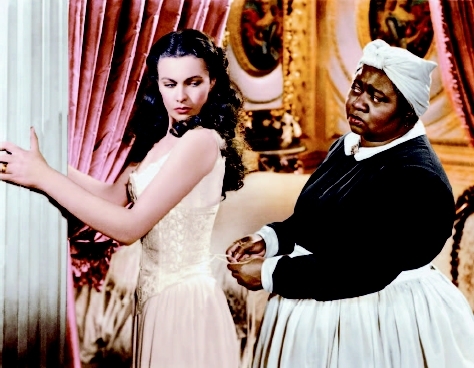
Vivian Leigh and Hatti McDaniel in Gone with the Wind
Gale is thrilled to run a competition with Nazarbayev Intellectual Schools, Kazakhstan, which gives students at schools within the group the chance to research and write about a topic of interest – and potentially get their work published! Students entering the competition make use of resources in Gale Reference Complete: Schools Edition – Ultimate. Below is the 2026 winner – congratulations Gulsezim Maratkyzy!

| By Gulsezim Maratkyzy, Grade 11 Student at NIS Shymkent |

Some history is written by historians. But the history people remember is often written by storytellers. In 1936, Margaret Mitchell published Gone with the Wind, a love story set in the American South during the Civil War (1861–1865), and in 1939 it became a film. Adjusted for inflation, that film is still the highest-grossing movie ever made, and the novel became America’s best-selling book of the twentieth century (Walton, 2022). For millions, this romance did not simply describe the past. Quietly, it replaced it.

In this blog post, I will use Gale databases to explore how Gone with the Wind shaped the way Americans remember the Civil War, tracing where the “Lost Cause” myth came from, how the novel and film presented it, and why so many people believed it. My argument is simple: the story did not invent this myth, but it gave it its most powerful form.
Read more

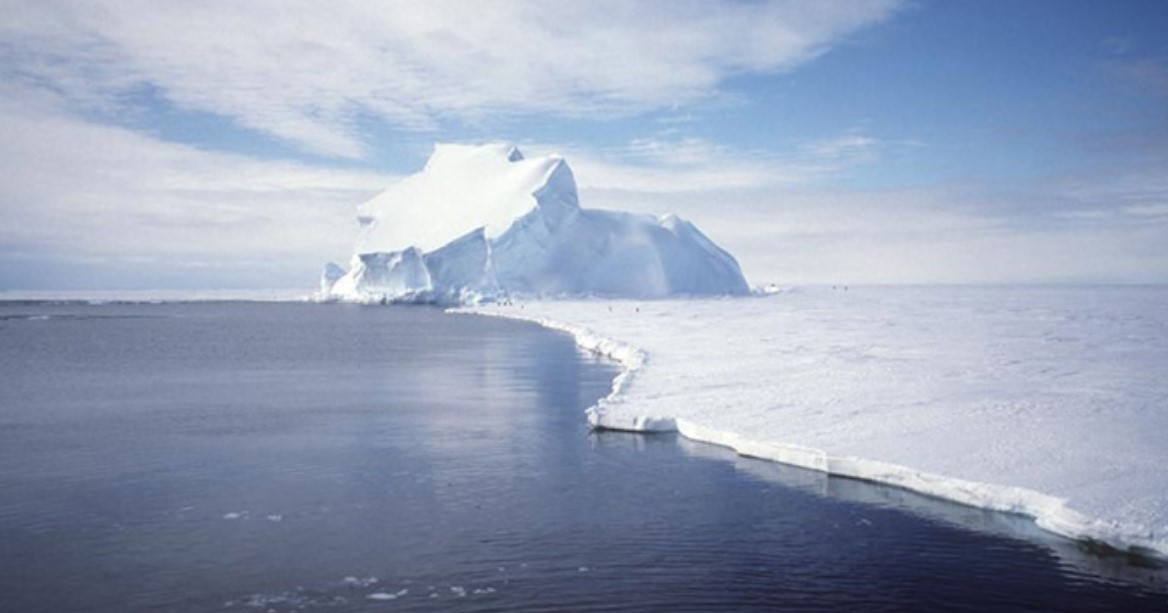
Terra Nullius: The Legacy of “The Land of No One”

│By Oralkhanova Alima, Year 11 Student at Nazarbaev Intellectual School in Semey, Kazakhstan│

In an era when concerns about overpopulation and scarcity of natural resources are rising, it may seem paradoxical that certain areas of land remain unclaimed and unwanted. Even today, when countries continue to engage in territorial disputes and conflicts, there still exist regions that have been ignored by the international community. To describe such territories, early international law introduced a specific term – terra nullius, a Latin expression meaning “the land of no one”. Although this term is no longer officially used, the concept of terra nullius continues to captivate people’s minds.

Read more

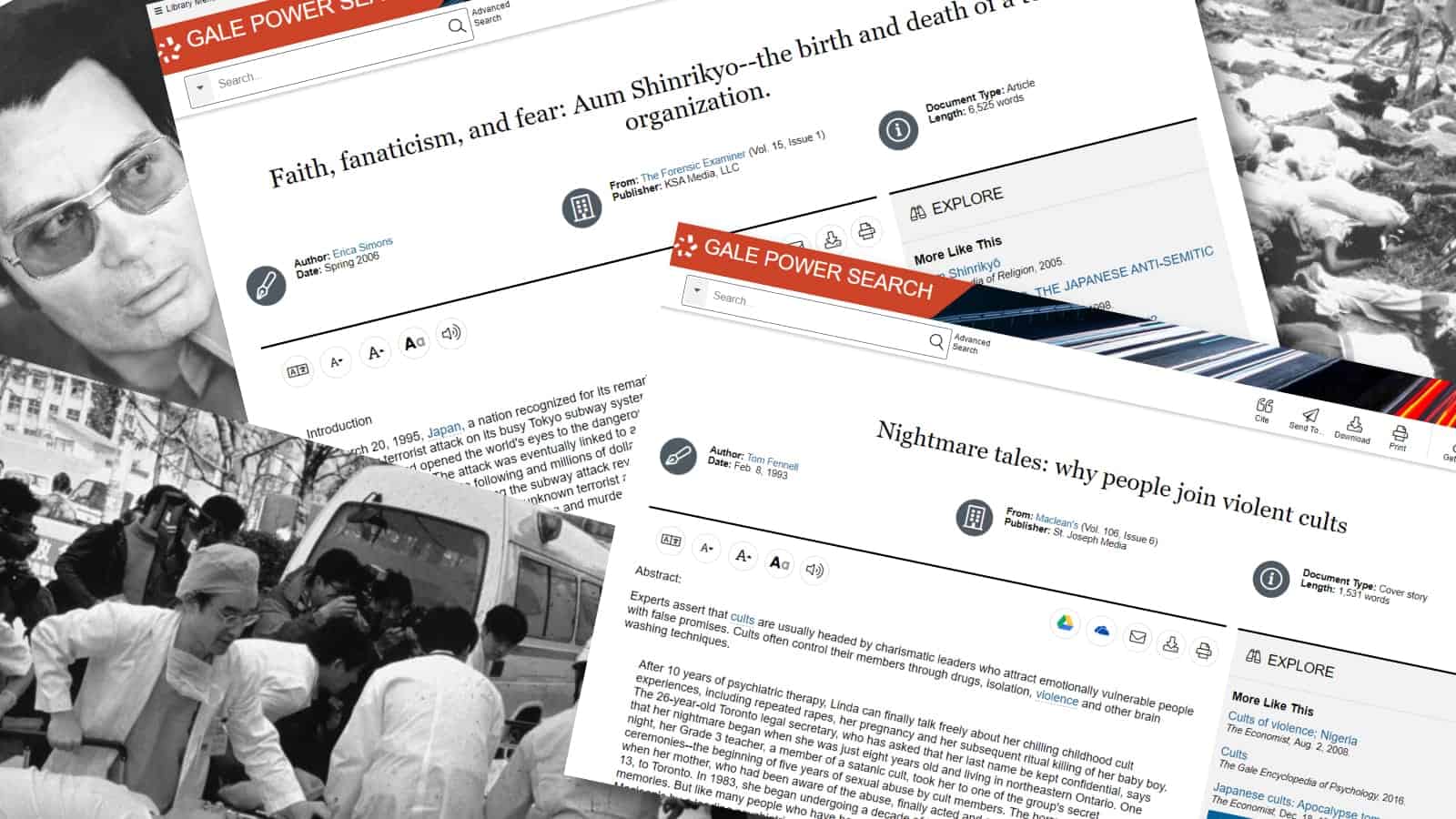
Researching Cults using Gale’s Online Resources

|By Rais Asylnaz, Year 11 Student at Nazarbaev Intellectual School in Pavlodar|

Throughout the years, cults have captured the attention of many people. Whenever cults are discussed it’s impossible to avoid talking about the controversies surrounding them. These organisations have sparked interesting debate as to why people engage with and end up involved in cults. In this blog post, I will explore cults’ characteristics, the psychology of those involved, and the reasons behind their appeal.

Read more

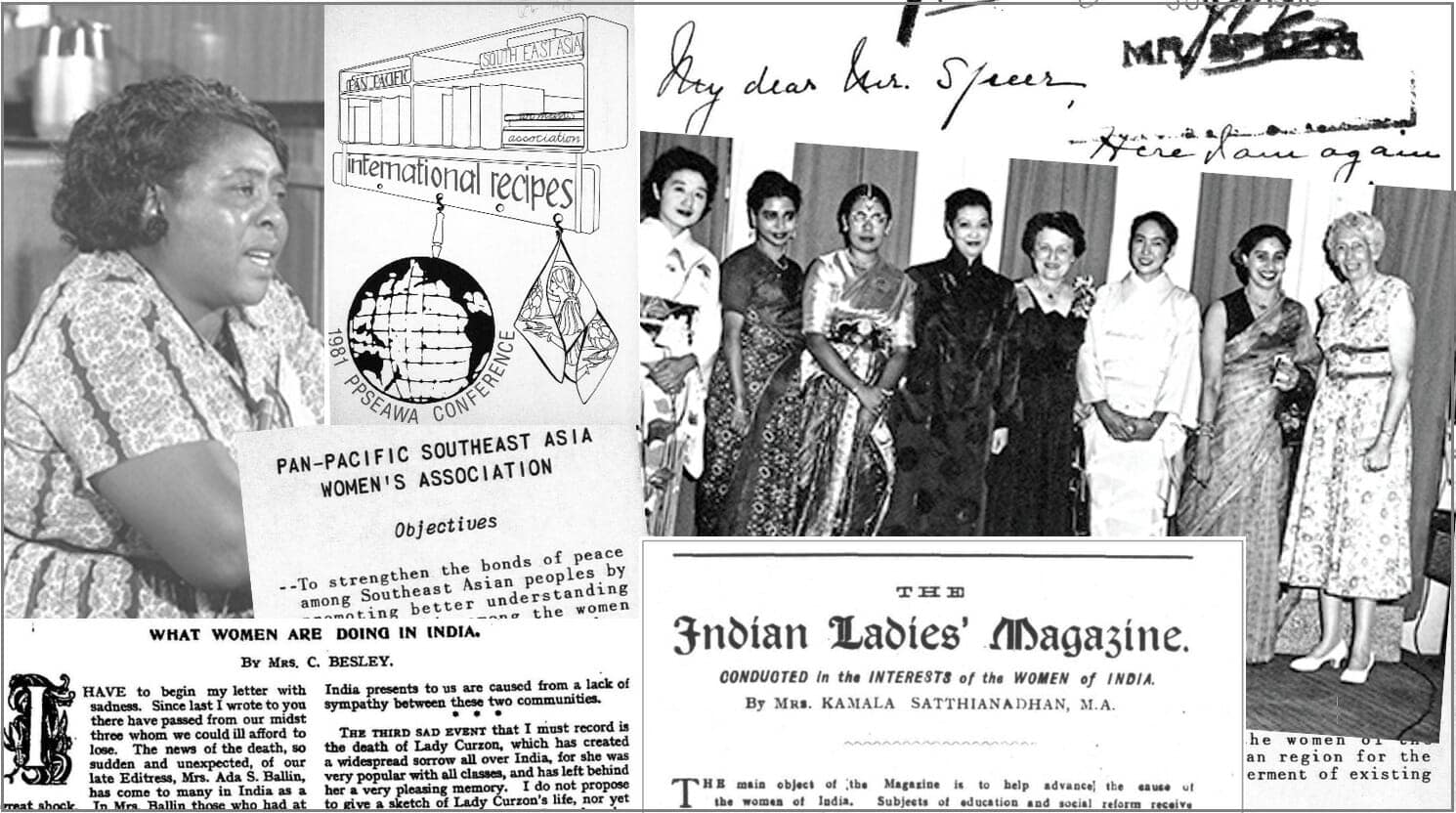
Using Archives Unbound to Explore the Agency of the Oppressed

Montage of images from this blog post

│By Phoebe Sleeman, Gale Ambassador at Durham University│ As a historian, I have become increasingly aware of the power of archives to silence and oppress. Over the last few decades historians have been seeking to work against the grain of the traditional archive to uncover the agency of the oppressed, and some feminist historians have … Read more

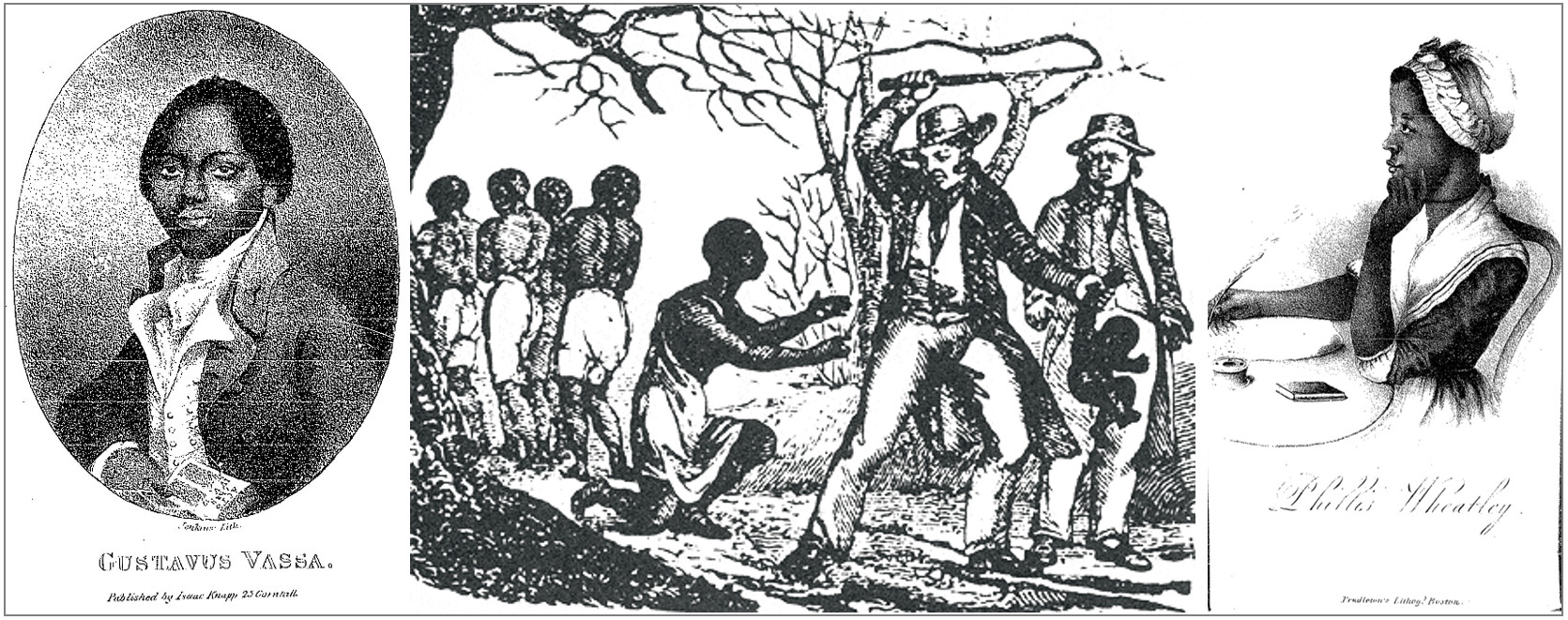
How Slave Narratives Give Voice to the Enslaved

Slave narratives header

│By Ellen Boucher, Gale Ambassador at the University of Bristol│

A source often overlooked in the study of the transatlantic trade in enslaved Africans is slave narratives. They are crucial to the work of decolonising the history of slavery because they allow us to remove the emphasis on those in power and give agency to enslaved persons. Gale’s Archives Unbound gives us access to many of these slave narratives, from the well-known stories of Olaudah Equiano and Harriet Jacobs to less well-known narratives of Martha Griffith Browne and Noah Davis.

Read more

New Name, Same Unique Package: Gale Research Complete

Gale Research Complete

|By the Gale Subscription Resources Team| Words have meaning and names have power. For Gale’s largest subscription package, both are true. That’s why as of April 1, 2022, Gale Access Program (North America) and Gale Reference Complete (International) will have one unified name: Gale Research Complete. Gale’s academic team has thoughtfully considered this name change to more accurately represent the … Read more