When Fiction Becomes History: How Gone with the Wind Shaped America’s Memory of the Civil War

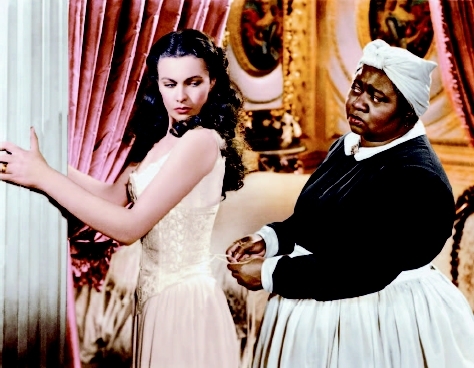
Vivian Leigh and Hatti McDaniel in Gone with the Wind
Gale is thrilled to run a competition with Nazarbayev Intellectual Schools, Kazakhstan, which gives students at schools within the group the chance to research and write about a topic of interest – and potentially get their work published! Students entering the competition make use of resources in Gale Reference Complete: Schools Edition – Ultimate. Below is the 2026 winner – congratulations Gulsezim Maratkyzy!

| By Gulsezim Maratkyzy, Grade 11 Student at NIS Shymkent |

Some history is written by historians. But the history people remember is often written by storytellers. In 1936, Margaret Mitchell published Gone with the Wind, a love story set in the American South during the Civil War (1861–1865), and in 1939 it became a film. Adjusted for inflation, that film is still the highest-grossing movie ever made, and the novel became America’s best-selling book of the twentieth century (Walton, 2022). For millions, this romance did not simply describe the past. Quietly, it replaced it.

In this blog post, I will use Gale databases to explore how Gone with the Wind shaped the way Americans remember the Civil War, tracing where the “Lost Cause” myth came from, how the novel and film presented it, and why so many people believed it. My argument is simple: the story did not invent this myth, but it gave it its most powerful form.
Read more

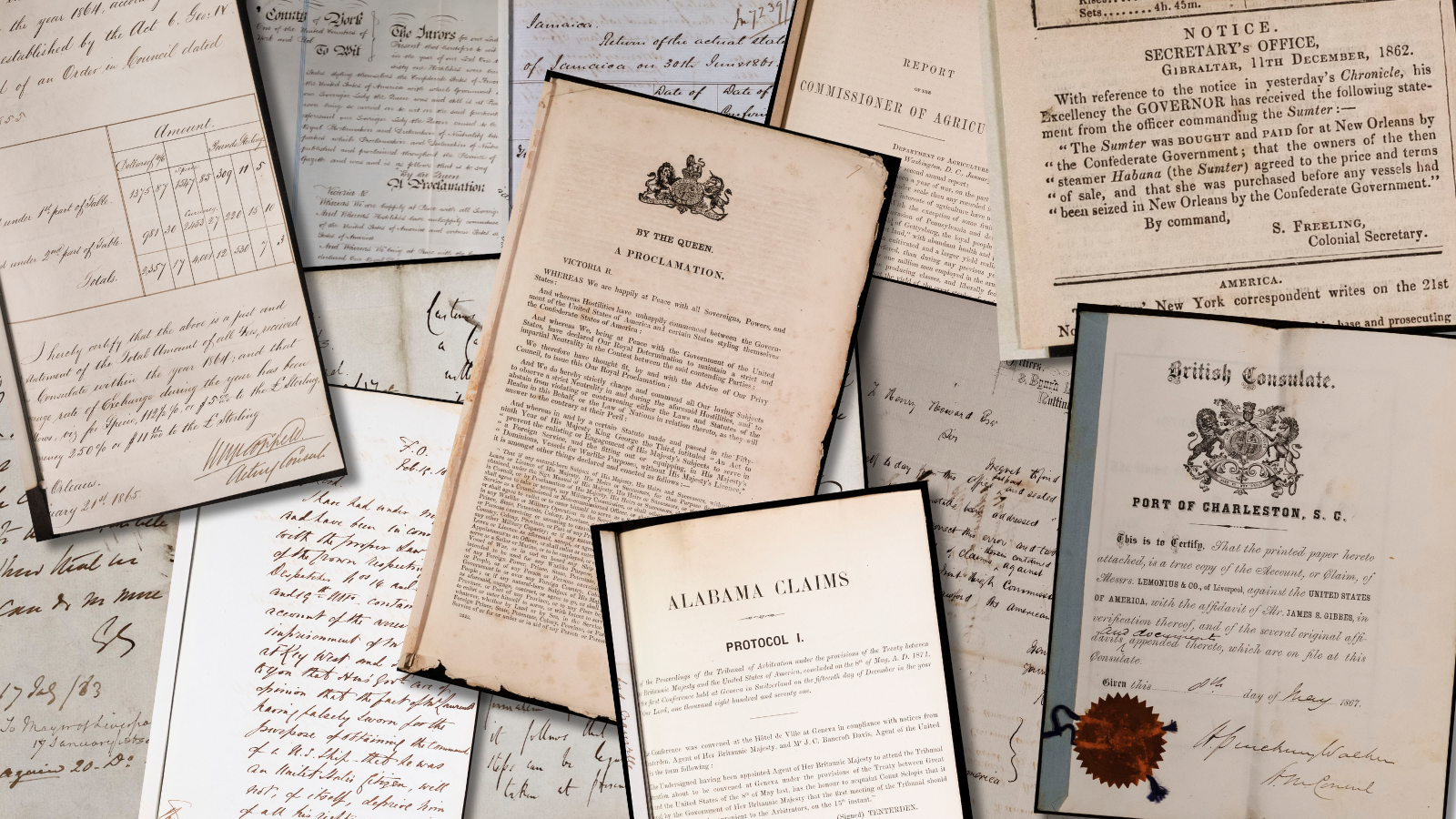
The American Civil War: The International Perspective – The First Digital Archive of Its Kind

│By Emma Harris, Associate Editor, Gale Primary Sources│

A fundamental topic in American history, the American Civil War (1861-1865) was a major event of the nineteenth century, not just in America but also in global politics, with ramifications for the future of slavery and ideas of popular, democratic government. Lecturers and researchers have increasingly been looking to study the war in its international context as the trajectory and outcome of the war impacted those beyond just America—especially in Europe.

Read more

A Peep into Finnish War History with Gale Primary Sources

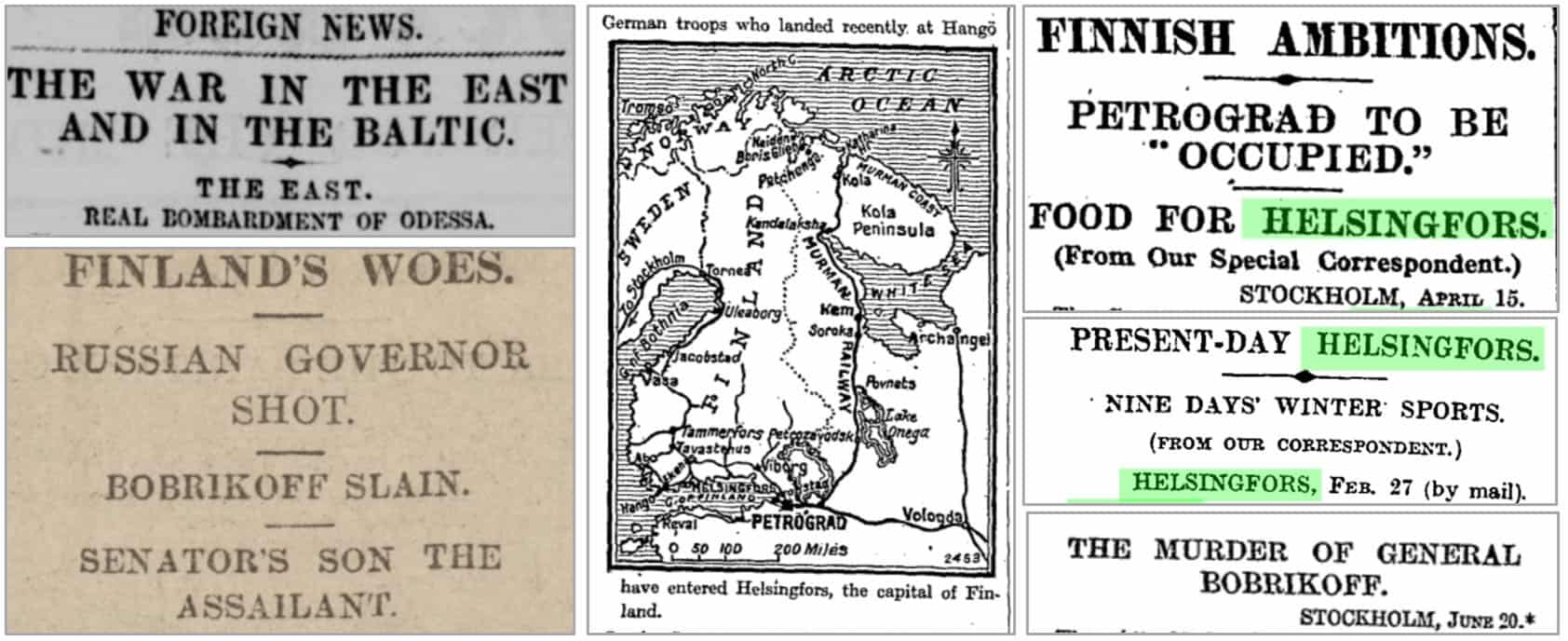
Montage of newspaper articles about Finland War History

│by Lotta Vuorio, Gale Ambassador at the University of Helsinki│

The current circumstances caused by the global pandemic have highlighted the importance of digital primary sources. In Helsinki, the university library has (in large part) physically shut its doors, but luckily there is a great deal of primary source material available in, for example, the digital collections of the National Library of Finland, and the Helsinki University Library also offers students and staff numerous digital collections which include several Gale Primary Sources archives. Gale Primary Sources is a treasure trove where one can find sources for various types of research.

One might initially think Gale Primary Sources is most suitable for research focusing on Great Britain or America, since the collections seem mostly focused on those areas. However, I wanted to find out if the platform could also be helpful when studying Finnish history! What I found, in short, was a highly interesting peephole into Finnish War History before the Second World War. I have not specialised in Finnish nor War History in my own research, but I was curious to examine coverage of Finland, and Helsinki especially. So, let’s see the results of my brief exploration!

Read more

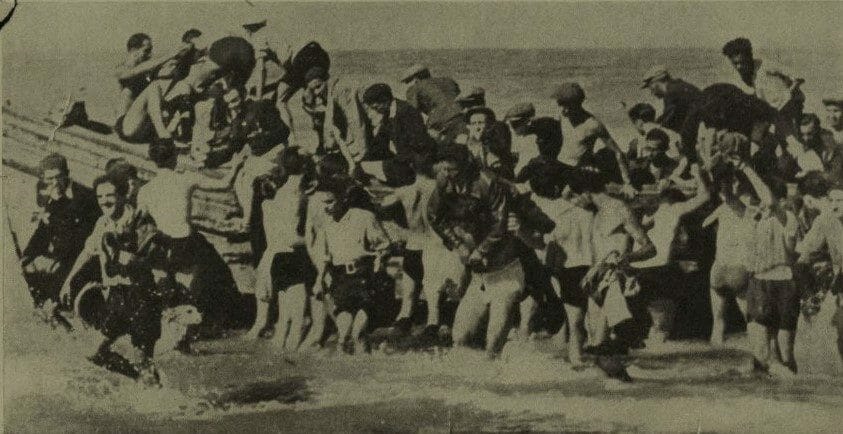
Humanity and Courage: Refugees and the Memory of Those Who Saved Them

Refugees leave a life boat

│By Rebecca Bowden, Associate Acquisitions Editor, Gale Primary Sources│

By the end of 2018, the UN reported that an unprecedented 70.8 million people had been forced from their homes by conflict and persecution. Since its start on 15 March 2011, the Syrian Civil War has caused nearly 6.7 million Syrians to become refugees, with another 6.2 million people displaced within Syria. At the same time, the number of refugees from across North Africa increased significantly with the Arab uprisings of 2011. Additional refugee crises arose throughout the 2010s – although there has been little reporting on the subject, such as the over four million Venezuelans who have left their country since 2014. Most recently, there has been the much better covered flight of 900,000 Rohingya to Myanmar. Modern warfare, internecine strife, economic disruption and now climate change have both accelerated the number and exacerbated the breadth of refugee crises, impacting governments and straining international relations.

Read more

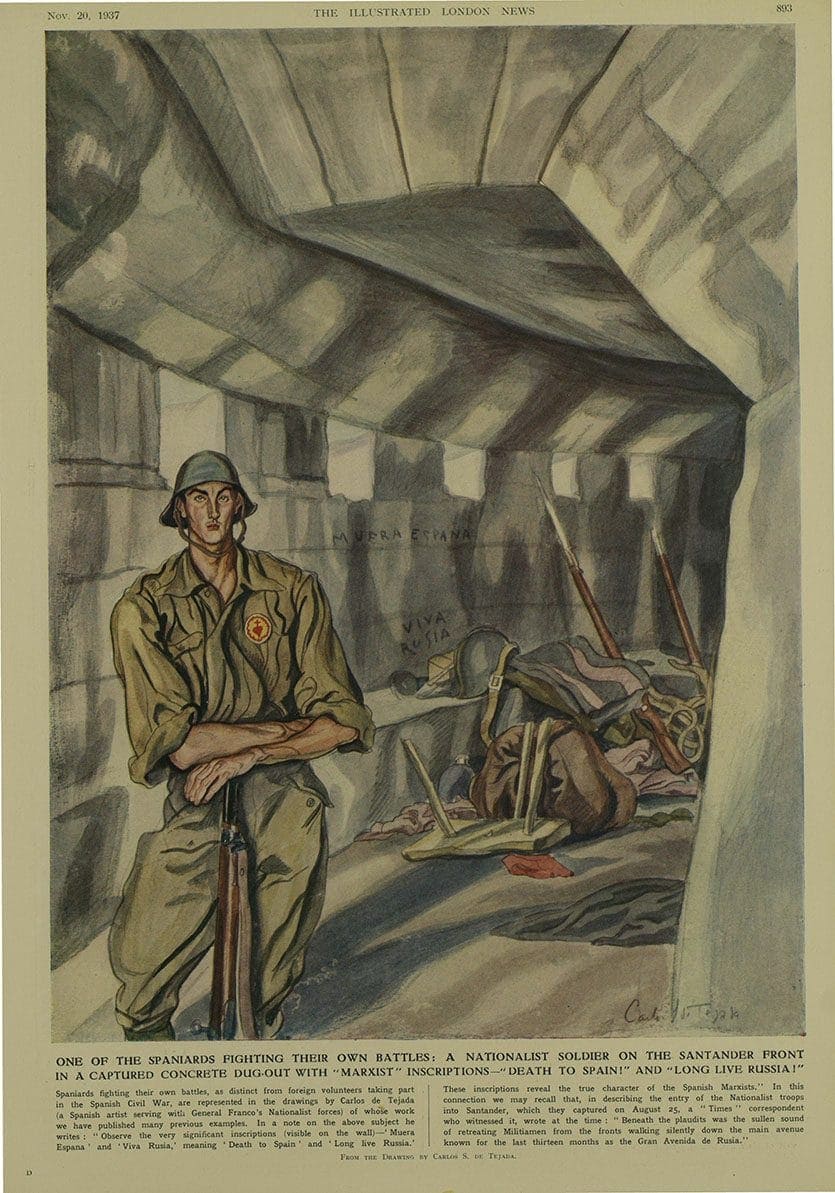
Soviets and the Spanish Civil War

By Rory Herbert, Gale Ambassador at the University of Portsmouth

Rafael Merry del Val (1865-1930) remarked in his manuscript on the Spanish Situation, written for Chatham House and accessed via Gale’s online archive, that Lenin viewed Spain as imperative to the eventual success of the Bolshevik revolution [1]. It should come as no surprise then that both prior to and following the outbreak of the civil war, the Soviet Union maintained a great interest in the outcome of this nation.

Read more