
| By Gulsezim Maratkyzy, Grade 11 Student at NIS Shymkent |
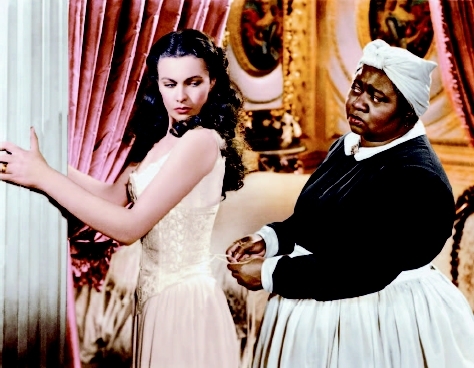
Some history is written by historians. But the history people remember is often written by storytellers. In 1936, Margaret Mitchell published Gone with the Wind, a love story set in the American South during the Civil War (1861–1865), and in 1939 it became a film. Adjusted for inflation, that film is still the highest-grossing movie ever made, and the novel became America’s best-selling book of the twentieth century (Walton, 2022). For millions, this romance did not simply describe the past. Quietly, it replaced it.
In this blog post, I will use Gale databases to explore how Gone with the Wind shaped the way Americans remember the Civil War, tracing where the “Lost Cause” myth came from, how the novel and film presented it, and why so many people believed it. My argument is simple: the story did not invent this myth, but it gave it its most powerful form.