The University Experience – Before, During and After the Pandemic

Empty Lecture theatre

│By Juha Hemanus, Gale Ambassador at the University of Helsinki

Many within the university community have faced significant challenges as a result of the pandemic. As a student myself, I’m aware that new difficulties have arisen, be it access to resources or the more isolating study experience. If university is to continue being a productive and stimulating experience for all students it is vital to consider, understand and question how learning practices have changed, what the impacts have been, and what can be done to help students and teachers in the future.
Read more

Teaching with Eighteenth Century Collections Online

Primary Source image combined with female using laptop and writing on paper.

│By Julia de Mowbray, Publisher at Gale│

Now Eighteenth Century Collection Online (ECCO) is approaching its eighteenth birthday, and has been significantly upgraded, with a focus on enhancing ECCO’s user-friendliness as a teaching and student-learning resource, it seems an apt time to see what evidence there is for its use in teaching and student learning. Plus, with more of the students’ learning experiences moving online, to platforms such as Zoom for lectures, seminars and tutorials, and to online e-resources for primary and secondary source materials, what can be learned from past use of ECCO as a teaching tool, and how can this be applied in a remote learning environment?

Read more

How can pandemic literature help us reflect on the virus and a post-Covid future?

Cinema sign: "The World is temporarily closed"

│By Lily Cratchley, Gale Ambassador at the University of Birmingham|

‘No more diving into pools of chlorinated water…no more airplanes, no more requests to put your tray table in the upright and locked position…’ 1

If someone had told me last February that in a year’s time, I would be attending 9am lectures in pyjama bottoms, wearing a mask every time I popped to the corner shop for a much-needed bottle of wine, and would be reduced to “tiers” instead of “tears” during winter exam season, then I would have thought them crazy. However, that pretty much sums up my experience of online learning in my final year of university!

In a second year Dystopian Literature module at the University of Birmingham, I studied Emily St. John Mandel’s novel Station Eleven. The novel, set twenty years after a global pandemic, depicts a post-apocalyptic world, which wiped out ninety percent of the world’s population. Despite Mandel’s heavily dramatized content, her writing somewhat prepared me for the long term impacts this current pandemic might potentially cause.

Read more

Pandemic Perspectives – Interview with Madi, student at National University of Ireland, Galway

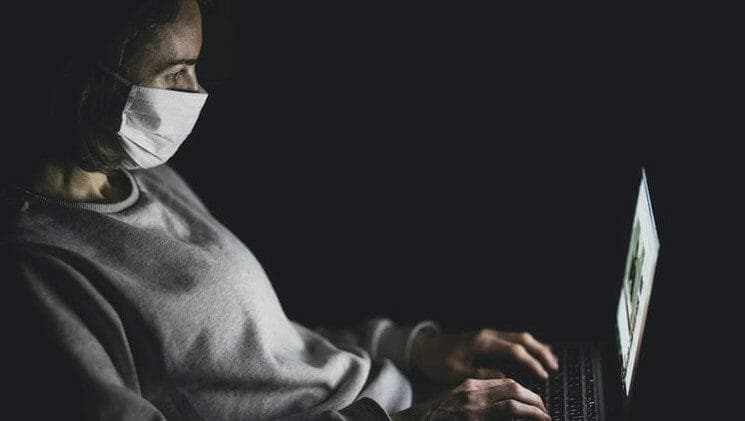
Person on laptop wearing a mask

│By Evelyn Moran, Gale Ambassador at the National University of Ireland, Galway│ Evelyn conducted the following interview with Madi, also a student at the National University of Ireland, Galway, in early 2021. Madi explains the difficulties and challenges she’s experienced studying during the pandemic, and outlines how it’s affected her studies as well as wider … Read more

Stories from the Jacobite Court in Exile: Sir David Nairne and his daughter, Lady Ramsay

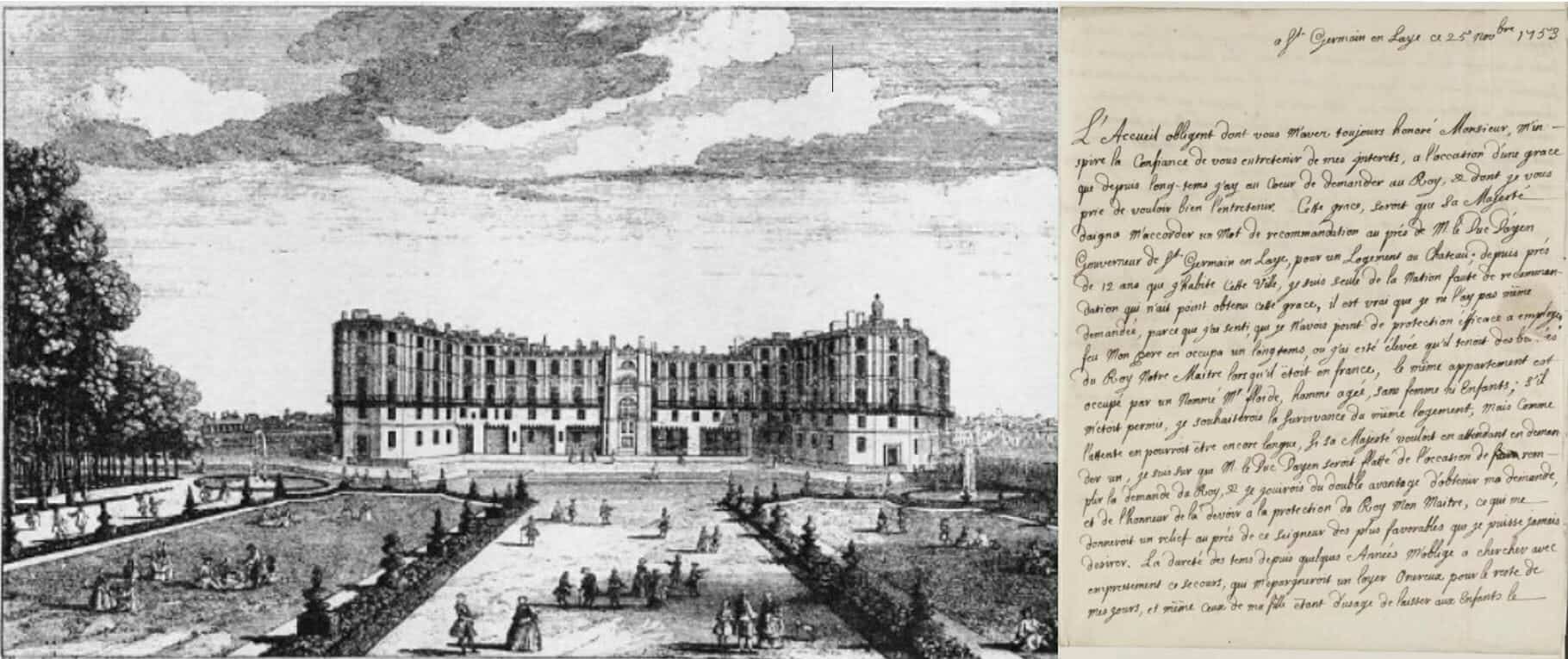
Jacques Rigaud, Vue du Vieux Chateau de St Germain en Laye, engraving, 1725, and letter from Marie Ramsay to James Edgar

│By Edward Corp, retired Professor of British History at the Université de Toulouse│

A couple of years ago I published a biography of Sir David Nairne.2 He worked in the political secretariat of the Stuart court in exile for thirty years (1689-1728), and the Stuart Papers contain a great many letters written by him or to him during that period. I read and used those letters, and also consulted a private diary that he kept during the first half of that period. Unfortunately the diary comes to an end in 1708, and there was one thing that I was never able to discover. It might seem unimportant in itself, but it is significant in the context of a biography.

Read more

My Top 10 Tips to Ace Your Dissertation

Man working on laptop outdoors, holding papers, looking like he's achieved something.

│By Emily Priest, Gale Ambassador at the University of Portsmouth│

Being a student and working from home in the middle of a pandemic can be hard, and it can be even harder when you have your final dissertation looming. But, despite how challenging things seem, there are a few key things you can do to ease your anxiety and make your work dazzle! Here are ten of my top tips for writing your dissertation whilst studying from home during the pandemic. Tweet us @GaleAmbassadors if they work for you – and share if you have any special dissertation or essay-writing tricks of your own!

Read more

Using Primary Sources in Revision and Exam Preparation

Student sitting on bed studying with books and laptop

│By Ellen Grace Lesser, Gale Ambassador at the University of Exeter│

Studying a Humanities or Social Sciences subject might seem almost entirely focused on coursework, essays and, of course, the dissertation, but we are not entirely free from exams. At university level you are not “taught to the test,” meaning exams are more sophisticated than just regurgitating everything you’ve learned that term. You may end up feeling a little lost when revising for your exams, but there is hope! Not only have your lecturers taken every care to prepare you, you might find some helpful resources among online primary sources. Read on to find out more!

Read more

Can Digital Humanities teach us more about Political Extremism?

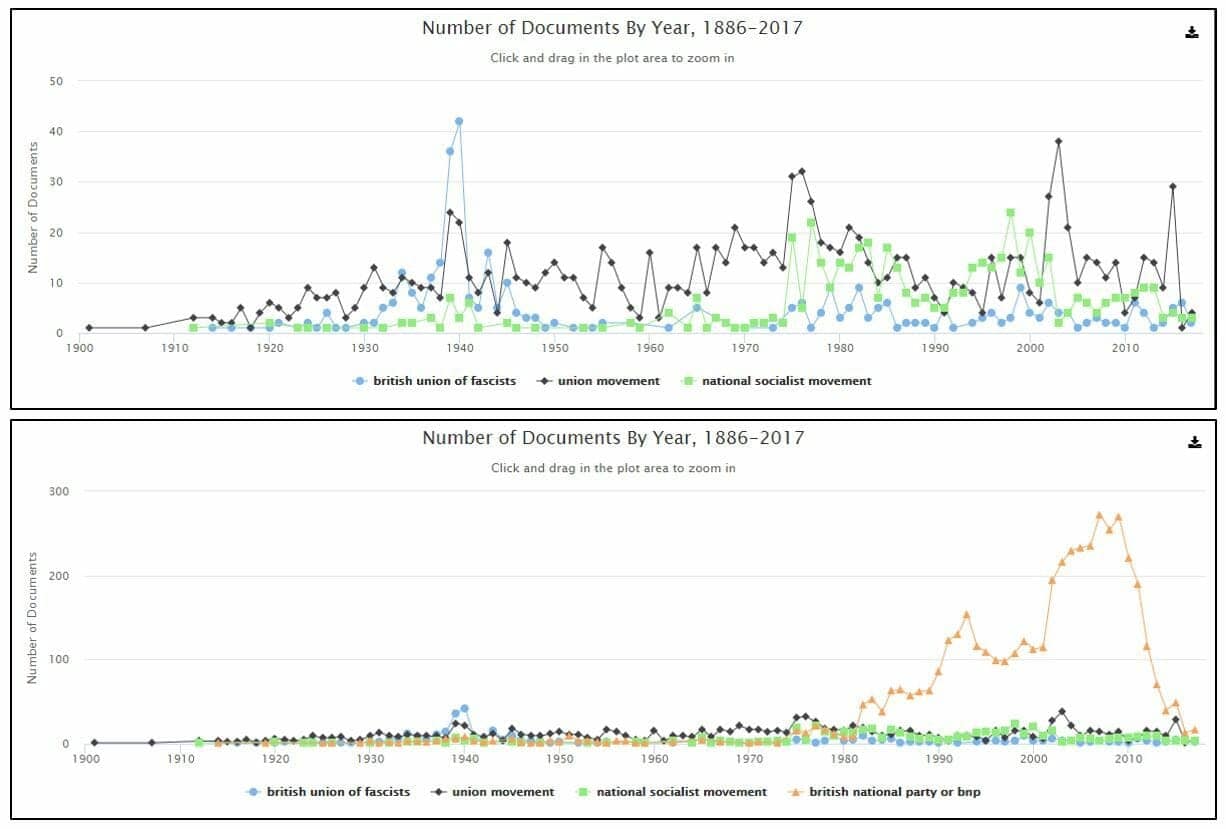
Graphs generated by Gale Primary Sources Term Frequency tool

│By Chris Houghton, Head of Digital Scholarship, Gale International

Studying extremist groups has, sadly, never been more relevant or more important. Can text mining and data analysis be used to enhance this study, and potentially make discoveries that could help with the ongoing fight against political extremism? In this blog, I provide some suggestions of how scholars might benefit from utilising these research methods, by showing what can be uncovered by combining Gale’s Political Extremism and Radicalism archive with the Gale Digital Scholar Lab.

Read more

Misanthrope or Friend of Man? Revising the Byronic Hero with Gale Primary Sources

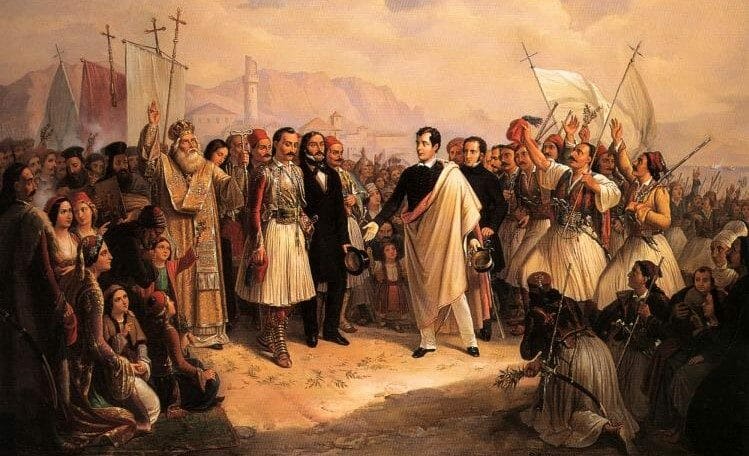
The reception of Lord Byron at Missolonghi by Theodoros Vryzakis

By Harry Walker, Gale Ambassador at the University of Birmingham

“I stood among them, but not of them.” This famous quote is from Lord Byron’s poetry and one which formed the basis of the discussion in my final essay at university. The line is taken from his early work, Childe Harold’s Pilgrimage, and has come to epitomise the “Byronic hero’s” attitude towards sociability for posterity, portraying him as a misanthropic, isolated figure. My essay argued that the idea of the “Byronic hero” as a misanthrope was more complex than this quote in isolation would suggest. My essay was naturally, being a literature essay, focused on the manifestation of this idea in his poetry. However, it was useful to support my argument with contextual details about his own social life, seeing as the “Byronic hero” is semi-autobiographical. This is where I found Nineteenth Century Collections Online and Gale Literature: Dictionary of Literary Biography to be instrumental. This blog post shows how I used these great resources to support my argument.

Read more

Platform or Publisher? The debate is older than you might think.

Photo of laptop showing YouTube
The articles linked to in this post may contain images and language that some may find distressing. Any opinions stated in the articles are those of the authors. All articles are from The Daily Mail Historical Archive add-on module (2005-2016).

│By Kyle Sheldrake, Strategic Marketing Manager – Insights and Development│

Social media and other platforms have greatly increased the ability to spread misinformation and promote division. To many people, demands for platforms such as YouTube and Facebook to take such responsibility may seem relatively new. Many would link it to the rise (or should we say wider public awareness) of “fake news,” hate speech, deliberate misinformation and political bias in the wake of Brexit and questions around Donald Trump’s 2016 election victory.

But is this a recent phenomenon, or has it been an ongoing part of YouTube’s history?

Read more