│By Georgia Winrow, Gale Ambassador at Lancaster University│
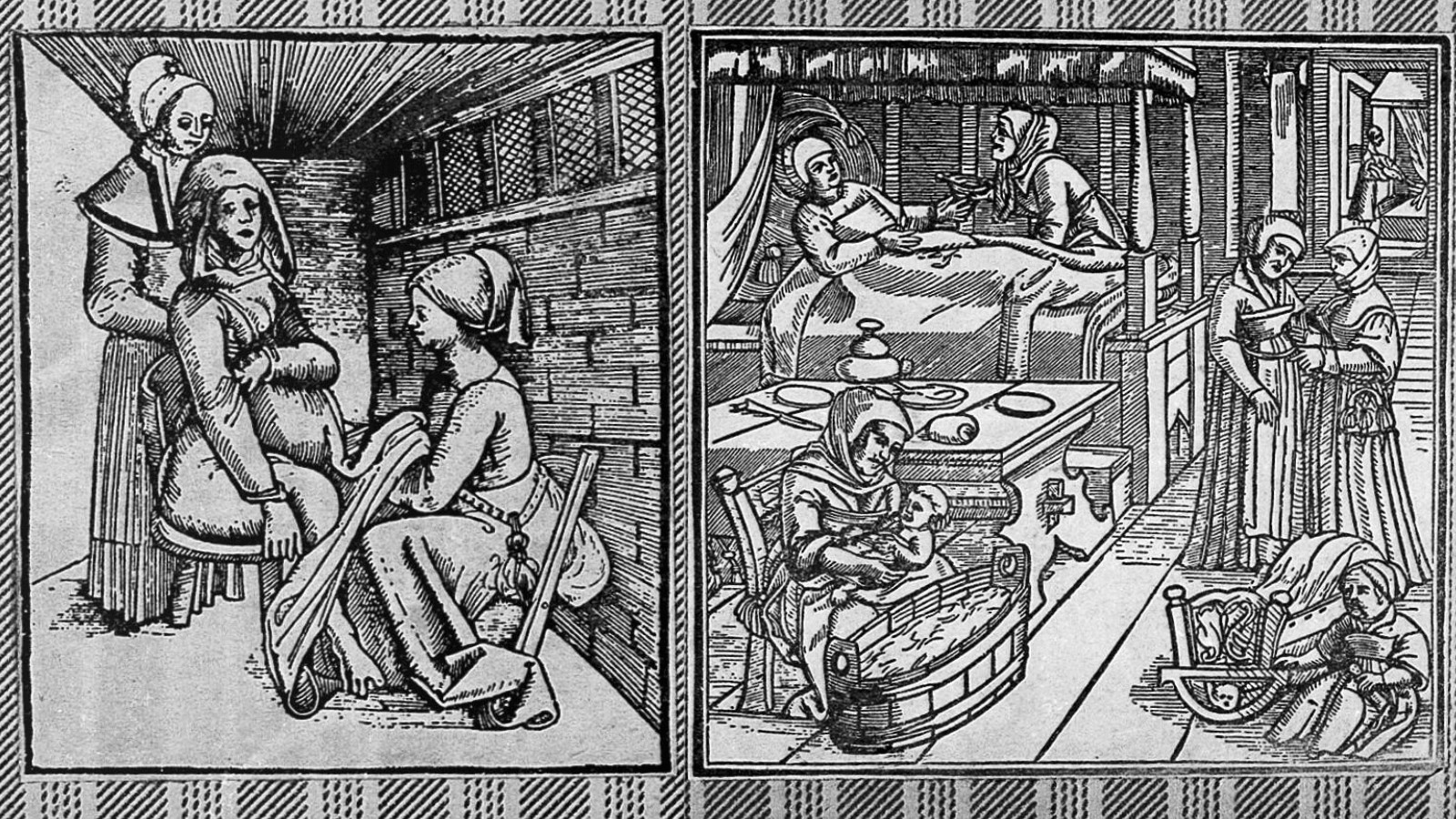
Whilst we may think of how diseases such as the bubonic plague, typhoid or tuberculosis were discussed when studying medicine in early modern Europe, we often do not consider how significantly understandings of sexual and reproductive health developed during this period. The specialism of women’s health in particular was firmly established in these years, with the publication of manuals and treaties to direct physicians and midwives in their practice. Indeed, whilst the early modern period saw practitioners drawing upon the work of ancient authorities, it was also a period of innovation, particularly within science and medicine.
Gale’s Sex and Sexuality, Sixteenth to Twentieth Century collection is truly interdisciplinary and includes materials that would support academic fields as varied as Sociology, Law and Theology. For scholars investigating the History of Medicine, the most significant materials within this collection which can be used to explore the emergence of a comprehensive, gendered understanding of early modern medicine are arguably the medical enquiries, manuals and pamphlets.

 In Spring 2022, Gale ran a competition with Nazarbayev Intellectual Schools, Kazakhstan, which gave students at schools within the group the chance to research and write about a topic of interest – with the two top entries published on The Gale Review! Below is the runner up entry, a superb piece by Year 11 student Symbat Omasheva.
 The schools within the Nazarbayev Intellectual Schools group have access to the