The Making of Marriage Law: Insights from Colonial Kenya

| By Lindsay Whitaker-Guest, Associate Editor, Gale Primary Sources |

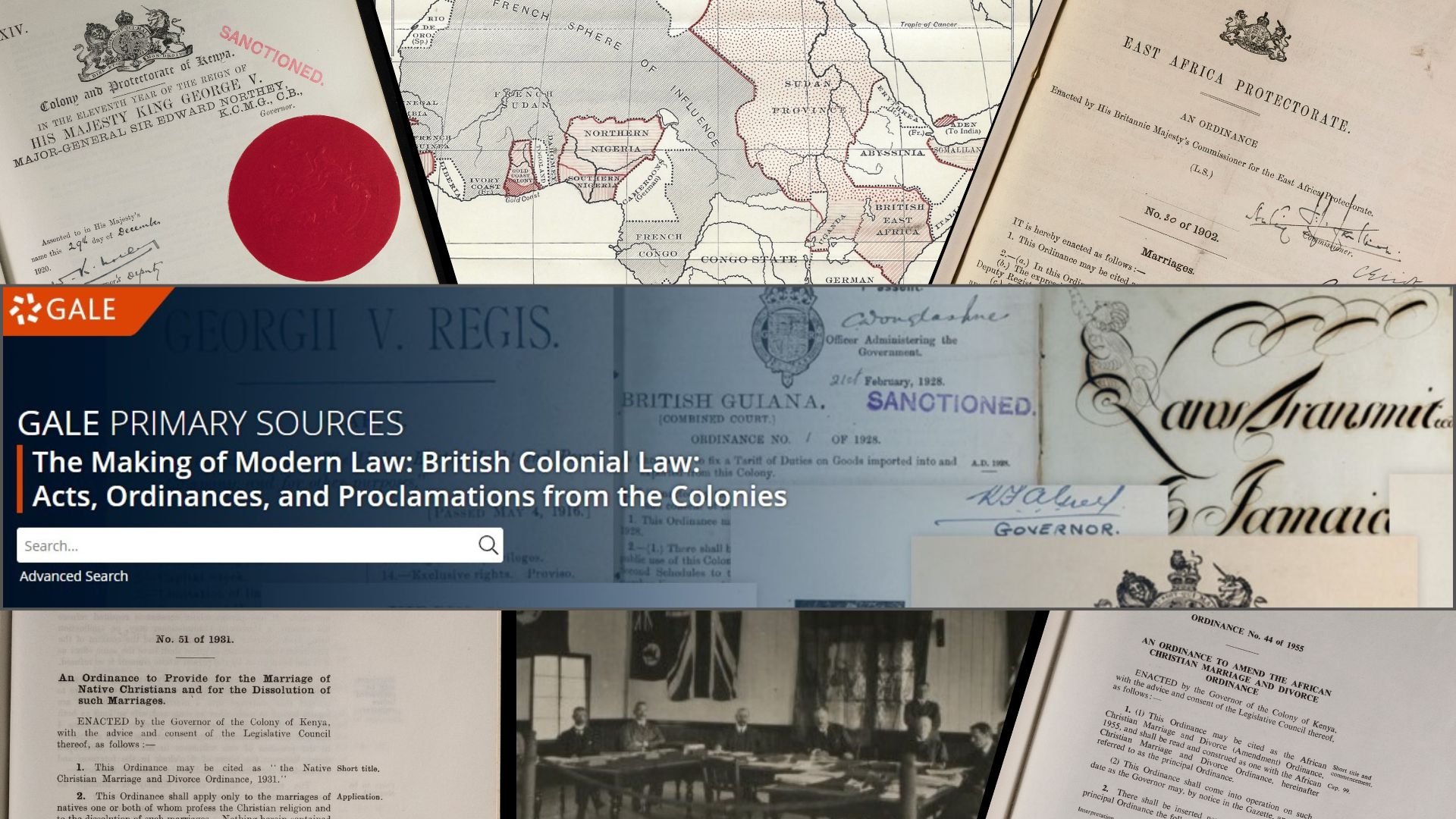
Gale Primary Sources recently released its latest module in the landmark legal history series, The Making of Modern Law. The Making of Modern Law: British Colonial Law: Acts, Ordinances, and Proclamations from the Colonies, 1900-1989 contains legislation from all corners of the British Empire and was digitised from the Colonial Office collections held at the National Archives in the UK.

The legislation in the archive covers all aspects of colonial life in a century which saw British-held territories transformed by war, disease, rebellion, and decolonisation. However, for this post we will examine how the empire governed one fundamental aspect of domestic life: marriage.

Read more

Coming Soon: Global Politics and US Foreign Policy: The Council on Foreign Relations, 1918–2000

│By Clem Delany, Acquisitions Editor, Gale Primary Sources│

December 2025 will see the launch of a new digital archive, Global Politics and US Foreign Policy: The Council on Foreign Relations, 1918–2000.

This is the digitisation of material from the Studies Department, Records of Groups, and the Records of Meetings of the Council on Foreign Relations, a non-partisan, independent US think tank focused on the international relations of the United States and its role in the world.

This role, and public perceptions of it, has altered greatly throughout the twentieth century, from the isolationist principles of the 1920s and 30s, to the American engagement in WWII and subsequent support in Allied recovery processes, to the Cold War, global anti-communist fears, and the growth of American soft power. In 2025, many of the programs of the United States Agency for International Development (established in 1961 and a key tool of US soft power) were shut down and a new phase of US international relations began.

Read more

Terra Nullius: The Legacy of “The Land of No One”

│By Oralkhanova Alima, Year 11 Student at Nazarbaev Intellectual School in Semey, Kazakhstan│

In an era when concerns about overpopulation and scarcity of natural resources are rising, it may seem paradoxical that certain areas of land remain unclaimed and unwanted. Even today, when countries continue to engage in territorial disputes and conflicts, there still exist regions that have been ignored by the international community. To describe such territories, early international law introduced a specific term – terra nullius, a Latin expression meaning “the land of no one”. Although this term is no longer officially used, the concept of terra nullius continues to captivate people’s minds.

Read more

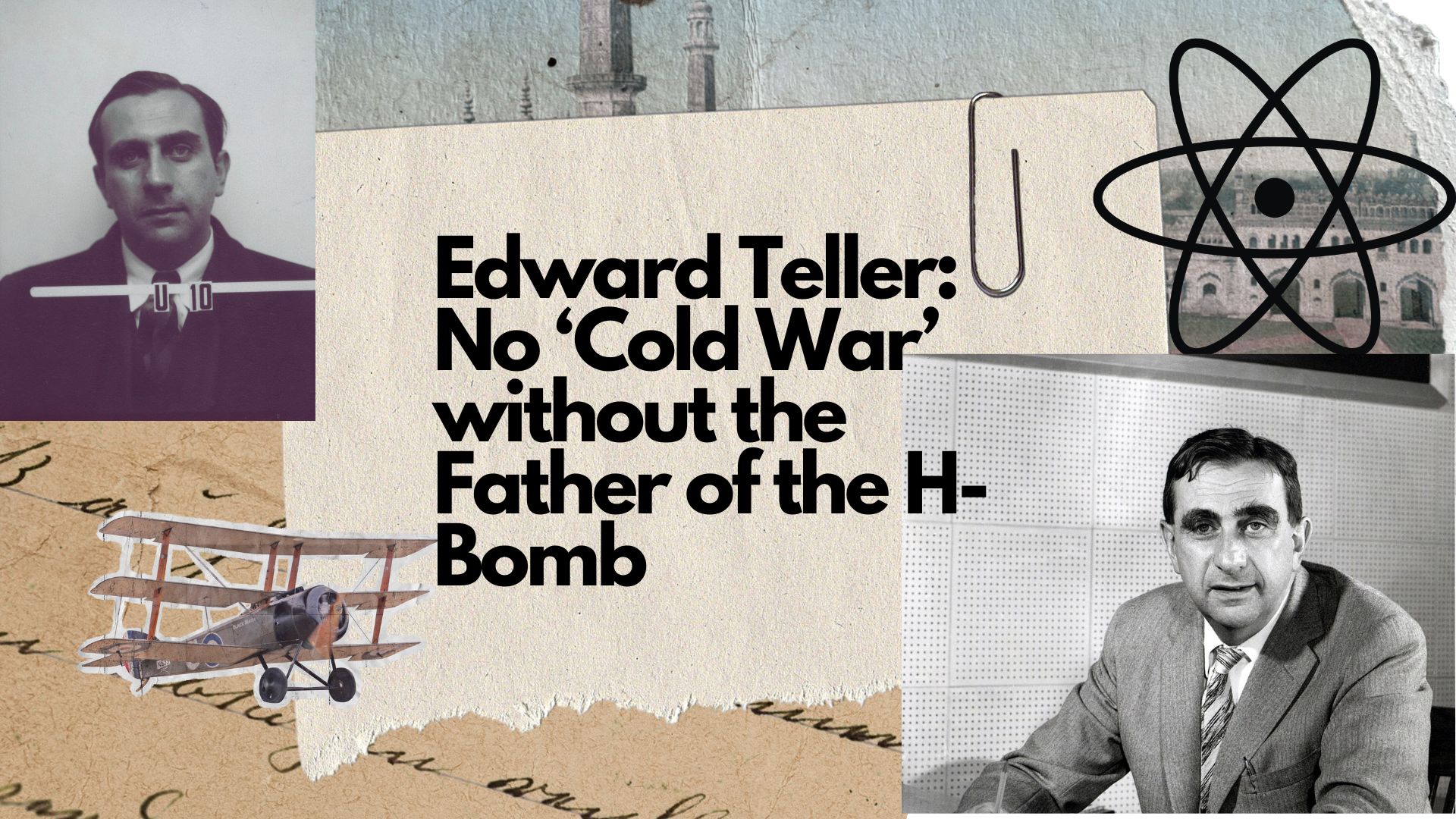
Edward Teller: No Cold War without the Father of the Hydrogen Bomb

│By Sofía Sanabria de Felipe, Gale Ambassador at the University of Oxford│

On July 21, 2023, the world – or at least the world that exists on the internet – was taken over by a cinematic phenomenon: the simultaneous release of Greta Gerwig’s Barbie and Christopher Nolan’s Oppenheimer. ‘Barbenheimer’, if you will. The long, pandemic-delayed release of a film about the world’s most famous doll and the man behind the Manhattan Project became an unlikely couple, drawing people back to the cinema screen in unprecedent numbers.

As a historian who’s particularly fascinated by popular culture and the Cold War, the summer of 2023 became a perfect opportunity for me to reflect on the relationship between these two concepts, especially when understanding the prevalence of the American – arguably Western – perspective on the twentieth century. Two years on, Gale Primary Sources collections, primarily Archives Unbound, have given me the tools to explore my interests further.

Read more

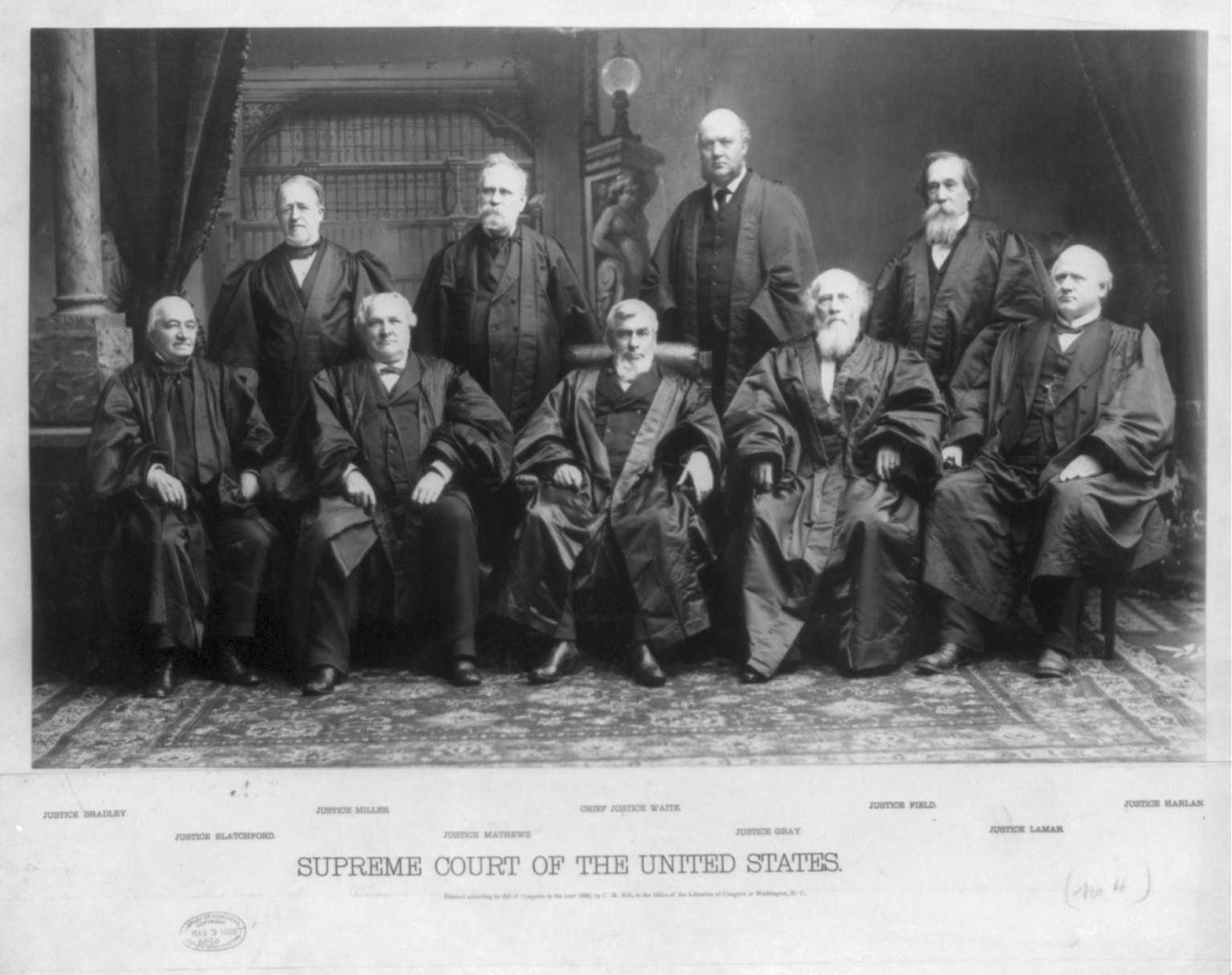
Courting Primary Sources: Historical Opportunities from Briefs filed with the U.S. Courts of Appeals

│By Bennett Graff, Manager, Acquisitions, Gale Primary Sources

The family of titles that comprise The Making of Modern Law series is a critical part of the Gale Primary Sources portfolio.  Titles in the series reveal aspects of our social, economic, religious, and political history through documentation that come from a universe of data that is both part of and yet, in notable ways, distinct from the kinds of materials one might regard as “typical” of archival collections. Aside from their obvious worth to legal scholars, how can these materials be of value to researchers from other disciplines?

Read more

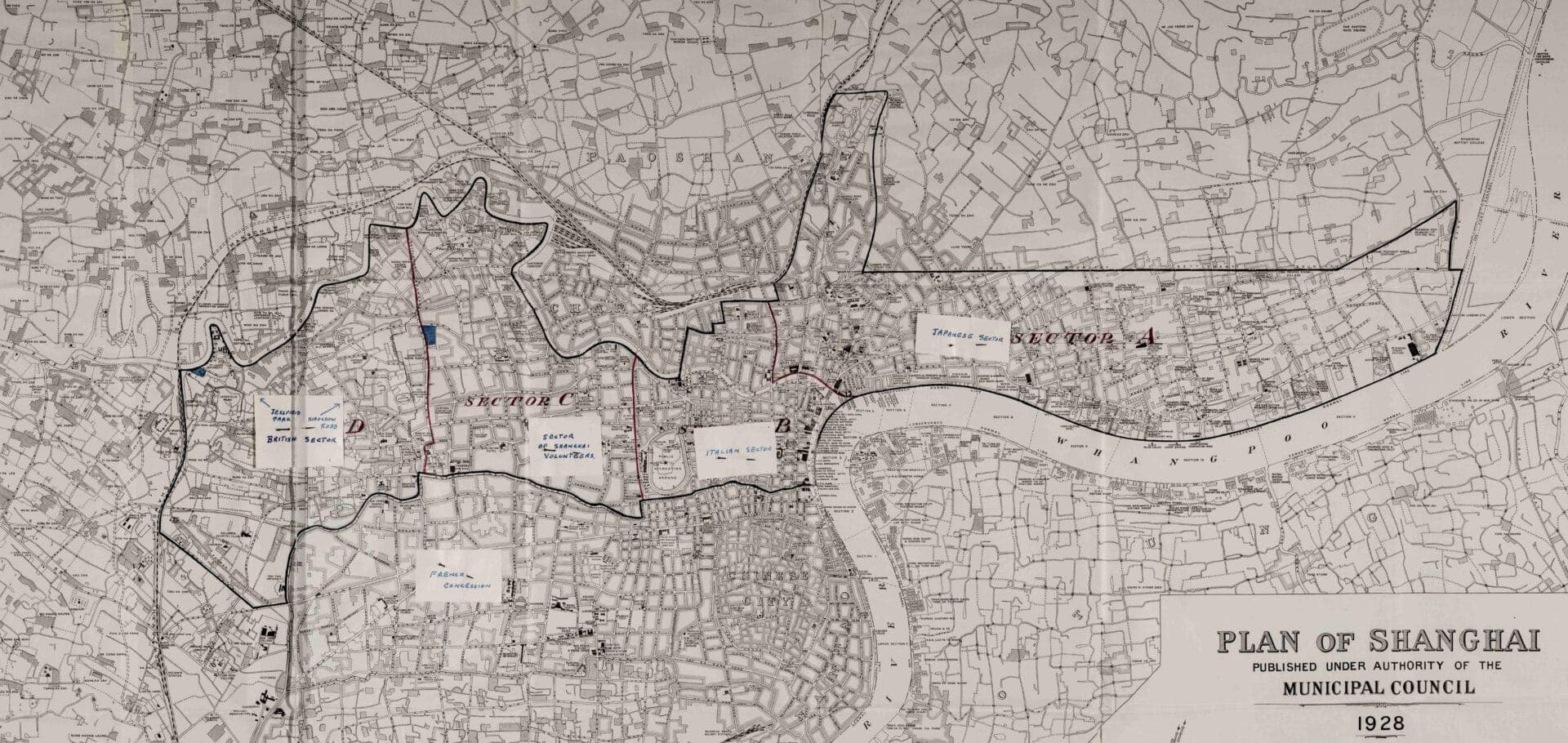
Researching the History of Shanghai Between the 1830s and 1950s

|By Liping Yang, Senior Manager, Academic Publishing, Gale|

November 2023 marks the 180th anniversary of Shanghai being opened to foreign trade in accordance with the provisions of the Treaty of Nanjing and the Treaty of the Bogue, which were signed after the First Opium War between China and Britain.

Coincidentally, in the same month, Gale Primary Sources rolled out a thematic digital archive that features the history of Shanghai. Titled China and the Modern World: Records of Shanghai and the International Settlement, 1836–1955, this new archive provides an extraordinary primary source collection vital to understanding and researching the social, political, and economic history of the Anglo-America-dominated yet highly globalised International Settlement in Shanghai, as well as the history of modern China.

Read more

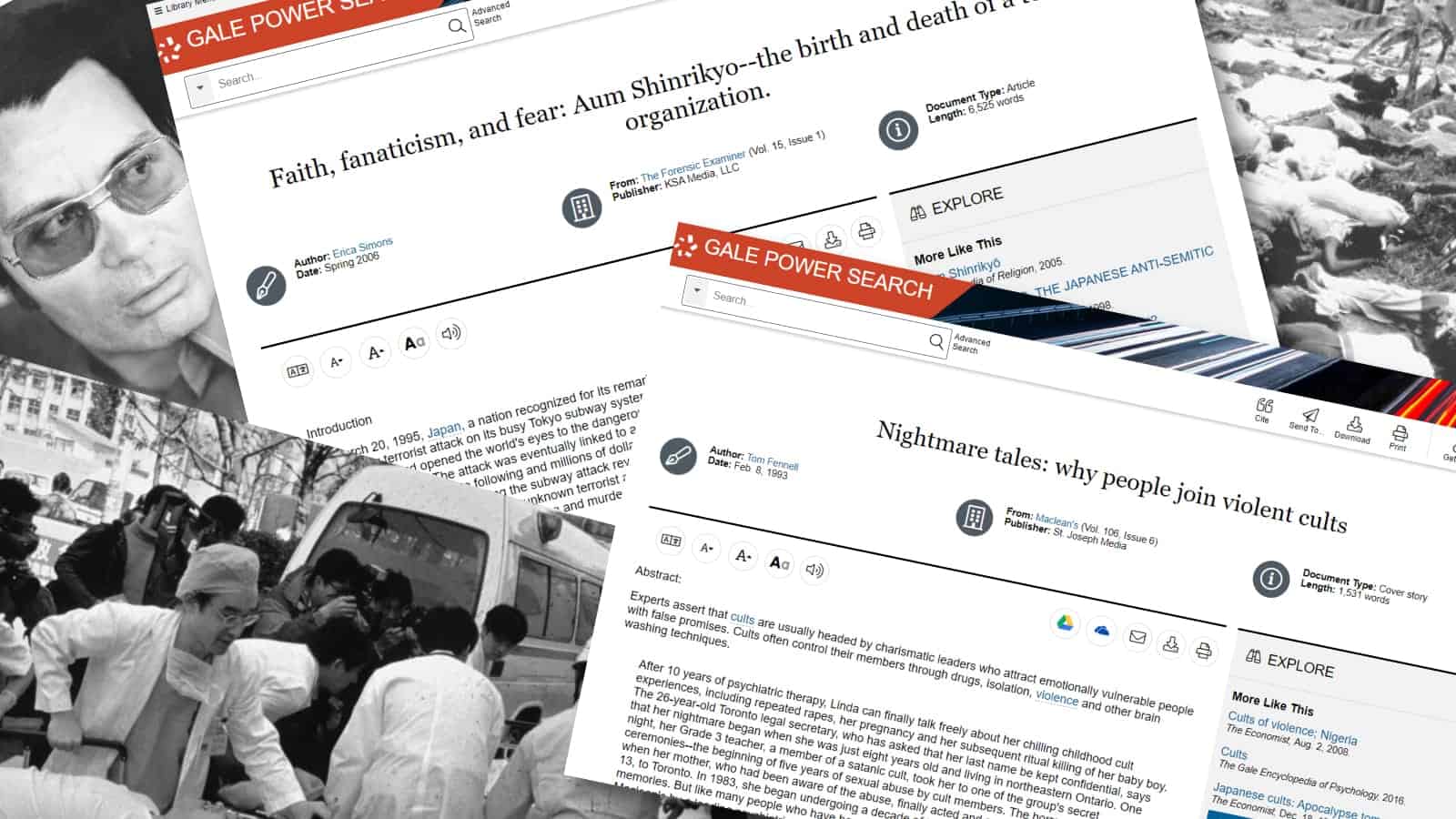
Researching Cults using Gale’s Online Resources

|By Rais Asylnaz, Year 11 Student at Nazarbaev Intellectual School in Pavlodar|

Throughout the years, cults have captured the attention of many people. Whenever cults are discussed it’s impossible to avoid talking about the controversies surrounding them. These organisations have sparked interesting debate as to why people engage with and end up involved in cults. In this blog post, I will explore cults’ characteristics, the psychology of those involved, and the reasons behind their appeal.

Read more

The First Module in Gale’s Environmental History Series – Conservation and Public Policy in America, 1870-1980

│By Lindsay Whitaker-Guest, Associate Editor│

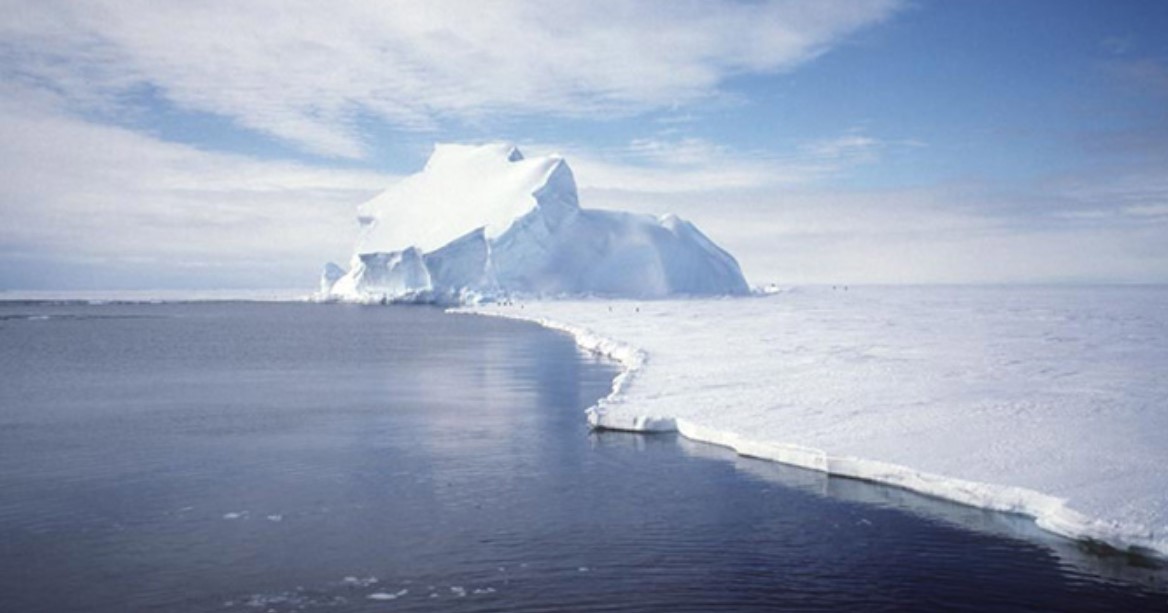
In the summer of 2023, four alarming global climate records were broken: the hottest day on record globally; the hottest June on record; the warmest global ocean temperatures in May, June, and July; and the lowest recorded level of Antarctic sea-ice. One could not turn on the television or look at a news website without seeing images of harrowing wildfires in Europe, Hawaii and Canada or the devastating typhoon in East Asia. As I sat sweltering on a Sardinian beach during heatwave Charon in late July, my thoughts echoed those from all over the globe, is the Earth now in a climate crisis? And how did we get here?  

Read more

Uncovering the History of Twentieth-Century Hong Kong, China, and the World

Hong Kong header

|By Liping Yang, Senior Manager, Academic Publishing, Gale|

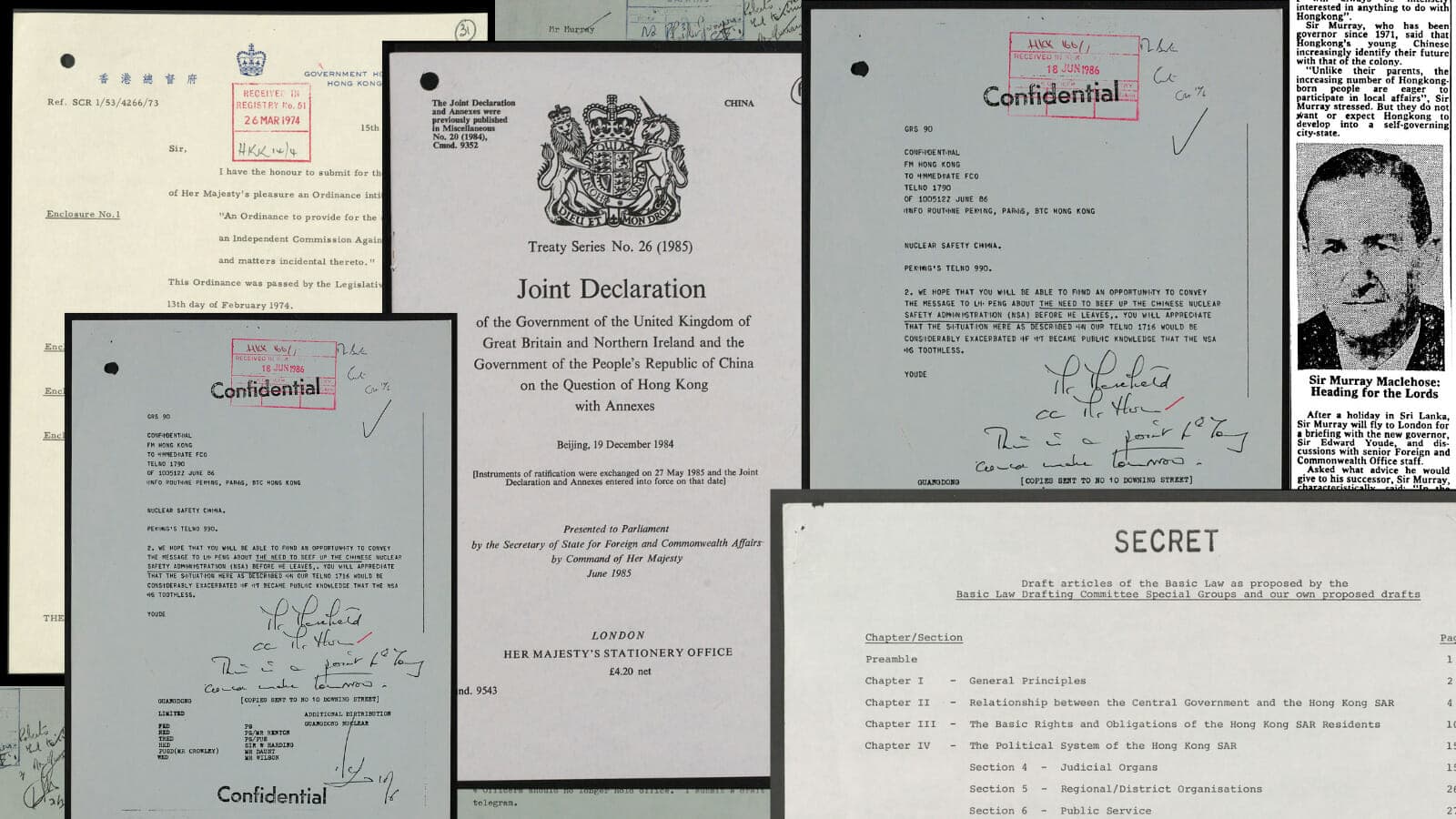
Gale released China and the Modern World: Hong Kong, Britain, and China Part 1, 1841–1951 in August 2019. During that summer and subsequent months, Hong Kong made the headlines of international media due to a series of large-scale mass protests launched against the government’s introduction of a bill to amend the Fugitive Offenders Ordinance with regard to extradition. The protests turned into riots and plunged the city into political conflict, which did not end until after the outbreak of COVID in 2020. Such protests or riots are nothing new in the history of Hong Kong. Actually, in 1967, a series of riots of comparable scale swept across the city, leading to violent confrontation between the rioters and police, and causing mass arrests and injuries. Such riots constitute just one of the many topics covered by the just released Hong Kong, Britain, and China Part 2, 1965–1993, the seventh module in Gale’s China and the Modern World series of digital archives.

Read more

Peyote Rights, Religious Freedom and Indigenous Persecution in the Women’s Missionary Advocate Papers

Woman's Missionary Advocate header image

|By Lola Hylander, Gale Ambassador at University College London|

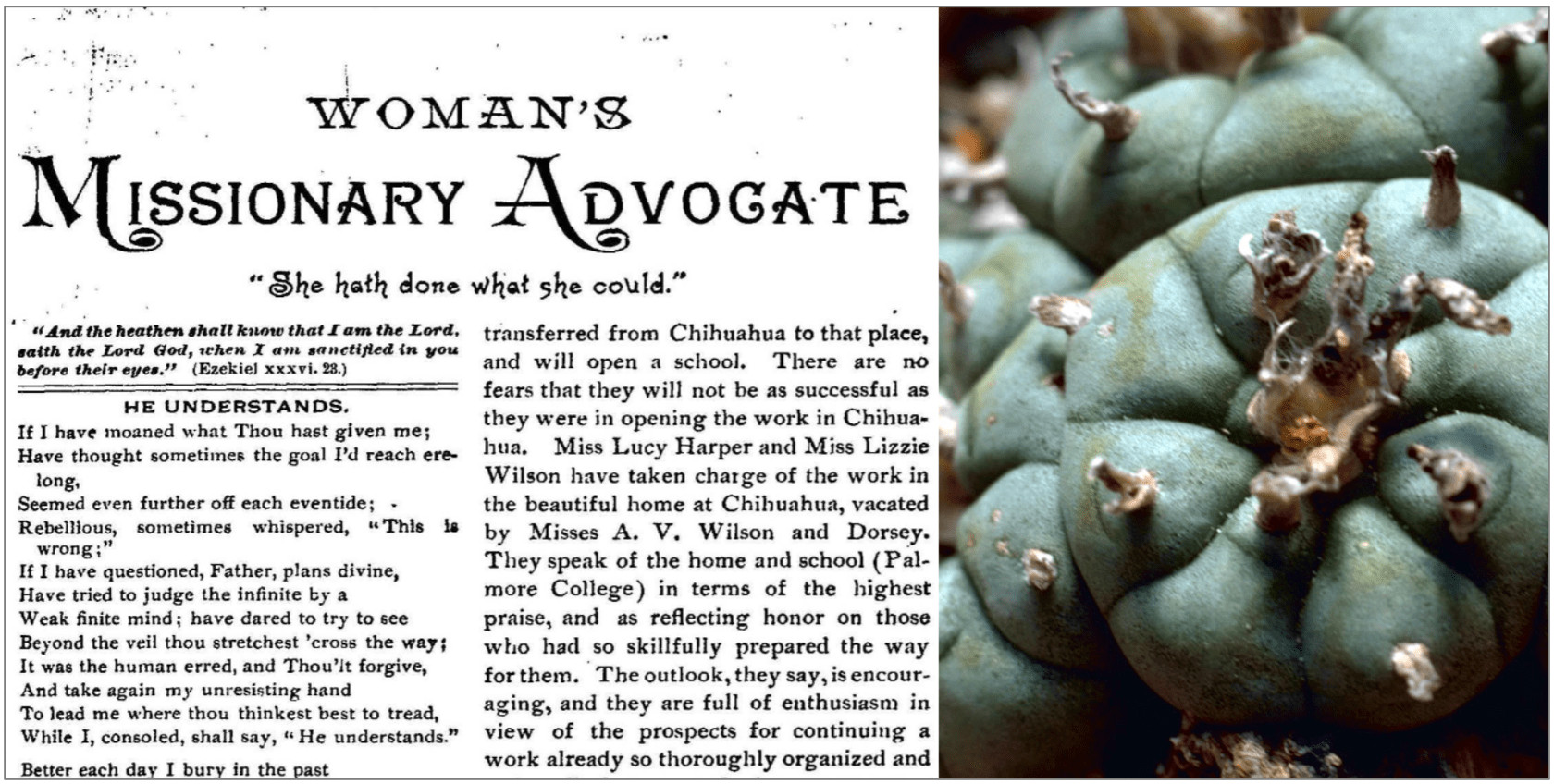
I am a student of the History and Politics of the Americas at University College London, and my dissertation will analyse Employment Division v. Smith (1990),a Supreme Court ruling that overturned almost a century of activism surrounding the Native American Church’s (NAC) right to practice peyotism, a religion based on the ceremonial use of the psychedelic cactus, peyote, in the United States. Religious debates largely define the discourse around peyote use, examining whether or not it should be protected under the First Amendment’s freedom of religion clause. Wanting to further understand the role of religion in the peyote debate, I turned to Gale’s Archives Unbound collection to see what I could find.

Read more