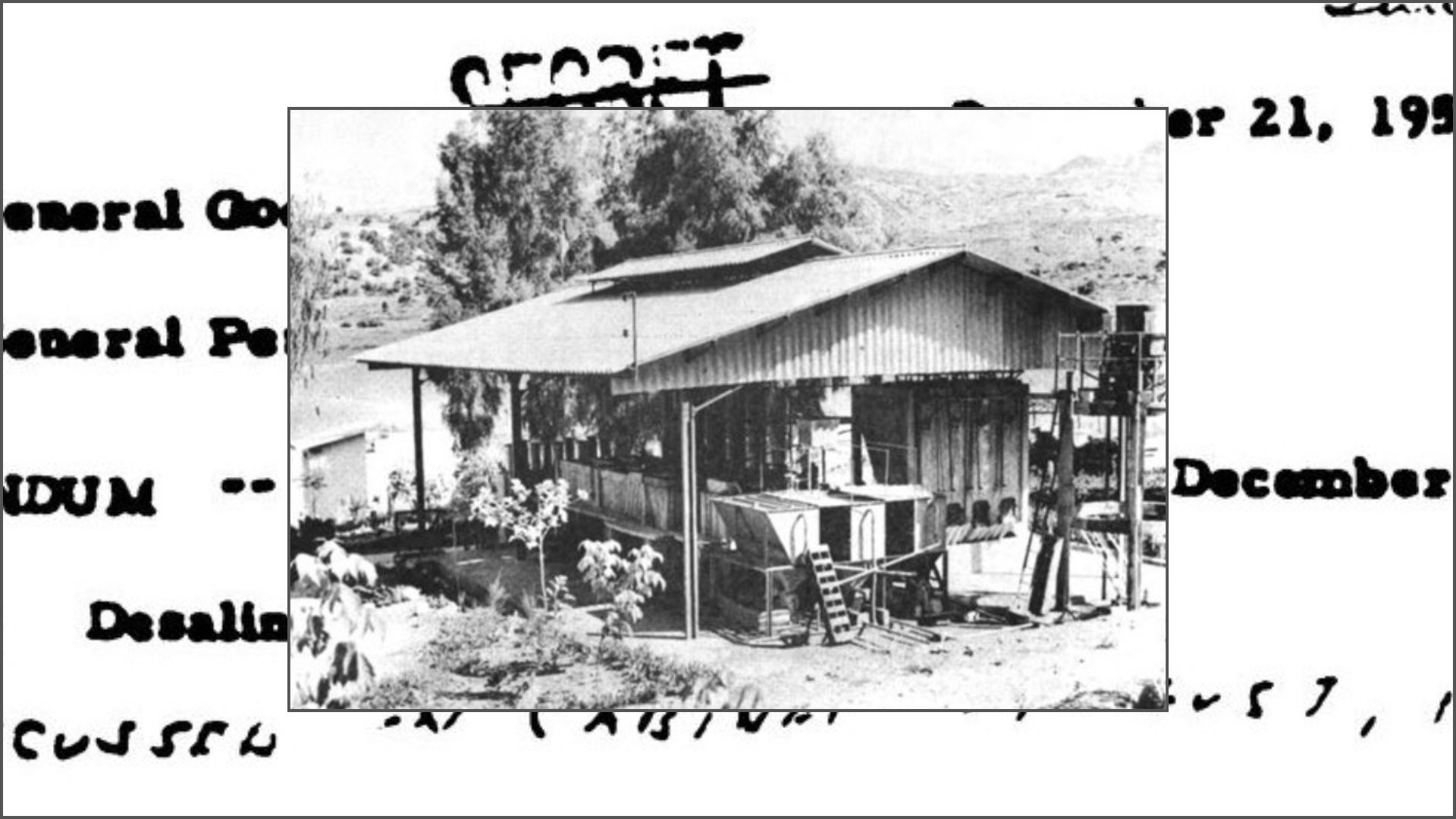
From Salty Dreams to Solar Futures: Rethinking Desalination with Gale Primary Sources

│By Elizabeth Hameeteman, Postdoctoral Researcher, Technische Universität Berlin │

When I began my Gale Fellowship, I was curious about how digital tools might support my historical research. As someone trained primarily in archival and text-based methods, I was eager to explore how computational approaches might offer new ways of seeing familiar materials – or even lead me to sources I wouldn’t have encountered otherwise. What I didn’t expect was that it would shift the trajectory of my work entirely.

Read more

In Need of Some Good News: Daily Mail Historical Archive, 2017-2021

│By Emma Harris, Associate Editor, Gale Primary Sources

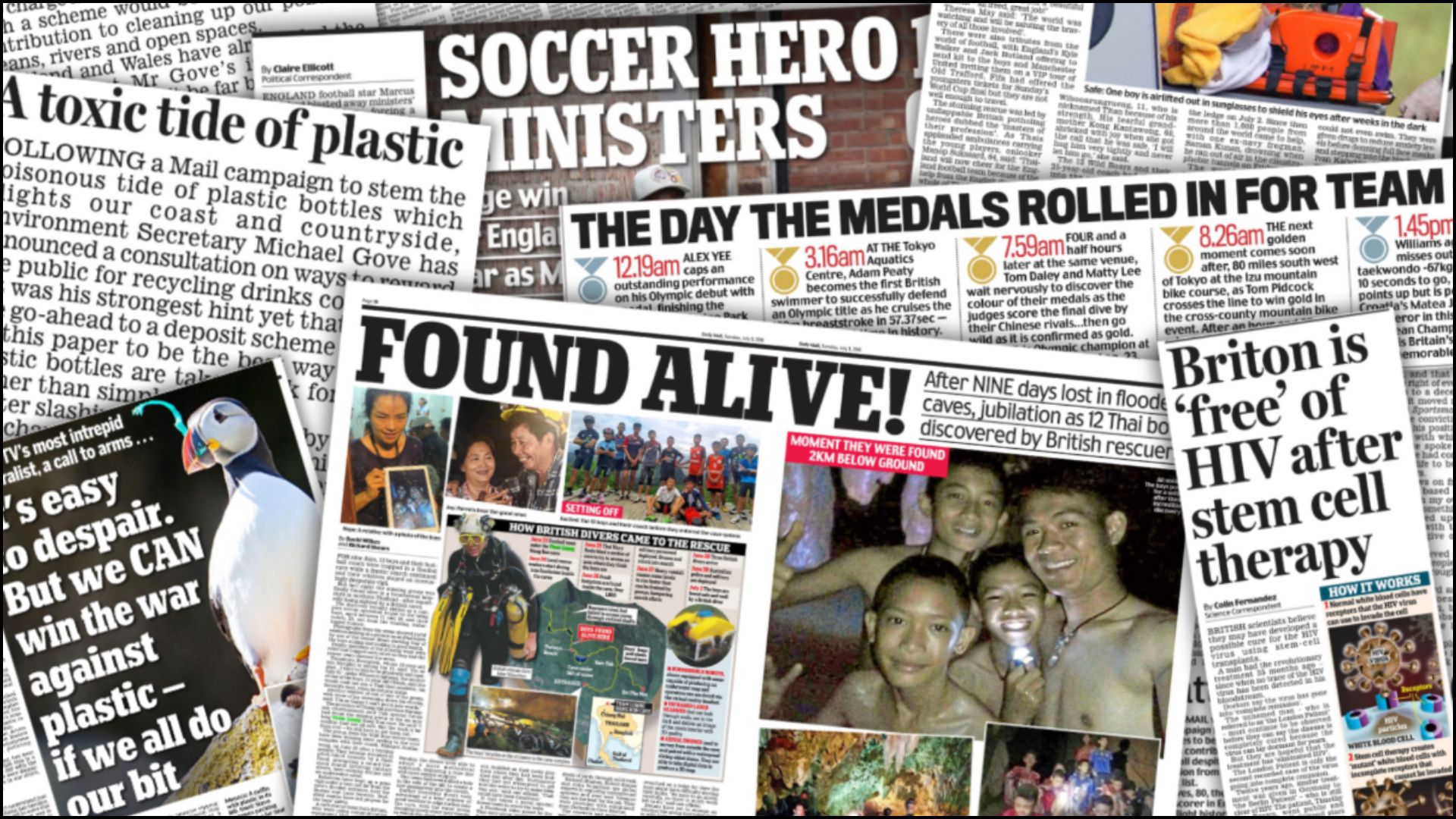
The period of 2017 to 2021 spanned both my university education and then being thrust into the adult world of work – a turbulent time for any, exacerbated by a period of news headlines dominated with political fallout, freak weather, and global pandemics. This period saw elections, both in the United Kingdom and the United States, and the likes of Brexit lead to political divides within countries, and not to mention the coronavirus pandemic that absorbed most of our lives considerably from 2020 into 2021.

However, this isn’t to say these years weren’t filled with positive change at all. In fact, there was rather a lot of good news. And when we’re still dealing with the inundation of negative news topics daily – inflation and wars being some of the topics to greet me on the news this morning – sometimes it’s helpful to be reminded of the good news that’s out there too.

So, using the most recent update to Gale’s Daily Mail Historical Archive, 1896-2021, allow me to put some joy back into your day with some of the positive news that came from the last decade.

Read more

Learning from the Ground Up – Hacking History in Oxford with Gale Digital Scholar Lab

Hacking History Oxford Digital Humanities Skills Workshop

│By Chris Houghton, Head of Academic Partnerships│ This blog post details the Gale Hacking History event run in collaboration with Digital Scholarship @ Oxford in May 2025. It also reflects on the value of using hackathons to teach digital humanities tools and methodologies, enabling participants with no knowledge of DH to collaboratively develop projects and … Read more

The Silk Road Yesterday and Today in Gale Digital Resources

Historic map of China Silk Road

|By Emery Pan, Gale Asia Associate Development Editor in Beijing |

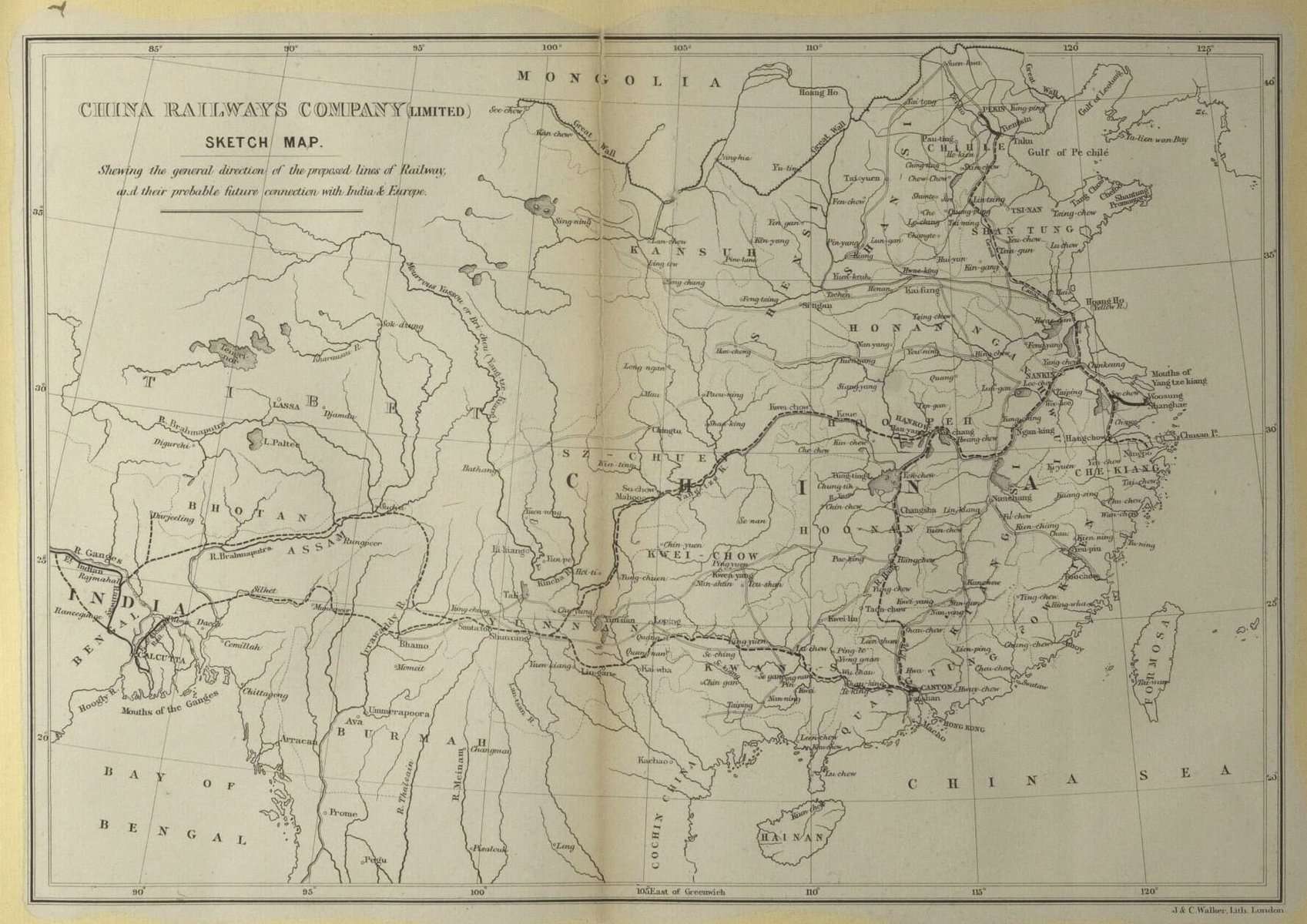
The year 2023 marks the tenth anniversary of China’s Belt and Road Initiative (BRI). A decade ago, Chinese President Xi Jinping proposed the “Silk Road Economic Belt” and the “Twenty-first Century Maritime Silk Road” in September and October 2013, respectively, which have since evolved into what is now known as the BRI.

Read more

The First Module in Gale’s Environmental History Series – Conservation and Public Policy in America, 1870-1980

│By Lindsay Whitaker-Guest, Associate Editor│

In the summer of 2023, four alarming global climate records were broken: the hottest day on record globally; the hottest June on record; the warmest global ocean temperatures in May, June, and July; and the lowest recorded level of Antarctic sea-ice. One could not turn on the television or look at a news website without seeing images of harrowing wildfires in Europe, Hawaii and Canada or the devastating typhoon in East Asia. As I sat sweltering on a Sardinian beach during heatwave Charon in late July, my thoughts echoed those from all over the globe, is the Earth now in a climate crisis? And how did we get here?  

Read more

Uncovering the History of Twentieth-Century Hong Kong, China, and the World

Hong Kong header

|By Liping Yang, Senior Manager, Academic Publishing, Gale|

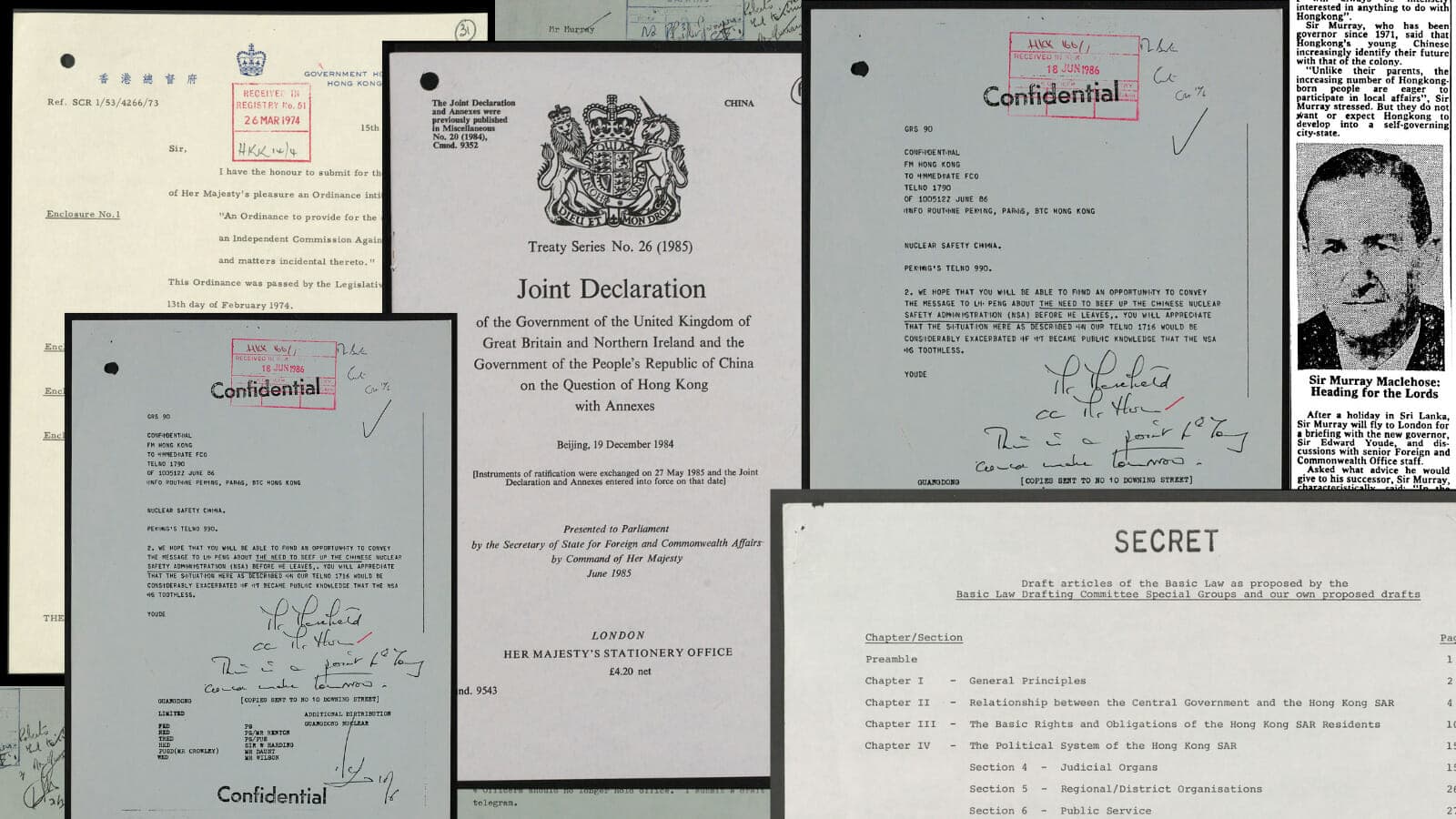
Gale released China and the Modern World: Hong Kong, Britain, and China Part 1, 1841–1951 in August 2019. During that summer and subsequent months, Hong Kong made the headlines of international media due to a series of large-scale mass protests launched against the government’s introduction of a bill to amend the Fugitive Offenders Ordinance with regard to extradition. The protests turned into riots and plunged the city into political conflict, which did not end until after the outbreak of COVID in 2020. Such protests or riots are nothing new in the history of Hong Kong. Actually, in 1967, a series of riots of comparable scale swept across the city, leading to violent confrontation between the rioters and police, and causing mass arrests and injuries. Such riots constitute just one of the many topics covered by the just released Hong Kong, Britain, and China Part 2, 1965–1993, the seventh module in Gale’s China and the Modern World series of digital archives.

Read more

Decolonising the Literary Curriculum: A Close Examination of Derek Walcott’s Omeros

Skyline of Cape Town, South Africa

|By James Carney, Senior Gale Ambassador at King’s College London|

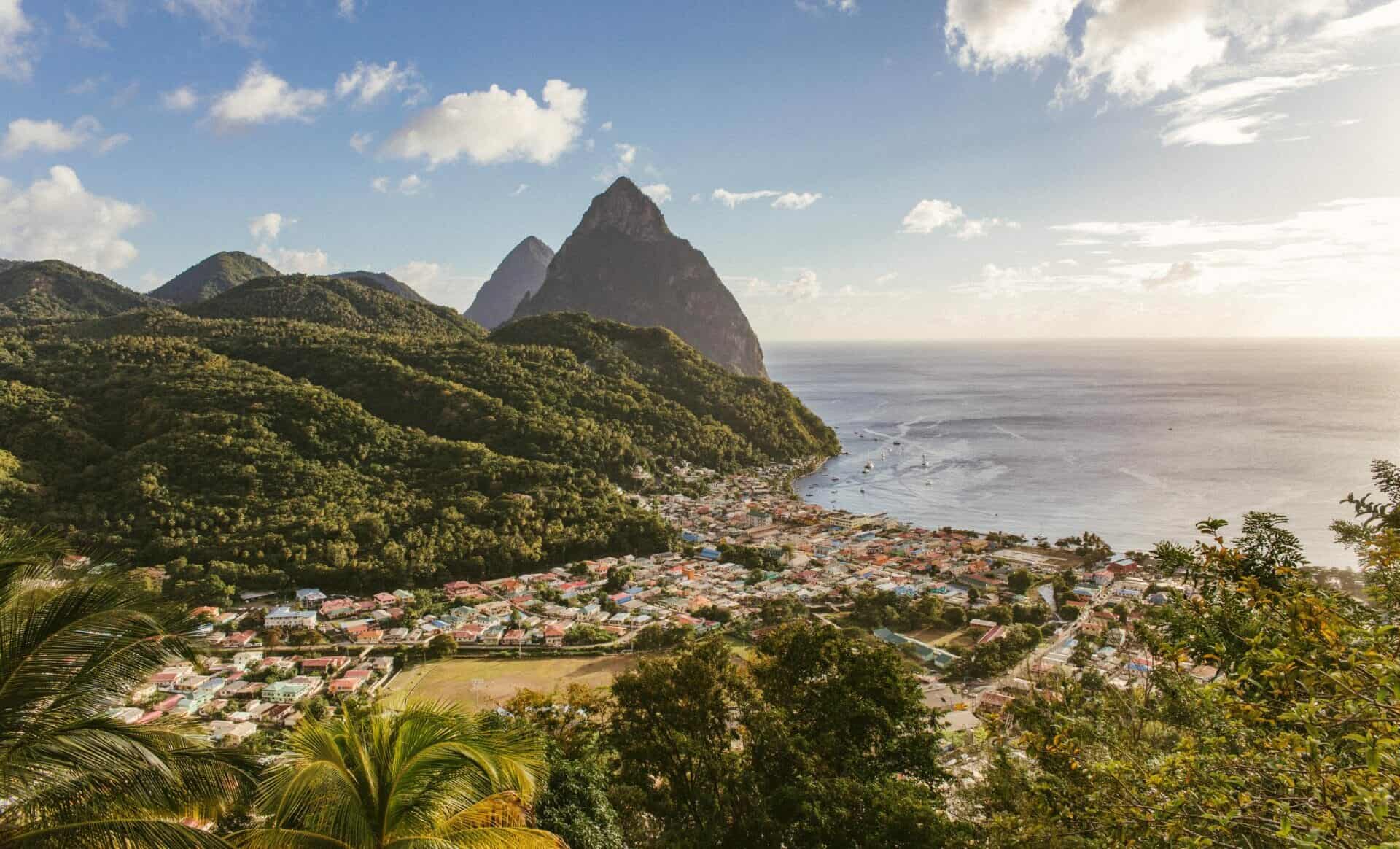
Decolonisation refers to the process of attempting to undo the social, political, economic and cultural effects of imperialism on former colonies. Having just completed my undergraduate degree in English and Classical Literature at King’s College London, I have come to appreciate language and the written arts as potent mediums to contemplate, respond to and even resist the weight of colonial history.

My dissertation on Derek Walcott’s 1990 postmodern epic Omeros most thoroughly illustrated to me the nuances and creative potential of colonial victims to negotiate their present and historical standing in response to imperial agents. My exploration of this theme in Walcott’s work was particularly interesting as he ostensibly views colonisation as continuous, from nineteenth-century British and French empires to modern American capitalism, as the same force underlies both processes for the benefit of the typically white aristocracy, eclipsing native identity and homogenising Caribbean culture to artificiality.

Read more

The Historical Context Behind Projections of the ‘Dangerous Drag Queen’ by the Far Right

LGBTQ protest header

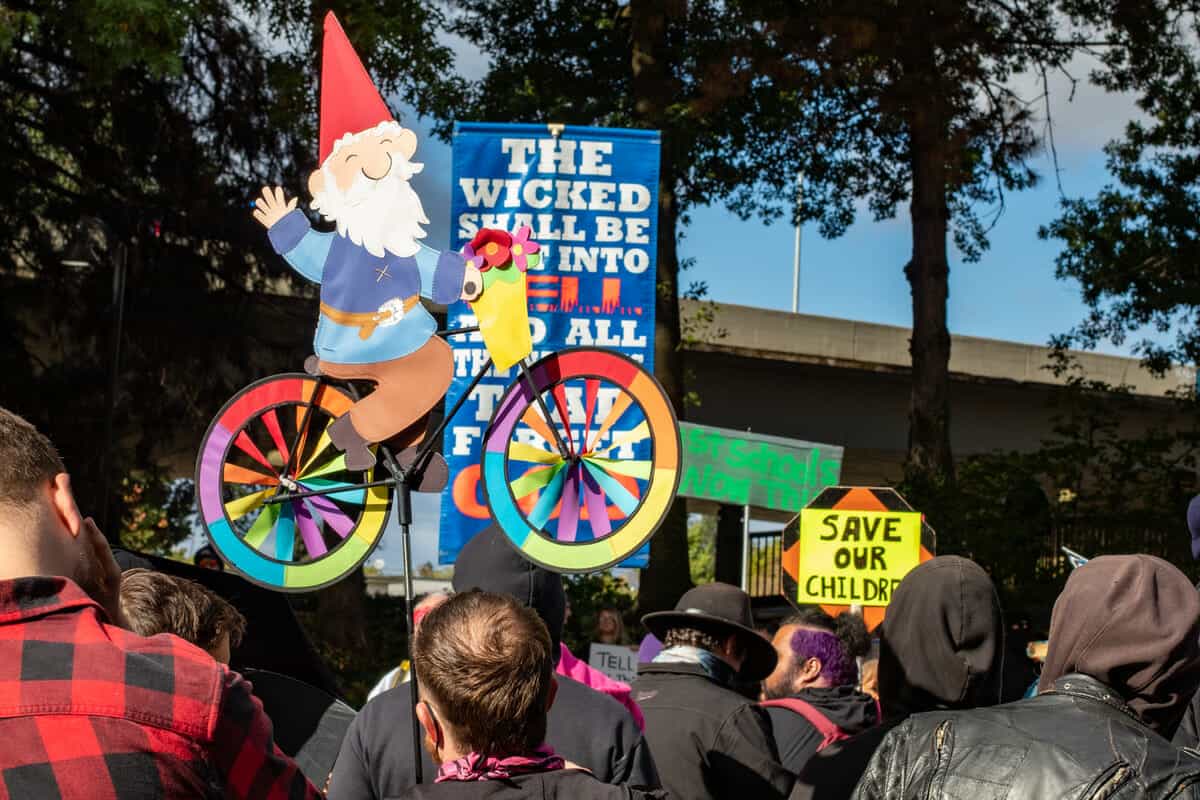
Disclaimer: This blog post is written by an undergraduate student. Becca uses materials from Gale’s Political Extremism and Radicalism: Far-Right Groups in America archive which contains visual and textual material representing various historical viewpoints related to race, gender, sexuality, terrorism, and other subjects, including terminology and concepts that may be considered offensive by modern standards. … Read more

Decolonization: Politics and Independence in Former Colonial and Commonwealth Territories

Decolonization header

|By Clem Delany, Acquisitions Editor, Gale Primary Sources|

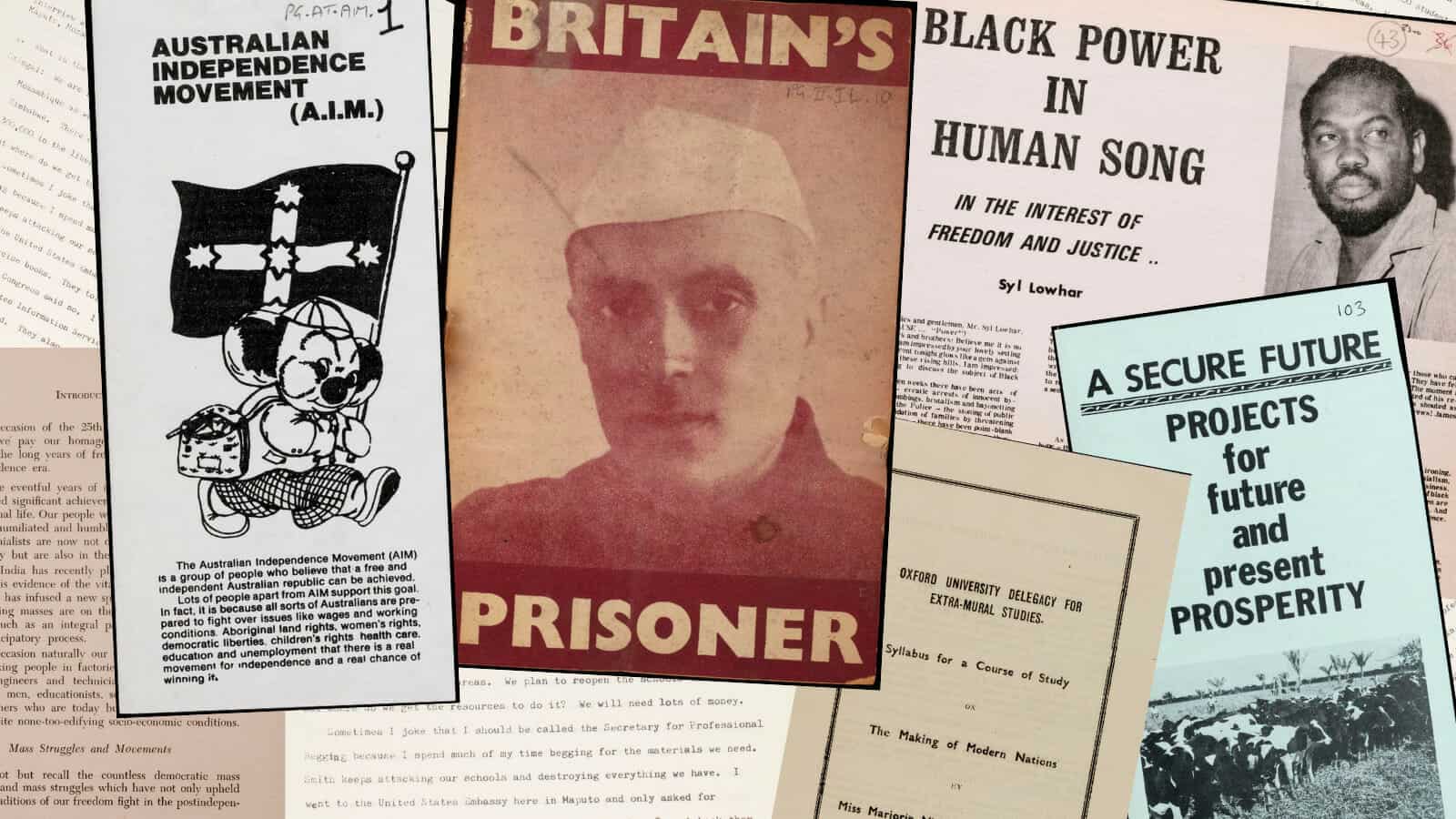
Last week, I was lucky enough to go to India for the first time. I visited Mangalore in the state of Karnataka, as well as Kerala with its famous backwaters and cool green tea plantations in old hill stations. The British planted pine forests there and hid from the sun; in Mangalore old warehouses built along the river by the Portuguese for tile manufacture were visible from the high rise buildings around them. And everywhere – at busy roundabouts, by old government buildings and in front of smart new colleges – were statues and busts of solemn figures who I could not identify. The names Gandhi, Nehru and Modi are essentially the limit of my knowledge of modern India.

Read more

Technology: Ally or Enemy in the Use and Preservation of Historical Data?

Viewing a library shelf through an iPad

│By Sasha Mandakovic, Gale Ambassador at Erasmus University Rotterdam|

The rapid pace of technological innovation is constantly pushing the boundaries of the digital realm, resulting in an exponential increase in its capabilities and reach. There is no doubt that technology has had both positive and negative effects on the preservation of historical data which can often be difficult to understand. I’m here to elaborate on its impacts!

The first words that come to my mind when I think about technology are probably: life-changing, accessible, and easy. When “historical data” is mentioned, the terms I think of are: records, heritage, and preservation. But how are technology and historical data linked, and what impact do they have on each other? And is it bad or good?

Read more