Etiquette and Advice, 1631-1969 – Good Manners as Prescribed by “Polite Society”

Etiquette and Advice from Archives Unbound

|By Phil Virta, Senior Acquisitions Editor, Gale Primary Sources|

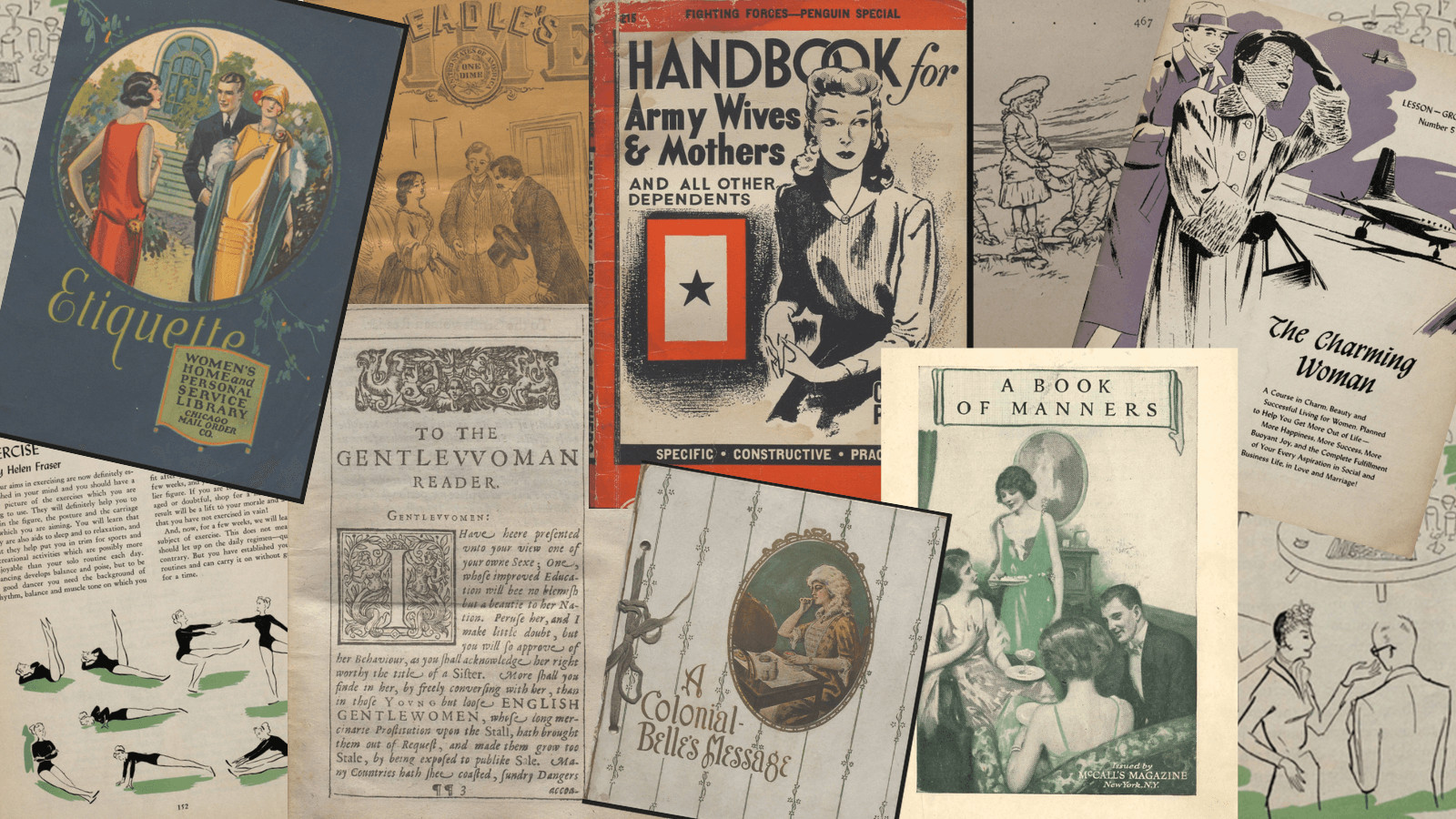
Gale’s Archives Unbound collection Etiquette and Advice, 1631-1969 is a fascinating digital archive of material from Winterthur Museum and Library in Delaware. A collection of 429 British and American etiquette books and rare print ephemera, it allows us to explore the question, “who gets to decide what behaviours are ‘good’ or ‘polite’?” The materials span from the seventeenth to twentieth century, offering tidbits on everything from table manners to travelling, conversation to courtship, home furnishing to hospitality. Author Dena Attar observes, in the face of fears about the “decay of modern manners and the instability of society, [etiquette] writers often described their books as necessary correctives for wider social problems.”1 This collection will therefore interest not only book historians, but also social historians, literary critics, cultural studies scholars, feminists, and other lifelong students of transatlantic history.

Read more

How Important Was the Role of Women During WWII to the Victory of the Allied Powers?

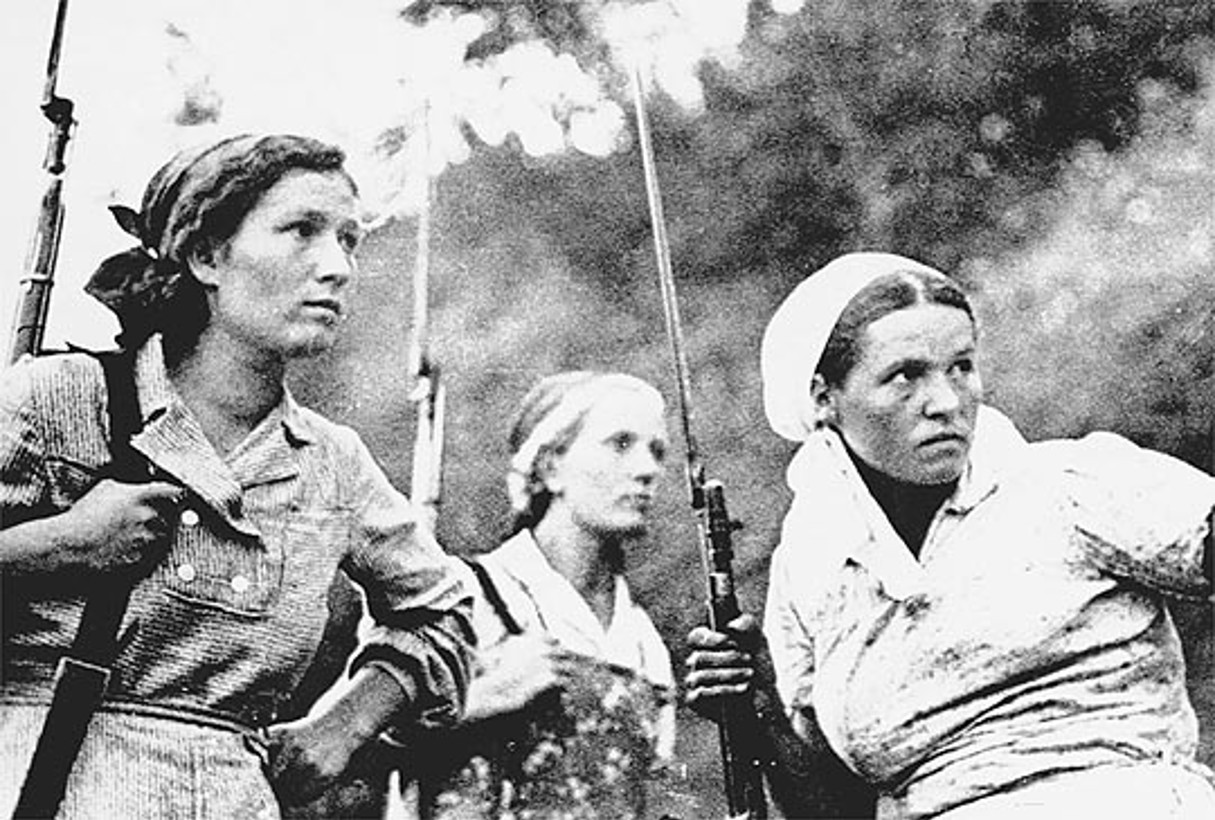
Female Russian fighters
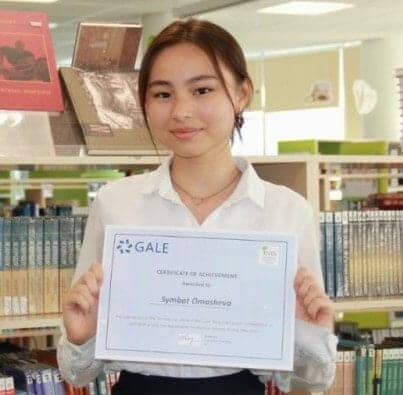
Symbat Omasheva, blog post authorIn Spring 2022, Gale ran a competition with Nazarbayev Intellectual Schools, Kazakhstan, which gave students at schools within the group the chance to research and write about a topic of interest – with the two top entries published on The Gale Review! Below is the runner up entry, a superb piece by Year 11 student Symbat Omasheva.

Nazarbayex Intellectual Schools logoThe schools within the Nazarbayev Intellectual Schools group have access to the Gale Reference Complete: Schools Edition – Ultimate package.

|By Symbat Omasheva, Year 11 student at Nazarbayev Intellectual School in Nur-Sultan|

The Second World War, which took place from September 1, 1939, to September 2, 1945, showed that women are capable of doing what was previously considered “men’s work” and making a significant contribution to the war effort. However, ideas about the gender distribution of responsibilities and the use of physical force differed greatly between the opposing sides in the war; the Allies actively promoted women’s contribution to the outcome of the war, while the Axis powers discouraged women from working on the military front.

Read more

A Conversation With Master’s Student Bokhutlo Tlhabanelo on Her Use of Gale Primary Sources

Women of Colour chatting

│By Nonkoliso Andiswa Tshiki, Gale Ambassador at the University of Johannesburg│

On a warm autumn afternoon in late May 2022, in the University of Johannesburg’s Library Project Room on the Auckland Park Kingsway Campus, I interviewed Bokhutlo Tlhabanelo, who is popularly known as Mickey. Mickey is a first year Master’s student and a tutor for the first year students enrolled on the undergraduate History course at the University of Johannesburg. In the interview, Mickey shared her holistic experience with Gale Primary Sources and the extent to which these resources have contributed to her research project.

Read more

The Importance of Archives – Preserving the Past and Contextualising the Present

Finnish National Archives

│By Torsti Grönberg, Gale Ambassador at the University of Helsinki│

Historian Jo Tollebeek once wrote that increasing “scientification” of history at the end of the nineteenth century produced a new kind of archival-fantasy: a belief that all relevant documents from the past could be gathered. Nowadays it is vital to comprehend and take into account the diversity of an archive. Every archive is bound not only to its history and context but also the demands of the current era. At the end of the day, an archive is in of itself an intellectual problem and a cultural artefact to be studied. Historian Natalie Zemon Davis has also made the important point that, even though the world of archives has encountered many changes, the most important aspect is still the same: when you read documents in an archive you have a physical link to the past in front of you that connects you to people long dead and strengthens the researchers attempt to tell about the past as honestly as possible.2

Read more

Declassified Documents Online: Twentieth Century British Intelligence, Monitoring the World

Declassified Documents Online: Twentieth Century British Intelligence, Monitoring the World

|By Clem Delany, Acquisitions Editor, Gale Primary Sources|

It is now common knowledge that the German Enigma codes were broken during the Second World War in huts at Bletchley Park, and that this feat helped sway the tide of war in the Allies favour. Most people are also aware that Alan Turing was there, that early computers were being developed, and that after the war these codebreakers and the hundreds of people employed at Bletchley Park vanished into obscurity until the 1970s. These details have become part of popular culture: the shabby huts in the middle of a quiet countryside where great and secret things were happening providing the setting for the book Enigma by Robert Harris, or The Imitation Game starring Benedict Cumberbatch in tweed, and even a BBC Radio sitcom, Hut 33.

Read more

Tracing the Young Women’s Christian Association through Women’s Studies Archive: Female Forerunners Worldwide

YWCA in Gale's Womens's Studies Archive

|By Rachel Holt, Acquisitions Editor, Gale Primary Sources|

Rachel is the Acquisitions Editor managing Gale’s Women’s Studies Archive series.

This month Gale is proud to announce the launch of the fourth module in its multi-award-winning Women’s Studies Archive series, Female Forerunners Worldwide. Publishing in March 2022 this latest edition to Gale’s Gender Studies programme coincides not only with International Women’s Day but with Women’s History Month, hopefully giving scholars of women’s history, social history, and gender studies much to celebrate.

Read more

How Gale’s Archives Supported My Thesis on the Politics of Contraception in South Africa, 1970s–80s

Contraception plus archive article images

│By Nonkoliso Andiswa Tshiki, Gale Ambassador at the University of Johannesburg│

Having to complete my Honours research paper in the era of Covid-19 left myself and many other students feeling stranded so far as to how to obtain valuable and relevant academic resources. Access to digitised resources quickly became vital to one’s success in academia and I am happy that I came across Gale Primary Sources when I did because they contributed greatly to the completion of my thesis. This blog will show how I utilised Gale’s Archives of Sexuality and Gender, and Women’s Studies Archive collections to explore my thesis topic – the Media and Technologies of Contraception in South Africa between the 1970s and 1980s.

Read more

Pride and Protest: LGBT+ Disability Activism in the US, 1985-1995

Disabled activists

│By Mo Clarke, Gale Ambassador at the University of Exeter│

Disabled. A word many find uncomfortable. Indeed, it seems much of society still assumes that to be disabled is to be broken, but while it is true that many people with disabilities experience ableism and insufficient support, resources and facilities, activists have long fought against the presumption that to be disabled is inherently bad. Rather than a curse or insult, their disability is a part of their identity and a source of pride. Gale’s Archives of Sexuality and Gender reveal that disability rights have also been a focus for another minority group in the United States: the LGBT+ community. In the 1980s and 1990s LGBT+ activists made great strides towards improving the lives of disabled people.

Read more

Unearthing and Decolonising the Rasta Voice

Rasta Voice

| By Robert Youngs do Patrocinio, Gale Ambassador at University College London|

This post will focus on raising awareness of the Rasta struggle to practise their religion, principally using Gale’s Archives Unbound collections, an extensive database of primary sources included in Gale Reference Complete that many university students such as myself can utilise when conducting all types of research. It currently comprises 382 collections (more are added each year), and includes a compelling collection titled: Rastafari Ephemeral Publications from the Written Rastafari Archives Project. The Rastafarianism movement can be traced back to its beginnings in 1930s Jamaica and its strong connections with the coronation of the Ethiopian Emperor Haile Selassie (1930) who remains a principal figure in the Rastafarian religion. As the political cartoon below illustrates, the Rasta faith is rooted in an ideology which believes that Africa is paramount to black individuals obtaining freedom and escaping their physical, spiritual, emotional and historical oppression and struggle against slavery. As a religious belief system, I think that it is important to become mindful of Rastafari traditions and invest time in accessing elements of this culture, due to the significance of its relationship to the black experience and post-slavery trauma.

Read more

Beyond Notting Hill Carnival: Re-visiting the life of Claudia Jones

│By Dr Lucy Dow, Gale Content Researcher│

Once again this year, the Notting Hill Carnival was sadly cancelled due to the ongoing Covid-19 pandemic. In this blog post I will explore the life of Claudia Jones, often credited with starting the Notting Hill Carnival. Using Gale Primary Sources, I will look at what was written by and about Jones during her lifetime, and how she is remembered.

Read more