Using Primary Sources to Study Gun Control

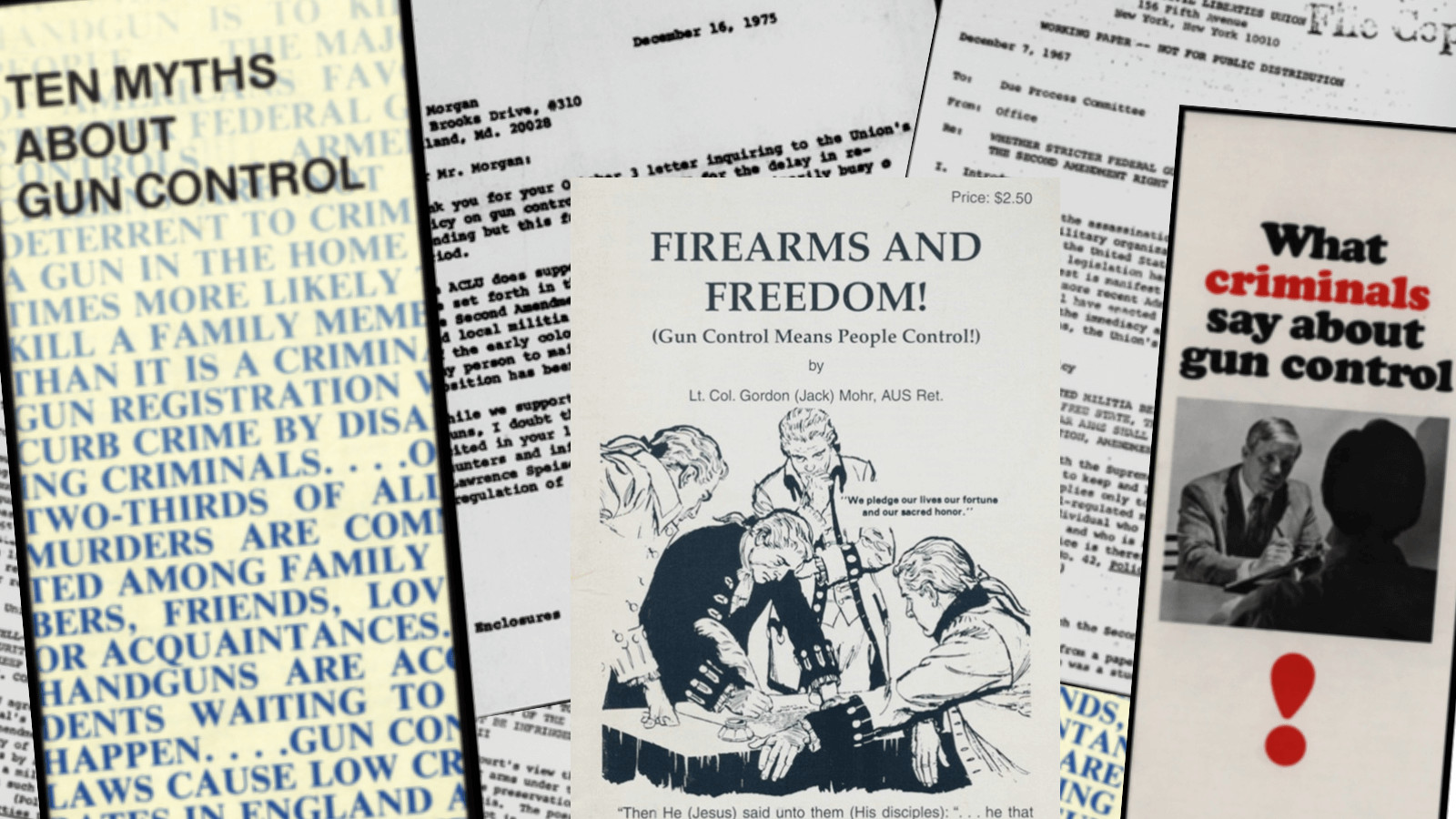
Studying gun control

|By Rachel Holt, Gale Primary Sources Acquisitions Editor|

This week (July 2022), US President Joe Biden was heckled by the father of a mass shooting victim during a White House event celebrating the passage of a federal gun safety law. This comes in the wake of the mass shooting that killed nineteen children and two teachers at an elementary school in Uvalde, Texas, on May 24, 2022. But how did we get here?

Read more

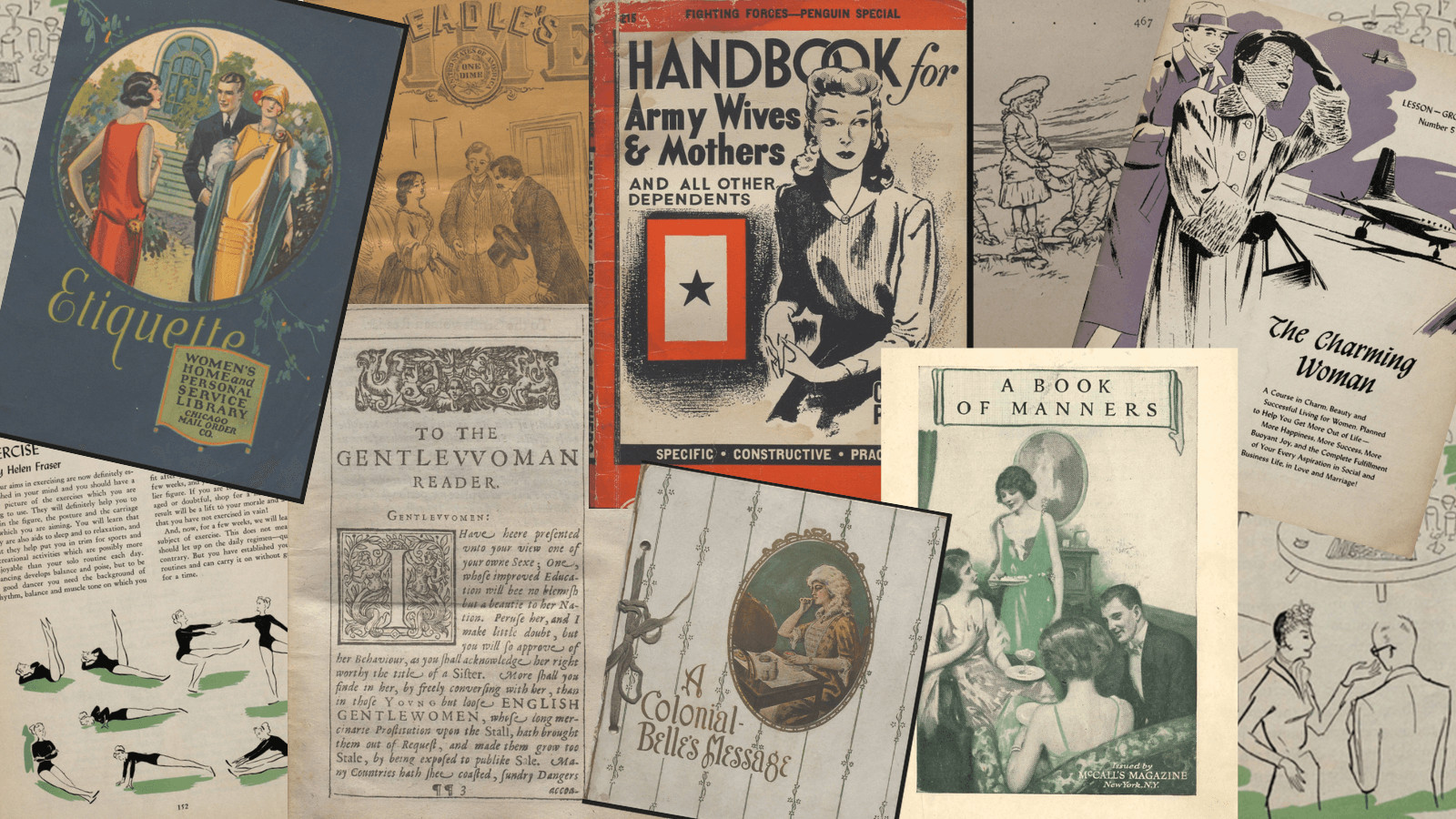
Etiquette and Advice, 1631-1969 – Good Manners as Prescribed by “Polite Society”

Etiquette and Advice from Archives Unbound

|By Phil Virta, Senior Acquisitions Editor, Gale Primary Sources|

Gale’s Archives Unbound collection Etiquette and Advice, 1631-1969 is a fascinating digital archive of material from Winterthur Museum and Library in Delaware. A collection of 429 British and American etiquette books and rare print ephemera, it allows us to explore the question, “who gets to decide what behaviours are ‘good’ or ‘polite’?” The materials span from the seventeenth to twentieth century, offering tidbits on everything from table manners to travelling, conversation to courtship, home furnishing to hospitality. Author Dena Attar observes, in the face of fears about the “decay of modern manners and the instability of society, [etiquette] writers often described their books as necessary correctives for wider social problems.”1 This collection will therefore interest not only book historians, but also social historians, literary critics, cultural studies scholars, feminists, and other lifelong students of transatlantic history.

Read more

How Important Was the Role of Women During WWII to the Victory of the Allied Powers?

Female Russian fighters
Symbat Omasheva, blog post authorIn Spring 2022, Gale ran a competition with Nazarbayev Intellectual Schools, Kazakhstan, which gave students at schools within the group the chance to research and write about a topic of interest – with the two top entries published on The Gale Review! Below is the runner up entry, a superb piece by Year 11 student Symbat Omasheva.

Nazarbayex Intellectual Schools logoThe schools within the Nazarbayev Intellectual Schools group have access to the Gale Reference Complete: Schools Edition – Ultimate package.

|By Symbat Omasheva, Year 11 student at Nazarbayev Intellectual School in Nur-Sultan|

The Second World War, which took place from September 1, 1939, to September 2, 1945, showed that women are capable of doing what was previously considered “men’s work” and making a significant contribution to the war effort. However, ideas about the gender distribution of responsibilities and the use of physical force differed greatly between the opposing sides in the war; the Allies actively promoted women’s contribution to the outcome of the war, while the Axis powers discouraged women from working on the military front.

Read more

Researching the Impact of the New Silk Road on Kazakhstan

Illustration of what is believed to be the Polo family crossing the desert with a camel caravan from a 1375 atlas

|By Maryam Kurumbayeva, 11th Grade, Nazarbayev Intellectual School in Pavlodar| The Silk Road was a great trade network that once connected Eurаsia and North Аfrica. The name is a reference to Chinese silk, transported via this route, which was extremely valuable and expensive. This trading road played a vital role not only in the economic … Read more

New Name, Same Unique Package: Gale Research Complete

Gale Research Complete

|By the Gale Subscription Resources Team| Words have meaning and names have power. For Gale’s largest subscription package, both are true. That’s why as of April 1, 2022, Gale Access Program (North America) and Gale Reference Complete (International) will have one unified name: Gale Research Complete. Gale’s academic team has thoughtfully considered this name change to more accurately represent the … Read more

Practical Pedagogy with Gale Digital Scholar Lab, Part II: Approaches to Project-Based Teaching and Learning

Header image - Notes from a DH Correspondent

│By Sarah L. Ketchley, Senior Digital Humanities Specialist, Gale│

One of the most significant shifts that has been taking place in humanities research in recent years is the movement towards team-based projects and public scholarship, in contrast to more traditional models of individual scholarship that favour print publication. The teams that form to engage in digital scholarship are often interdisciplinary, reflecting the diverse skillsets needed to create and publish digital research. A digital scholarship team may comprise disciplinary scholars, computer programmers, data scientists, specialists in informatics and design, and could be made up of faculty, staff, students, and consultants. Similarly, the digital humanities classroom offers students the opportunity to learn the skills required to successfully participate in team-based projects. This blog post suggests ways to incorporate project-based activities in the class using Gale Digital Scholar Lab.

Read more

Declassified Documents Online: Twentieth Century British Intelligence, Monitoring the World

Declassified Documents Online: Twentieth Century British Intelligence, Monitoring the World

|By Clem Delany, Acquisitions Editor, Gale Primary Sources|

It is now common knowledge that the German Enigma codes were broken during the Second World War in huts at Bletchley Park, and that this feat helped sway the tide of war in the Allies favour. Most people are also aware that Alan Turing was there, that early computers were being developed, and that after the war these codebreakers and the hundreds of people employed at Bletchley Park vanished into obscurity until the 1970s. These details have become part of popular culture: the shabby huts in the middle of a quiet countryside where great and secret things were happening providing the setting for the book Enigma by Robert Harris, or The Imitation Game starring Benedict Cumberbatch in tweed, and even a BBC Radio sitcom, Hut 33.

Read more