
A Reflection on the Reign of Queen Elizabeth II: The Modernisation of the Monarchy

│By Ava Nichols, Senior Gale Ambassador at the University of Aberdeen│

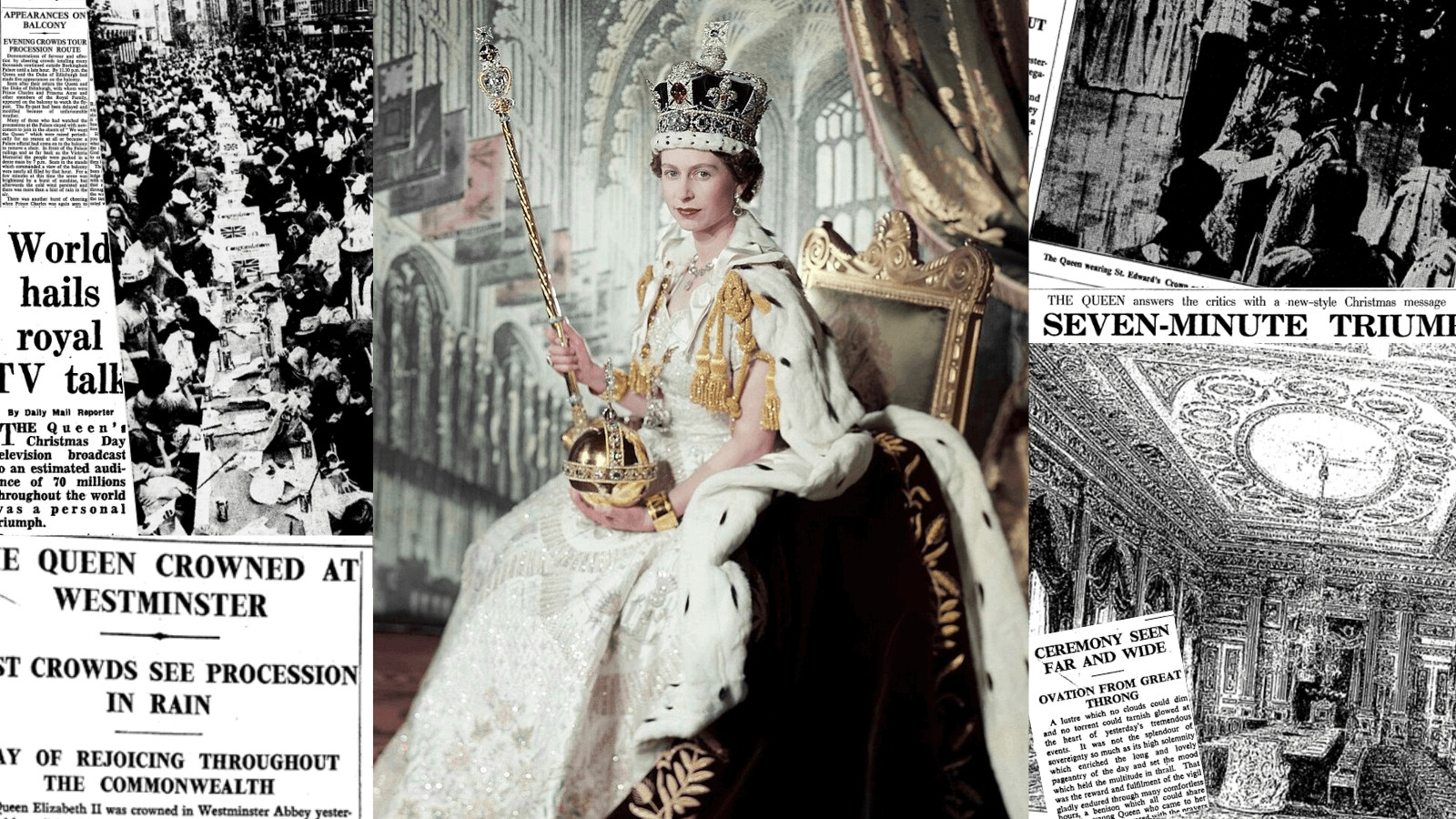
Following the passing of the longest reigning monarch in British history, the nation mourns the tragic loss of Queen Elizabeth II. I thought it was an apt time to reflect on some of the monumental accomplishments achieved during her reign. When Queen Elizabeth II was crowned in 1952, Her Majesty’s youthful ambition offered a sense of hope for change and progress for the British public. Reigning during the twentieth and twenty first centuries, the Queen made historical changes within the establishment, such as embracing technology. Through Gale Primary Sources, I researched The Times Digital Archive and the Daily Mail Historical Archive in order to gain a greater understanding of the modernisation of the monarchy. These digital collections offer a vast range of newspaper articles and publications from the twentieth century, increasing access to history and the potential for research within these collections around the globe.

Read more

Launch of British Library Newspapers, Part VI: Ireland 1783-1950

Irish newspapers

|By Rachel Holt, Gale Primary Sources Acquisitions Editor|

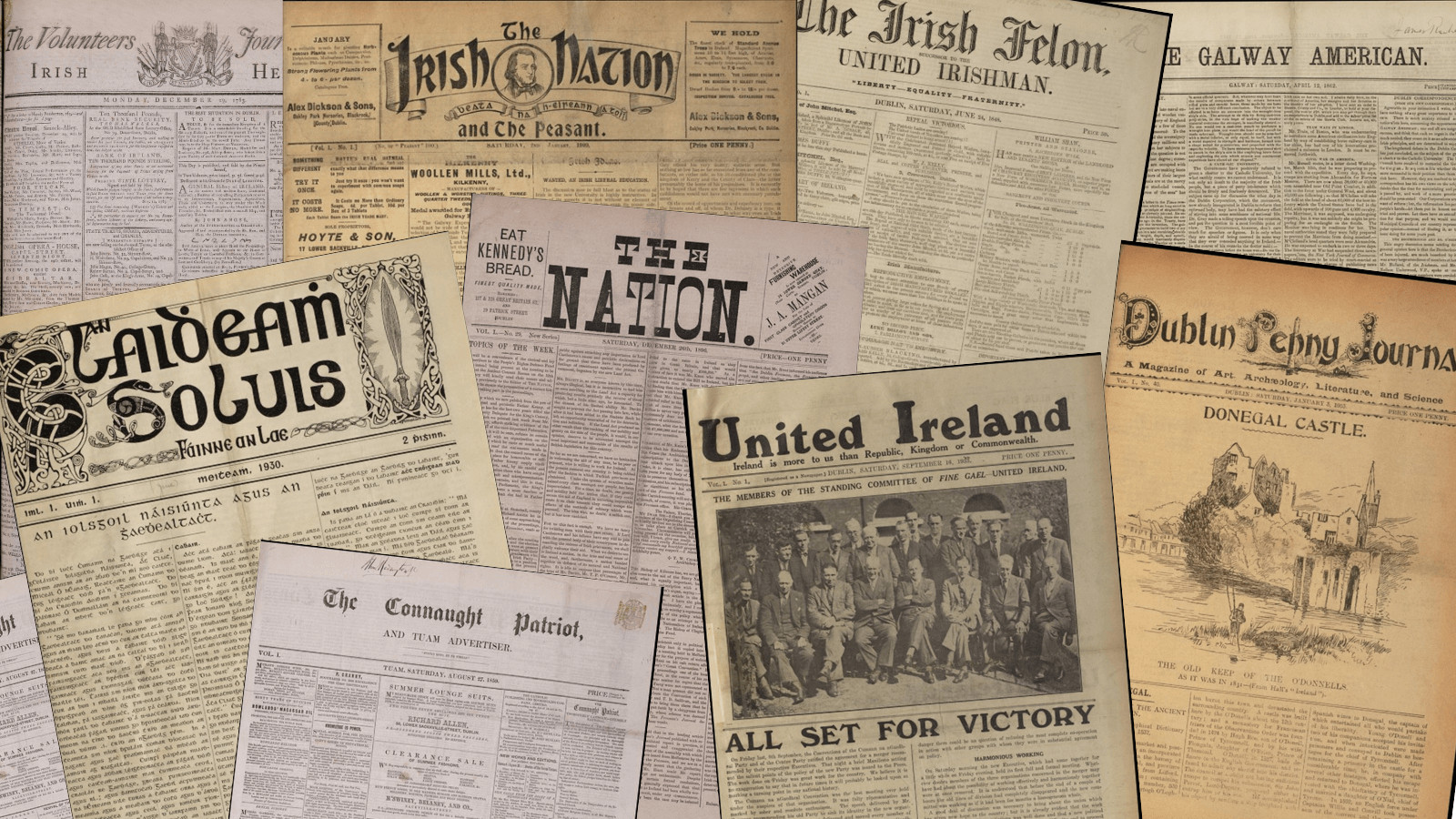
It is with great excitement that Gale announces the launch of the sixth instalment of the British Library Newspapers series. This latest module entitled Ireland 1783-1950 will add an additional 80 titles to the series and, as the name suggests, these were all published in Ireland in the late eighteenth, nineteenth and early twentieth centuries.

Read more

The Rise and Fall of Chinese Indentured Labour

Chinese Coolies and Overseers

|By Winnie Fok, Assistant Editor, Gale Asia|

Please be aware that this blog post contains language that may be offensive to some readers; the decision to read the post is at your own discretion.

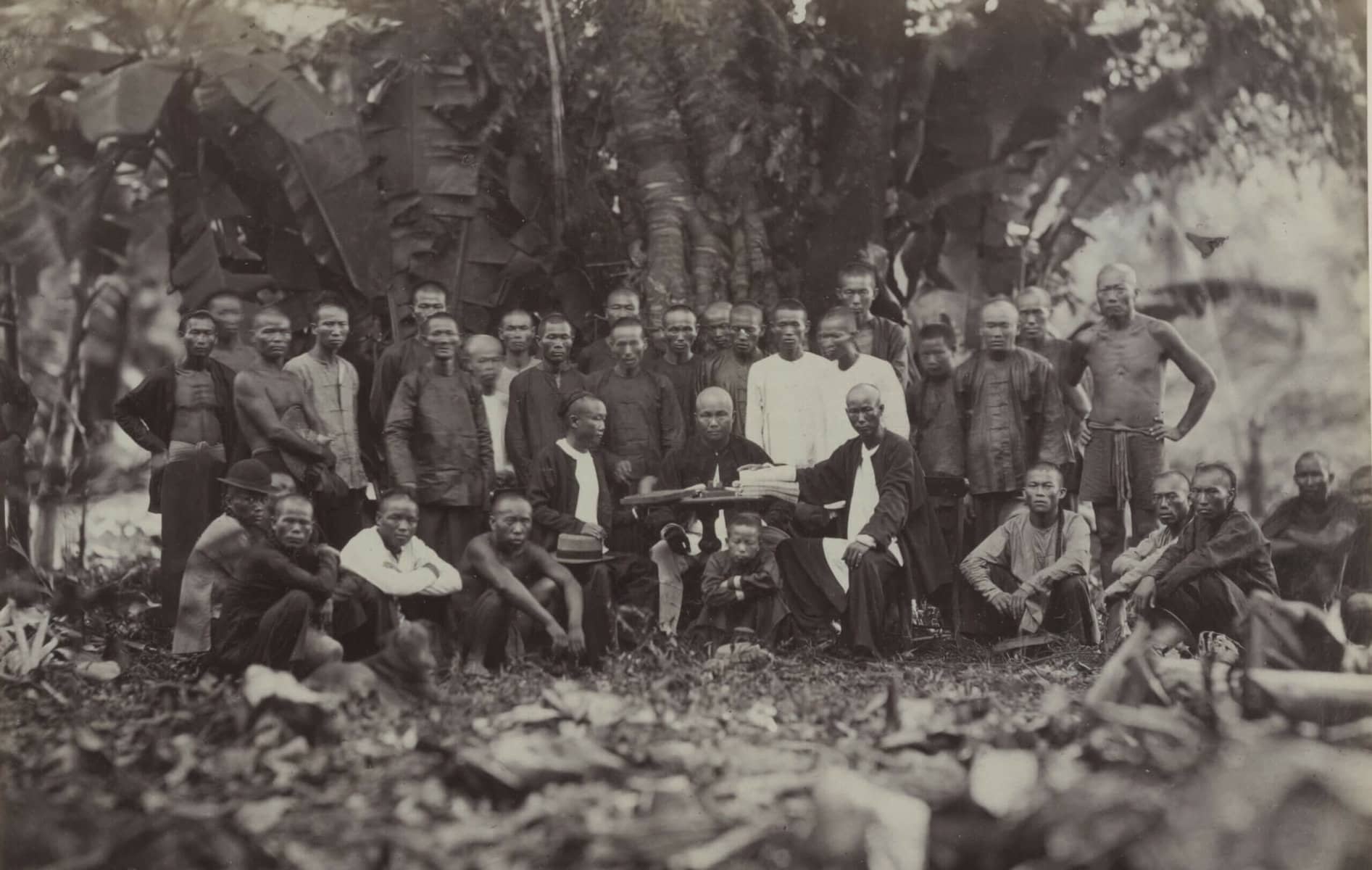
“Coolies” (a historical term for indentured workers) are a relic of the past, no longer around today. This blog post captures the fascinating and tumultuous history of the coolie trade in brief, through the valuable primary source materials found in China and the Modern World: Imperial China and the West Part 1, 1815–1881 and China and the Modern World: Imperial China and the West Part 2, 1865–1905.

Read more

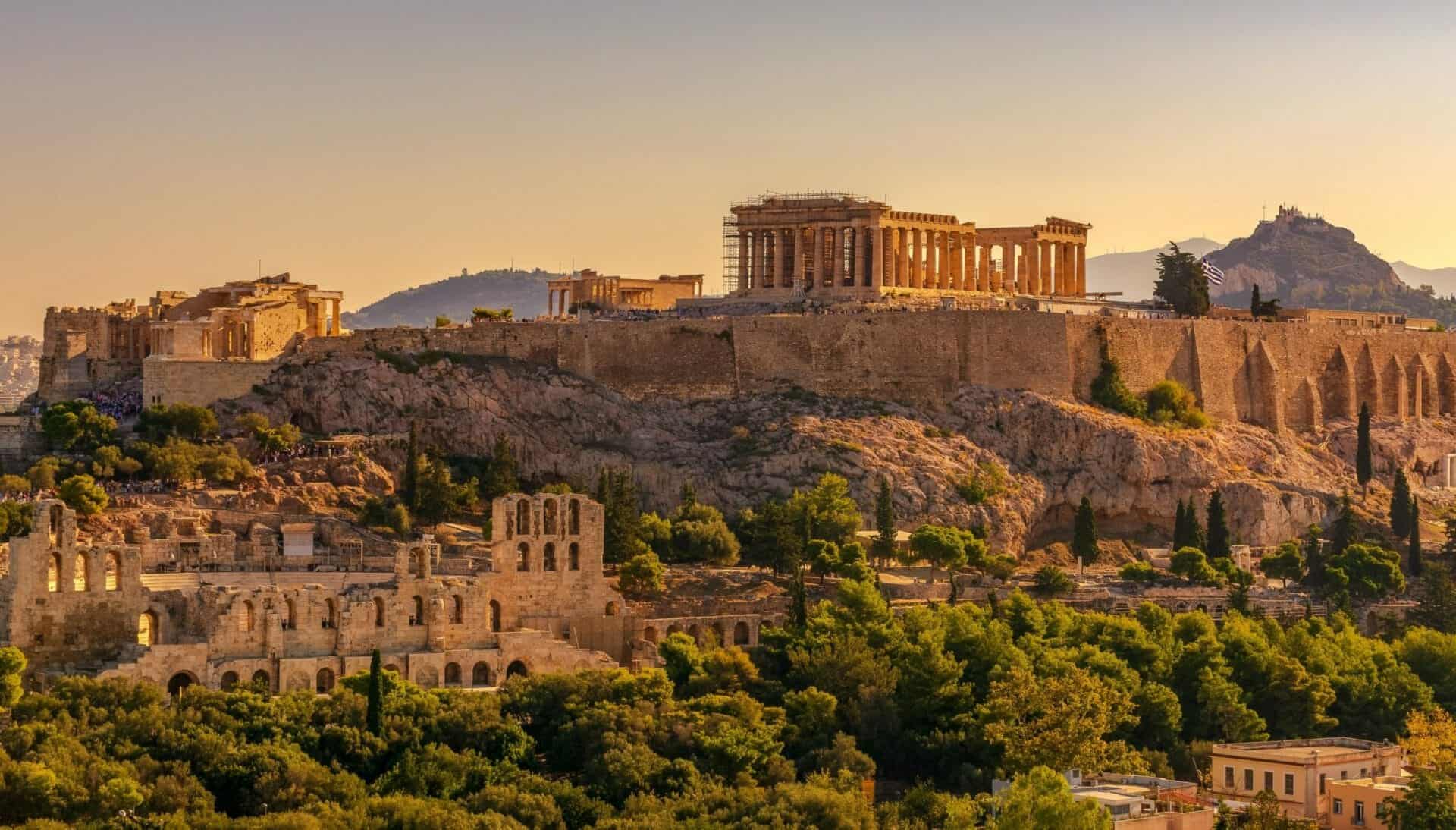
Exploring Receptions of Classical Literature with The Times Digital Archive and Gale Digital Scholar Lab

Acropolis Athens

| By James Carney, Gale Ambassador at King’s College London |

Classical Reception Studies refers to the interpretation, imaginings and reimaginings of the classical world since antiquity. It can illuminate the enduring pertinence of the ancient world throughout history – particularly in the cultural realm where its influence is most pronounced. Gale digital archives and, more recently, the Gale Digital Scholar Lab can markedly benefit any undertaking into this area by exposing the nature of classical reception across the ages, but also the discourses that surrounded and emerged from various interpretations of the ancient past.

Read more

Lesser-Known Narratives and Everyday Histories in Archives Unbound

Archives Unbound screenshot

│By Ellie Brosnan, Gale Ambassador at Durham University│

Studying archival material has been one of the most fascinating aspects of my History degree so far. Local libraries often host regional collections which provide a fascinating avenue into engaging with local histories, and being a student at Durham University in the north-east of England has allowed me to engage with primary sources from this area. During my time at university, for example, I have been lucky enough to see letters from servants at Durham castle from centuries past. Archives hold all manner of sources and uncovering new information is always rewarding, both physically and digitally. Delving into Gale’s online resources has also illustrated how digital archives can offer as much, if not more, compared to their traditional physical counterparts.

Read more

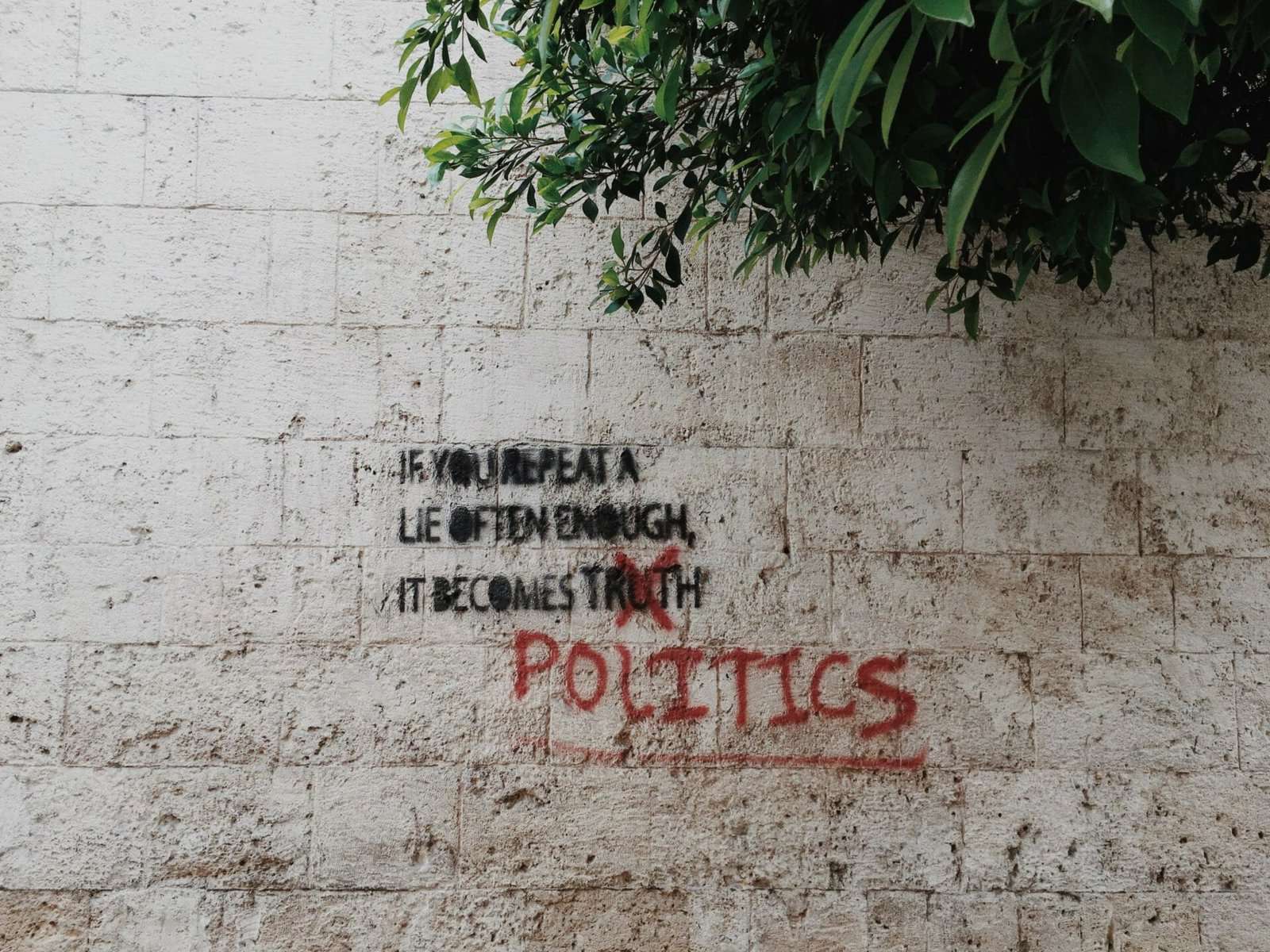
Free Speech in a “Post-Truth” Era – The Value of Digital Archives

| By James Carney, Gale Ambassador at King’s College London |

As a literature student, I have studied the power of language for myriad and varying purposes in a range of historical contexts. My studies have exposed me to the fact that language is inherently political – the way in which we construct verbal expression can reflect and compound the powerful forces that command us like hierarchies, social structures, identities or even biases. An example that comes to mind is the profound racism in the name given to South America’s most notable sea – the Caribbean. Popularised by the cartographer Thomas Jeffreys, the word finds roots in the Spanish word for cannibal (carib), and is a name which conquistadors enforced on the natives of this region. The political nature of language is clear from this example – in line with the constructed ‘civilising’ mission of imperialism, language came to reflect prevailing perceptions of the Spanish conquerors in relation to their (problematically) ‘savage’ subjects.

Read more

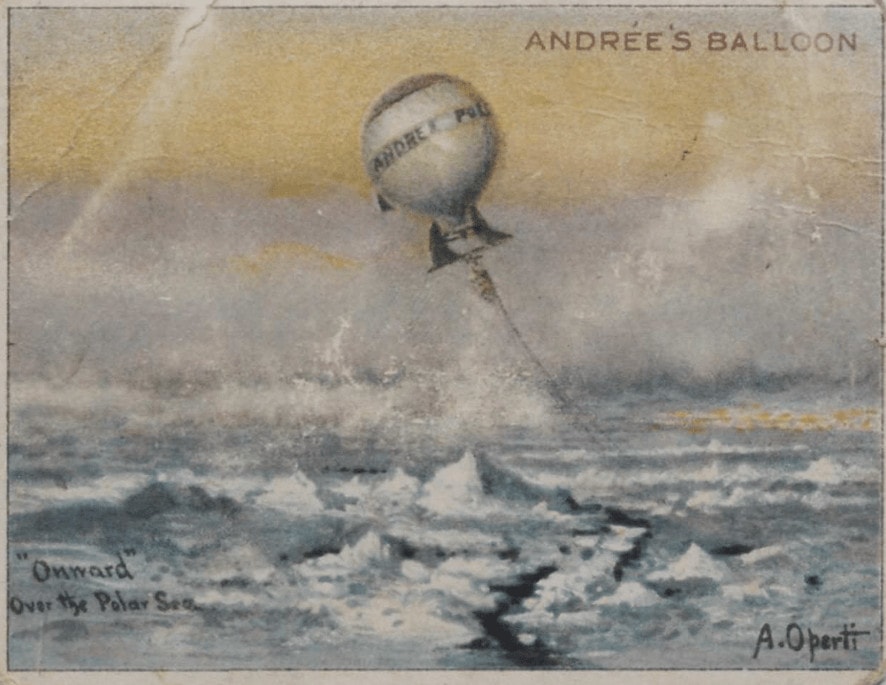
Andrée’s Arctic Balloon Expedition

'Andree's Balloon. Onward over the Polar Sea

|By Sara Pellijeff, Gale Field Sales Executive – Nordics and Baltics|

On July 11, 1897, the hydrogen balloon Örnen (“The Eagle”) took off from Svalbard (a Norwegian archipelago between mainland Norway and the North Pole) with three Swedish expedition members on board – Salomon August Andrée, Knut Frænkel, and Nils Strindberg. The plan was to float over what was, at the end of the nineteenth century, the world’s last mysterious destination: the North Pole.

Read more

A Media and Journalism Student is Thrilled to Discover Gale!

Sticky notes and laptop on table

│By Emily Priest, Gale Ambassador at the University of Portsmouth│

In this post, Emily interviews an undergraduate student before and after running a one-to-one training workshop on Gale Primary Sources, revealing how the platform tools and extensive content can help alleviate some of the difficulties the student faced in their studies.

Read more

From Rise to Red Top: The Role of the Mirror in Shaping British Journalism

Old and New cover of Mirror

│By Rebecca Bowden, Associate Acquisitions Editor, Gale Primary Sources│

From its inception in 1903, the Mirror has played a pivotal role in the history of British journalism, and today is the only mainstream, left-wing tabloid remaining in the UK. The newspaper has had a history of highs and lows, peaking in 1967 with a daily circulation of 5.25 million; understanding that history is an essential part of understanding British historical journalism. The Mirror not only played a prominent role in shaping newspapers as we know them today, but also acts as a distinctive counterpoint to the more conservative reporting in much of Britain’s mainstream press.

Read more