In the Footsteps of My Avô: Exploring Angola’s Fight for Independence Through Family History

|Rosa Ferreira, Digital Product Trainer|

Armando Dias De Castro, my avô – my Portuguese grandfather – was a man full of life. He was warm, funny, always ready with a story or a joke. He was also the kindest man you’d ever meet. But when it comes to his time in Angola, I’ve got nothing. No stories, no memories. If he ever spoke about it, I must have been too small to notice, or the words just never stuck.

My uncle, however, recalls many conversations. That makes me believe my avô must have shared his experiences, at least in fragments, though they slipped past me.

It is this gap – between the grandfather I knew and the silence that lingers – that has drawn me into the archives.

Read more

Leaving a Mark: Historical Graffiti

│By Elizabeth Gaglio, Digital Product Trainer|

“What is it actually about?” the bookseller asks me as we scan the shelves in the British History section.

“Graffiti in the eighteenth century,” I say. 

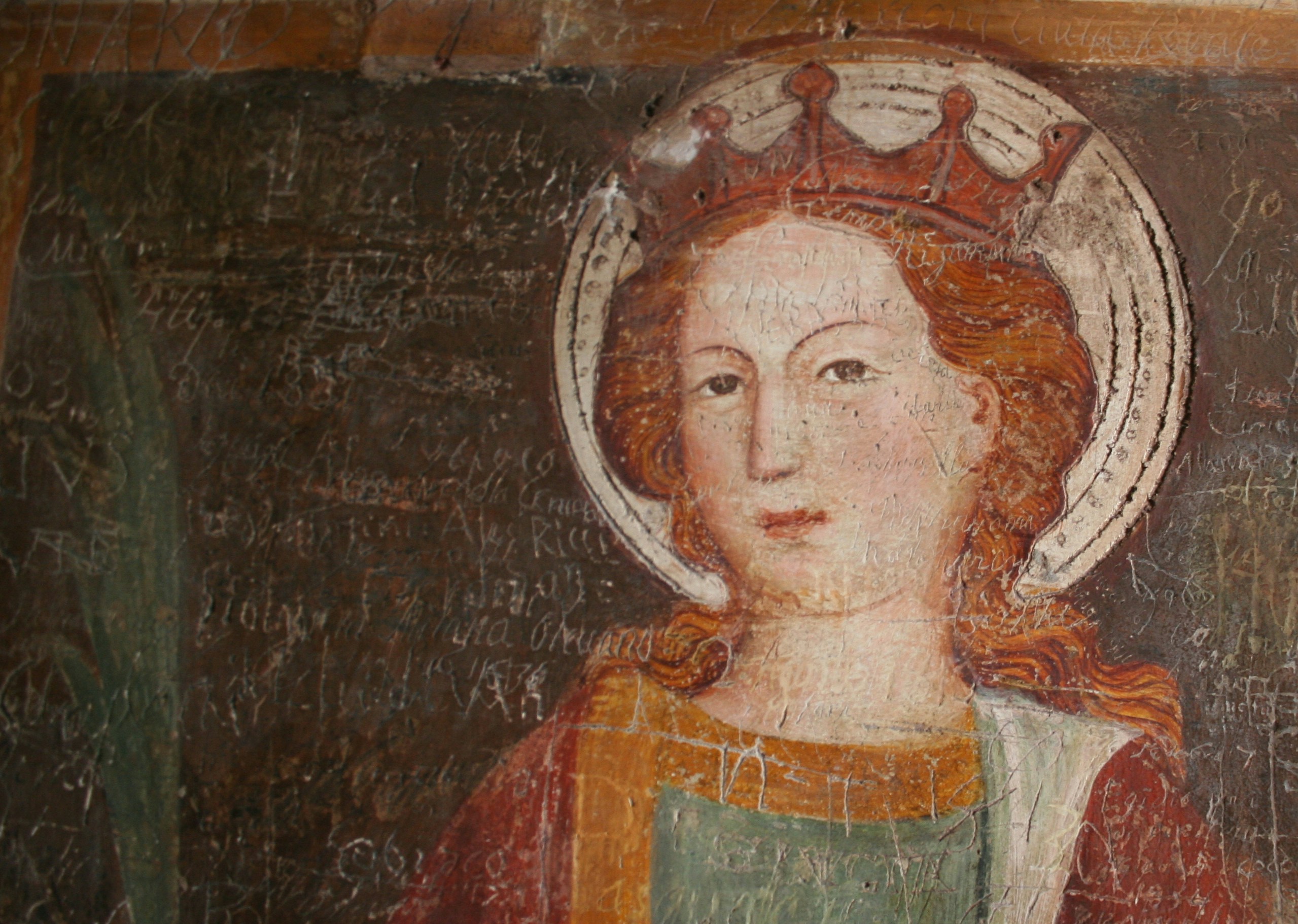
Admittedly, it’s a topic I may have thought was out of place not long ago. Graffiti, by nature, is often thought of as impulsive and temporary; an expression of a moment, publicly written somewhere it doesn’t belong. How much can we really know about writing, marks, and art that have long since been washed away or painted over? 

In the book I’m looking for, Writing on the Wall: Graffiti, Rebellion, and the Making of Eighteenth-Century Britain, historian and author Madeline Pelling shares some specific examples of how “lost voices”, especially of those who were not otherwise published and preserved, can still be heard and seen today. The bookseller spots the book, aptly hidden in plain sight, and uses the ladder to bring it down to me. 

Read more

How A Girl Should Be: How Female Experiences Have Changed Over Time

│By Olivia McDermott, Gale Ambassador at the University of Liverpool│

As International Women’s Day begins to approach, it seems fitting that we should reflect upon the many ways in which the female experience has changed over time.

Historically, from a patriarchal lens, the female experience has been aligned with ideas of subjugation, inferiority, and passivity. With the societal expectations of marriage and childrearing being deemed as intrinsic aspects of womanhood, up until the early Victorian period, women’s freedoms were extremely limited. However, this began to change by the end of the eighteenth century, as the passing of The Education Act (1870) allowed girls to receive the same education as boys.

Read more

A Window Into Decolonization: Perspectives From Formerly Colonised and Commonwealth Regions

│By Aiman Urooj, Gale Ambassador at the University of Delhi│

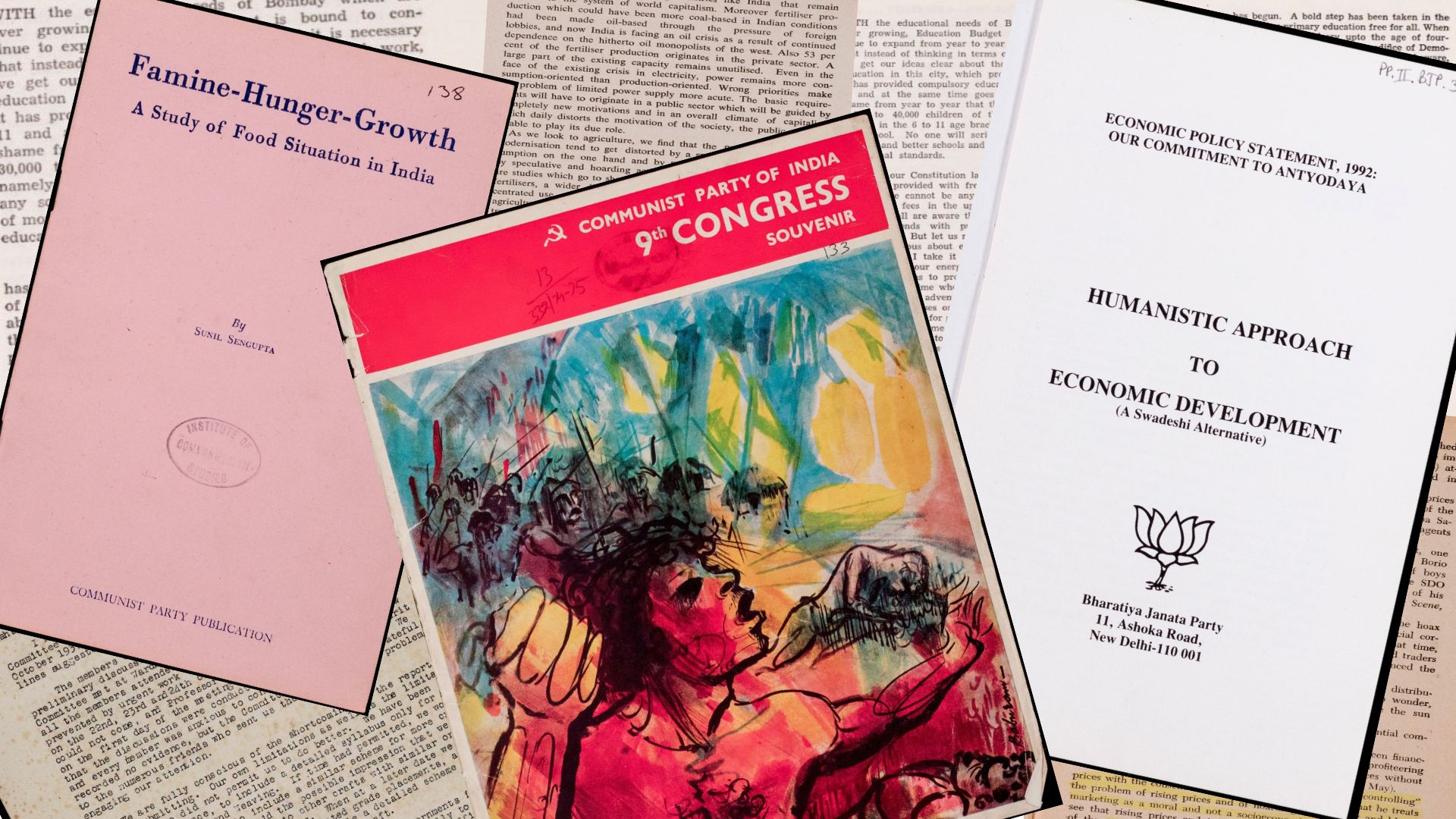
For scholars deeply studying decolonisation, access to primary sources and uncovering the voices that influenced anti-colonial movements is indispensable.

Archival collections consisting of historical documents like political pamphlets, newsletters, and institutional press releases provide unique insight into the socio-political and intellectual struggles of the independence movement. In that line, Gale Primary Sources’ Decolonization: Politics and Independence in Former Colonial and Commonwealth Territories digital archive proves to be an essential asset for researchers intending to understand the real dynamics of the revolutionary period.

Read more

United Farm Workers and Chicano Literature: Primary Sources as a Tool for Language and Cultural Studies

│By Ray Linn, Gale Ambassador at Maynooth University│

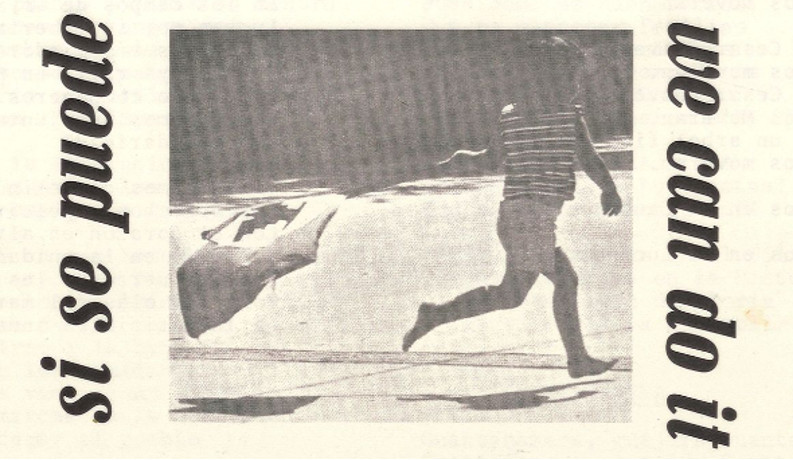
I started studying Spanish nearly 8 years ago now, but it never interested me so much as last year, in the final year of my undergrad degree, when I enrolled in a Chicano/a Literature module. I hadn’t studied literature much previously, but in that class, I learned how essential it is to living. It allows us to connect with people whose experiences are different from our own, and to see the world through lenses that were previously unknown. But reading requires context. Using primary sources allows me to contextualize what I read when it comes from cultures and histories I’m unfamiliar with, allowing my view to expand and my understanding to grow.

Read more

Studying Colonialism in Complementary Archives: Nineteenth Century Collections Online and Decolonization

│By Louis Venter, Gale Ambassador at the University of the Free State│

If you ask any seasoned historian what makes historical research unique, they will emphasise the crucial role of primary sources, which define and distinguish history from other forms of academic writing. In an ever-digitising world, historians can now access digital scans of genuine archival material from anywhere, eliminating the need to travel to distant archives, and making research more efficient.

Bringing together primary sources from multiple archives can enhance one’s research, and Gale Primary Sources offers two key complementary digital archives that can be used in tandem to study colonialism – Nineteenth Century Collections Online: Europe and Africa, Colonialism and Culture and Decolonization: Politics and Independence in Former Colonial and Commonwealth Territories.

Read more

Exploring Community and Identity in Sexuality and Gender History – Archives of Sexuality and Gender: Community and Identity in North America

│By Phil Virta, Senior Acquisitions Editor│

Queer history is full of groups and individuals that took a stand against injustices, fought to change discriminatory laws, advocated for acceptance, and spoke out for those who might otherwise remain marginalized.  Studying this history can inspire and educate us as we face ongoing challenges in society such as homophobia, transphobia, attacks on women’s rights, and a willingness to eliminate any mention of diversity, equity, and inclusion.

Archives of Sexuality and Gender: Community and Identity in North America (ASG VI) offers interesting perspectives on society, sexual identity, community building, and gender issues.  It presents a history of North American society with materials that cover activism, social justice issues, disabilities, women’s rights, alternative sexualities, sexuality and religion, and ethnic communities.  The collections detail how identities developed in different social conditions, and how communities grew around dedicated, sometimes courageous, individuals and organized groups.

In this venture Gale Primary Sources has partnered with the ArQuives, Canada’s LGBTQ2+ Archives; the GLBT Historical Society; the Elihu Burritt Library (Central Connecticut State University); and Colegio de México, which represents Canada, the United States, and Mexico.  This archive comprises 28 collections that provide a personal historical perspective, helping researchers get to know the individuals and groups involved. 

Read more

Going off Script: How Gale Primary Sources Can Be Used in Theatre Studies

│By Olivia McDermott, Gale Ambassador at the University of Liverpool│

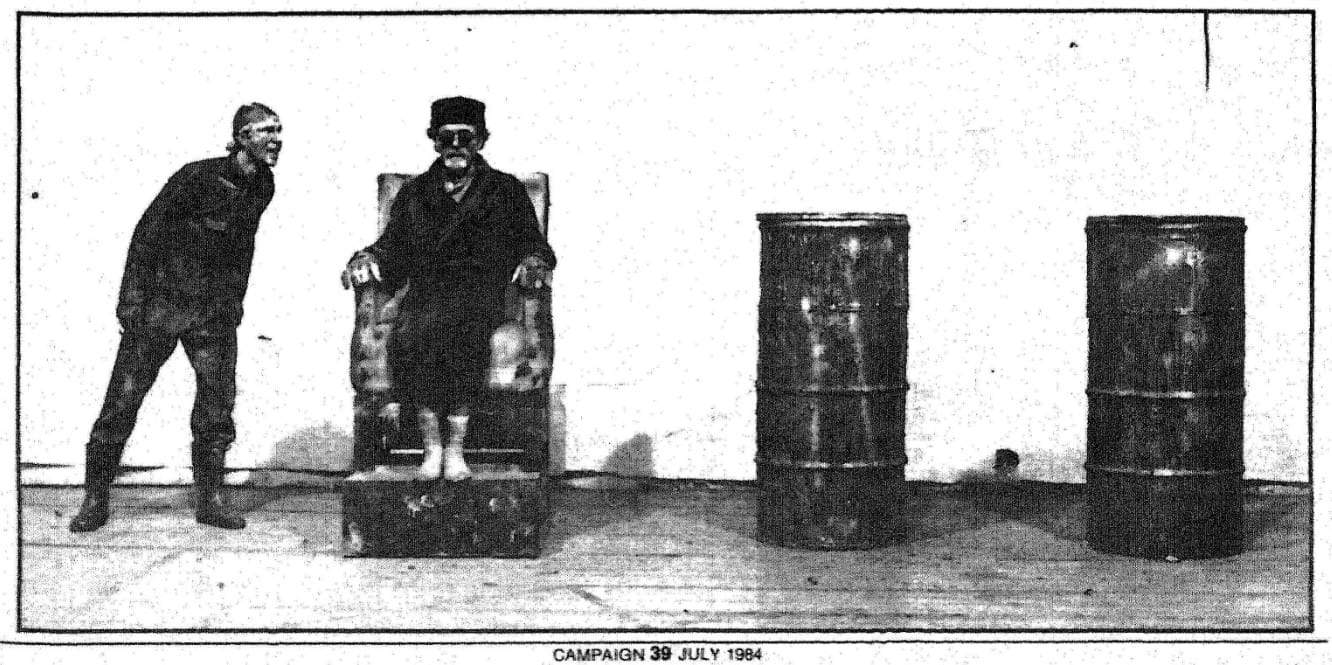
For a subject such as drama, primary sources are continuously overlooked. Much academic study preceding degree level tends to focus on the practical realm of theatre. Though it is an important aspect, this sometimes leads to contextual ideas being ignored.

Read more

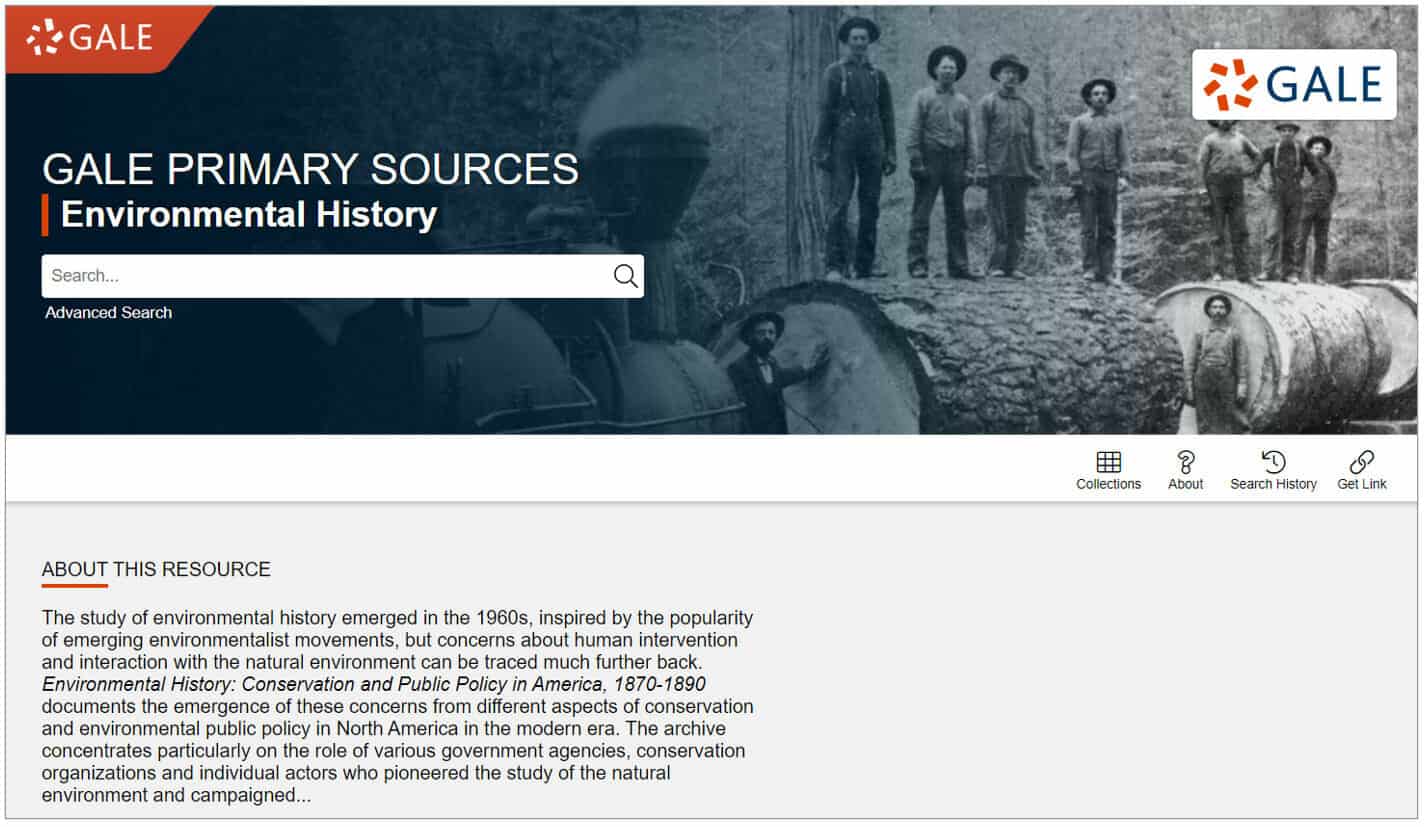
The First Module in Gale’s Environmental History Series – Conservation and Public Policy in America, 1870-1980

│By Lindsay Whitaker-Guest, Associate Editor│

In the summer of 2023, four alarming global climate records were broken: the hottest day on record globally; the hottest June on record; the warmest global ocean temperatures in May, June, and July; and the lowest recorded level of Antarctic sea-ice. One could not turn on the television or look at a news website without seeing images of harrowing wildfires in Europe, Hawaii and Canada or the devastating typhoon in East Asia. As I sat sweltering on a Sardinian beach during heatwave Charon in late July, my thoughts echoed those from all over the globe, is the Earth now in a climate crisis? And how did we get here?  

Read more

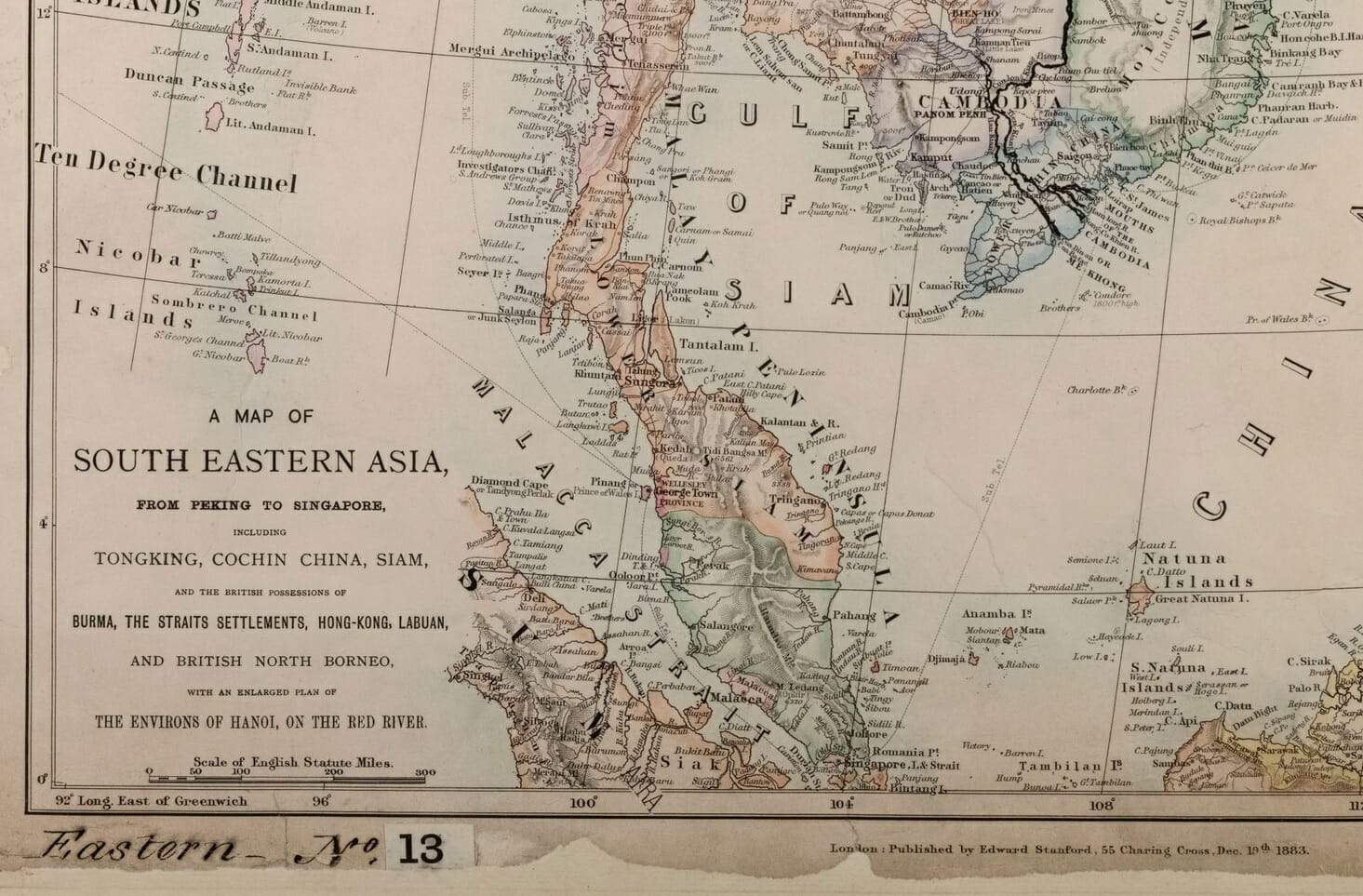
Decolonisation in the British Empire in Asia: The Malayan Emergency and Singapore

│By Dr Lucy Dow, Gale Content Researcher│

The recently published State Papers Online Colonial: Asia, Part I: Far East, Hong Kong, and Wei-Hai-Wei spans over four hundred years of British Colonial Office files, from the 1550s to 1970s. Britain’s colonial rule in Asia took various forms through the period and within different territories, with varying degrees of control, from local autonomy apart from defence and foreign relations, to full British administration. While some local people benefited from their involvement with the British, many colonised peoples suffered and resented colonial rule. This resentment led to resistance to British colonial authority, in various ways and to differing extents from territory to territory.

In the twentieth century, and particularly following the complete failure of the British to protect the local communities from Japanese invasion during the Second World War, the cumulative effect of this resistance, combined with other geopolitical factors, led to the rapid reduction in the size of British Empire, as former colonies secured their independence in what is now referred to as the period of decolonisation. The primary sources in this online archive document this change in the political landscape of Asia and Britain, as explored in the examples below.

Read more