Nazi Germany, Ancient Rome: The appropriation of classical culture for the formulation of national identity

By Paula Maher Martín, Gale Ambassador at NUI Galway

To read this blog in Spanish, click here.

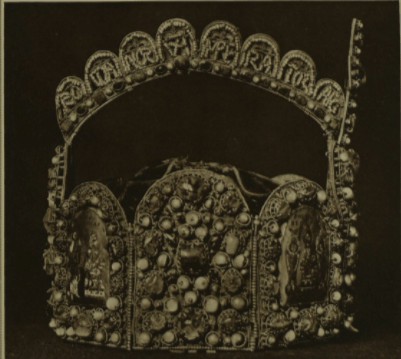
The Germania, an apparently harmless description of the territories, customs and tribes of the Germani by 1st century Roman historian Cornelius Tacitus, was acclaimed by Nazi Germans as a banner: a portrait of the primitive Aryan; ‘virtuous, fearless and heavily militarized’, qualities the Nazis felt had reverberated through the centuries and supported the racial identity of the modern German.

Read more

On Her Majesty’s’ Secret Service – Elizabeth I in the age of spies

By Rory Herbert, Gale Ambassador at the University of Portsmouth

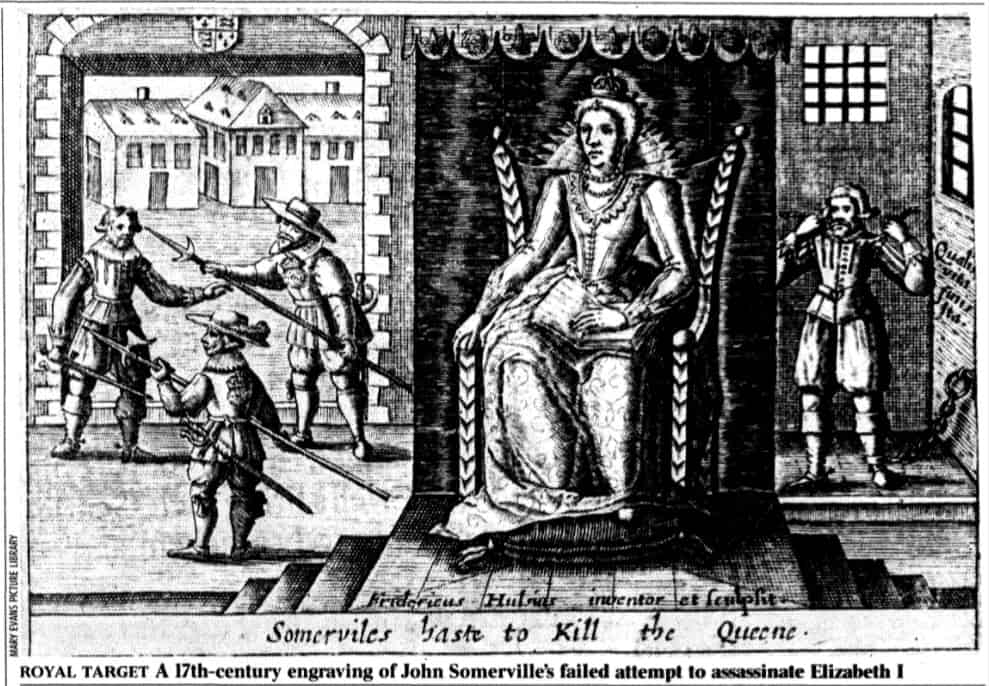
While I’m sure we’re all familiar with the daring tales of English privateers and explorers during the Elizabethan age, there remains a forgotten and crucial element that helped Elizabeth maintain power. Under her reign, and with the significant help of her counsel, Elizabeth helped to cultivate and manage an extensive network of intelligencers, spies and informants that spanned the length and breadth of the continent. And what better way to view these official government communiques than in Gale’s State Papers Online.

Read more

Horror and Censorship Alfred Hitchcock’s ‘Art of the Cinema’

By Daniel Mercieca, Gale Ambassador at Durham University

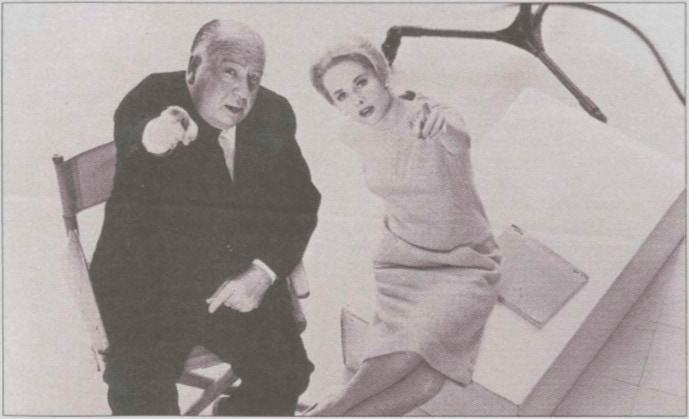
Since the March 2018 Facebook and Cambridge Analytica controversies, censorship and data protection have come under an intense spotlight in today’s digitised society. While we become increasingly sceptical of surveillance, and cautious of what we post online, it is important to appreciate those who have struggled to be fully seen and heard. The efforts of writers and filmmakers to overcome issues of (in)visibility have consistently featured in my study of literature at university; Elizabeth Gaskell’s serialisation in Charles Dickens’ Household Words magazine, 1850-51 (she was restricted from publishing independently because of her gender), the Brontë sisters’ use of male pseudonyms, and the 1918 posthumous publication of Gerard Manly Hopkins’s poetry due to his Jesuitical vow of obedience, are all examples of nineteenth-century censorship.

Read more

‘A Tale of Two Collections’: The Stuart Papers and Cumberland Papers at the Royal Archives, Windsor Castle

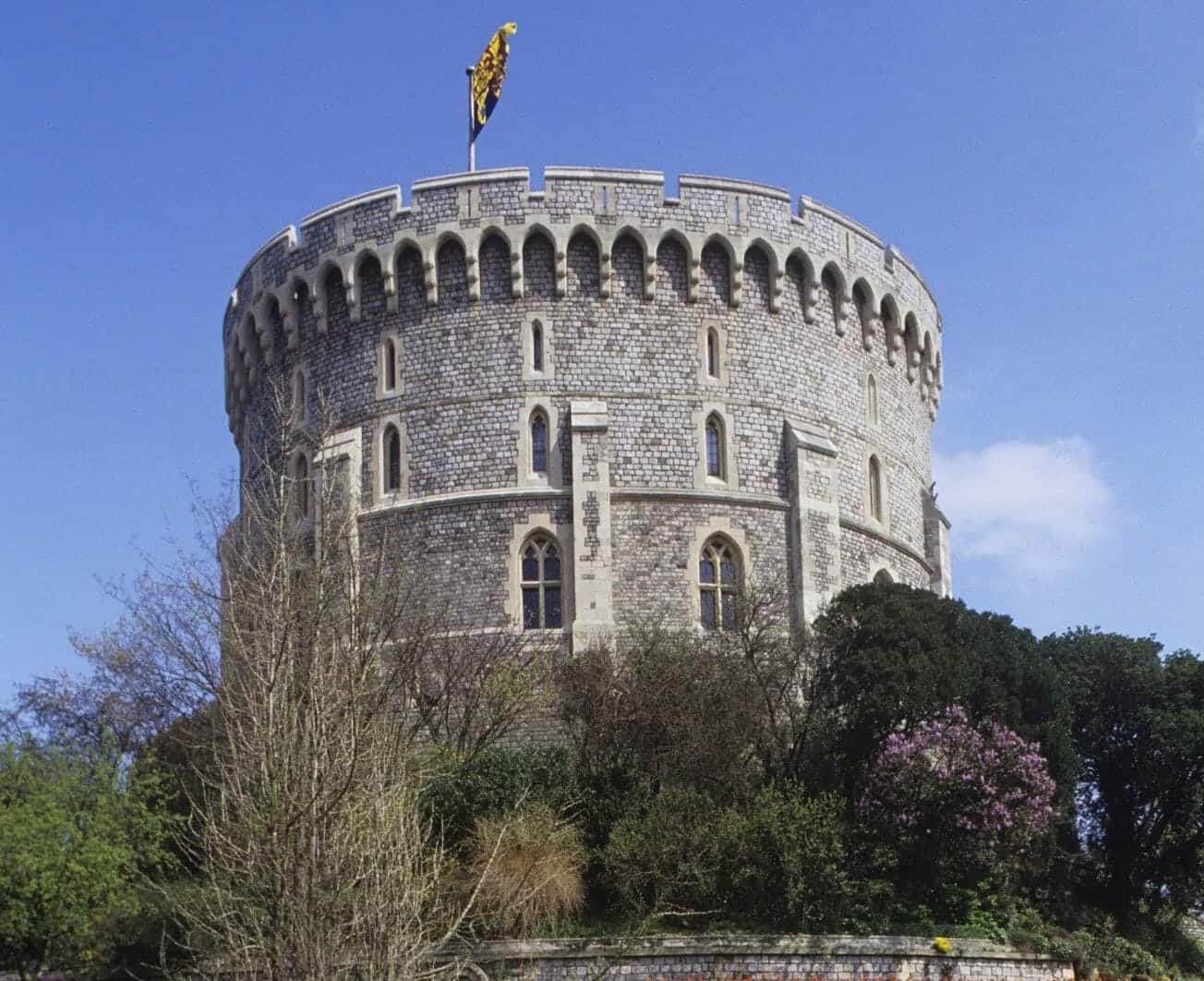
The latest instalment of the extensive State Papers Online series sees two fascinating collections from the Royal Archives at Windsor Castle brought together to make the definitive Jacobite archive. In a new collaboration between the Royal Archives and Gale – with Daniel Szechi, Emeritus Professor at the University of Manchester, as academic advisor, and contributions from other leading academics in the field – this collection allows researchers to explore the Jacobites through their own words.

Read more

Women’s History Month

By Traci Cothran

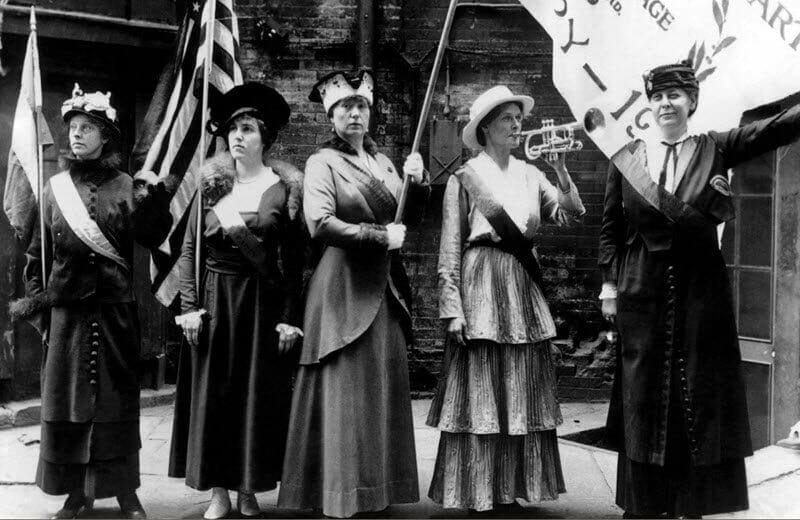
How wonderful is it that following the release of the movie “Hidden Figures,” the stories of Dorothy Vaughan, Mary Jackson, and Katherine Johnson are now known by millions? Their collective story is an impressive and important one, yet it’s a part of our history that’s been concealed for decades.

What other significant contributions by women are also shielded from view? It’s a joy to uncover these gems, and allow them to inspire other women and girls today. To me, that’s what Women’s History Month is all about—shining a light on the often overlooked contributions made by women throughout history.

Read more

‘Sporadic riots’ and ‘false reports’ – British Reporting of the 1929 Igbo Women’s War

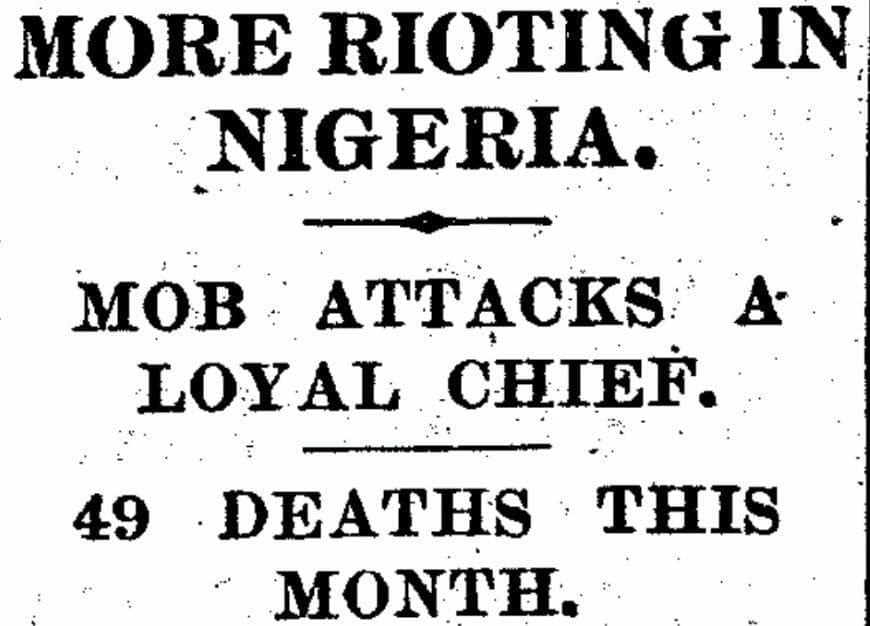
Rioting in Nigeria - headline

By Tom Henderson, Gale Ambassador at Durham University

In December 1929, British newspapers reported on ‘sporadic riots’ taking place in the British colony of Nigeria, targeting Warrant Chiefs and Native Courts across several districts. This was the Ogu Umunwaanyi or ‘Women’s War’: a coordinated insurrection of Igbo women against British colonial rule, ignited by a fear of taxation.

Read more

“Judge my work not me” Searching for misogyny in literary reviews

By Anna Sikora, Gale Ambassador at NUI Galway

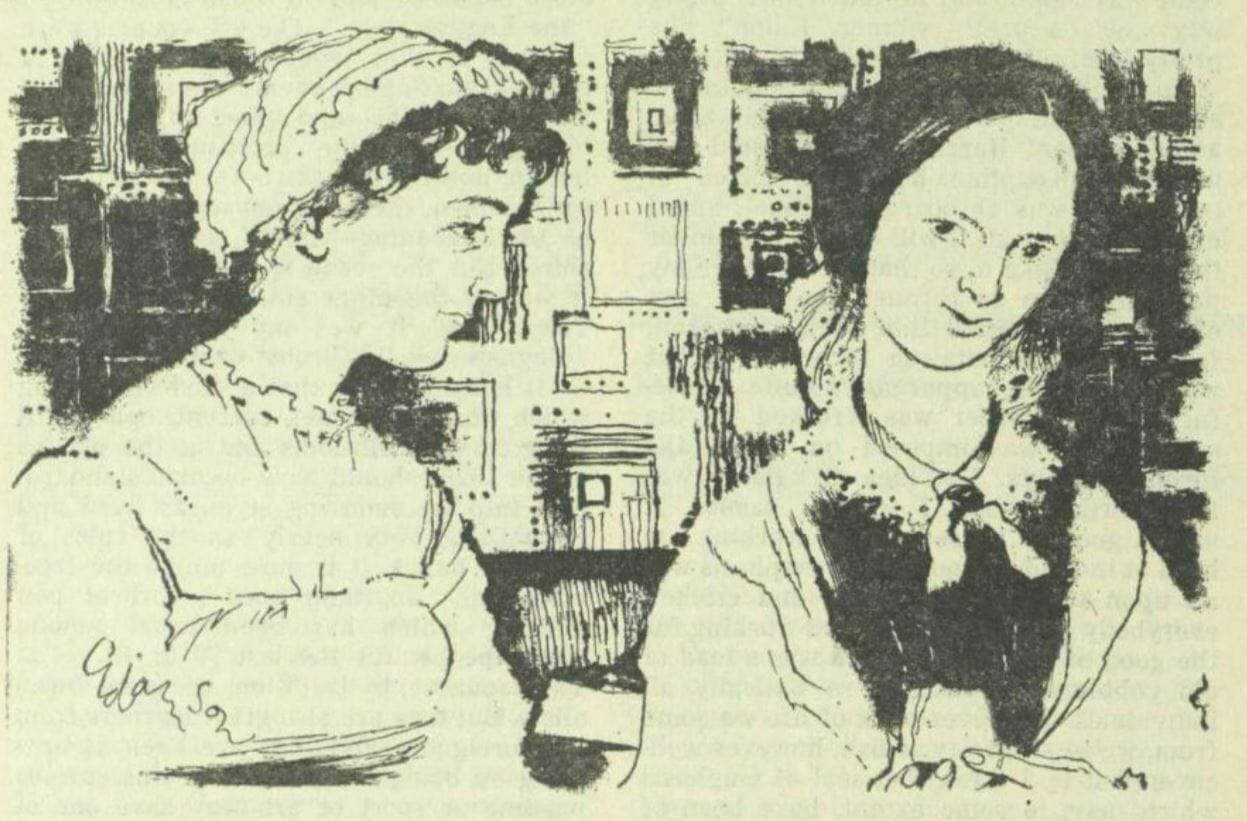
In the recent movie To Walk Invisible (2016), a biopic depicting the lives of the famous Brontë sisters, Charlotte tells her sisters to publish their work under male pseudonyms. This, the oldest Brontë supposedly reasoned, was to prevent the publishers from judging the authors, and to invite them to judge the story instead. A certain degree of moral indignation prompted some of my students to take Charlotte’s statement as a cue to sweepingly proclaim that none of the Brontë sisters would have been published had they submitted as Anne, Emily and Charlotte. If this were true, said I (a woman), there would have been no literature by women in print until Ms Wolf entered the literary scene. Generalisations and hasty conclusions kill critical thinking, so let’s take a step back and read what was actually written about the early women writers publishing under their real names and literary aliases at the time their works hit the bookshop and library shelves.

Read more

Fashion and the Eighteenth-Century Public Sphere: from Tatler to Twitter

By Daniel Mercieca, Gale Ambassador at Durham University

‘Since t’is the intent and business of the stage,
To copy out the follies of the age
To hold to every man a glass,
And show him of what species he’s an ass’.[1]
– John Vanbrugh

The sharp, epigrammatic wit of John Vanbrugh’s preface to The Provoked Wife (1697), reflects the theatricality of eighteenth-century audiences and exposes the wider hypocrisy of the ‘Public Sphere’[2]. After the Restoration of Charles II, the New Printing Act (1662) led to a watershed of publishing and print culture in Britain[3]; a society in which political sentiments and private identities bled into each other. The torrent of periodicals, pamphlets and magazines circulated gossip and popular opinion, cultivating a highly self-conscious and extravagant nation.

Read more

The Cook, a Journey, the Queen, and her Husband – a snippet from exiled Jacobite Court history

│By Julia de Mowbray, Publisher at Gale│

While reviewing the content recently loaded into the online archive The Stuart and Cumberland Papers from the Royal Archives Windsor Castle, one document caught my eye: a plan of a journey with daily stops for meals or a night’s rest. Descriptions of journeys and itineraries, plotting out where someone travelled at a particular time, especially from earlier centuries, can transport me back to that time – placing my feet on that road or piazza, in that carriage or train – to experience the same journey in my imagination.

Read more

Newspaper reports on the bicentenary of the abolition of the slave trade

By Tiria Barnes, Gale Ambassador at the University of Liverpool

On the 25th of March 1807, the British Parliament passed the Abolition of the Slave Trade Act which prohibited the carrying of slaves in British ships. While it is important to note that this did not outlaw slavery itself, which came about in 1833 as a result of the Emancipation Act, 1807 was a significant step in the right direction. Two hundred years later, the UK commemorated the bicentenary of the act, and attempted to reflect on the brutality of slavery [1]. Using Gale Primary Sources, I thought it would be interesting to study how this was reported in the media, taking note of the ways in which newspapers depicted the actions taken by the UK as part of the commemoration.

Read more