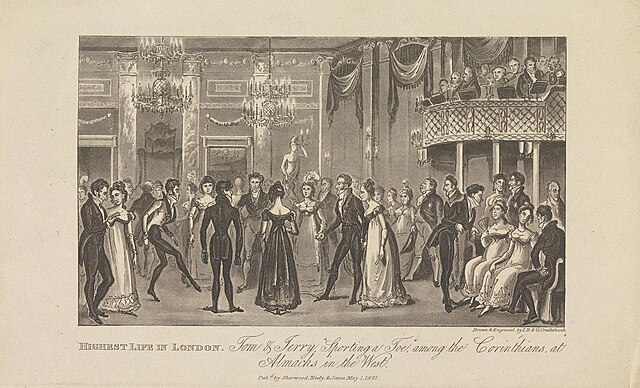
Fabricating History: Empire Lines, Modern Designs, and the Politics of Dress in Regency Representations

│By Megan Harlow, Gale Ambassador at Durham University│

It is a truth universally acknowledged that Regency fashion has become a cultural touchstone, romanticised amid the contemporary resurgence of early nineteenth-century period dramas. The global reception of Bridgerton (2020–), alongside the proliferation of the ‘Regencycore’ aesthetic, exemplifies the symbiotic relationship between historical narrative engagement and a renewed preoccupation with sartorial historiography, positioning fashion as a dynamic site of aesthetic and ideological negotiation.

Yet, as screen portrayals negotiate between historical fidelity and modern sensibilities, they often obscure the constructed nature of costume, selectively resurrecting aspects of the past while neglecting the intricate social, political, and economic meanings embedded in dress. 

Drawing on Gale Primary Sources, this analysis interrogates how Regency fashion was originally represented and how its legacy is reshaped in adaptation. Ultimately, questioning what histories are made visible through costume, and what is strategically forgotten, highlighting the historiographical implications of fashion in contemporary media.
Read more

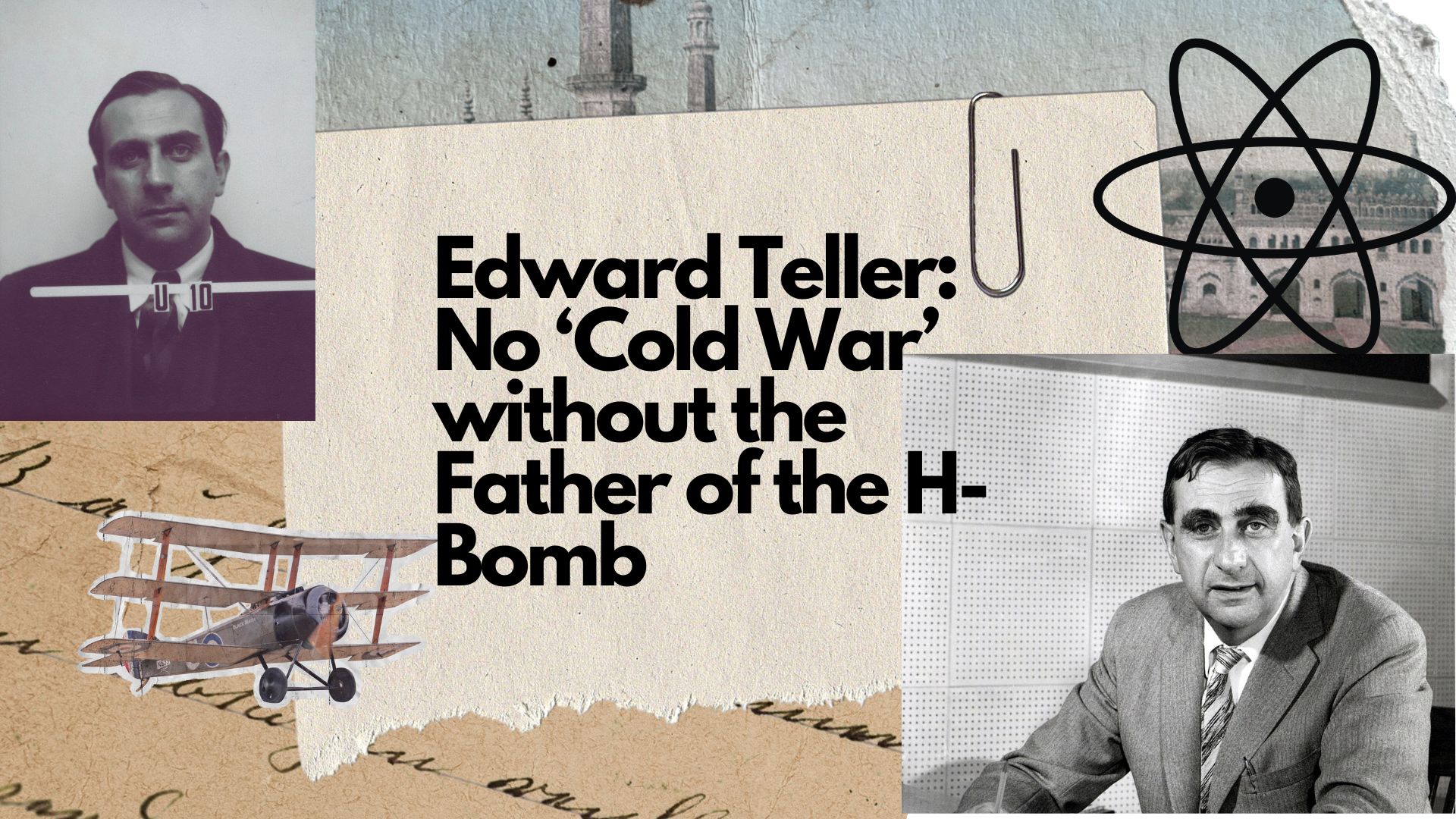
Edward Teller: No Cold War without the Father of the Hydrogen Bomb

│By Sofía Sanabria de Felipe, Gale Ambassador at the University of Oxford│

On July 21, 2023, the world – or at least the world that exists on the internet – was taken over by a cinematic phenomenon: the simultaneous release of Greta Gerwig’s Barbie and Christopher Nolan’s Oppenheimer. ‘Barbenheimer’, if you will. The long, pandemic-delayed release of a film about the world’s most famous doll and the man behind the Manhattan Project became an unlikely couple, drawing people back to the cinema screen in unprecedent numbers.

As a historian who’s particularly fascinated by popular culture and the Cold War, the summer of 2023 became a perfect opportunity for me to reflect on the relationship between these two concepts, especially when understanding the prevalence of the American – arguably Western – perspective on the twentieth century. Two years on, Gale Primary Sources collections, primarily Archives Unbound, have given me the tools to explore my interests further.

Read more

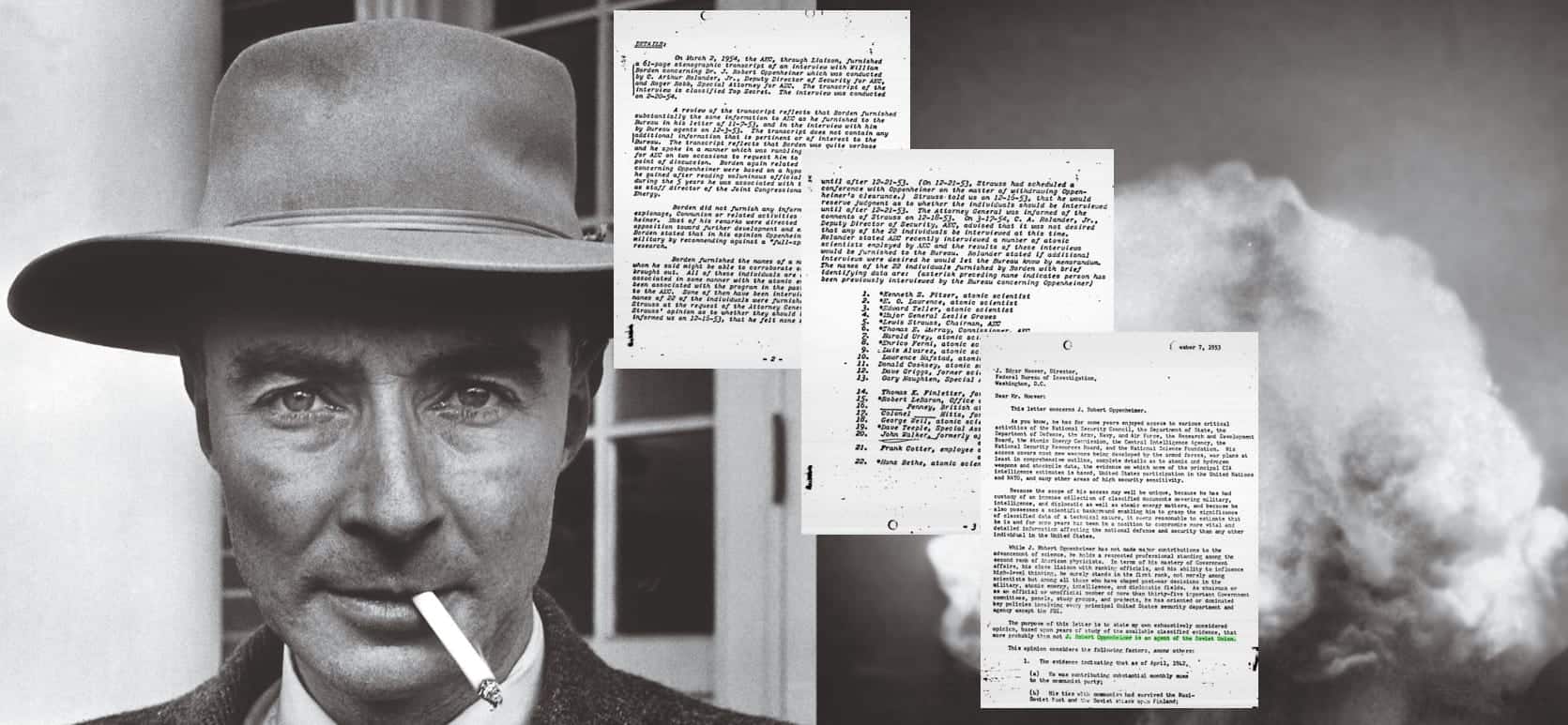
Uncovering the Betrayal of J. Robert Oppenheimer with Gale Primary Sources

│By Nicolas Turner, Gale Ambassador at Leiden University│

The release this year of Christopher Nolan’s Oppenheimer biopic has focused attention on the ‘Red Scare’ of the early 1950s in the United States, a period of history filled with all the ingredients of a thriller: double agents, secret recordings, and dramatic revelations. As Nolan’s film reminds us, however, there was also a very real human cost to the persecutions, with – in the words of the historian Ellen Schrecker – an impact on “the lives of thousands of people”.1

I have always been fascinated by this McCarthyite moment, in which the tide of history seemed to suddenly go out, leaving people stranded with beliefs that had previously been acceptable but were now framed as treasonous or worse. I was therefore thrilled to discover in Gale’s Political Extremism and Radicalism archive a treasure trove of documents that offered direct access to the experiences of those living through that dramatic moment – including, most tantalisingly of all, J. Robert Oppenheimer himself.

Read more

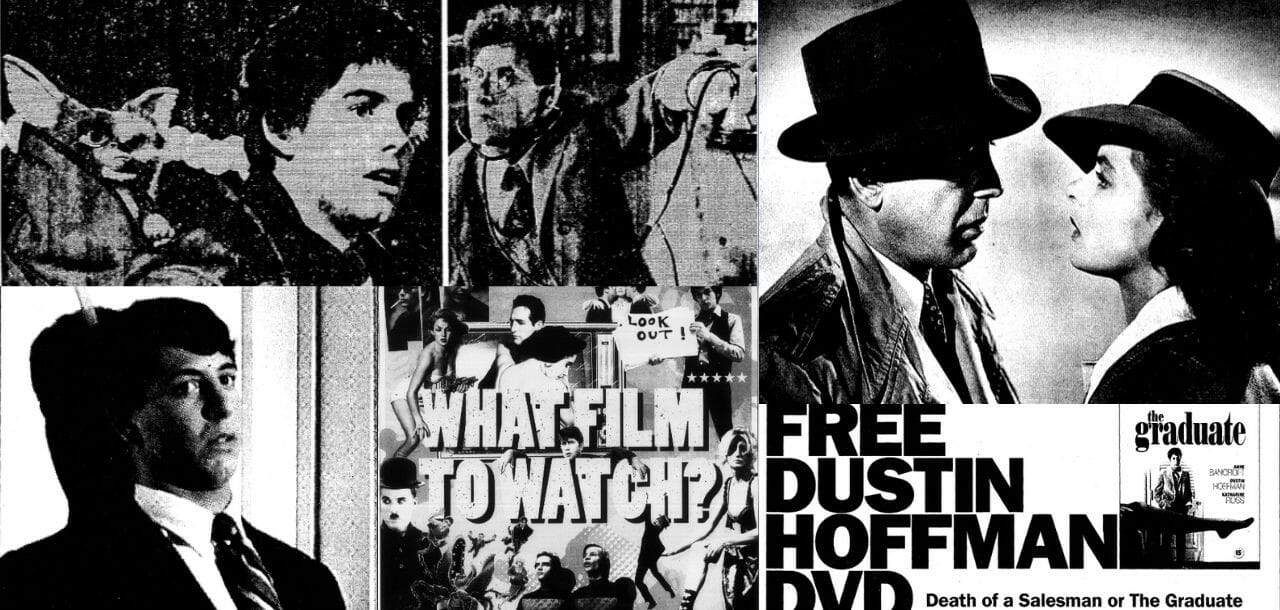
Screens to Pages: Discussion of Film in Newspaper Archives Over the Decades

│By Ava Nichols, Senior Gale Ambassador at the University of Aberdeen│

The film industry has taken great steps and developed in numerous ways since its creation in the nineteenth century. Using Gale Primary Sources collections, I decided to explore how the discussion of film in newspapers – be that promoting or reviewing individual films, or analysis of the film industry more generally – has evolved throughout the twentieth and twenty-first centuries. I decided to focus on The Times Digital Archive because selecting one publication as a controlled variable meant I was better able to examine the developing discussions of film and how it changed over time.

Read more

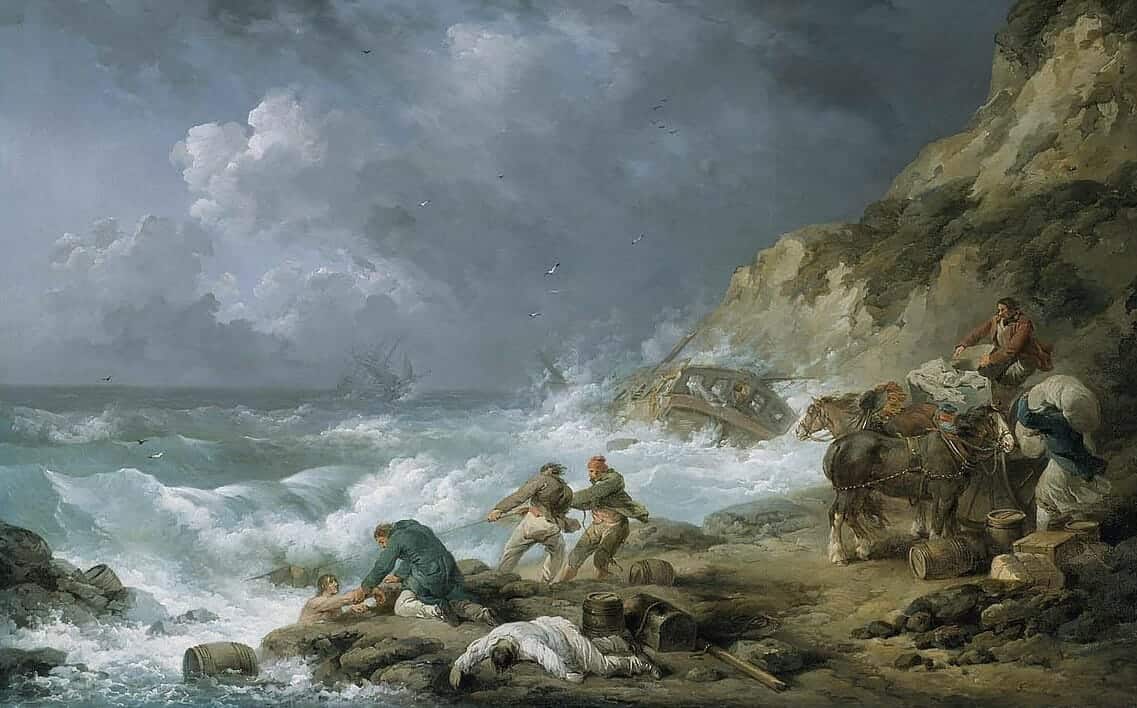
Using Gale Historical Newspapers to Explore the Representation of Coastal Wreckers

The Wreckers, 1791 by George Morland

|By Ellen Boucher, Gale Ambassador at the University of Bristol|

One of my History modules this year, Outlaws, focused on the robbers, bandits and smugglers on the outskirts of society. For my final presentation for the module, I chose to study maritime wreckers using Gale’s Historical Newspapers, to explore how Daphne du Maurier’s novel Jamaica Inn, published in 1936, fitted into a changing narrative surrounding wreckers. ‘Wreckers’ was the name for those who would strip grounded or wrecked ships of valuable contents. Originally, they have been portrayed as dangerous criminals, in marked difference to other pirates and thieves we studied during this module, whose history has often been romanticised. Instead, wreckers, who were typically opportunists who saw themselves as having a right to the bounty from ships, were portrayed as dangerous and murderous criminals who would purposefully lure ships to wreck. This is the type of wrecker Daphne du Maurier presents in her antagonist, Joss Merlyn, a cruel and violent criminal.

Read more

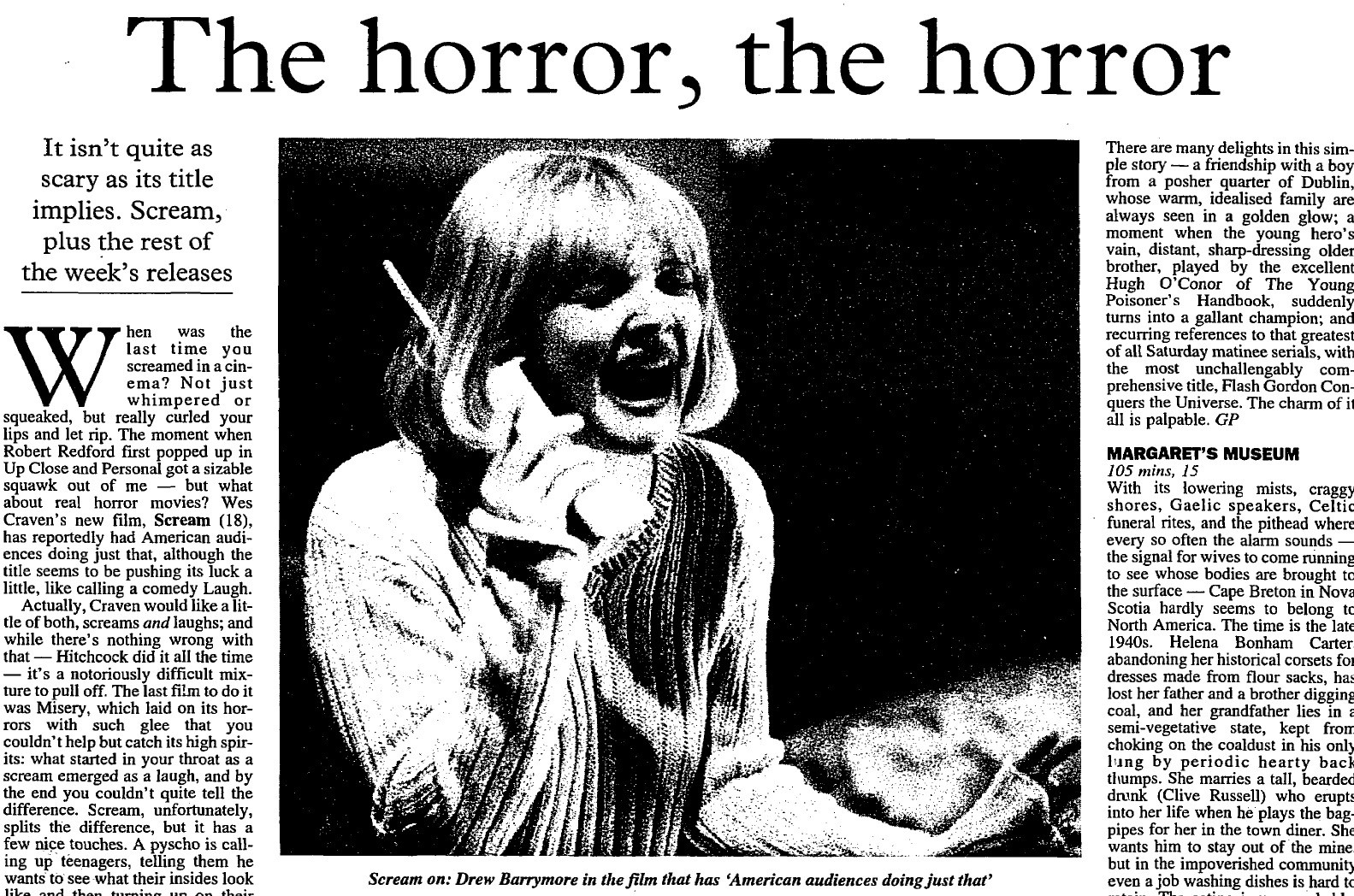
From Grimm to Gothic and Everything In Between: The Evolution of the Horror Genre

Screenshot of newspaper review of the film 'Scream'

|By India Marriott, Gale Ambassador at the University of Nottingham|

From the dawn of time, humans have been sharing stories of horror. From fairy tales of children lost in the woods to supernatural tales of ghosts and ghouls, tales of horror are interwoven throughout human history. However, in terms of Western culture, tales of horror began to appear throughout the eighteenth century in the form of the Gothic novel, after which several shifts in culture have taken place which impacted the Horror genre, from Romantic ideals, featuring an intensity of human emotion, to Victorian strict morality and rationality, right through to modern slasher films and the numerous subgenres that currently exist within the Horror genre.

Read more

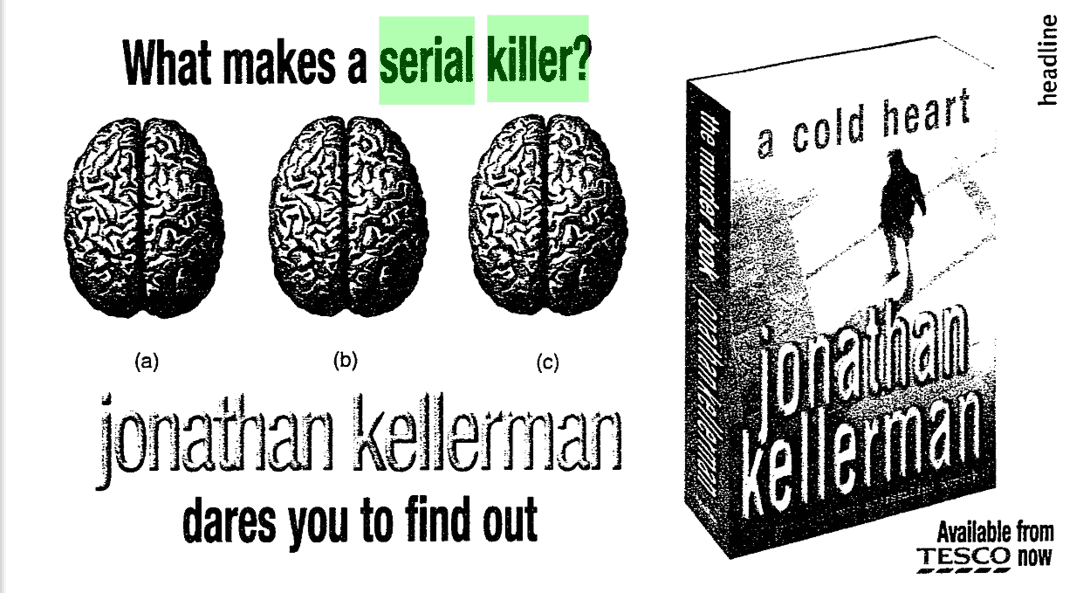
Are We Obsessed with Serial Killers?

Newspaper advert for a book: What makes a serial killer?

│By Chloe Villalon, Gale Ambassador at the National University of Ireland Galway│

In the last decade, television series such as Dexter, Mindhunter and Bates Motel have encountered overwhelming success. Based on true events or completely fictional, the narratives are told from the investigators’ or killer’s perspective. The public is not only interested in the gory, bloody aspect of serial killing cases but the science behind understanding and catching serial killers. Many such programmes try to answer the key question: Why do serial killers kill? Using Gale Primary Sources and its many research tools, I will use this blog post to explore the topic of serial killers, considering questions such as: where does the term “serial killer” come from and what does it mean? And what is the role of the media in serial killing cases?

Read more