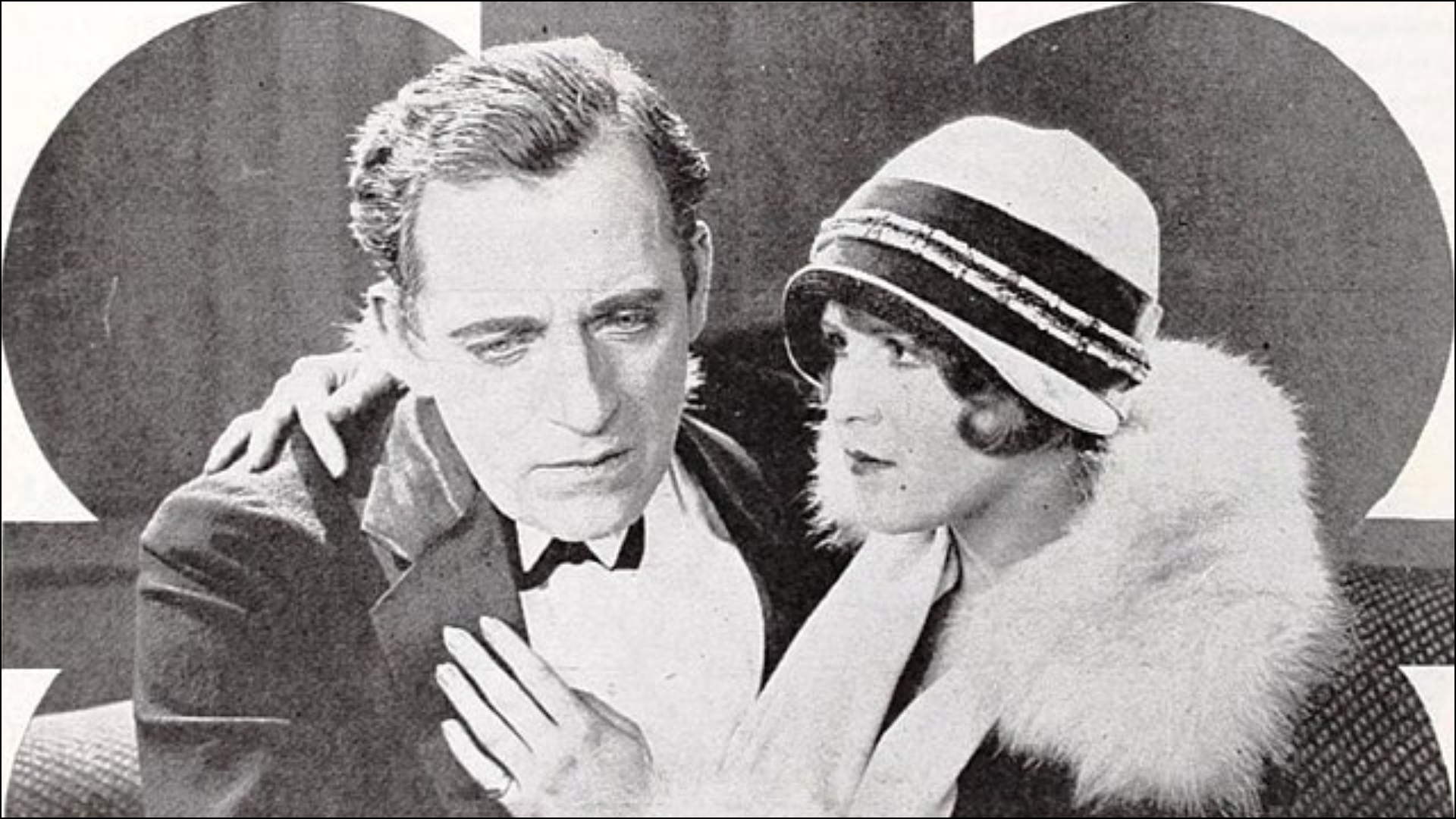

Lights, Camera, Snaption: The Impacts of Living in an Imaged Based Society

│By Olivia McDermott, Gale Ambassador at the University of Liverpool│

In our contemporary world, visual media plays an increasingly important role in how we socialise, develop our opinions and create online personas. Though the ability to capture and translate the world around us into images can be dated back to the time of Aristotle, the invention of the photographic camera occurred in the early nineteenth century by Frenchman Joseph Nicéphore Niépce.

Over a period of just under two hundred years, the commercialisation of the camera now means that anyone can become a photographer. However, many scholars argue that such rapid technological advancement is leading to social changes that we are struggling to adapt to. For example, the pressures on people to only post perfect, airbrushed photos are causing an identity crisis, particularly amongst the youth; AI deepfakes are causing detrimental, psychological issues and the obsession with only sharing the good parts of life is leading to increasing reports of isolation.

As a young woman who has grown up in the digital age, I am more than aware of the ways in which social media infiltrates through to all areas of life. Living in an imaged-based society continues to overlap within the personal, relational, academic and professional spheres, but how did we get here?

Read more

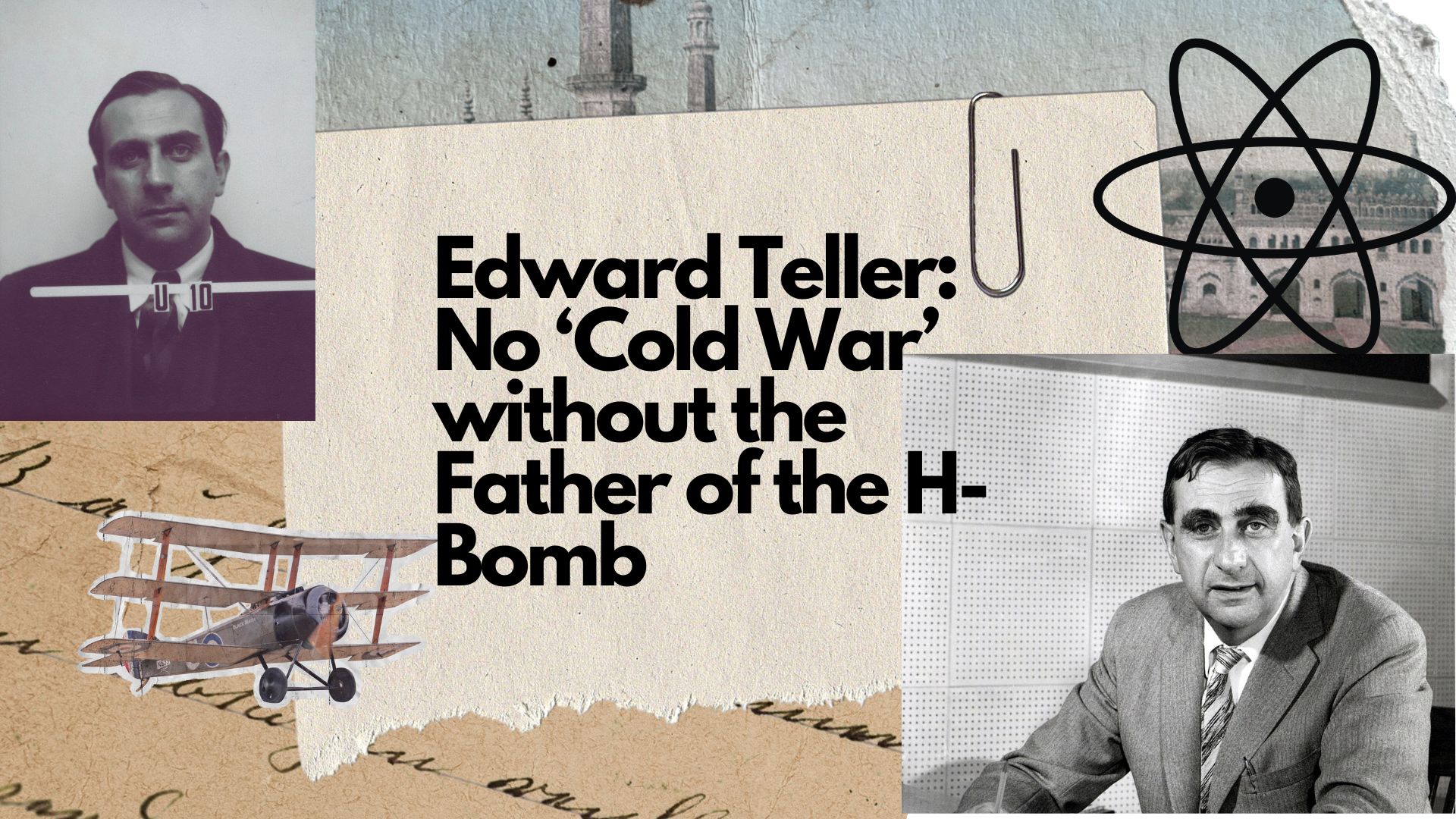
Edward Teller: No Cold War without the Father of the Hydrogen Bomb

│By Sofía Sanabria de Felipe, Gale Ambassador at the University of Oxford│

On July 21, 2023, the world – or at least the world that exists on the internet – was taken over by a cinematic phenomenon: the simultaneous release of Greta Gerwig’s Barbie and Christopher Nolan’s Oppenheimer. ‘Barbenheimer’, if you will. The long, pandemic-delayed release of a film about the world’s most famous doll and the man behind the Manhattan Project became an unlikely couple, drawing people back to the cinema screen in unprecedent numbers.

As a historian who’s particularly fascinated by popular culture and the Cold War, the summer of 2023 became a perfect opportunity for me to reflect on the relationship between these two concepts, especially when understanding the prevalence of the American – arguably Western – perspective on the twentieth century. Two years on, Gale Primary Sources collections, primarily Archives Unbound, have given me the tools to explore my interests further.

Read more

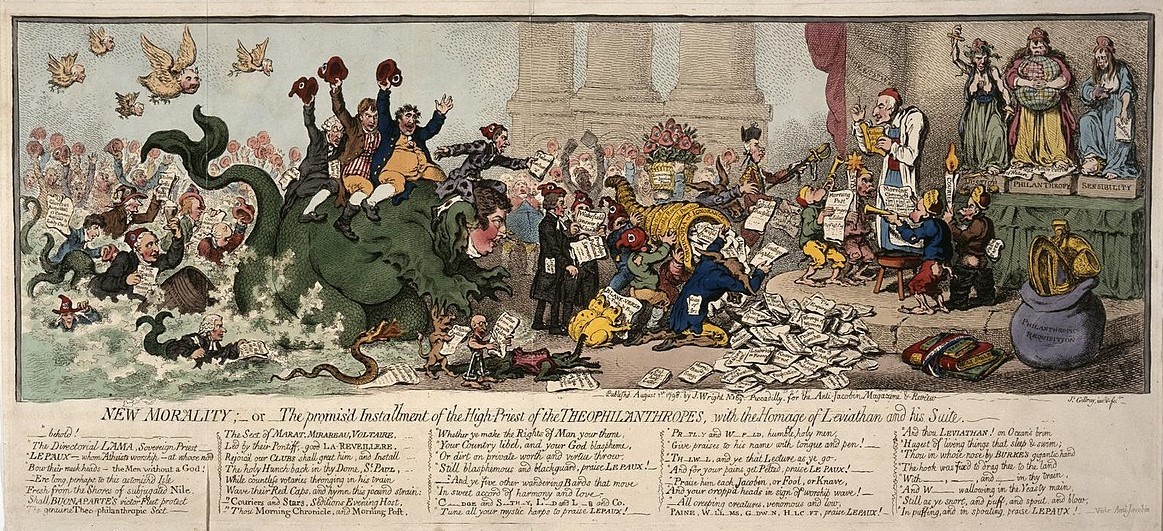
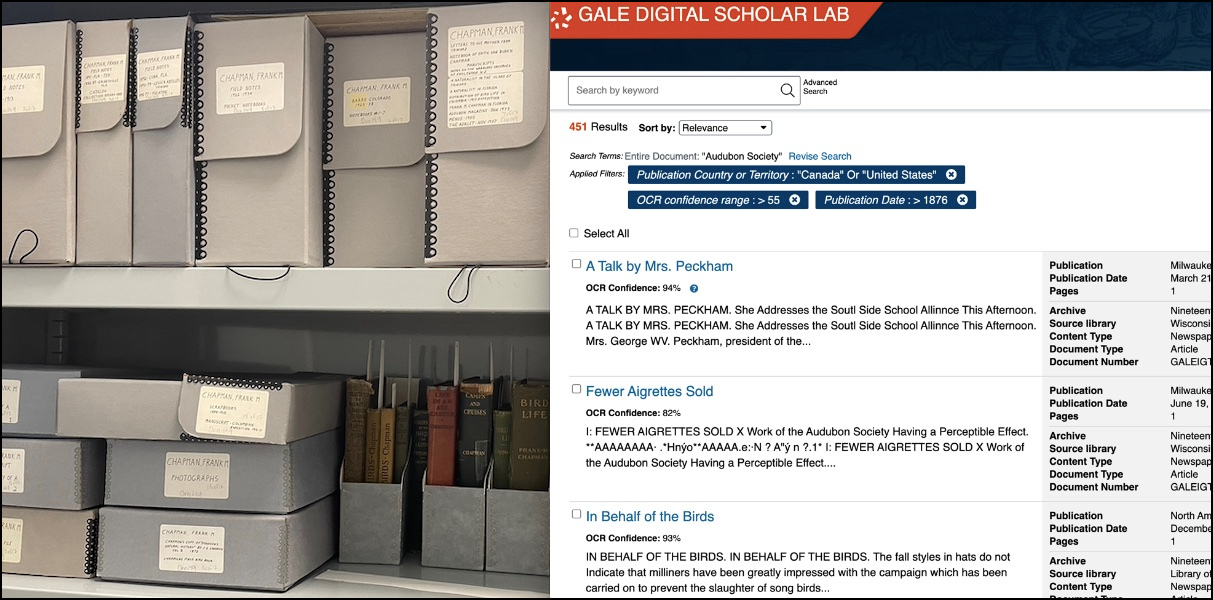
Learning from the Ground Up – Hacking History in Oxford with Gale Digital Scholar Lab

Hacking History Oxford Digital Humanities Skills Workshop

│By Chris Houghton, Head of Academic Partnerships│ This blog post details the Gale Hacking History event run in collaboration with Digital Scholarship @ Oxford in May 2025. It also reflects on the value of using hackathons to teach digital humanities tools and methodologies, enabling participants with no knowledge of DH to collaboratively develop projects and … Read more

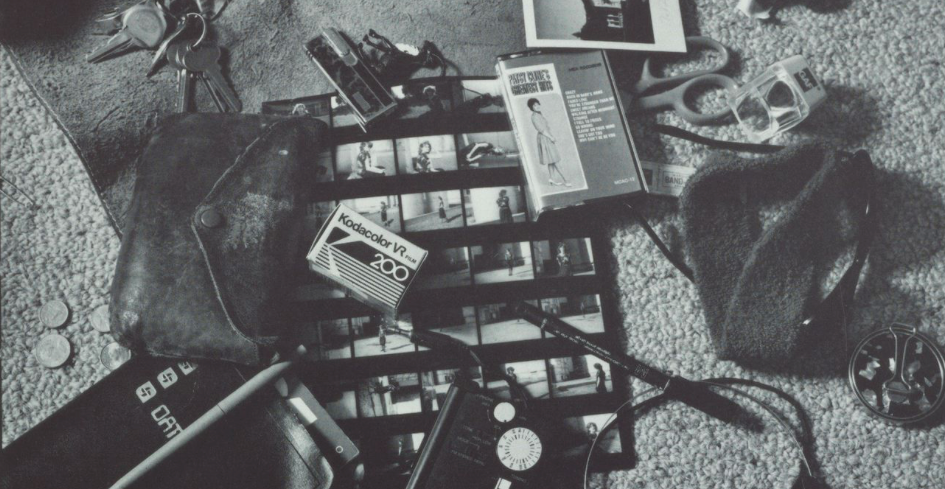
Reflecting on the Recent Past with The Independent Historical Archive Supplement, 2017-2021

│By Leila Marhamati, Associate Editor, Gale Primary Sources

Through their daily, on-the-ground coverage of current events, newspapers continue to be a rich resource for understanding key societal issues. In March 2025, Gale released a supplement to its digital archive of the major British newspaper The Independent, bringing coverage up to 2021.

The additional 190,000 pages of material offered in this supplement provides a unique opportunity for users to reflect back on events they have lived through as a matter of scholarly interest, such as the COVID-19 pandemic. Using this archive, we can paint a retrospective of this major recent event, thinking about questions of hindsight, bias, and personal experience.

Read more

From the Physical-to-Digital Archive and Back: A Gale Fellow’s Account of Trials and Errors

│By Vanessa Bateman, ESEH-Gale Fellow│

When I received the 2024/2025 ESEH-Gale Non-Residential Fellowship in Digital Environmental History I was just starting the early stages of my first solo book project. I had done enough research to develop my book’s main themes, structure, and research questions, but I had not started the writing process because I still had some gaps to fill.

As someone new to the Digital Humanities (DH), I applied to the Gale Fellowship because I wanted to learn how DH methodologies could elevate my research and eventually expand my output beyond a traditional academic book. As a Gale Fellow, I received training in different research and analysis methods that could be achieved in Gale Digital Scholar Lab, and access to the Gale Primary Sources.

Below I share an account of how I had to problem solve and pivot my research in the digital space, and some findings I made that will be useful in the future. Sharing moments when research didn’t go according to plan, I believe, is just as important as a polished finished project.

Read more

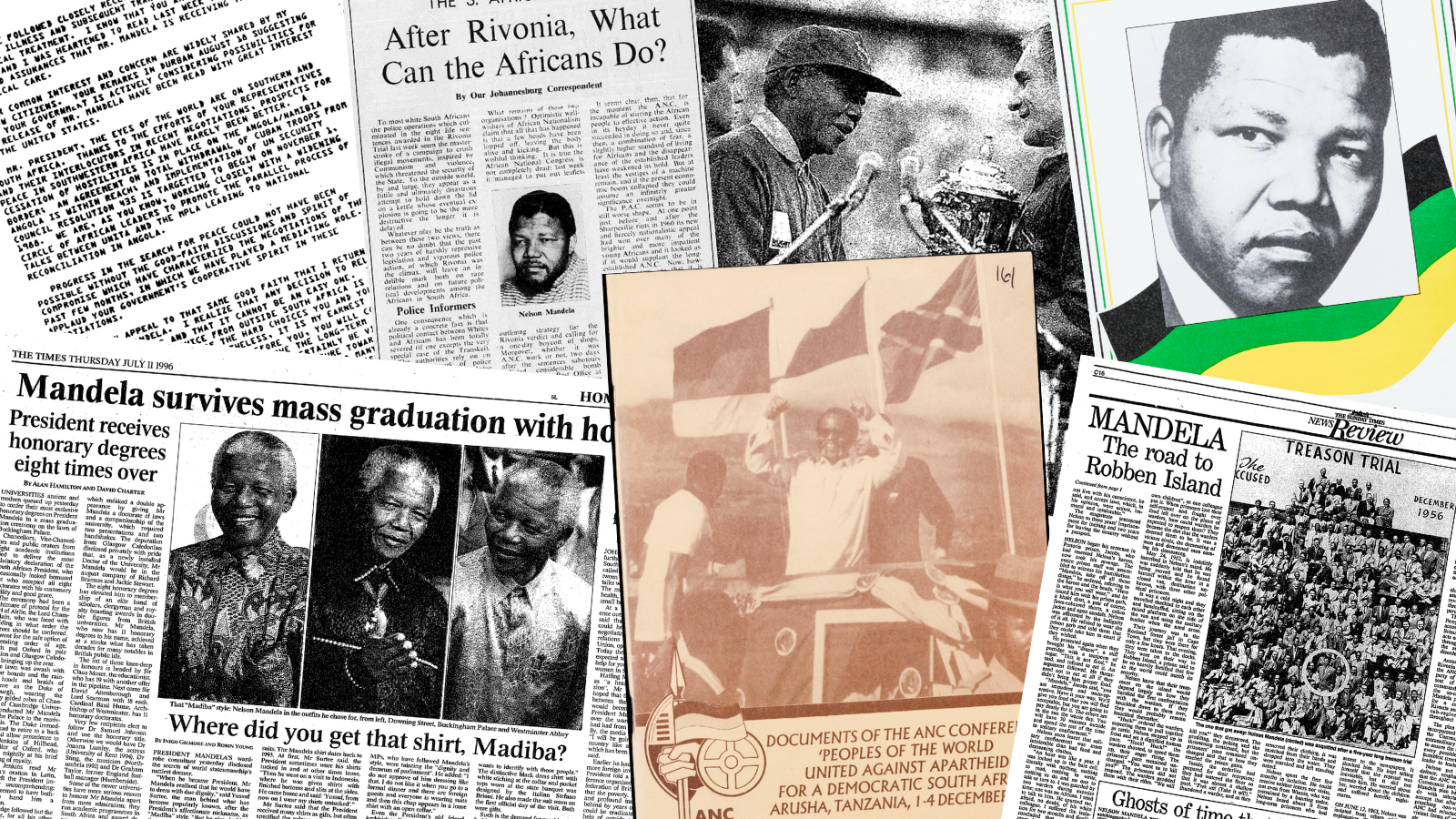
Revisiting South Africa through Gale Primary Sources

By Tom English, Strategic Initiatives Manager – EMEA │

Was South Africa the first African state to gain independence from colonising powers or the last? This question is posed by Frank Welsh’s telling of the country’s colonial history in his book, A History of South Africa, and it speaks to the rich and complex nature of the country known as the rainbow nation.

If we want to make sense of, and make new discoveries about, a country as complex and dynamic as South Africa, we need to look at it from a range of perspectives. What are the different narratives of its inception? Who are its constituents? How do they see themselves in relation to their country? How did South Africa come to be as it is today? And what journey has the country been on in its long walk to freedom and beyond?

Gale Primary Sources collections give us the perspectives and insights that can help us to make sense of these questions and find some answers.

Read more

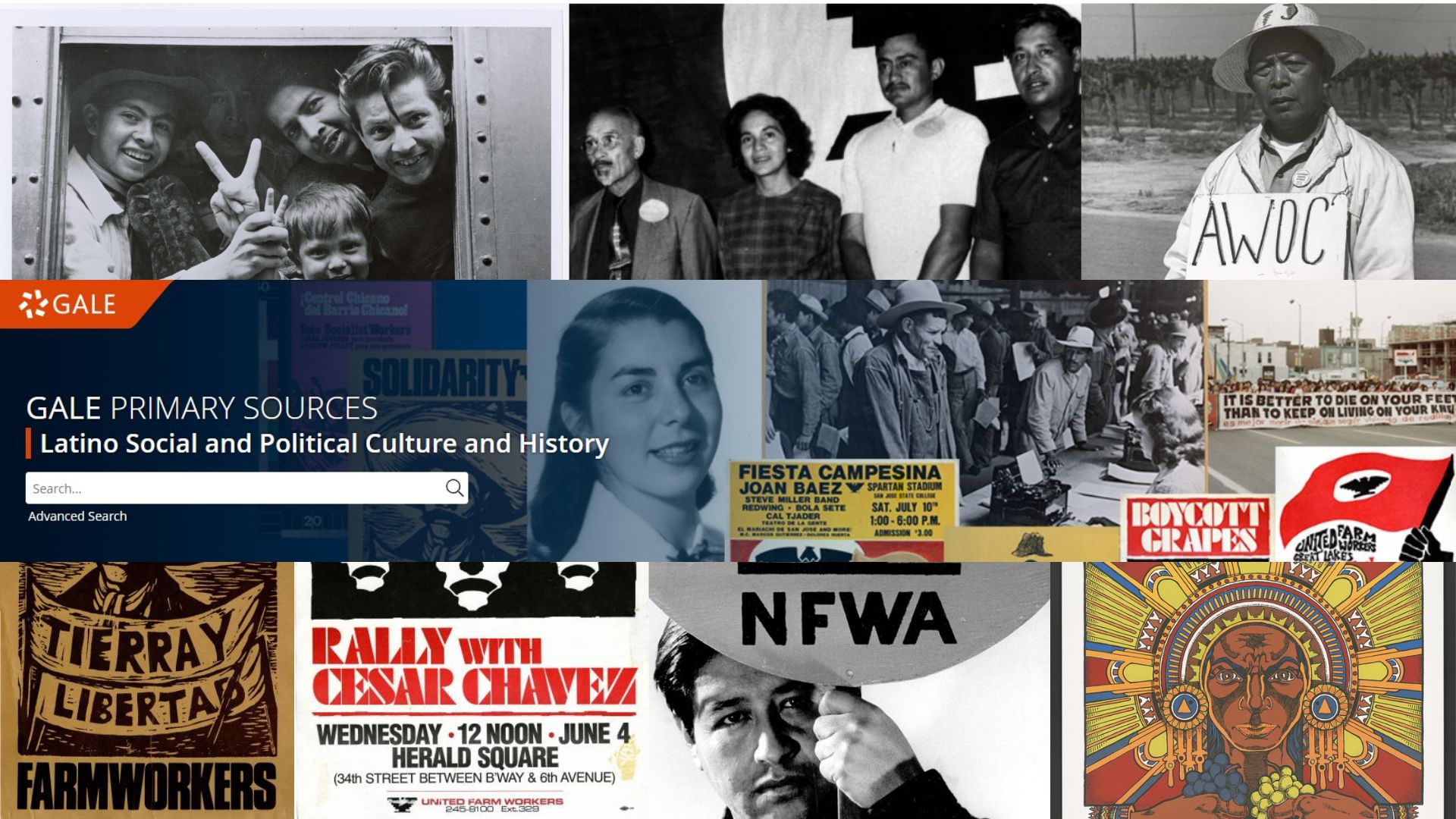
Exploring Latino History through the Chicano Movement

│By Phil Virta, Senior Acquisitions Editor, Gale Primary Sources

Gale’s archive Latino Social and Political Culture and History: Perspectives on the Chicano Movement presents a history of Chicanas/os in the United States with documents on programmes that brought Mexican guest workers to the country such as the Bracero Programme, organisations that evolved to support the community such as the United Farm Workers, and the individuals who helped found and advance the Chicano Movement (El Movimiento) such as César Chávez, Dolores Huerta, and Rodolfo “Corky” Gonzales. 

Labour records, correspondence, organisational papers, personal papers, manuscripts, and ephemera all contribute to our understanding of a tumultuous period in the annals of the United States. This post will introduce the background and content of this important new archive.

Read more

Reimagining Global Politics: International Relations through a Non-Western Lens

│By Aiman Urooj, Gale Ambassador at the University of Delhi│

International Relations (IR) has long been dominated by Western-centric theories, primarily shaped by European and American intellectual traditions. These frameworks—Realism, Liberalism, and Constructivism prioritise state sovereignty, individualism, and economic liberalism. This Eurocentric lens limits IR’s ability to fully explain global politics, reinforcing a Westphalian state system that does not reflect realities outside the West.

Non-Western epistemology challenges the universal applicability of mainstream IR theories by offering alternate frameworks for understanding contemporary IR. This blog explores these alternate perspectives, with concepts like Ubuntu’s relational ethics in Africa, Tianxia’s hierarchical harmony in China, Islamic justice, and Russia’s civilizational sovereignty.

By exploring archival sources from Chatham House Online Archive scholars can uncover evidence that highlights the contributions of non-Western societies to global diplomacy.

Read more

From Chains to Change: The Differences Between African Slavery and the Trans-Atlantic Trade

│By Rawan Mohamed, Gale Ambassador at the University of Leeds│

Slavery has been a pervasive institution throughout human history that has manifested into multiple forms across different societies. In Africa, indigenous systems of slavery pre-date the trans-Atlantic slave trade. However, the arrival of European powers and the subsequent demand for labour within the Americas transformed existing practices into a dehumanising enterprise. Delving into Gale’s Slavery and Anti-Slavery: A Transnational Archive enables us to uncover the distinct differences between indigenous African slavery and the trans-Atlantic slave trade and shed light on their enduring impacts upon entire societies.

Read more

A New Course in Gale Digital Scholar Lab: Introduction to Digital Humanities

│By Sarah L. Ketchley, Senior Digital Humanities Specialist│

In today’s rapidly evolving academic landscape, digital tools are reshaping the way we study literature, history, and culture. As digital humanities (DH) becomes increasingly central to research and teaching, instructors—particularly graduate students and early-career faculty—often find themselves faced with the challenge of integrating digital methodologies into their courses. To address this need Introduction to Digital Humanities‘ offers a structured, assignable course designed to equip students with essential digital research skills. It provides an accessible, hands-on approach to digital humanities, helping instructors save valuable time while fostering critical data literacy in students.

Read more