Putting Rugby Icon Gareth Thomas’ Story in Context with Gale Primary Sources

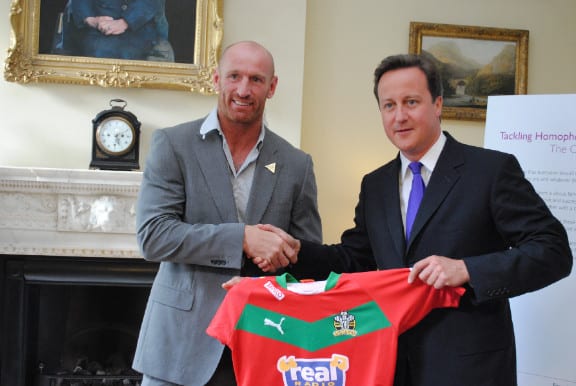
Rugby player Gareth Thomas (left) with David Cameron at an LGTB reception at No.10 to launch a new campaign to kick homophobia and transphobia out of sport. 21 June 2011.

│ By Harry Walker, Gale Ambassador at the University of Birmingham │

Today the Rugby World Cup comes to a close, and it’s fair to say it’s been a somewhat turbulent journey. Controversial refereeing decisions, shock defeats, unlikely Japanese heroes, the smell of lager at nine in the morning and, of course, that devastating typhoon. Within this thrilling pandemonium, a constant has been the high standard of rugby that always seems to justify that 3pm hangover. Off the pitch, a less noticeable but equally heroic constant has been the dignity with which ITV pundit Gareth Thomas has conducted himself, despite his shock revelation prior to the tournament.

Read more

An American Summer’s Dream

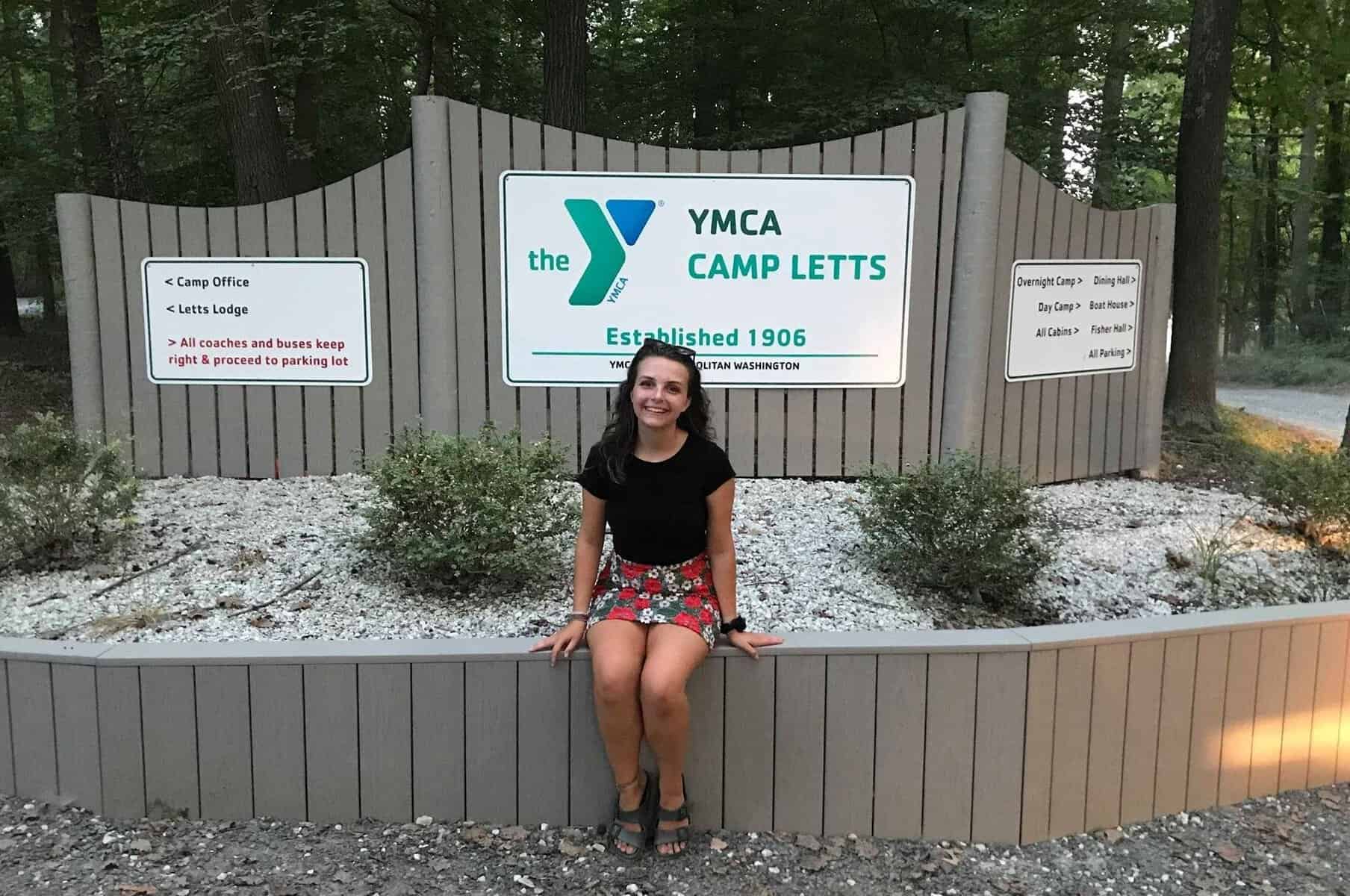
Megan at the summer camp

│ By Megan Bowler, Gale Ambassador at the University of Liverpool │

America – a country of tradition, devout patriotism, sport fanatics and Chick-fil-a. Like Thanksgiving, 4th July, the Superbowl or Maryland’s infamous Turkey Trot, summer camps are arguably an integral part of American culture. This summer, bright-eyed and enthusiastic, I hopped on a plane and travelled a little under four thousand miles across the Atlantic Ocean to YMCA Camp Letts to enjoy my own summer camp experience. Interested in exploring the history of this cultural phenomenon, and the way in which it has been conceived by others, I used Gale’s primary source archives and found personal narratives printed in twentieth-century newspapers in which the authors reminisce about summer camps. Camp counselling is a truly rewarding role; one that has been fulfilled and enjoyed by many likeminded young adults for decades. With these documents, I have been able to plot trends and identify similarities between my recent summer experience and the memories of those who were camp counsellors over fifty years before me, tracing the continuities and shared experiences of this uniquely-American tradition – one of which I now feel a part.

Read more

“Power to all the people or to none”: Grassroots activism in amateur publications written by women, African Americans and the LGBT+ community

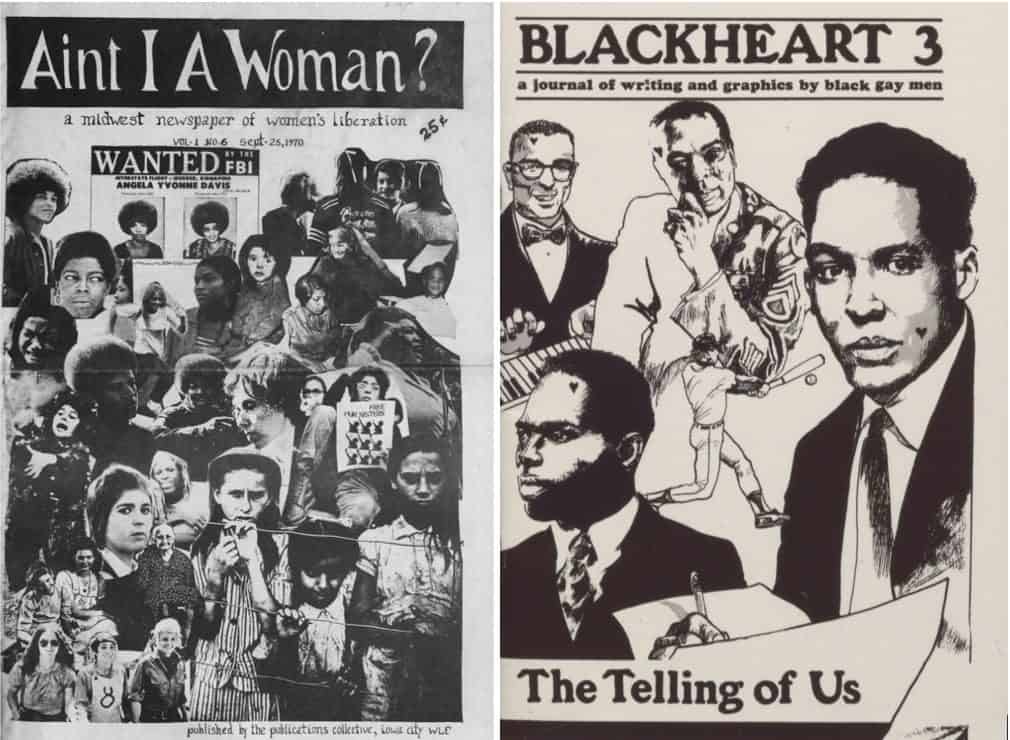
(left) cover for Ain’t I a Woman?, Vol. 1, no. 6. http://link.galegroup.com/apps/doc/ZUOVWU043445773/GDCS?u=bham_uk&sid=GDCS&xid=91d72133, (right) Cover for Blackheart, Vol. 3

│By Karen Harker, Gale Ambassador at the University of Birmingham│

Anyone familiar with Gale Primary Sources knows that it provides archival access to major periodicals such as The Times, The Daily Mail, The Financial Times, and The Economist. The longevity and sustained popularity of these publications mean that they are often the first place a student or researcher might look for information on a historical topic, but it is worth remembering that a vast majority of the articles found in these newspapers are written by white, heterosexual, cisgender men. This is particularly true of anything published in the eighteenth, nineteenth, and early twentieth centuries. Even as women, people of colour and members of the LGBT+ community are increasingly employed by these newspapers, their contributions still exist in a notable and significant minority. While these newspapers are fantastic resources, they often only tell one side of the story.

Read more

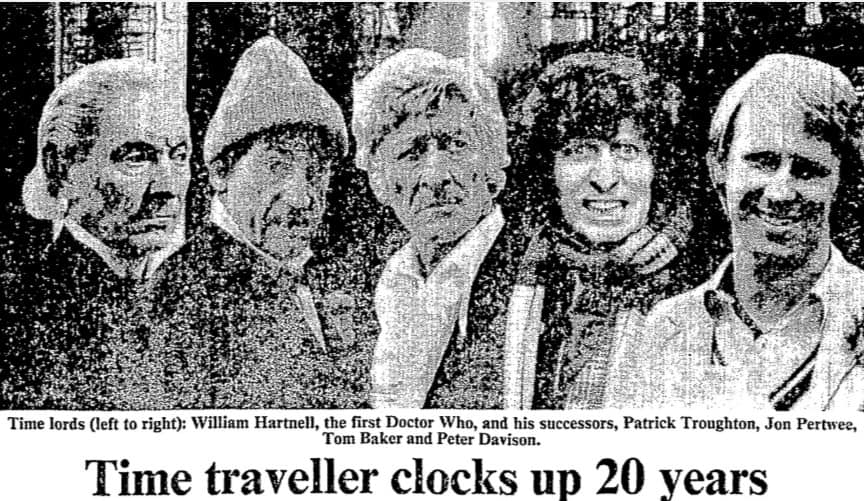
Travels through Space and Time – The success of Doctor Who

Hewson, David. "Time traveller clocks up 20 years." Times, 14 Nov. 1983

│By André Buller, Gale Ambassador at the University of Portsmouth │

Doctor Who, possibly Britain’s most famous science-fiction television show, has enjoyed success in both its original running from 1963 to 1989, and its reboot from 2005 to the present. Centering around the eponymous ‘Doctor,’ the show follows the adventures of this eccentric and benevolent shape-changing alien around the cosmos in a premise that has remained largely static throughout the 56 years of its circulation. As a child, I was both terrified and enthralled by the television show, and such interest in the fantastical has persisted into my studies (as evident in my previous supernatural post about witchcraft!)

Read more

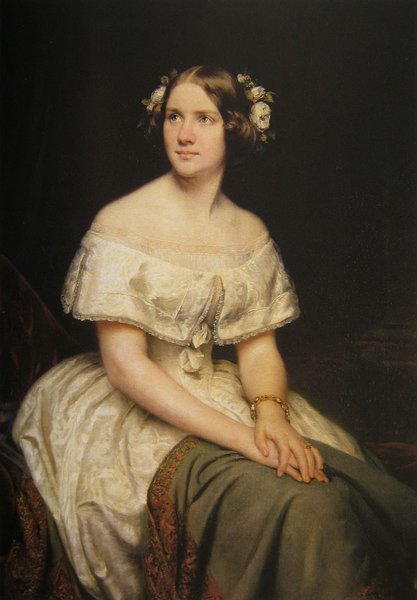
Jenny Lind – the Swedish Nightingale

Eduard Magnus (1862): ”Jenny Lind”,

| By Pauli Kettunen, Gale Ambassador at the University of Helsinki |

Whilst it is undoubtedly quality entertainment, the 2017 Hollywood film The Greatest Showman should not be taken as an accurate history lesson… However, among all the drama, singing and dancing, it does portray some facts; P.T. Barnum did start small and end up as a household name; he did bring ‘The Swedish Nightingale’ to the United States and make her tour a success like never before. Indeed, the concert tour amassed him a sizeable fortune, and the humble Scandinavian singer donated her own share – which was by no means small – to charities of her choice.

Read more

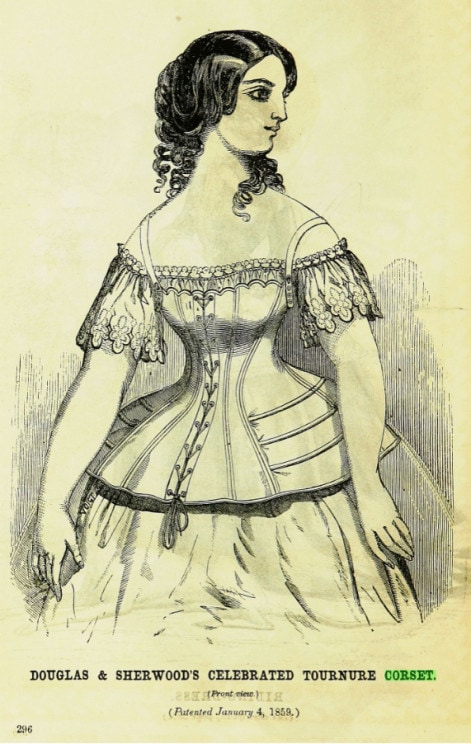
Comfy in a Corset – Why Nineteenth-century Underwear Isn’t as Scary as You Think

"DOUGLAS & SHERWOOD'S CELEBRATED TOURNURE CORSET. (Front view)." Godey's Lady's Book, 1 Apr. 1859, p. 296. American Historical Periodicals,

│ By Maya Thomas, Gale Ambassador at the University of Oxford │

From Scarlett O’Hara in Gone with the Wind to Elizabeth Swann in Pirates of the Caribbean, it seems that no pretty woman in a historical drama is complete without participating in the infamous “corset scene”. You know the one: the beautiful protagonist reluctantly sucks in her stomach, gripping onto the bedposts as a maid furiously tugs at her corset strings. We watch with morbid fascination as her tiny waist is made tinier still, compressed painfully in an ornate whalebone cage.

Read more

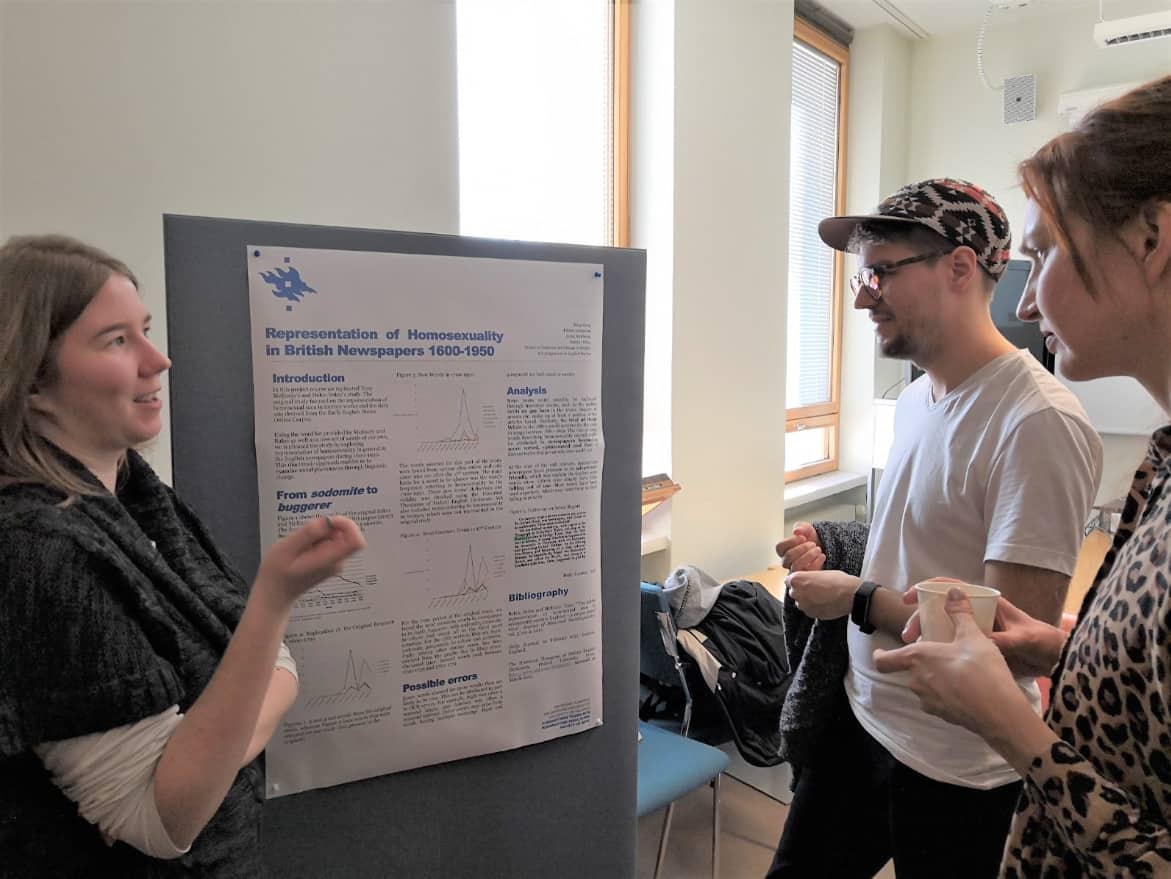
From Archives to Arguments – a Project Course at the University of Helsinki makes use of the Gale Digital Scholar Lab

│ By Rebekka Väisänen, Gale Ambassador at the University of Helsinki │

The English Philology corridor at the University of Helsinki has an area which we call the Aquarium, a glass-walled space that is often used for smaller faculty events, informal gatherings, and course “end offs” (the last meeting at the end of a course). On the 17th of April, I arrived there to see the poster presentations for the “Archives to Arguments” course, a module in which students use the Gale British Library Newspapers and other archives to do linguistic research into democratization

Read more

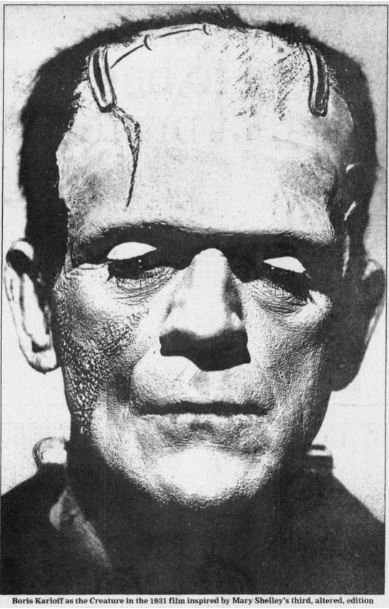
What is a monster? Tracking the evolution and reception of monstrosity in literature from the nineteenth century to modern day

│ By Tania Chakraborti, Gale Ambassador at Durham University │

The idea of what is monstrous has perhaps metamorphosed somewhat since the nineteenth century. Nowadays audiences root for the vampire (Netflix’s The Originals) sympathise with the werewolf (Twilight) or even cheer on the Devil (Netflix’s Lucifer). But in the time of Shelley, Verne and Stoker, monstrosity was far more complex (and far less American high school-orientated!)

Read more

British Royal Babies Through the Ages

| By Rebekka Väisänen, Gale Ambassador at the University of Helsinki |

All media outlets are now brimming with news about the newest addition to the British Royal Family, HRH Prince Harry and Meghan’s baby boy. In light of this, I decided to search Gale Primary Sources to see how royal births have been documented and celebrated throughout the ages. Below I explore the media hype around five royal ancestors, ranging from poetry to the decoding of names. 

Read more