The History of International Women’s Day and the Origins of Women’s History Month

By Rachel Holt, Acquisitions Editor for Gale International

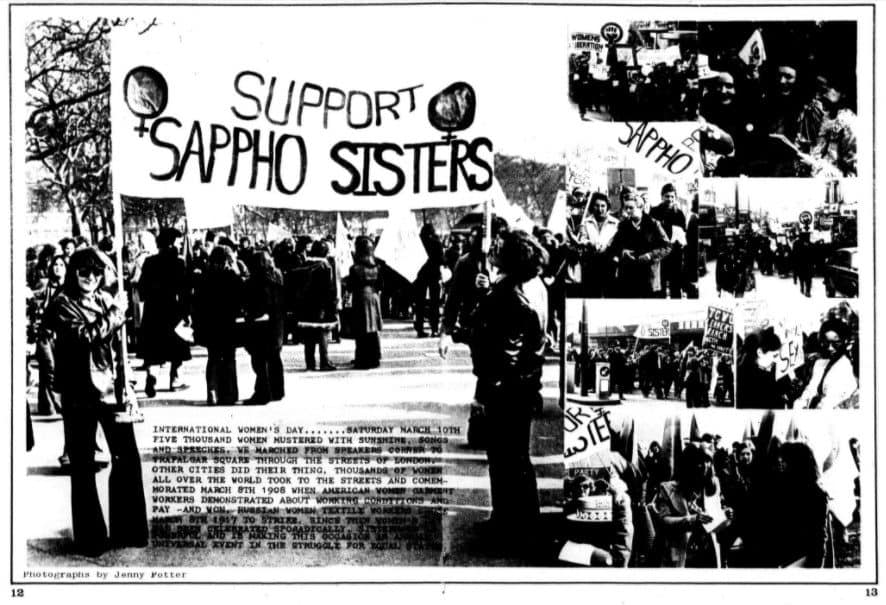
Happy International Women’s Day (#BalanceforBetter) and may your Women’s History Month 2019 be an enlightening one!

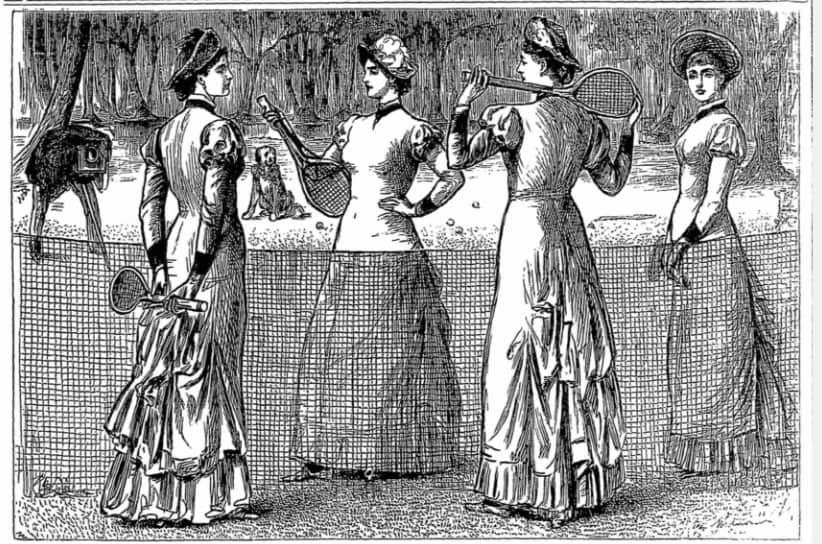
Every year March marks the month where several countries around the world celebrate female contributions to society by recognising their achievements throughout history. However, the origins of how both these events came into being are themselves fascinating episodes in feminist history. If “history is written by the victors” then who decides which people and events from the past deserves our attention?[1]

Read more

Who is the Founder of Modern Singapore?

By Vanessa Tan, Editorial Assistant with Gale Asia

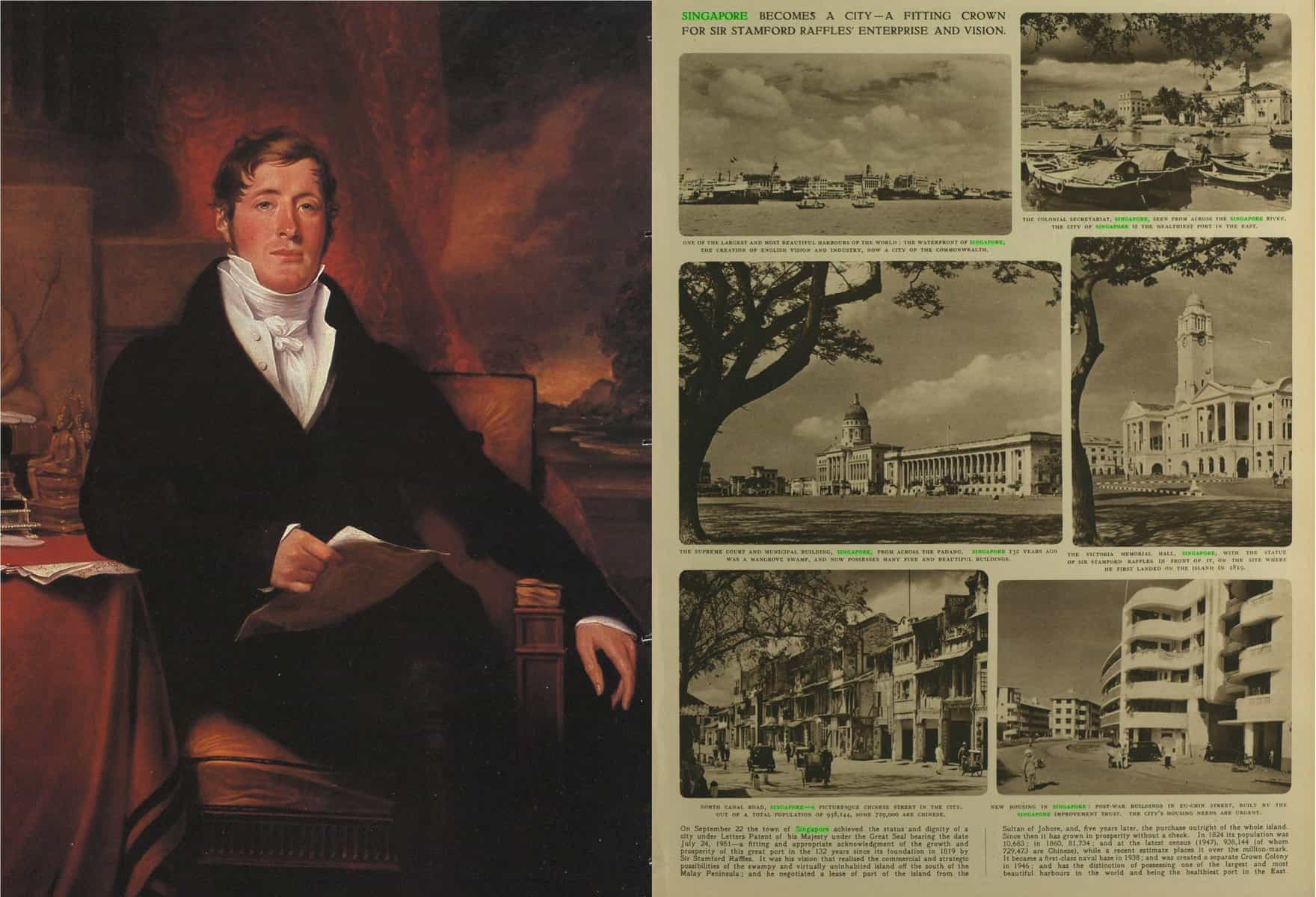
In 2019, Singapore will commemorate her bicentenary since the landing of Sir Thomas Stamford Raffles (1781–1826) on the island on 28 January 1819. Raffles’ name now stretches beyond the widely known narrative of the nation-state’s genesis. Today, the name carries pomp and prestige—Raffles City and Raffles Hotel are both prominent landmarks situated in the richest areas of Singapore, while Raffles Institution remains the highest-ranked secondary educational institution in the country, having produced many of the country’s top-performing scholars and politicians.

Read more

Miscegenation, or ‘Fake News’ of the Civil War

(Warning: the below article contains excerpts from historical material that are explicitly racist and offensive to today’s readers. The author does not share the views of the material presented.)

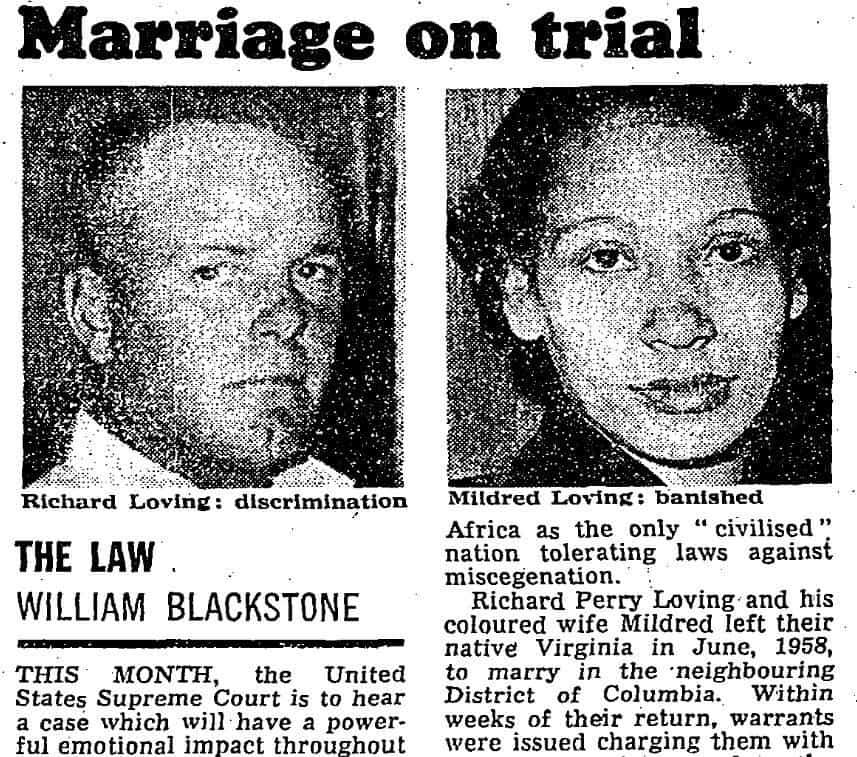
Sometimes a random search can take you to unexpected places. For me it began a few months ago when I was asked to conduct a post-sale training session with a group of students at a university in Japan. I was told beforehand that the students were studying American History, including African Americans and other minorities, and I was asked to prepare an example that would match their interests.

Read more

Surprising Search Results: From Crystal Therapy to Singing Bowls

By Rebecca Bowden, Associate Acquisitions Editor

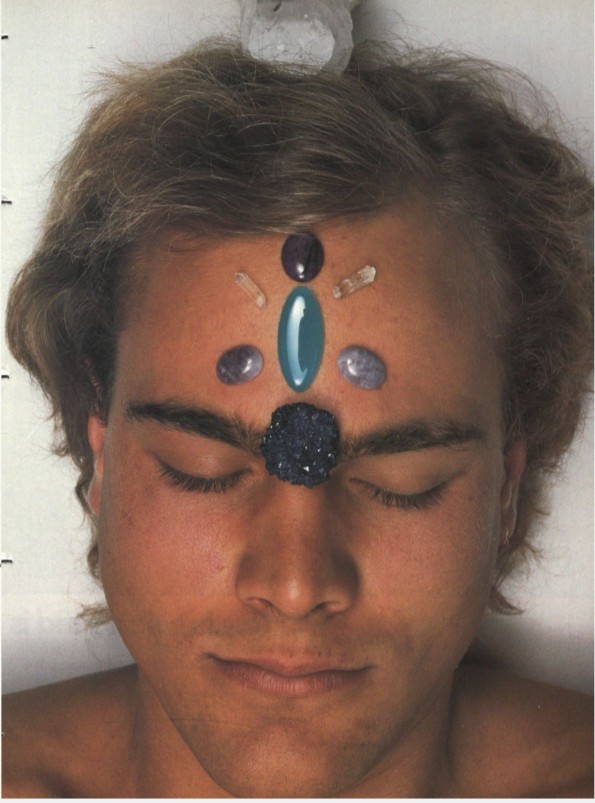
If one was researching current affairs, political history, or a particular literary period, Gale Primary Sources would be an obvious place to look. It is full of useful archives, from newspapers like The Times and The Independent, to huge collections of diverse primary sources, such as Nineteenth Century Collections Online. But what if you were researching something altogether more obscure – say, palmistry, feng shui or crystal therapy? It may surprise you that Gale Primary Sources continues to shine!

Read more

Jack’s Alive to Card Castles: Entertainment in the Victorian Parlour

By Rebecca Bowden, Associate Acquisitions Editor

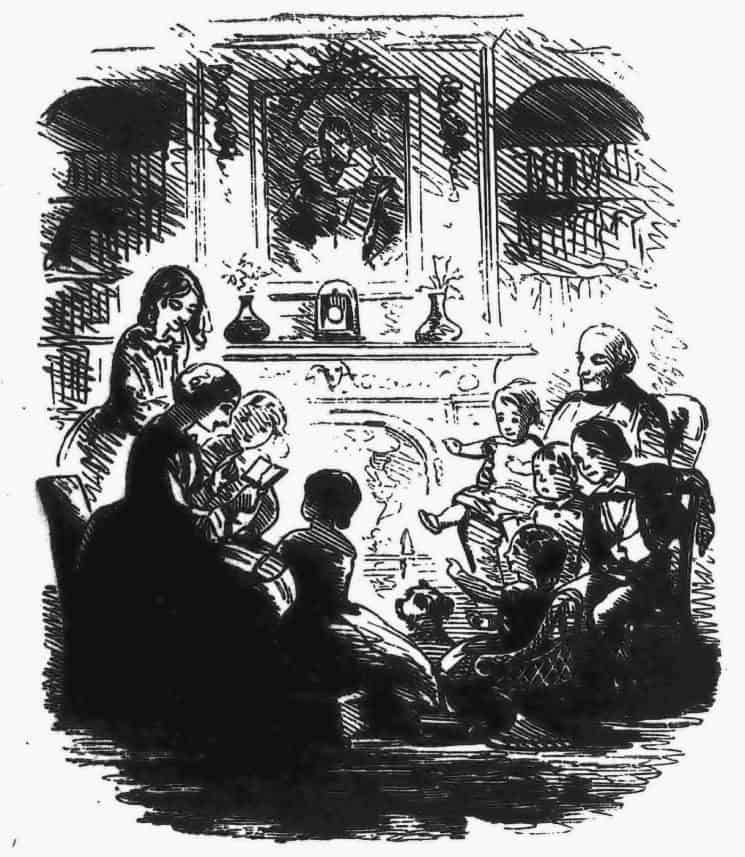
The upper and middle classes of the Victorian period had more leisure time than their counterparts of previous generations, yet they did not have the electronic devices which sap much of our free time in the twenty-first century – televisions, games consoles , mobile phones… our Victorian ancestors had to create their own fun!

Read more

Indigenous populations: exploring early encounters, subjugation and protection in Gale Primary Sources

By Carolyn Beckford, Gale Product Trainer

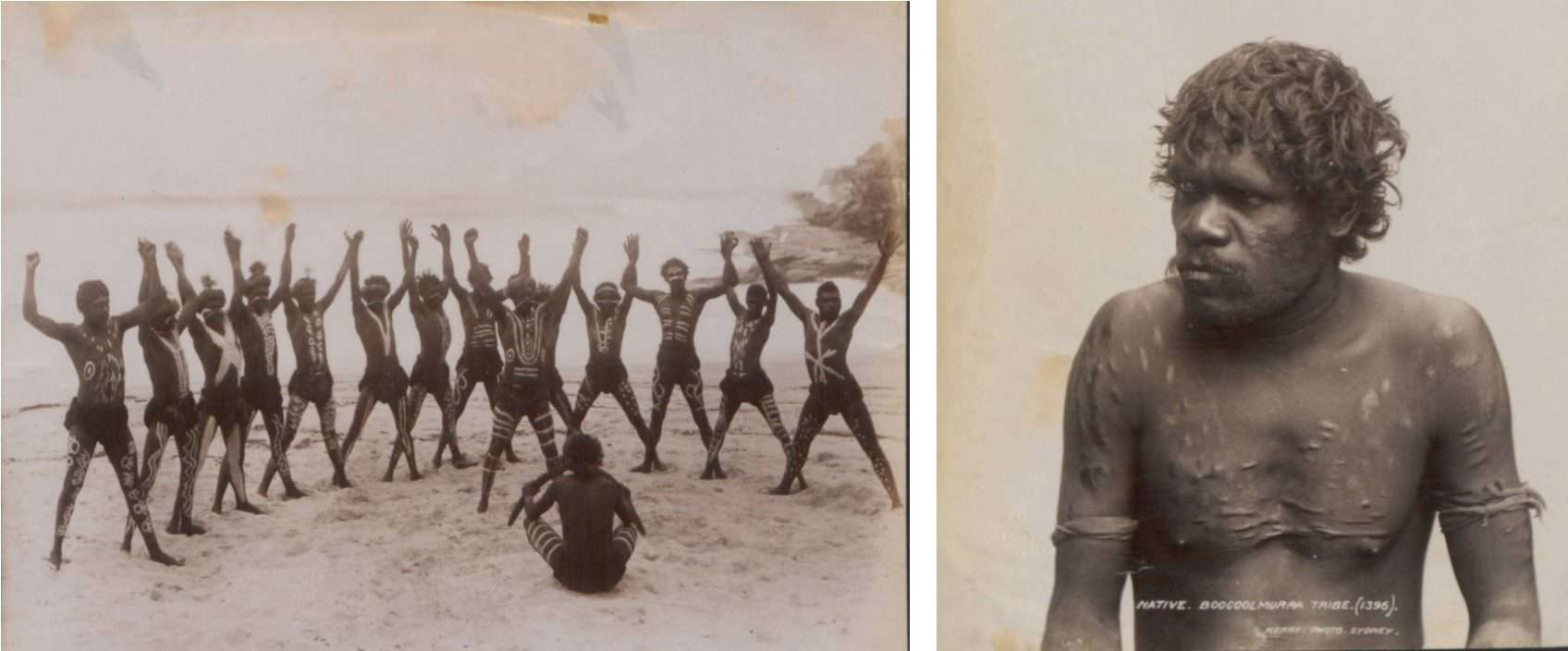
Today is International Day of the World’s Indigenous People. This was first put forward by the General Assembly of the United Nations in 1994, and came as result of a commission designed to promote and protect Human Rights. Now, on 9th August, the world works to remember, recognise and respect the rights of indigenous populations and celebrate their achievements and contributions.

Read more

The Only Way is Wessex: Thomas Hardy’s Cultural Impressions

By Daniel Mercieca, Gale Ambassador at Durham University

“She was not an existence, an experience, a passion, a structure of sensations, to anybody but herself. To all humankind besides Tess was only a passing thought. Even to friends she was no more than a frequently passing thought.” [i]

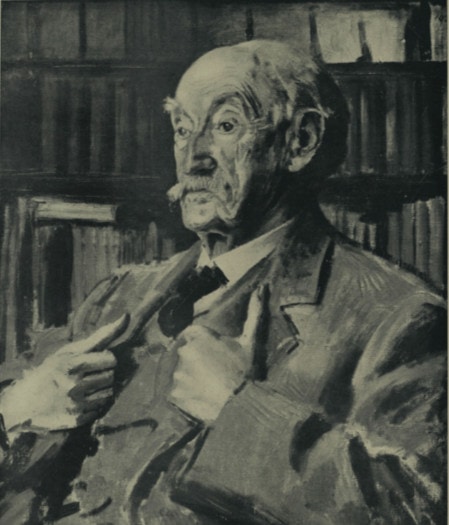
The well-trodden Dorsetshire heathlands, bustling rustic communities and evanescent ghosts from Thomas Hardy’s folkloric world, Wessex, continue to impress memories of English rural heritage. Hardy’s sensitive capturing of ‘mere impressions of the moment’ in prose and poetry; the cascade of raindrops on a gate, hazy warmth of a barn dance or ghostly silhouette of a horse rider in sea mist, reinvigorates our appreciation of ordinary experience [ii]. This year marks the 90th anniversary of Hardy’s final collection of verse, Winter Words in Various Moods and Meters (1928), whose sombre cadences echo amongst later generations of modern poets and can be found in The Times Historical Archive. The continual resurgence of Hardy’s works in dramatic and televisual adaptations, modern poetry and National Trust Heritage fosters a Wessex mythology which remains vibrant today.

Read more

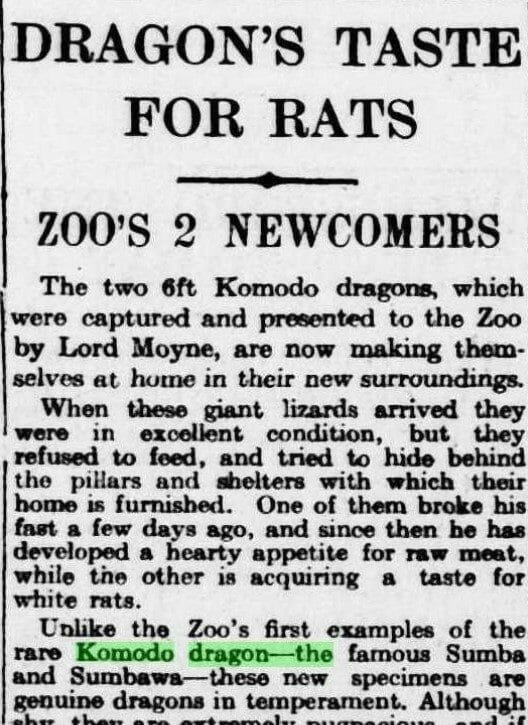
The Top Ten Most Random Articles Found, Using Gale Primary Sources

By Tiria Barnes

For this contribution to The Gale Review, I challenged myself to find the 10 most random sources I could in Gale Primary Sources. Armed with a cup of tea and the potential for banter I began to search, hoping to find some gems. I can safely say I was not disappointed!

Read more

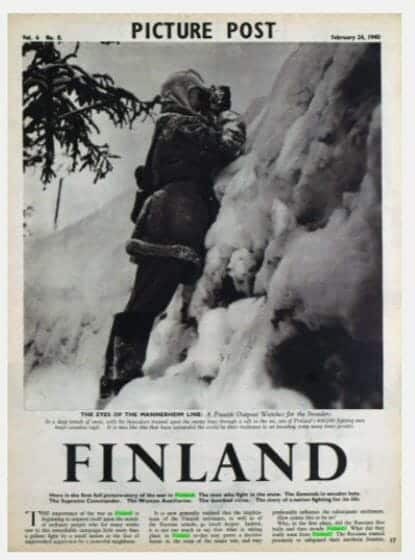
100 years since Finland declared independence: a look back at the creation of a nation

By Lina Gerle

As Finland celebrates 100 years of independence this year, festivities will be mixed with contemplation of the country’s dramatic history, which has involved complicated relationships with its neighbouring countries, bloody battles and other momentous events which led up to the declaration of independence on December 6, 1917. I decided to delve into Gale Primary Sources to see what I could find out about this tumultuous history.

Read more

The Treaty of Waitangi and its Turbulent Past

By Liza Fisher, Sales Representative for Gale New Zealand

The Treaty of Waitangi is New Zealand’s founding document. Signed in Waitangi, New Zealand on 6 February 1840 by Maori chiefs and Lieutenant-Governor Hobson (on behalf of the British government), its purpose was to create unity between the Maori and British Crown. The Treaty has thus been likened to New Zealand’s version of the Magna Carta.

Read more