A Right Won, A Civic Duty to Learn: Women’s Civic Education After the Nineteenth Amendment

│By Kat Weiss, Gale Academic Intern |

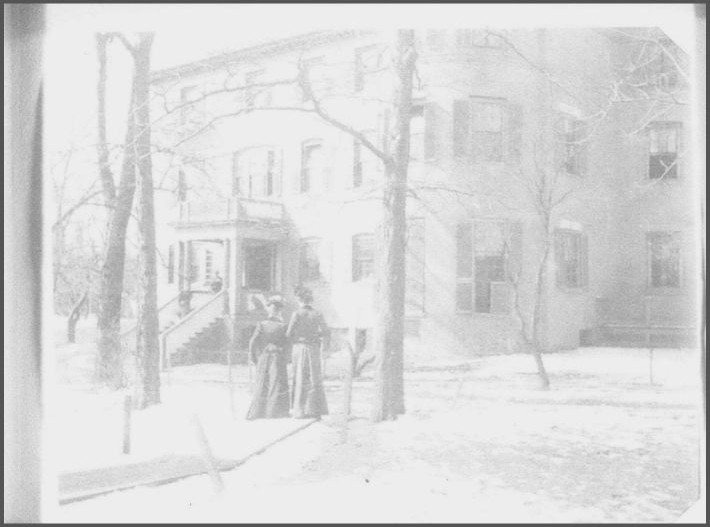
In the years leading up to the Nineteenth Amendment and after its ratification in 1920, American women realised that equality did not end with the right to vote. They recognised that they now had a civic duty to their country, to use this newfound right responsibly. With that realisation came a new question: now that women could participate in democracy, how would they learn to practice it?

They did not have access to the same education and resources as their male peers because the system was not built for them; they needed to find new ways to educate themselves and each other. With that in mind, the Nineteenth Amendment opened a new chapter in women’s history, one centred on learning how to exercise civic power. Using primary sources from Gale’s Nineteenth Century Collections Online, we can trace how women across the USA began to define and teach the responsibilities of citizenship.
Read more

Redefining What Philosophy Means: Why Primary Sources Are Now More Important Than Ever

│By Jessica Crawley, Gale Ambassador at Lancaster University│

One of the most interesting and – to some – most perplexing aspects of philosophical writings is that newer does not equal better. For example, some of the greatest advancements in metaphysics were made by Aristotle, who was writing in Ancient Greece well over two-thousand years ago. Not only this, but our gendered and Western-mandated criteria of what ‘deserves’ the title of ‘philosophical writing’ is (finally) beginning to evolve.

Read more

Introducing ‘Women’s Studies Archive: Voice and Vision’

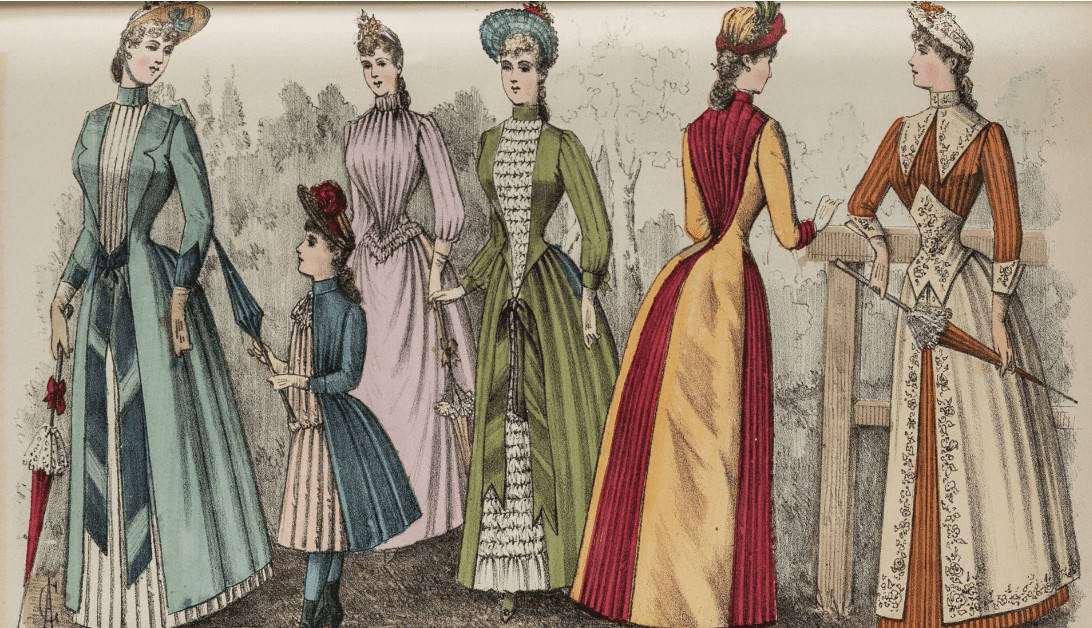
"The Latest Paris Fashions." Myra's Journal, 1 Apr. 1889. Women's Studies Archive

│By Rachel Holt, Gale Primary Sources Acquisitions Editor

Rachel Holt is an Acquisitions Editor at Gale, working on the Gale Primary Sources portfolio. Managing the Women’s Studies Archive series, Rachel works closely with source libraries and other archival institutions around the world and tracks academic trends in Women’s and Gender Studies to ascertain which primary sources are required. In this blog post she answers the following questions about the new module, Voice and Vision:
  • What is in this new archive?
  • Why did Gale digitise these particular collections?
  • Why have we called the new instalment Voice and Vision?
  • Read more

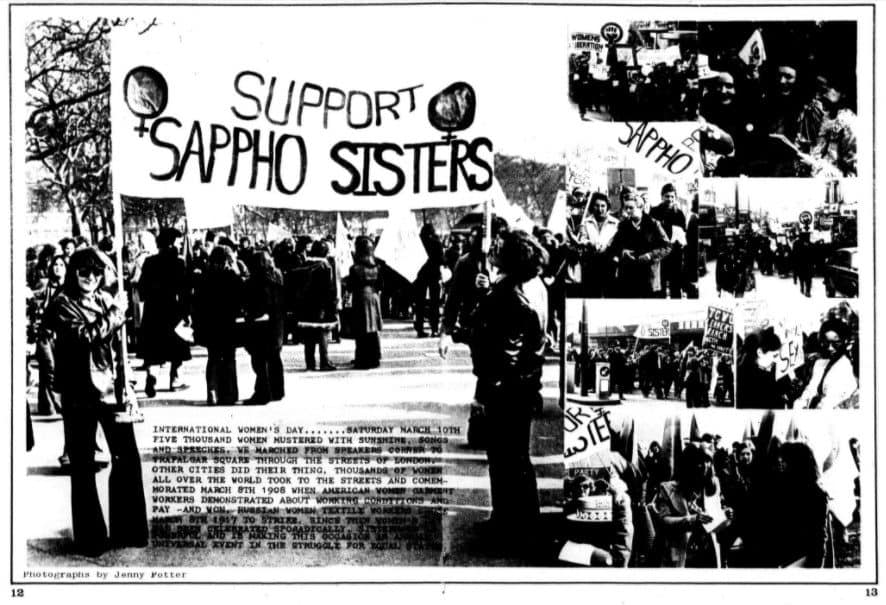
    The History of International Women’s Day and the Origins of Women’s History Month

    By Rachel Holt, Acquisitions Editor for Gale International

    Happy International Women’s Day (#BalanceforBetter) and may your Women’s History Month 2019 be an enlightening one!

    Every year March marks the month where several countries around the world celebrate female contributions to society by recognising their achievements throughout history. However, the origins of how both these events came into being are themselves fascinating episodes in feminist history. If “history is written by the victors” then who decides which people and events from the past deserves our attention?[1]

    Read more

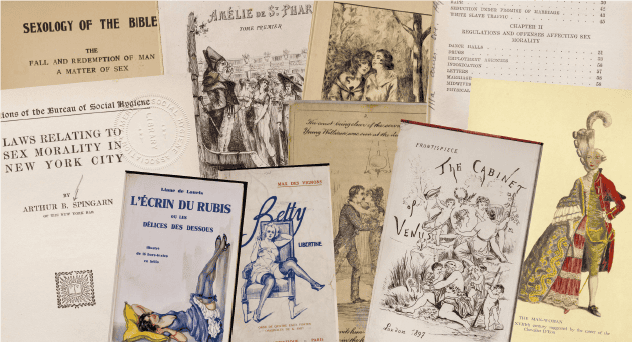
    Sex! … and Sexuality, and Gender

    By Phil Virta, Senior Acquisitions Editor at Gale

    Please be aware that this blog post contains content that may be offensive to some readers; the decision to read the post is at your own discretion.

    Mention the word ‘sex’ while you’re chatting with anyone and you’re likely to get a variety of responses from rational to emotional to visceral, depending on whom you are speaking to:

    “Did you just say ‘sex’?”
    [Lewd laughter]
    “I’m so embarrassed right now that I’m blushing.”
    “Ewwww!”
    “I’m a doctor; we can have a frank discussion.”
    “What about sex?”

    Read more