Coming Soon: Global Politics and US Foreign Policy: The Council on Foreign Relations, 1918–2000

│By Clem Delany, Acquisitions Editor, Gale Primary Sources│

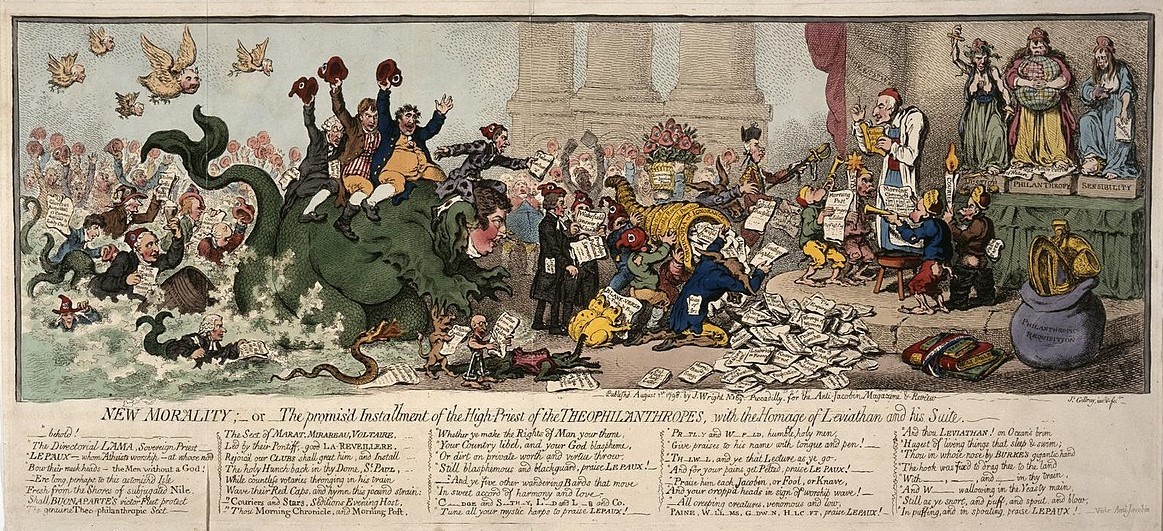
December 2025 will see the launch of a new digital archive, Global Politics and US Foreign Policy: The Council on Foreign Relations, 1918–2000.

This is the digitisation of material from the Studies Department, Records of Groups, and the Records of Meetings of the Council on Foreign Relations, a non-partisan, independent US think tank focused on the international relations of the United States and its role in the world.

This role, and public perceptions of it, has altered greatly throughout the twentieth century, from the isolationist principles of the 1920s and 30s, to the American engagement in WWII and subsequent support in Allied recovery processes, to the Cold War, global anti-communist fears, and the growth of American soft power. In 2025, many of the programs of the United States Agency for International Development (established in 1961 and a key tool of US soft power) were shut down and a new phase of US international relations began.

Read more

In the Footsteps of My Avô: Exploring Angola’s Fight for Independence Through Family History

|Rosa Ferreira, Digital Product Trainer|

Armando Dias De Castro, my avô – my Portuguese grandfather – was a man full of life. He was warm, funny, always ready with a story or a joke. He was also the kindest man you’d ever meet. But when it comes to his time in Angola, I’ve got nothing. No stories, no memories. If he ever spoke about it, I must have been too small to notice, or the words just never stuck.

My uncle, however, recalls many conversations. That makes me believe my avô must have shared his experiences, at least in fragments, though they slipped past me.

It is this gap – between the grandfather I knew and the silence that lingers – that has drawn me into the archives.

Read more

Leaning Into The Great Gatsby and Other Primary Sources

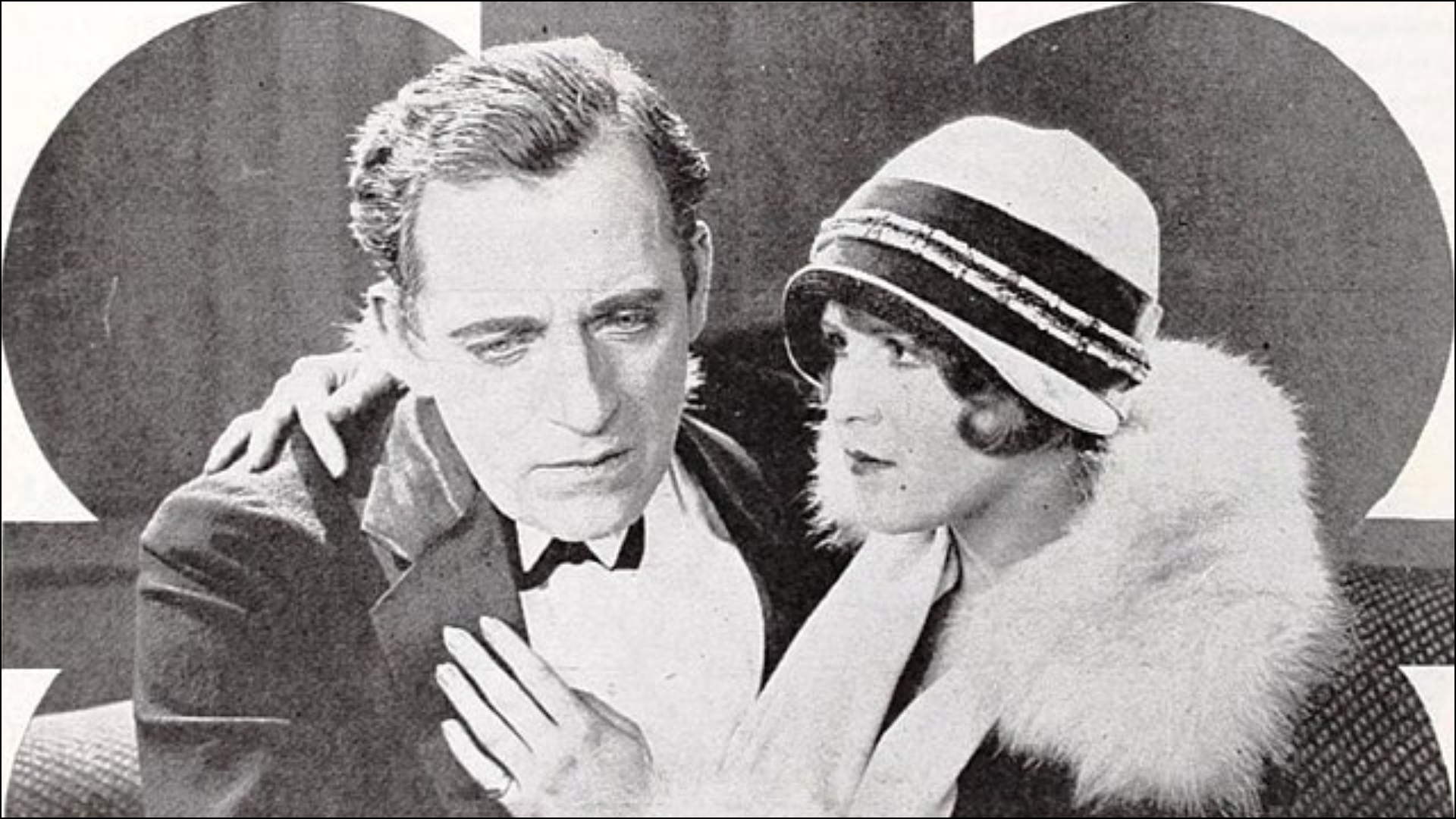
Still from the Film “the Painted Flapper"

│By Caley Collins, Gale Ambassador at University College London (UCL)│

At 100 years’ old, The Great Gatsby is more popular than ever. F. Scott Fitzgerald’s seminal 1925 novel encapsulates the obsessive nature of the American Dream alongside investigating truths about love and desire. Novels like this are one example of a primary source, with primary sources being first-hand accounts of contemporary periods and phenomena.

Needless to say, various types of primary source should be positioned differently within the creation or evidencing of an argument, and each source has many arguments that can be drawn out from it. But what are the best ways to use these primary sources? This post will guide you through the process of finding and using primary sources from Gale Primary Sources, starting with The Great Gatsby.

Read more

How Gale Primary Sources Supports Students Taking Exeter University’s ‘Approaches to Criticism’ Module

│By Poppy Sargent, Gale Ambassador at the University of Exeter│

The first year ‘Approaches to Criticism’ module taught to English students at the University of Exeter is notoriously one of the hardest compulsory modules, spanning across both first and second term. Throughout this module, you learn to think about yourselves as infinitely complex social and political subjects and how our social and political being shapes reading practices, focusing on systems and subjects in relation to one another.

Leveraging literature from Gale Primary Sources, this blog will highlight how Gale supports this module, sourcing manuscripts and monographs to aid students and lecturers in their work. By focusing on three of (in my opinion) the most interesting and crucial topics of this module, I will show you how Gale’s extensive archives highlight articles covering Marxism, Bodies and Medicine, and Critical Race Studies.

Read more

Global Development and Humanitarian Aid: The International Federation of Red Cross and Red Crescent Societies, 1919-1997

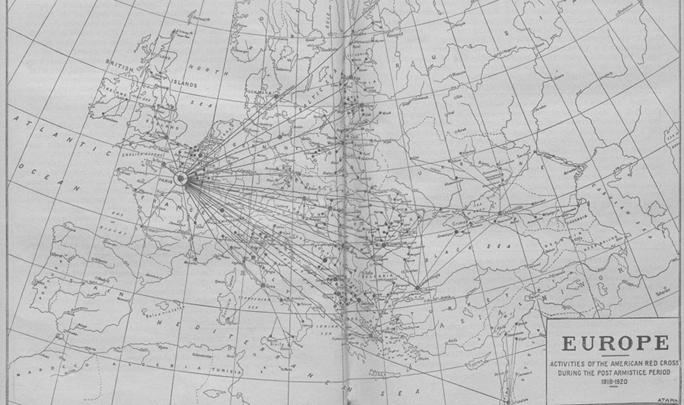
│By Clem Delany, Acquisitions Editor, Gale Primary Sources│

Note: Links to documents in this blog post will be provided on publication of the digital archive.

Like many people in the UK, my first experience of humanitarian appeals was through charity campaigns at school or through Blue Peter. The first one I strongly recall is sending care packages to Romania. Famine in Ethiopia and the need for wells in Africa also loom large in my memories of this era; if Matt Baker told me to give money I said how much (up to a limit of £2)?

Years later, studying history at University, I took a module on the Greek famine of 1941-1942. It was something I had known nothing about, illustrated with stark numbers of Axis requisitions, of the dead and the starving, and by accounts from survivors.

Primary sources for situations such as famines can be a real challenge for scholars; data is shaky, accounts are limited. Few people in a famine zone are there to count heads or write a dissertation; they are either struggling to survive the disaster or there to provide aid.

Read more

An Eighteenth-Century Intersectional Feminist? Exploring the Life of Lady Mary Wortley Montagu in Eighteenth Century Collections Online

│By Leila Marhamati, Associate Editor, Gale Primary Sources

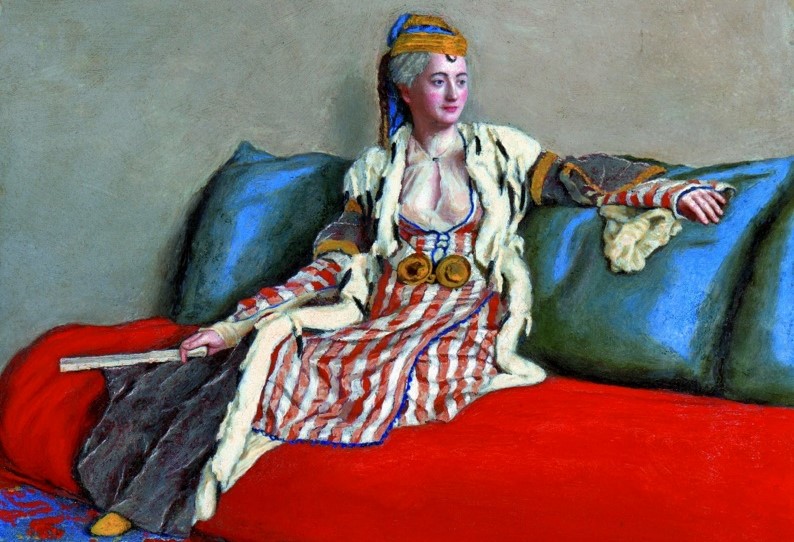
Maybe “Intersectional Feminist” is taking it a bit far, but Lady Mary Wortley Montagu (1689-1762) has certainly been described as a woman ahead of her time. Best known today for the correspondence she maintained while traveling with her husband through the Ottoman Empire from 1716 to 1718, Lady Mary was commonly on the fringes of and often at the forefront of major historical developments in Britain and the Western world. She provided startlingly positive views on non-Western cultures and scientific experimentation at a time when both were viewed with suspicion. And yet, she was still located within a society that embraced hierarchical institutions and systems of oppression.

Using Eighteenth Century Collections Online (ECCO), we can trace these many aspects of Lady Mary and, through them, glean insights into the eighteenth century as a whole. This post contains some documents from the forthcoming release Eighteenth Century Collections Online, Part III, available in March 2026.

Read more

The American Civil War: The International Perspective – The First Digital Archive of Its Kind

│By Emma Harris, Associate Editor, Gale Primary Sources│

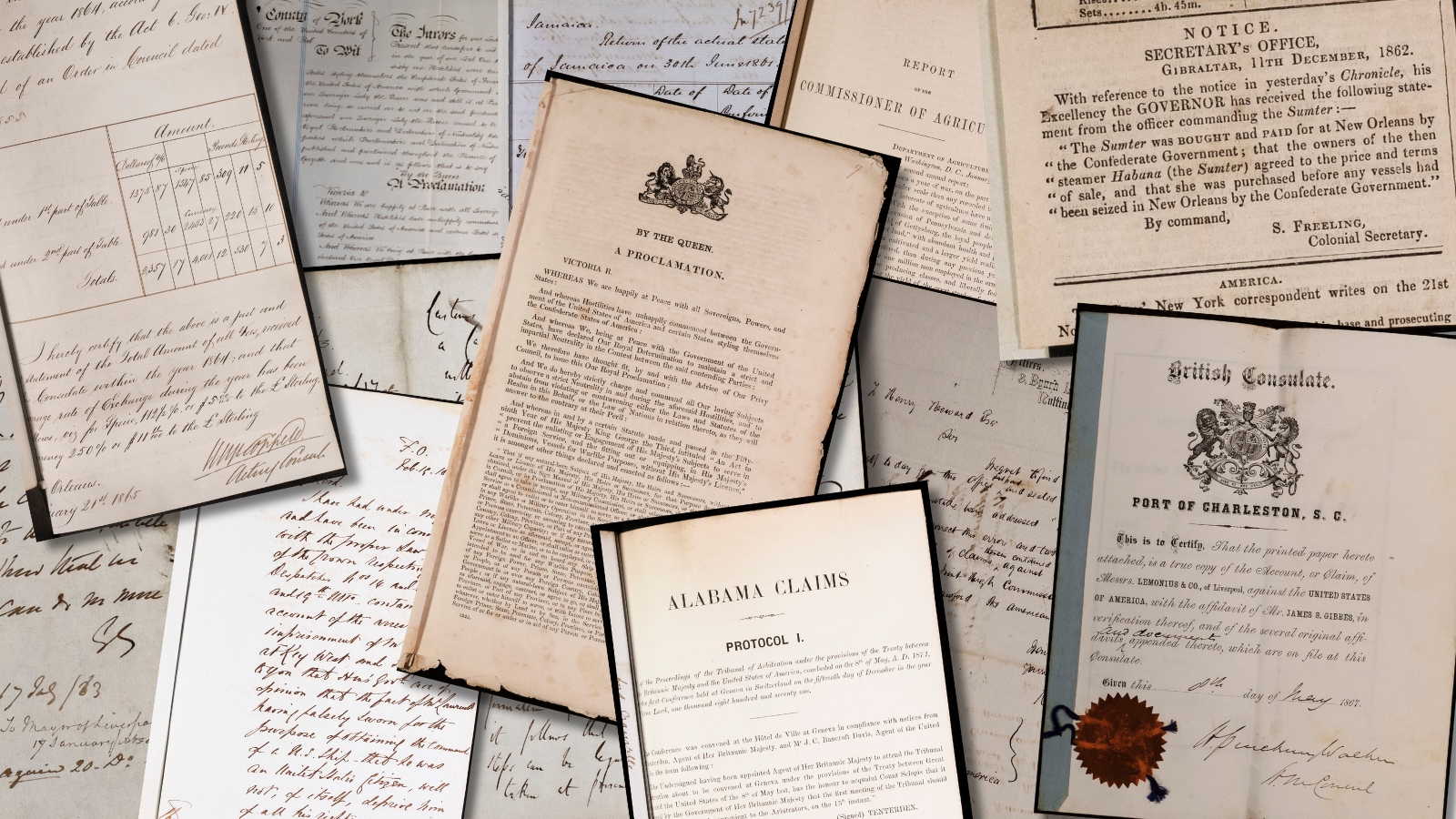
A fundamental topic in American history, the American Civil War (1861-1865) was a major event of the nineteenth century, not just in America but also in global politics, with ramifications for the future of slavery and ideas of popular, democratic government. Lecturers and researchers have increasingly been looking to study the war in its international context as the trajectory and outcome of the war impacted those beyond just America—especially in Europe.

Read more

Treaty Ports and Modern China

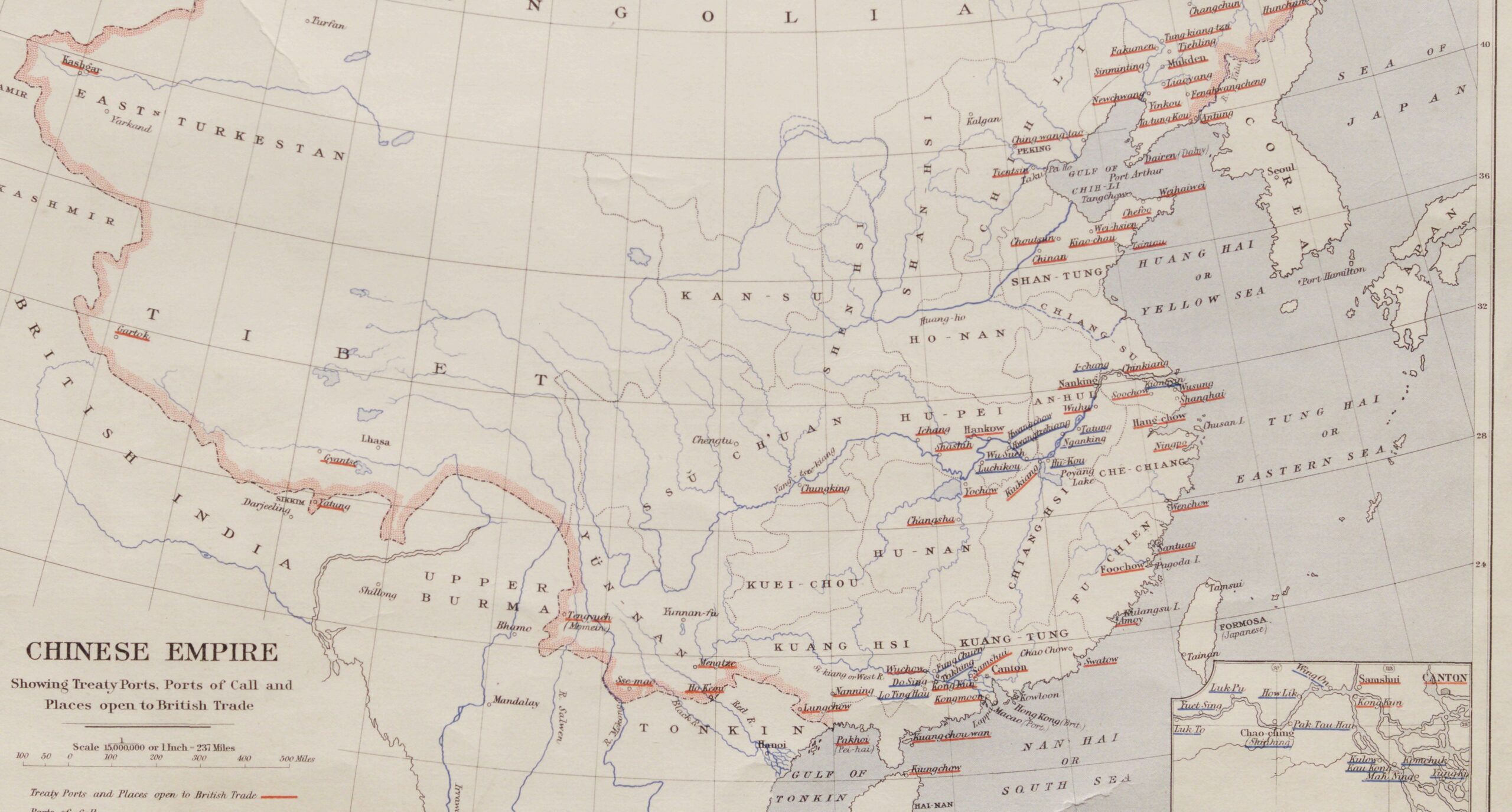
Map of China

|By Liping Yang, Senior Manager, Academic Publishing, and Lindsay Whitaker-Guest, Associate Editor, Gale Primary Sources|

Gale has just released China and the Modern World: Regional China and the West, 1759-1972. As the ninth instalment in the series, this new archive features a compilation of 39 series of mostly British Foreign Office (FO) files. These include general correspondence and registers composed by the British legation in Beijing as well as British consulates based in more than 20 Chinese coastal and inland treaty ports.

Also included are the private and semi-official correspondence of Sir Henry Pottinger, Sir John N. Jordan, and Lord Edmund Hammond as well as the records and photographs of the British concession in Tianjin. This post will explore a few of the topics and events which can be studied through this new archive.

Read more

An Exploration of Women’s Liberation: Insights from Gale Primary Sources

│By Poppy Sargent, Gale Ambassador at the University of Exeter│

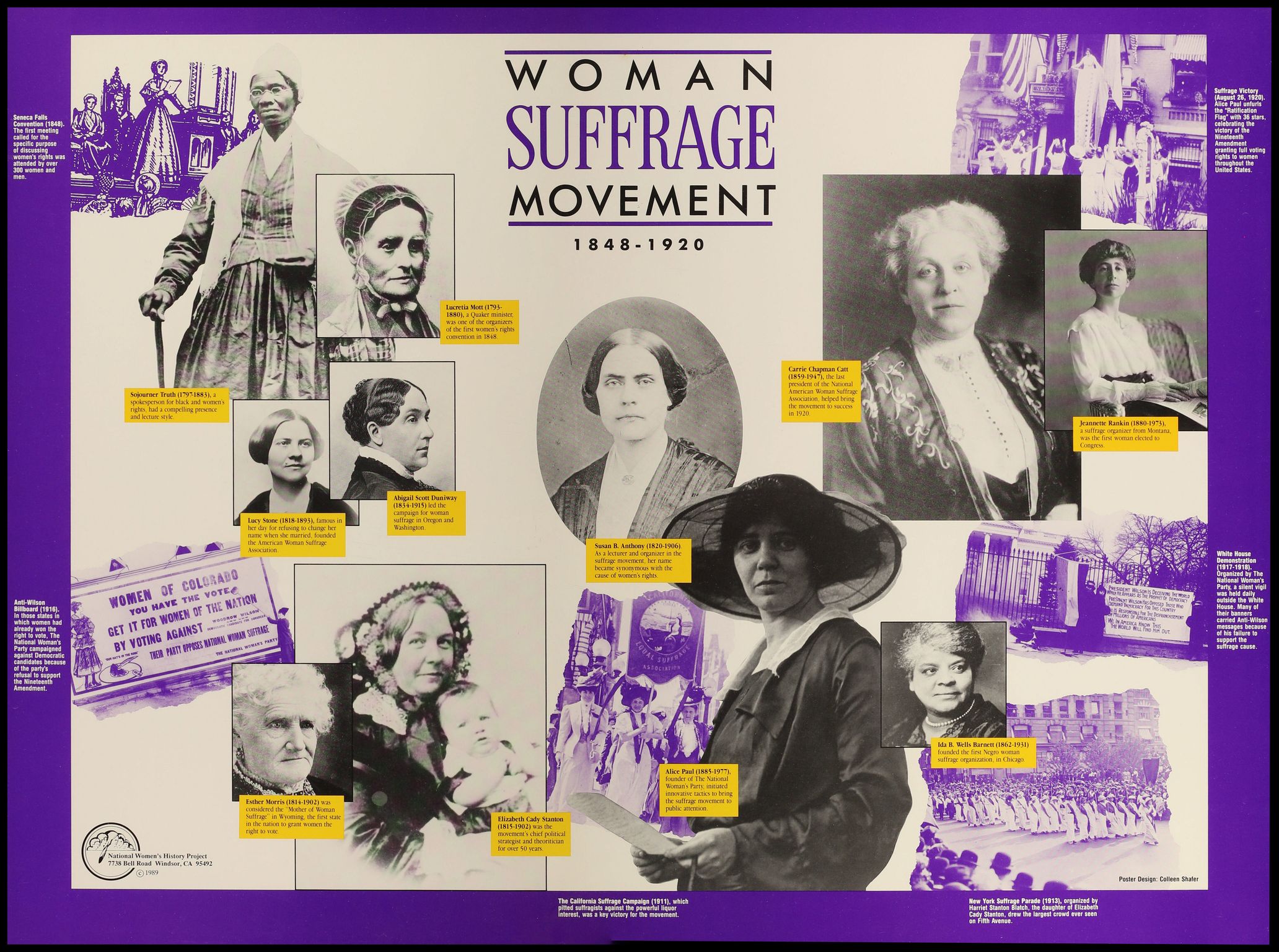
Exploring women’s liberation throughout the years reveals a journey of bravery, courage, and transformation. From the beginning of the women’s liberation movement to the twentieth century, women have held a powerful position in society, whether this be in the workplace, politics, or simply social aspects of society.

Leveraging insights from Gale Primary Sources, this exploration delves into the ways in which women’s liberation was advertised, highlighting key events which led up to the result of women’s suffrage in the United States, various leaflets and posters used to advertise suffrage, and how these can be used to influence modern day suffrage articles. Gale’s extensive archives highlight the crucial role of the media in advertising women’s suffrage.

Read more

Representations of Girls in History of Disabilities: Disabilities in Society, Seventeenth to Twentieth Century

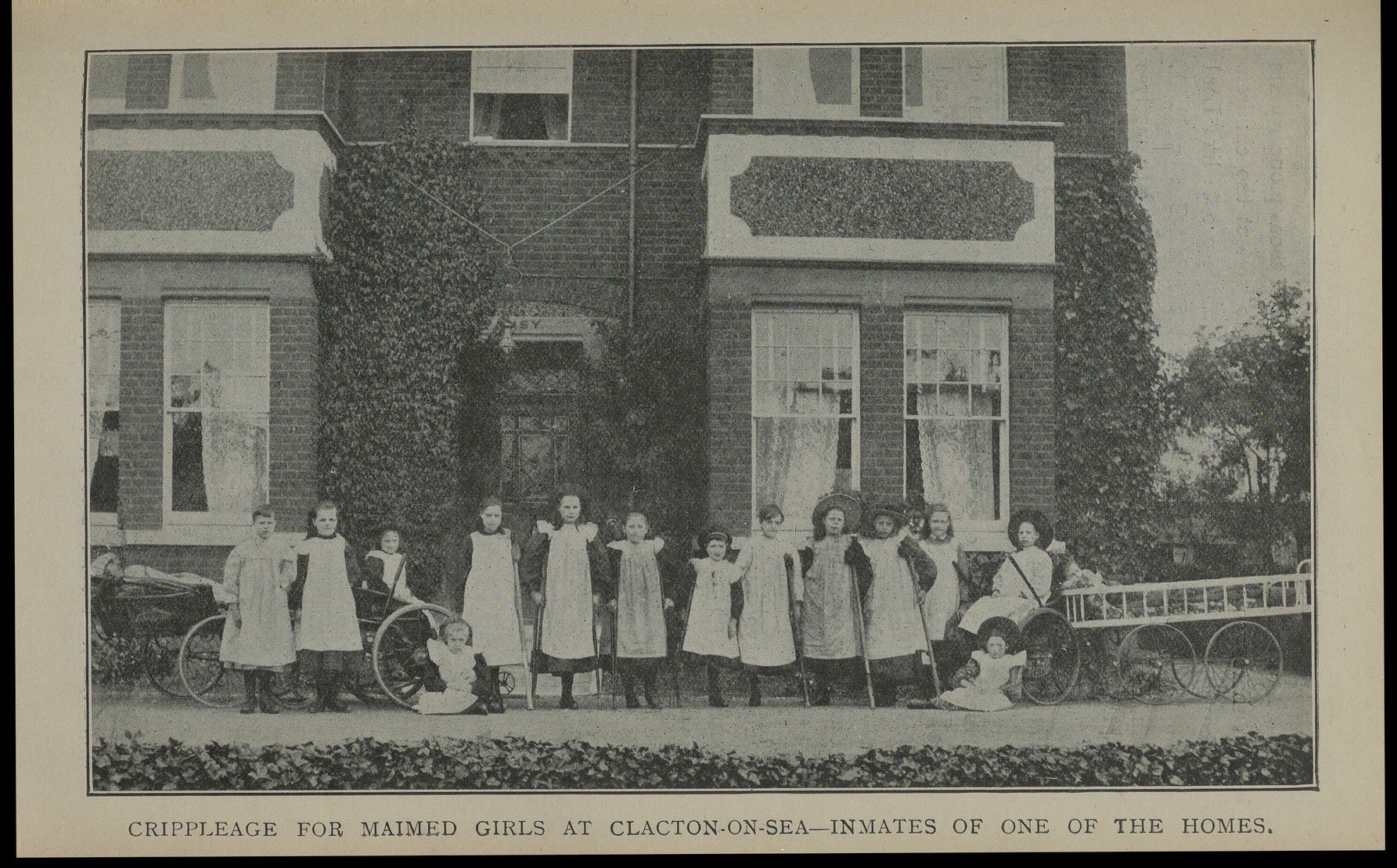
│By Lucy McCormick, Gale Ambassador at the University of Birmingham│ Earlier this year, Gale launched History of Disabilities: Disabilities in Society, Seventeenth to Twentieth Century – a rich digital archive of monographs, manuscripts, and ephemera, sourced from the New York Academy of Medicine. This offers countless avenues for exciting historical research. To provide an example, … Read more