Coming Soon: Global Politics and US Foreign Policy: The Council on Foreign Relations, 1918–2000

│By Clem Delany, Acquisitions Editor, Gale Primary Sources│

December 2025 will see the launch of a new digital archive, Global Politics and US Foreign Policy: The Council on Foreign Relations, 1918–2000.

This is the digitisation of material from the Studies Department, Records of Groups, and the Records of Meetings of the Council on Foreign Relations, a non-partisan, independent US think tank focused on the international relations of the United States and its role in the world.

This role, and public perceptions of it, has altered greatly throughout the twentieth century, from the isolationist principles of the 1920s and 30s, to the American engagement in WWII and subsequent support in Allied recovery processes, to the Cold War, global anti-communist fears, and the growth of American soft power. In 2025, many of the programs of the United States Agency for International Development (established in 1961 and a key tool of US soft power) were shut down and a new phase of US international relations began.
Read more

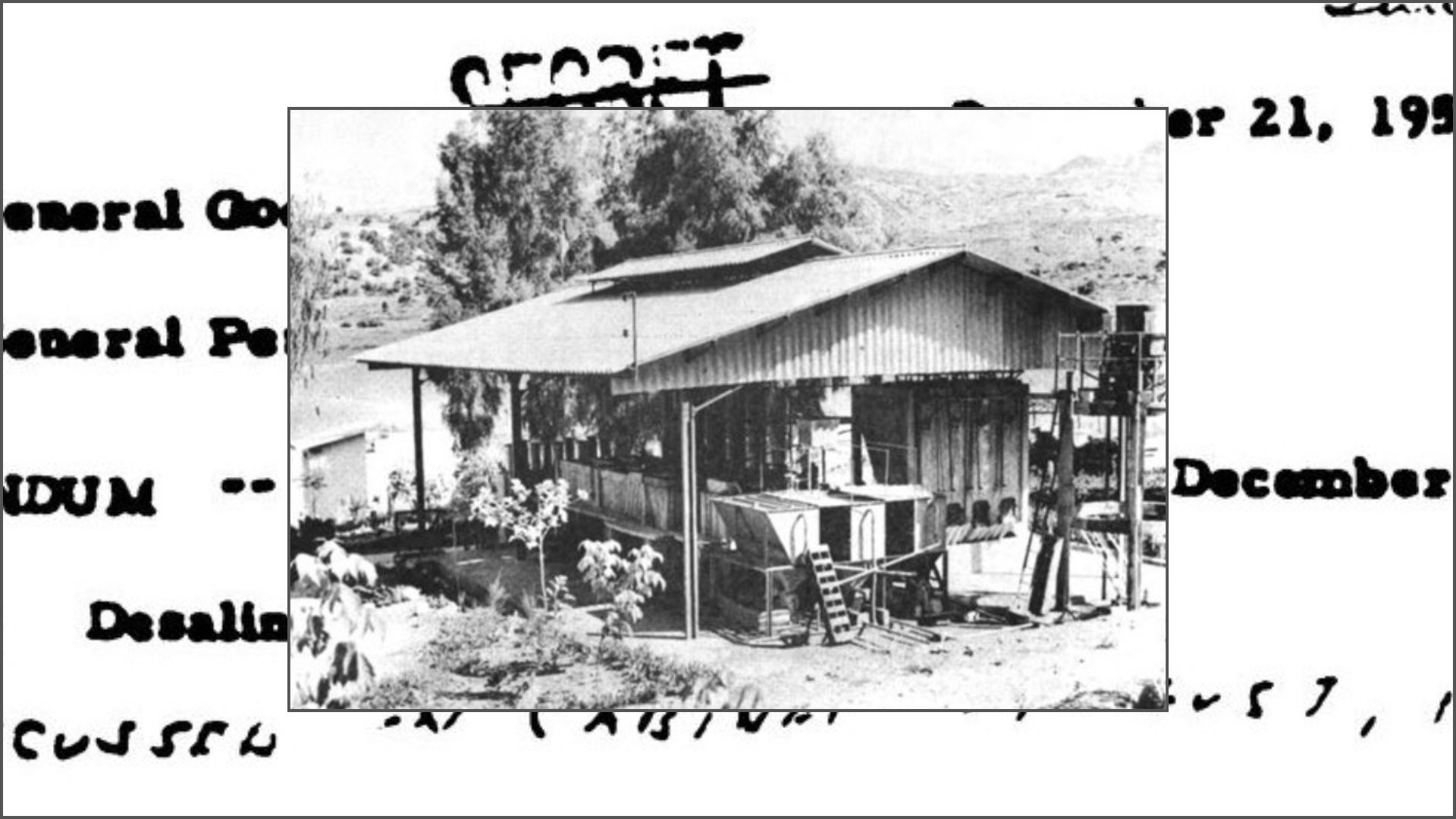
From Salty Dreams to Solar Futures: Rethinking Desalination with Gale Primary Sources

│By Elizabeth Hameeteman, Postdoctoral Researcher, Technische Universität Berlin │

When I began my Gale Fellowship, I was curious about how digital tools might support my historical research. As someone trained primarily in archival and text-based methods, I was eager to explore how computational approaches might offer new ways of seeing familiar materials – or even lead me to sources I wouldn’t have encountered otherwise. What I didn’t expect was that it would shift the trajectory of my work entirely.

Read more

In the Footsteps of My Avô: Exploring Angola’s Fight for Independence Through Family History

|Rosa Ferreira, Digital Product Trainer|

Armando Dias De Castro, my avô – my Portuguese grandfather – was a man full of life. He was warm, funny, always ready with a story or a joke. He was also the kindest man you’d ever meet. But when it comes to his time in Angola, I’ve got nothing. No stories, no memories. If he ever spoke about it, I must have been too small to notice, or the words just never stuck.

My uncle, however, recalls many conversations. That makes me believe my avô must have shared his experiences, at least in fragments, though they slipped past me.

It is this gap – between the grandfather I knew and the silence that lingers – that has drawn me into the archives.

Read more

The History of West Malaysia and Singapore as Refracted Through British Colonial Office Files

|By Liping Yang, Senior Manager, Academic Publishing, and Emma Harris, Associate Editor, Gale Primary Sources|

Please be aware that this blog posts includes primary sources which describe extensive violence and oppression; the decision to read the post is at your own discretion.


Gale Primary Sources State Papers Online Colonial: Asia digital archive welcomed its third instalment in September 2024 – State Papers Online Colonial: Asia, Part III: Malay States, Malaya, and Straits Settlements – providing a continuation of and perfect complement to Part II through a thematic collection on the history of West Malaysia and the earlier history of Singapore.

Made up of mostly original correspondence, as well as two series of maps and plans, and a series of historical photographs, Part III contains over 625,000 newly scanned pages from twelve Colonial Office series sourced from The National Archives, UK.

Read more

Exploring Genealogy in Gale Primary Sources

│By Emma Harris, Associate Editor, Gale Primary Sources

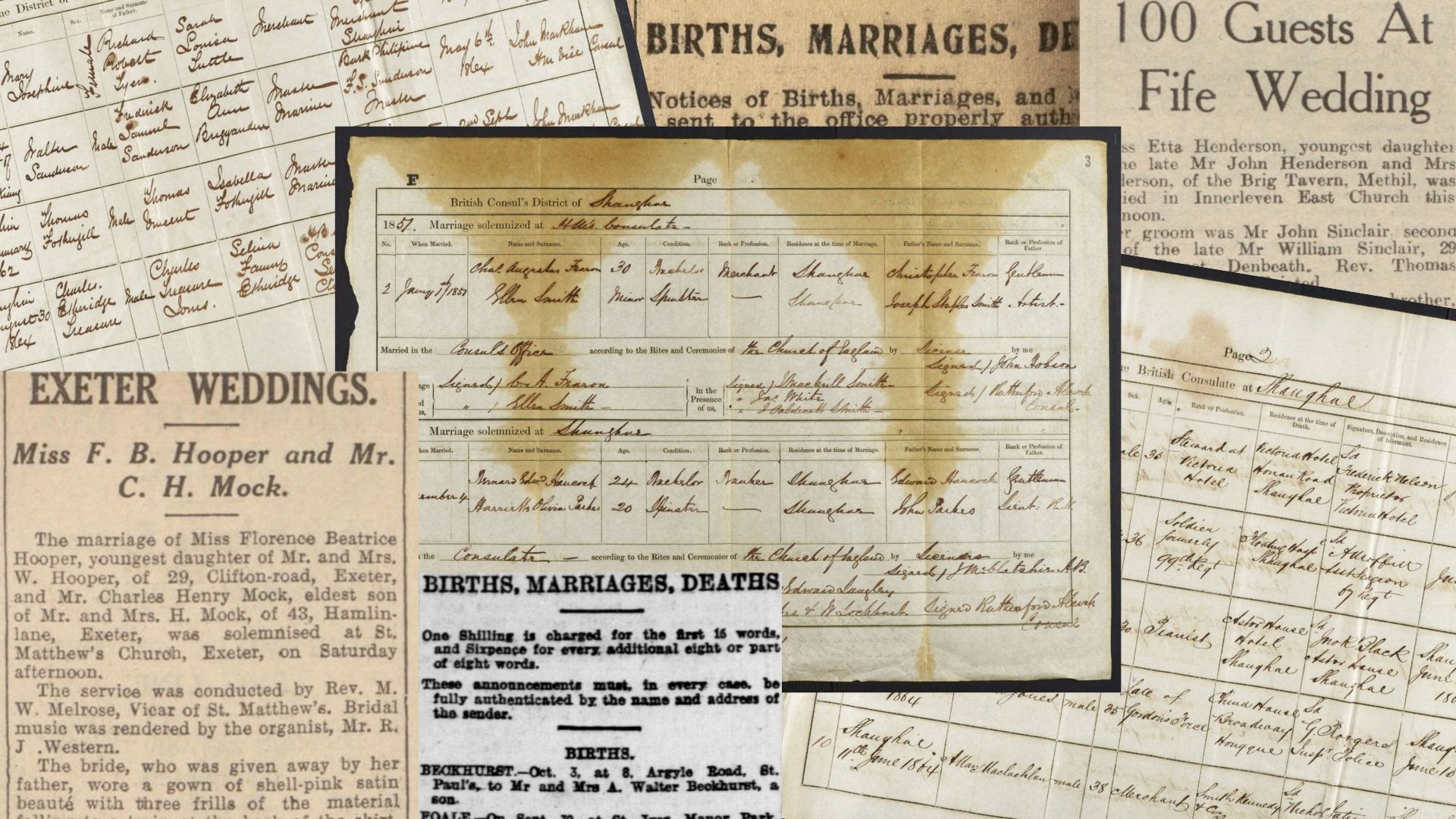
Gale Primary Sources offers a multitude of digital archives for all manners of historical research. But researchers may not realise that Gale’s archives can be used to explore one popular area of history – family history, or genealogy. Researching family history can often have its limitations, particularly geographical, yet digital archives help to break down these barriers, allowing researchers to find material from a range of locations that would usually not be accessible without travel.

Over the years, my family has been mapping out the history of our relatives, creating a broader picture of where we came from. So, aware of all the useful documents in Gale Primary Sources, I decided to see what extra information I could glean on my relatives, whilst also showing how certain Gale archives are especially useful for genealogical research.

Read more

The Influence of British Media on its Politics: Insights from Gale Primary Sources

│By Satakshi Rahi, Gale Ambassador at King’s College London│

Exploring the profound influence of British media on its politics unveils a narrative shaped over centuries of transformation. From the advent of print journalism to today’s digital dominance, British media has wielded significant power in shaping public opinion, driving policy agendas, and defining political discourse. Leveraging insights from Gale Primary Sources, this exploration delves into pivotal historical moments and contemporary challenges, providing a nuanced perspective on how British media continues to mould the political landscape.

The material from Gale‘s extensive archives highlights the crucial role of media literacy and informed engagement in navigating today’s complex media landscape, ensuring transparency and accountability in public discourse while acknowledging British media’s pivotal role in shaping the nation’s political narrative.

Read more

Studying Colonialism in Complementary Archives: Nineteenth Century Collections Online and Decolonization

│By Louis Venter, Gale Ambassador at the University of the Free State│

If you ask any seasoned historian what makes historical research unique, they will emphasise the crucial role of primary sources, which define and distinguish history from other forms of academic writing. In an ever-digitising world, historians can now access digital scans of genuine archival material from anywhere, eliminating the need to travel to distant archives, and making research more efficient.

Bringing together primary sources from multiple archives can enhance one’s research, and Gale Primary Sources offers two key complementary digital archives that can be used in tandem to study colonialism – Nineteenth Century Collections Online: Europe and Africa, Colonialism and Culture and Decolonization: Politics and Independence in Former Colonial and Commonwealth Territories.

Read more

Refugees, Relief and Resettlement: The Early Cold War and Decolonization – The Building Blocks of a Digital Archive

│By Lindsay Whitaker-Guest, Associate Editor, Gale Primary Sources

This year, the global population of forcibly displaced and stateless people has grown to 130.8 million according to figures released by UNHCR. Existing global conflicts such as the war in Ukraine and the Israel-Gaza conflict, as well as environmental and climate disasters, are all contributing to the increasing numbers of people without homes to call their own.

Sadly, these journeys of displacement are not new. Population displacement is a fact of human history, and scholars and researchers can explore episodes in the twentieth century of refugee crises through primary sources in the latest module of Refugees, Relief and Resettlement. This post explores the primary source collections included in this new module and how editors at Gale Primary Sources approach turning poorly catalogued collections into fully searchable digital archive products.

Read more

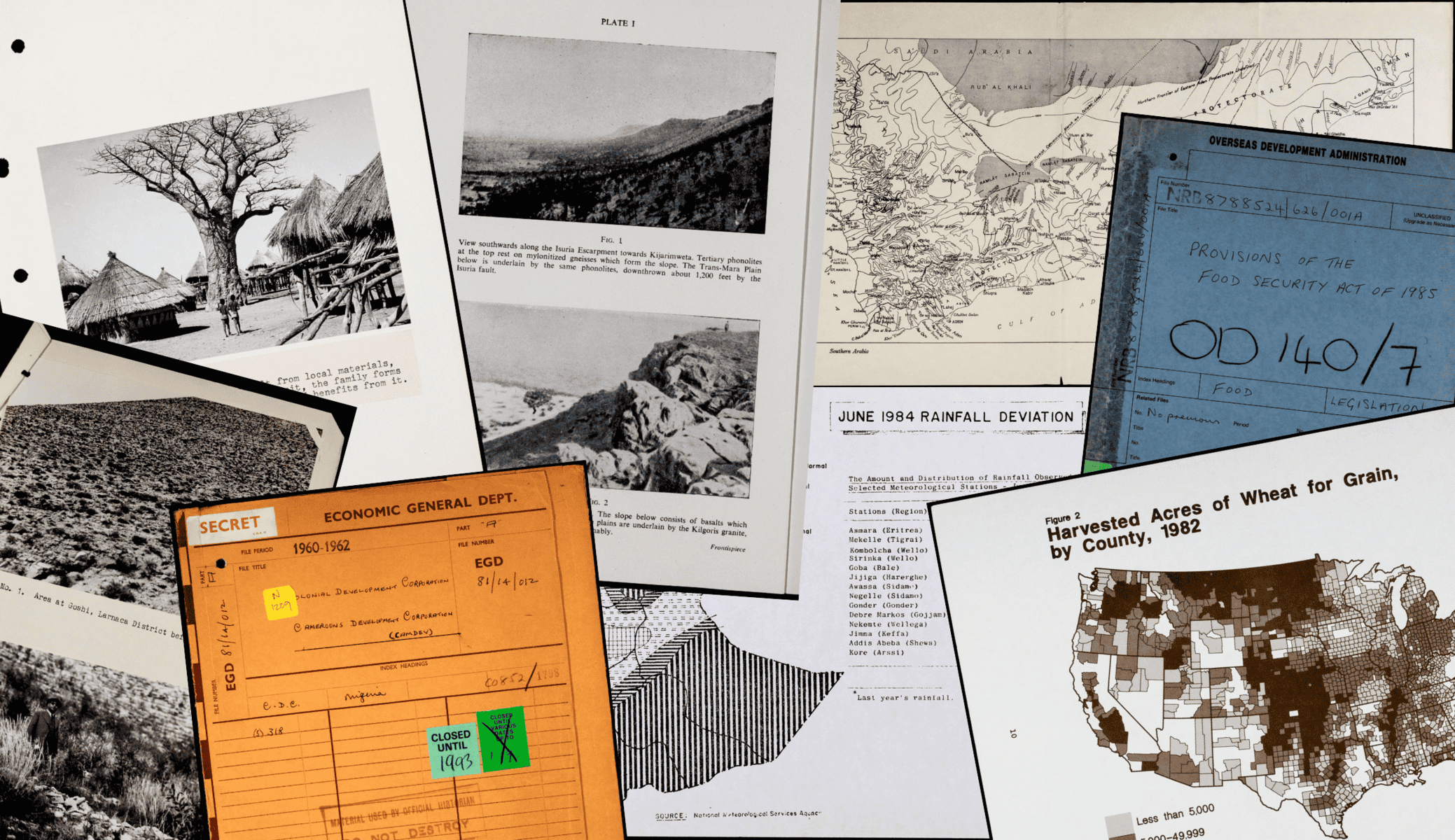
New Environmental History Archive: Colonial Policy and Global Development, 1896-1993

│By Clem Delany, Acquisitions Editor, Gale Primary Sources│

On sitting down to write a brief explanation of what environmental history is, I have spent the last twenty minutes staring into space thinking about Pando. Pando is, as I’m sure the sophisticated and well-travelled audience of this blog will know, the largest and heaviest living organism on earth. Pando covers 100 acres and is around 10,000 years old. That means that when Pando first began its long, slow life, there were woolly mammoth and sabre-toothed cats still living, although increasingly finding their parties a little light on company.

Pando is a tree. It is a quaking aspen in Utah; in appearance it is over 45,000 individual quaking aspens, but below ground it has a single root system. Each ‘tree’ is a clone of its neighbours, a stem of one single organism. And it is on my mind because I am trying to think of a pithy way to describe environmental history, an area of study where many different disciplines and topics meet, connected at their roots as different expressions of one phenomenon: human interaction with the natural world.

Read more

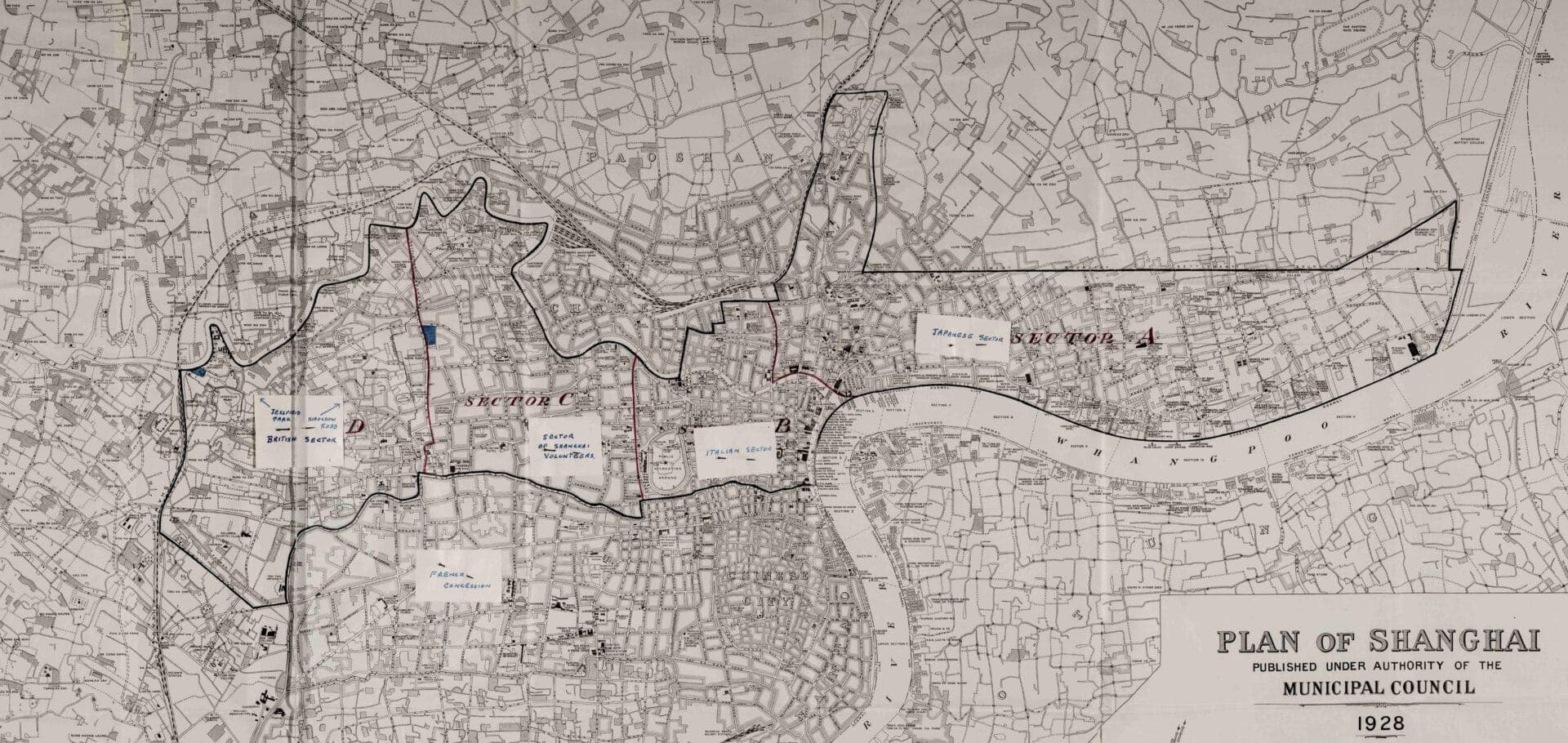
Researching the History of Shanghai Between the 1830s and 1950s

|By Liping Yang, Senior Manager, Academic Publishing, Gale|

November 2023 marks the 180th anniversary of Shanghai being opened to foreign trade in accordance with the provisions of the Treaty of Nanjing and the Treaty of the Bogue, which were signed after the First Opium War between China and Britain.

Coincidentally, in the same month, Gale Primary Sources rolled out a thematic digital archive that features the history of Shanghai. Titled China and the Modern World: Records of Shanghai and the International Settlement, 1836–1955, this new archive provides an extraordinary primary source collection vital to understanding and researching the social, political, and economic history of the Anglo-America-dominated yet highly globalised International Settlement in Shanghai, as well as the history of modern China.

Read more