Gale Fellows Present their DH Research at the Socio-Economic History Society Conference

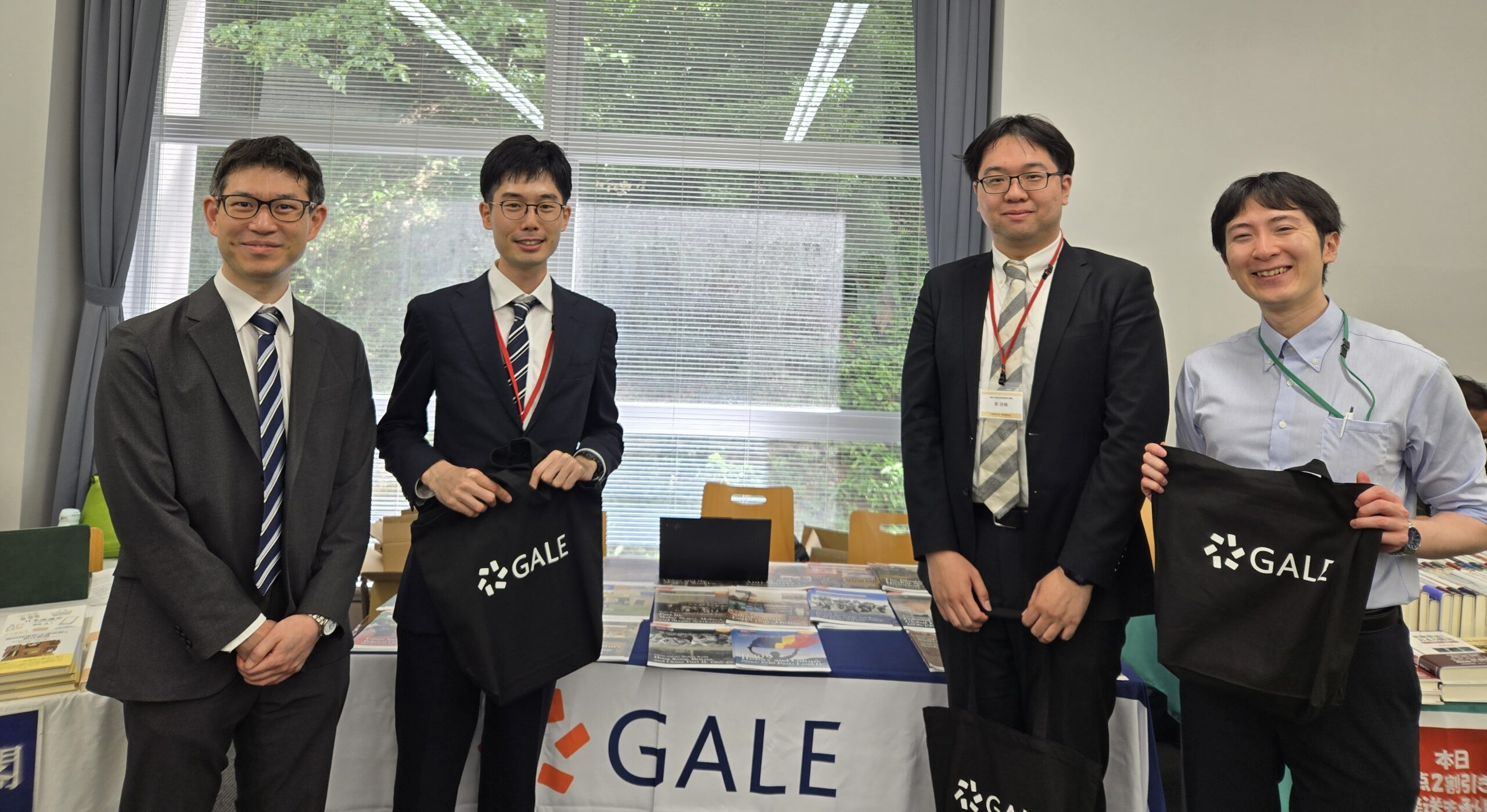
Blog Post Author with the Gale–SEHS Fellows

| By Masaki Morisawa, Product Solutions Consultant |

On the sunny weekend of 9–10 May 2026, the 95th National Conference of the Socio-Economic History Society (SEHS) took place at Senshu University’s suburban Ikuta campus. More than 300 members gathered for the event, presenting and discussing topics as varied as promissory notes in Edo-period Japan, American civil aviation policy, and industrial development in colonial India. The breadth of subjects on display reflected the geographic and chronological range covered by this interdisciplinary society.

Against this vibrant backdrop, three participants in the Gale–SEHS Fellowship presented the results of their research to an audience of about fifty scholars. Gale has partnered with a number of scholarly societies and academic organisations to support digital humanities research, but until now all of these partnerships had been based in either the United States or Europe. The collaboration with SEHS therefore marked an important milestone as Gale’s first fellowship program in Asia.

Over the course of nine months, three early-career scholars selected by the Society’s board of directors explored historical questions using Gale’s resources and digital tools under the guidance of Chris Houghton, Head of Academic Partnerships. The conference provided an opportunity for them to share their findings with the wider academic community. Although Chris was unfortunately unable to travel to Japan for the event, I had the privilege of serving as moderator in his place.

Read more

Collisions: Driving Through Digital Humanities in Search of Roadkill

│By Gilberto Mazzoli, ESEH-Gale Fellow│

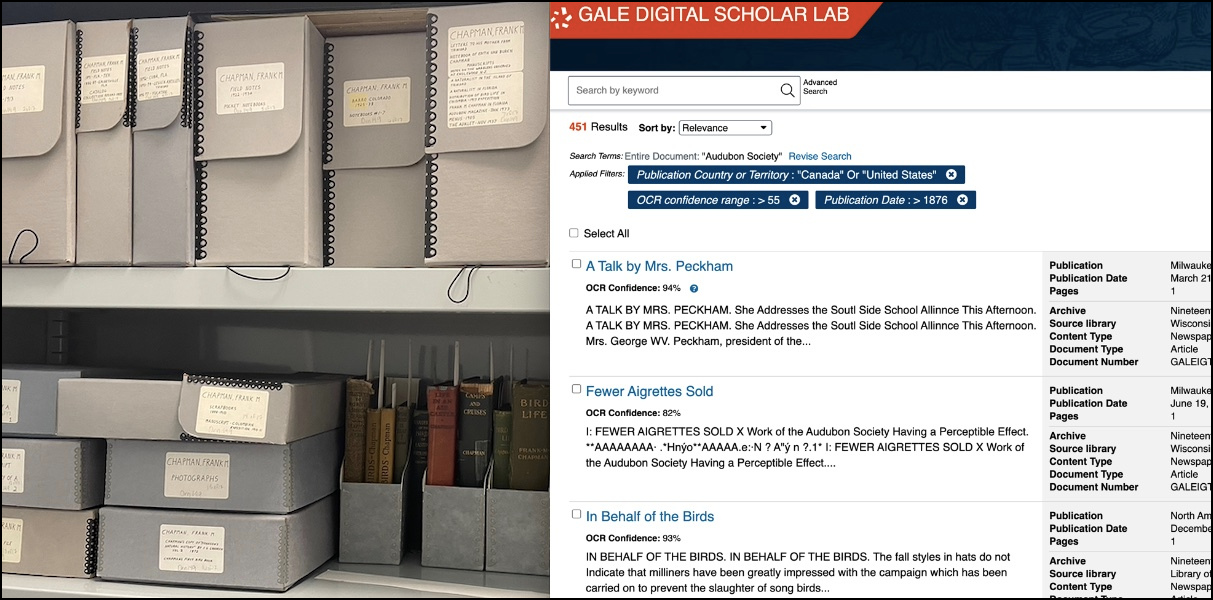
In 2024 I have been one of four recipients of the ESEH-Gale Fellowship in Digital Environmental Humanities. This fellowship has been a good opportunity to explore some aspects of my research in environmental history in a different way and helped to make my current research more visible.

This fellowship not only allowed me to access for seven months, numerous online Gale Primary Sources archives related to the environmental history of the United States and to experiment with tools contained in the Gale Digital Scholar Lab, but enabled me to develop a part of my research project related to the creation of digital interactive maps. This pushed me to learn new technical skills, like GIS, and to think differently about some aspects of my research in environmental history.

In this brief account I reflect on my first experience with digital humanities and on the challenges faced during my research.

Read more

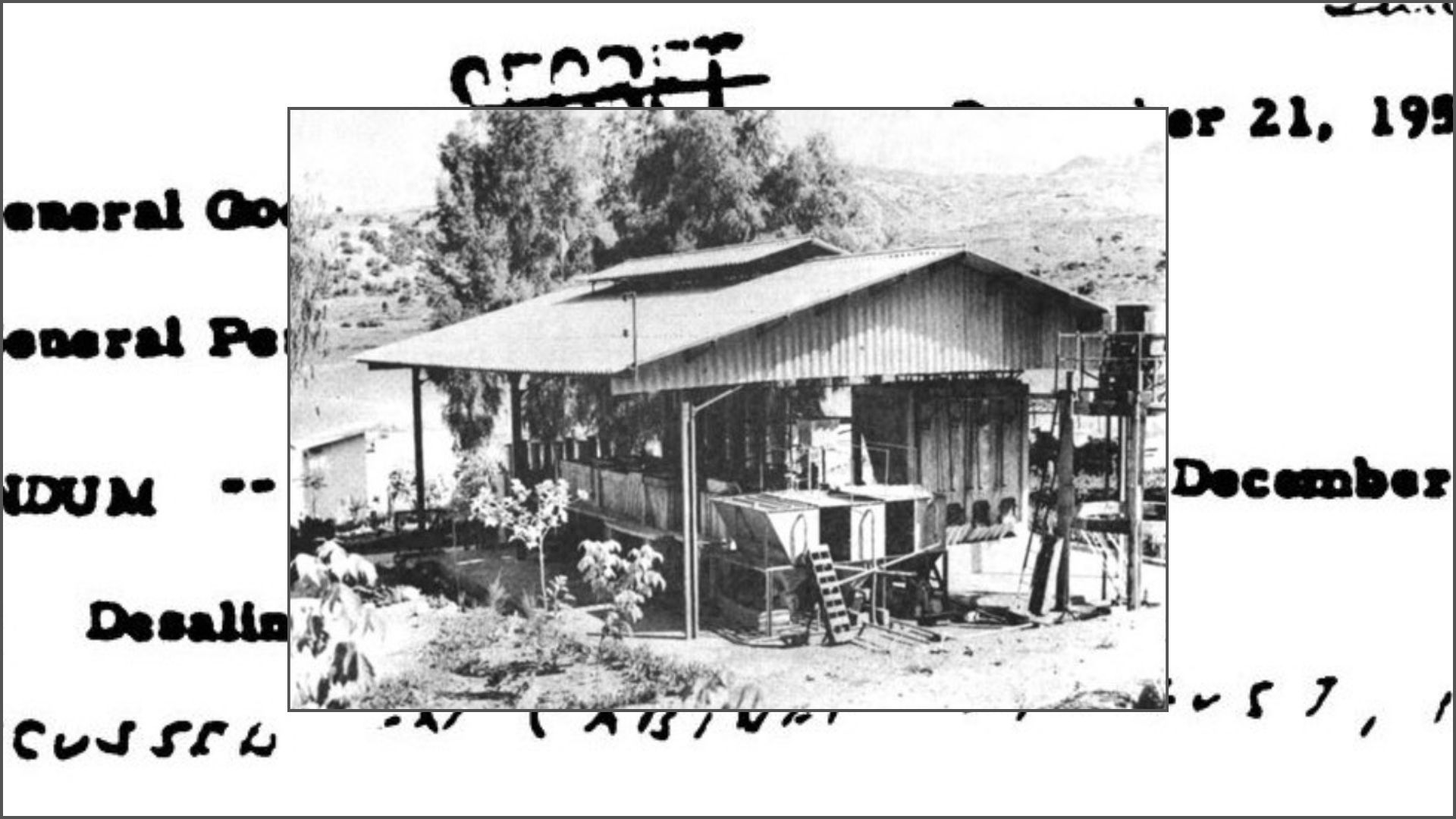
From Salty Dreams to Solar Futures: Rethinking Desalination with Gale Primary Sources

│By Elizabeth Hameeteman, Postdoctoral Researcher, Technische Universität Berlin │

When I began my Gale Fellowship, I was curious about how digital tools might support my historical research. As someone trained primarily in archival and text-based methods, I was eager to explore how computational approaches might offer new ways of seeing familiar materials – or even lead me to sources I wouldn’t have encountered otherwise. What I didn’t expect was that it would shift the trajectory of my work entirely.

Read more

Gale-SHAFR Fellows Explore New Digital History Methods

│By Jess Ludwig, Director, Product Management│

On a recent humid summer morning in Arlington, Virginia, participants in the Gale-Society for the History of American Foreign Relations (SHAFR) fellowship presented exciting research findings at SHAFR’s 2025 annual conference.

SHAFR was founded in 1967 and “is dedicated to the scholarly study of the history of American foreign relations.” In 2024, Gale and SHAFR partnered to create a fellowship; as part of the program, Gale made available Gale Primary Sources archives tailored to each fellow’s research agenda; access to the primary sources text and data mining platform Gale Digital Scholar Lab; and a stipend.

Read more

From the Physical-to-Digital Archive and Back: A Gale Fellow’s Account of Trials and Errors

│By Vanessa Bateman, ESEH-Gale Fellow│

When I received the 2024/2025 ESEH-Gale Non-Residential Fellowship in Digital Environmental History I was just starting the early stages of my first solo book project. I had done enough research to develop my book’s main themes, structure, and research questions, but I had not started the writing process because I still had some gaps to fill.

As someone new to the Digital Humanities (DH), I applied to the Gale Fellowship because I wanted to learn how DH methodologies could elevate my research and eventually expand my output beyond a traditional academic book. As a Gale Fellow, I received training in different research and analysis methods that could be achieved in Gale Digital Scholar Lab, and access to the Gale Primary Sources.

Below I share an account of how I had to problem solve and pivot my research in the digital space, and some findings I made that will be useful in the future. Sharing moments when research didn’t go according to plan, I believe, is just as important as a polished finished project.

Read more

A Two-Way Relationship – Collaborating with Scholars in the Gale Fellowship Program

│By Chris Houghton, Head of Academic Partnerships│

The Gale Fellowship program is now in its third year of providing financial support, training, archival access and professional opportunities for scholars around the world. In 2022, Gale developed its Fellowship program to provide opportunities for scholars in Asia and Australasia to apply for full funding for a three-month residential stay at Oxford University, in partnership with the Bodleian Library.

Successful applicants to the Gale Scholar Asia Pacific, Digital Humanities Oxford Fellowship are guests at Jesus College and given full access to the vast resources of the Bodleian. Alongside this, the Fellows are provided with extensive training and support from Gale in Gale Primary Sources and Gale Digital Scholar Lab to aid their professional development in digital humanities research methods.

Read more