| By Masaki Morisawa, Product Solutions Consultant |
On the sunny weekend of 9–10 May 2026, the 95th National Conference of the Socio-Economic History Society (SEHS) took place at Senshu University’s suburban Ikuta campus. More than 300 members gathered for the event, presenting and discussing topics as varied as promissory notes in Edo-period Japan, American civil aviation policy, and industrial development in colonial India. The breadth of subjects on display reflected the geographic and chronological range covered by this interdisciplinary society.
Against this vibrant backdrop, three participants in the Gale–SEHS Fellowship presented the results of their research to an audience of about fifty scholars. Gale has partnered with a number of scholarly societies and academic organisations to support digital humanities research, but until now all of these partnerships had been based in either the United States or Europe. The collaboration with SEHS therefore marked an important milestone as Gale’s first fellowship program in Asia.
Over the course of nine months, three early-career scholars selected by the Society’s board of directors explored historical questions using Gale’s resources and digital tools under the guidance of Chris Houghton, Head of Academic Partnerships. The conference provided an opportunity for them to share their findings with the wider academic community. Although Chris was unfortunately unable to travel to Japan for the event, I had the privilege of serving as moderator in his place.
Gale Fellows’ Research Presentations
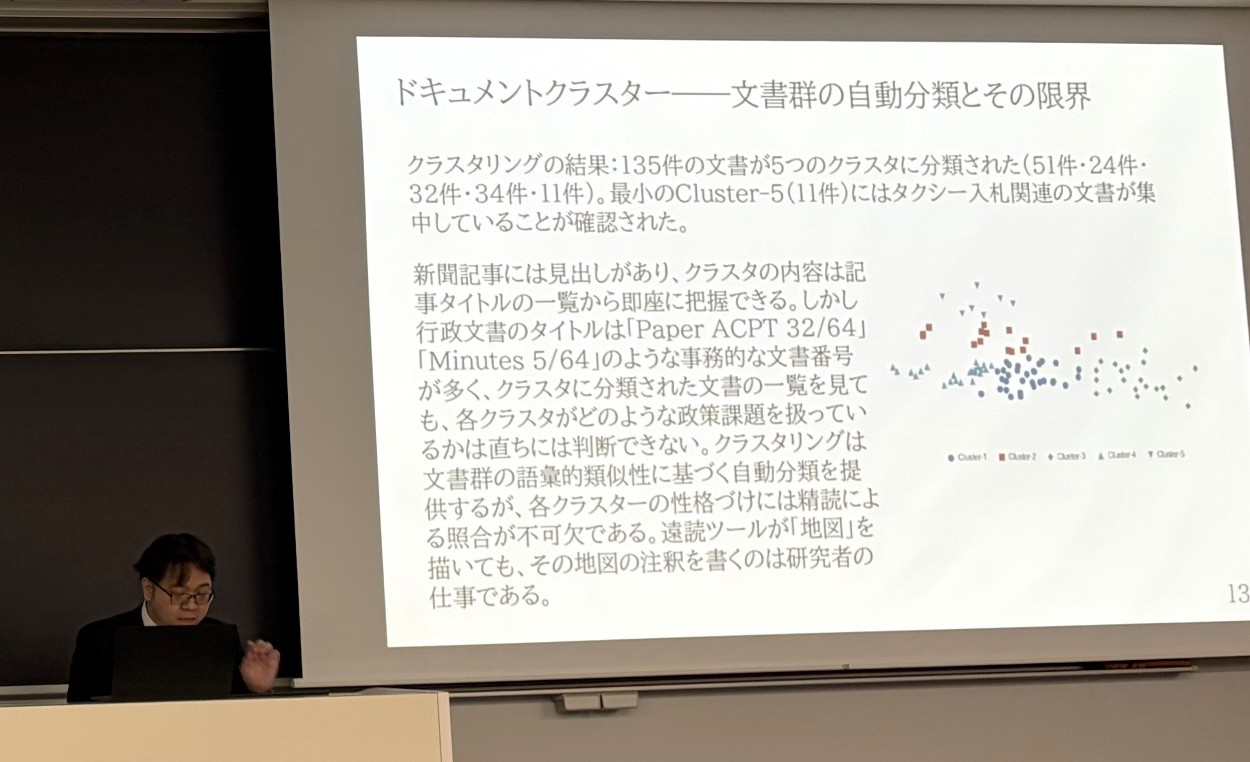
LI Hongfeng (Doctoral Program in Management, Graduate School of Economics, University of Tokyo) examined the reform of Hong Kong’s taxi licensing system in the 1960s through analysis of documents produced by the Transport Advisory Committee and its predecessor.
His research revealed an intriguing contrast between different digital methods: while Ngram analysis suggested that “taxi/taxis” appeared less prominently than “bus/buses,” topic modelling demonstrated that keywords closely associated with taxi licensing issues – such as “licenses”, “management”, “expansion”, and “operators” – formed a distinct thematic cluster in a way that “bus/buses” did not. A clustering analysis further identified two distinct groups of taxi-related documents, one related to policy discussions and another related to bidding procedures.
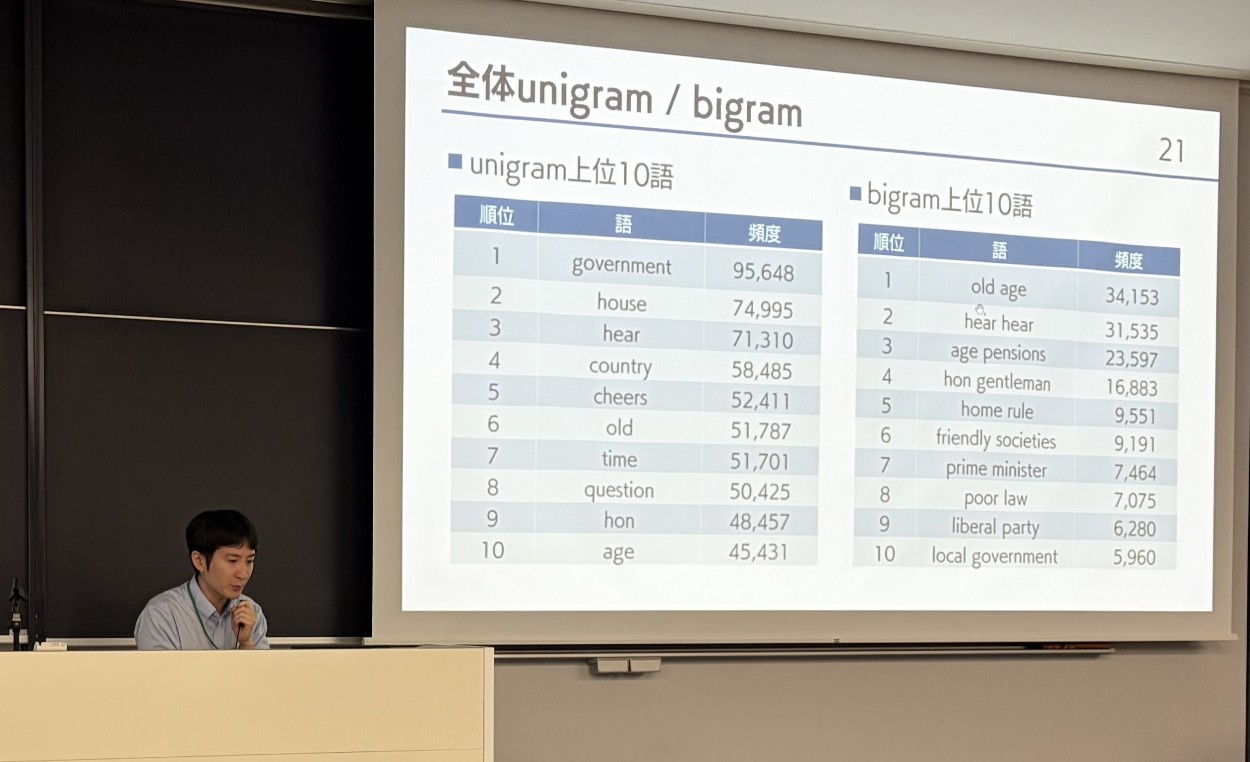
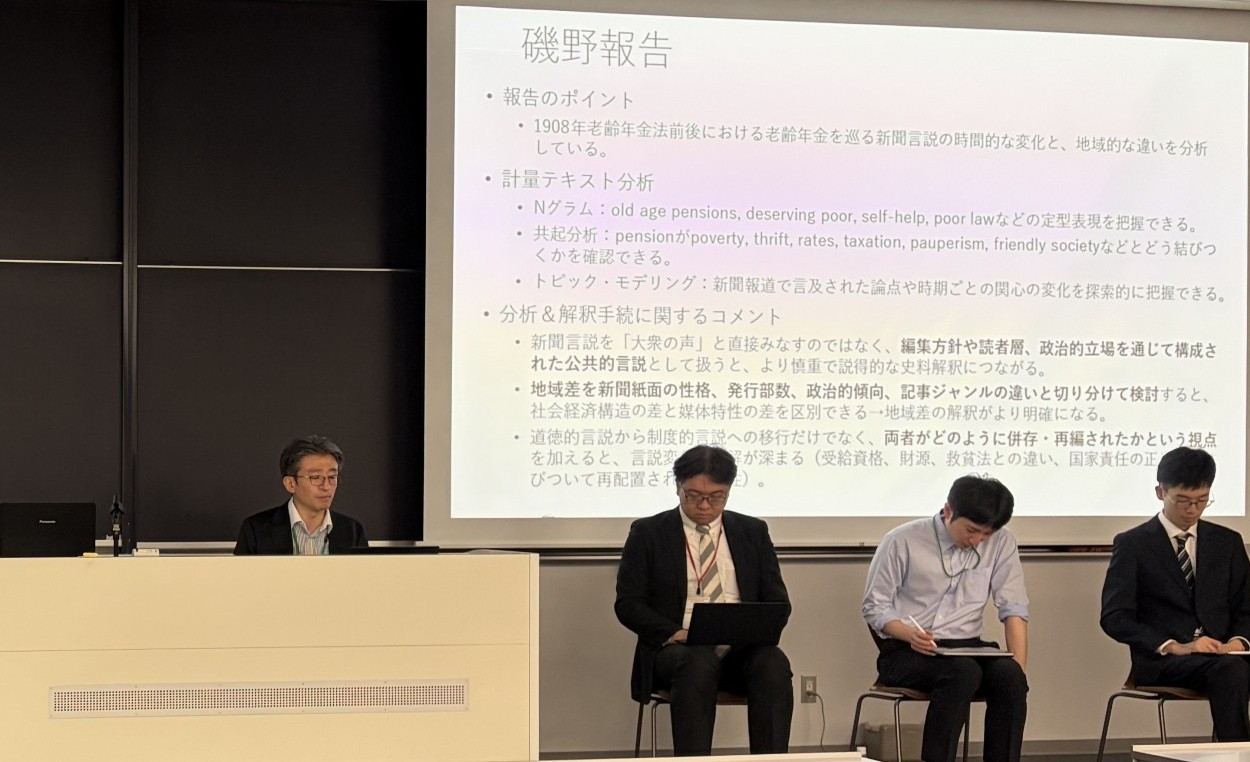
Shogo ISONO (Lecturer, Department of Economics, The International University of Kagoshima) investigated how the British press viewed old-age pensions before and after the Old Age Pensions Act of 1908. Comparing The Times, The Daily Mail, and regional newspapers from northern and southern England in British Library Newspapers, he used digital analysis to uncover regional and editorial differences.
Ngram analysis showed that terms such as “guardian” and “workhouse” appeared relatively more frequently in southern papers, while topic modelling revealed that subjects related to elections and friendly societies occupied a larger share of coverage in regional newspapers than in the two London-based papers. The Times also differed from The Daily Mail in its stronger emphasis on parliamentary affairs.
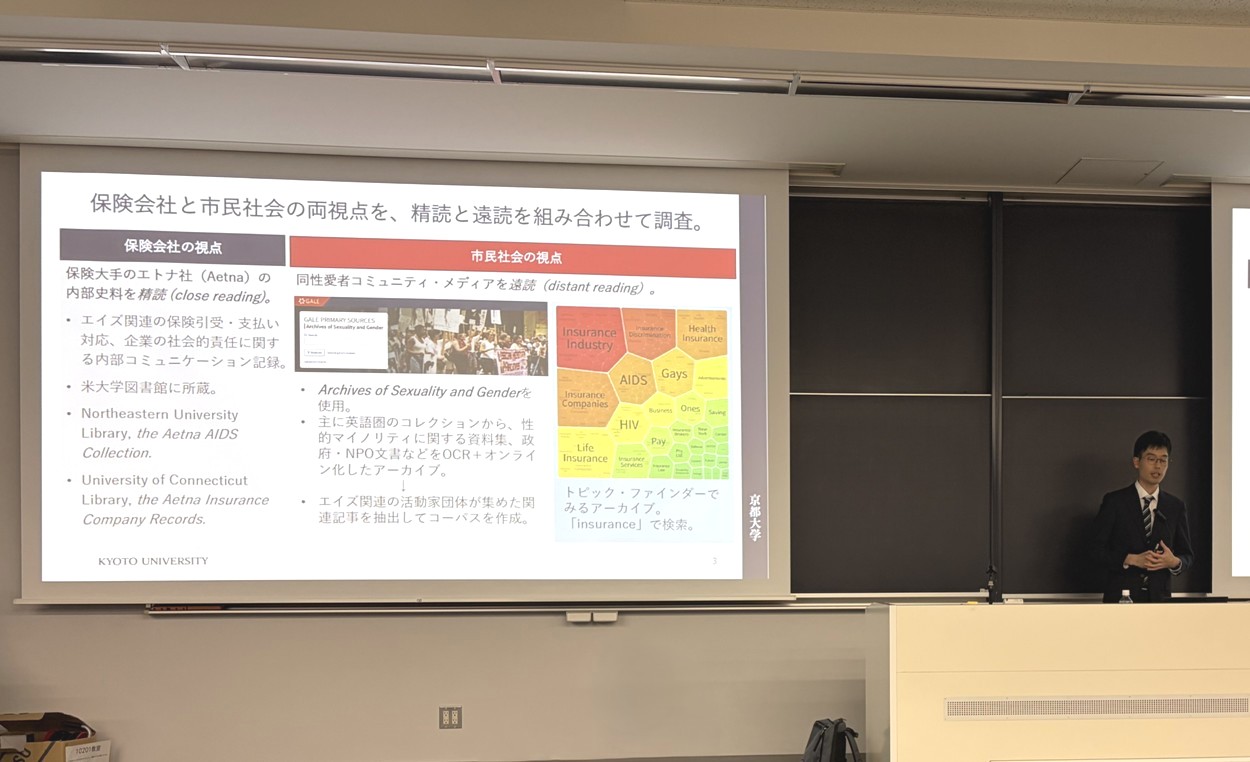
Hideki YOSHIKAWA (Doctoral Program, Graduate School of Economics, Kyoto University) explored access to healthcare and life insurance during the HIV/AIDS crisis in the United States in the 1980s and 1990s. Combining close readings of internal papers from Aetna with distant reading of LGBTQ periodicals from Gale’s Archives of Sexuality and Gender, he traced changing attitudes over time.
Sentiment analysis showed an increase in negative sentiment between 1985 and 1987, followed by a recovery from 1988 to 1990. From 1991 to 1995, the number of relevant articles declined, suggesting a waning level of public attention. Topic modelling across these three periods further indicated that the improvement in sentiment may have reflected growing pressure from organised activism, which helped shift public discourse toward legislative relief measures.
Reflections and Discussion
Following the presentations, Professor Takashi HIRAO (Dean, Faculty of Business Administration, Kyoto Tachibana University) offered thoughtful commentary as discussant, providing constructive evaluations and posing probing questions that sparked debate among both panelists and audience members.
Among the issues raised were whether distant reading methods can generate new questions rather than simply confirm intuitions from close reading; whether newspaper articles can be equated with public opinion; and whether the decline in relevant articles over time necessarily indicates declining public interest. These and many other questions gave the fellows – and indeed everyone present – much to reflect upon.
Combining Technology with Deep Critical Thinking
More details about each fellow’s research will be made available through the Gale Research Showcase in due course.
For me personally, the session was an immense learning experience. In my own work, I often present the usefulness of Gale’s tools and resources to academic audiences, yet I rarely have an opportunity to witness digital humanities research unfolding in practice. Listening to the fellows explain the creative ways they employed these tools – while also grappling with their limitations and with broader questions of interpretation and objectivity – was genuinely inspiring.
What stood out most was not simply the sophistication of the digital methods on display, but the way the scholars combined technology with rigorous historical and critical thinking to uncover new perspectives on diverse sets of material. Their presentations demonstrated that digital humanities is not about replacing traditional scholarship, but about opening new paths for inquiry and dialogue.
If you enjoyed reading about the Gale–SEHS Fellows’ research, you may like:
- A Two-Way Relationship – Collaborating with Scholars in the Gale Fellowship Program
- Gale-SHAFR Fellows Explore New Digital History Methods
- From the Physical-to-Digital Archive and Back: A Gale Fellow’s Account of Trials and Errors
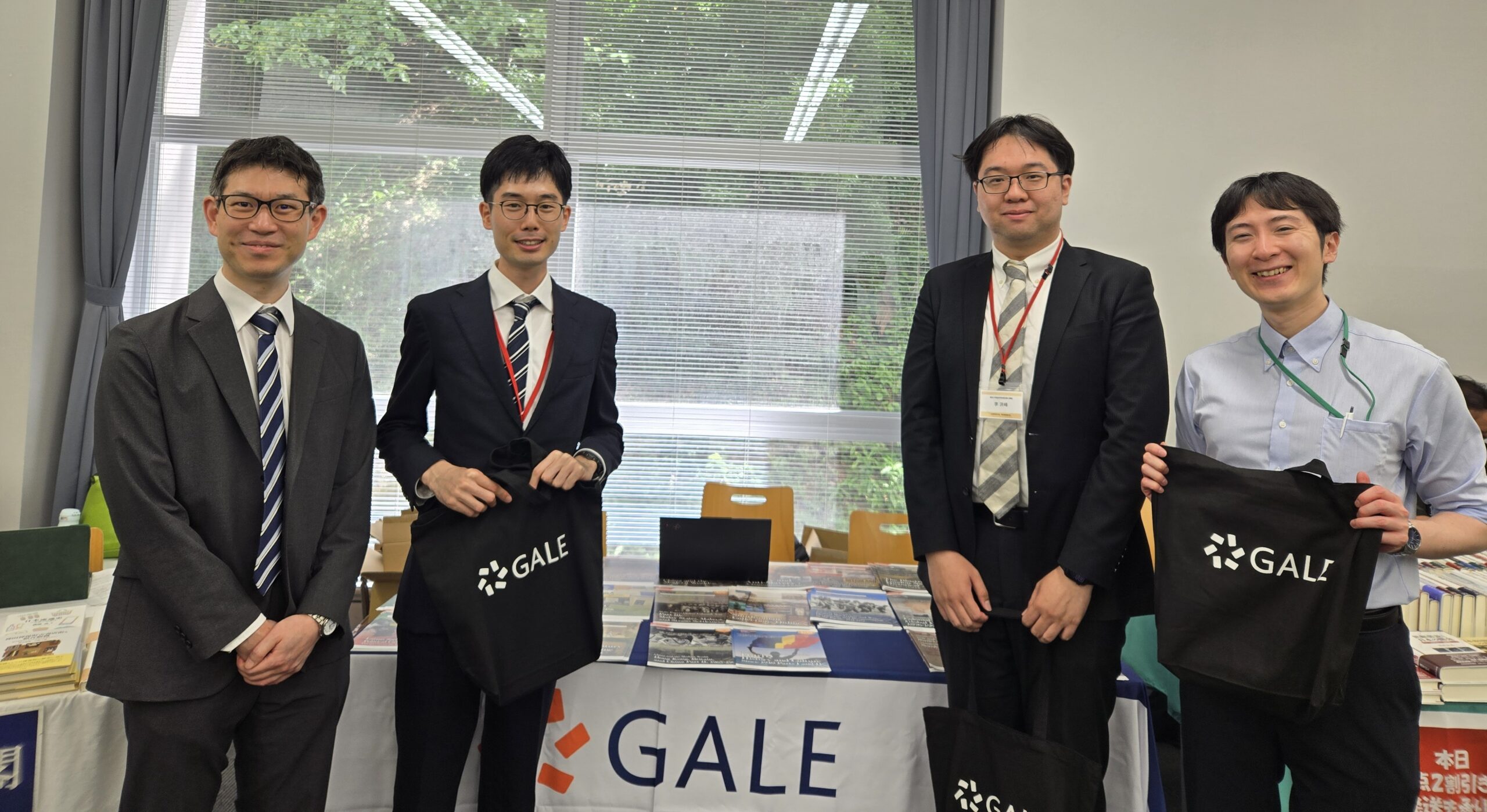
Blog post cover image citation: from left to right – Masaki Morisawa, Hideki Yoshikawa, Li Hongfeng, and Shogo Isono.