
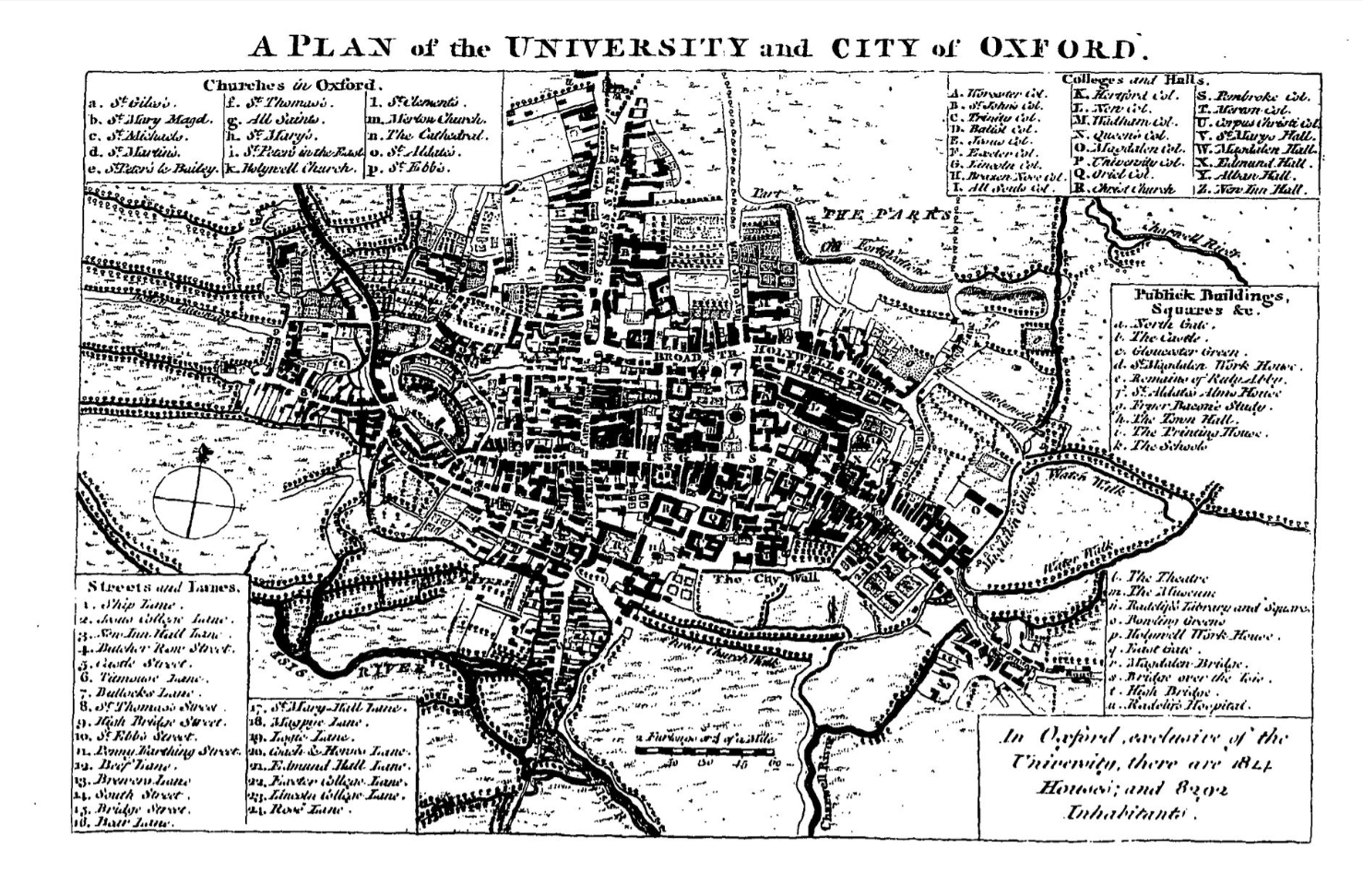
Laughing at Your Professors: Disruptive Behaviour in Early Modern English Universities

│By Benjamin Armus, Gale Intern│

From the raucous atmosphere of college sports to emergent subversive online cultures, the university experience has always been defined by a tension between institutional discipline and youthful rebellion. However, a rejection of decorum is by no means a modern invention; the halls of Oxford and Cambridge four hundred years ago were frequently just as rowdy, and more dangerous, than the campuses of today.

To capture the spirit of these interactions, we must turn to the paper trails left behind by the students and masters themselves. Drawing on the extensive archives within Gale’s Eighteenth Century Collections Online (ECCO) and British Literary Manuscripts Online, this post will examine a selection of primary texts – from jestbooks to memoirs.

By analysing these firsthand accounts, we can understand the deeper function of humour and violence, revealing how these disruptive behaviours shaped the social and intellectual climate of the early modern university.
Read more

From Archive to Master’s Thesis – Linguistic Analysis of Nineteenth-Century Theatre Reviews in The Times

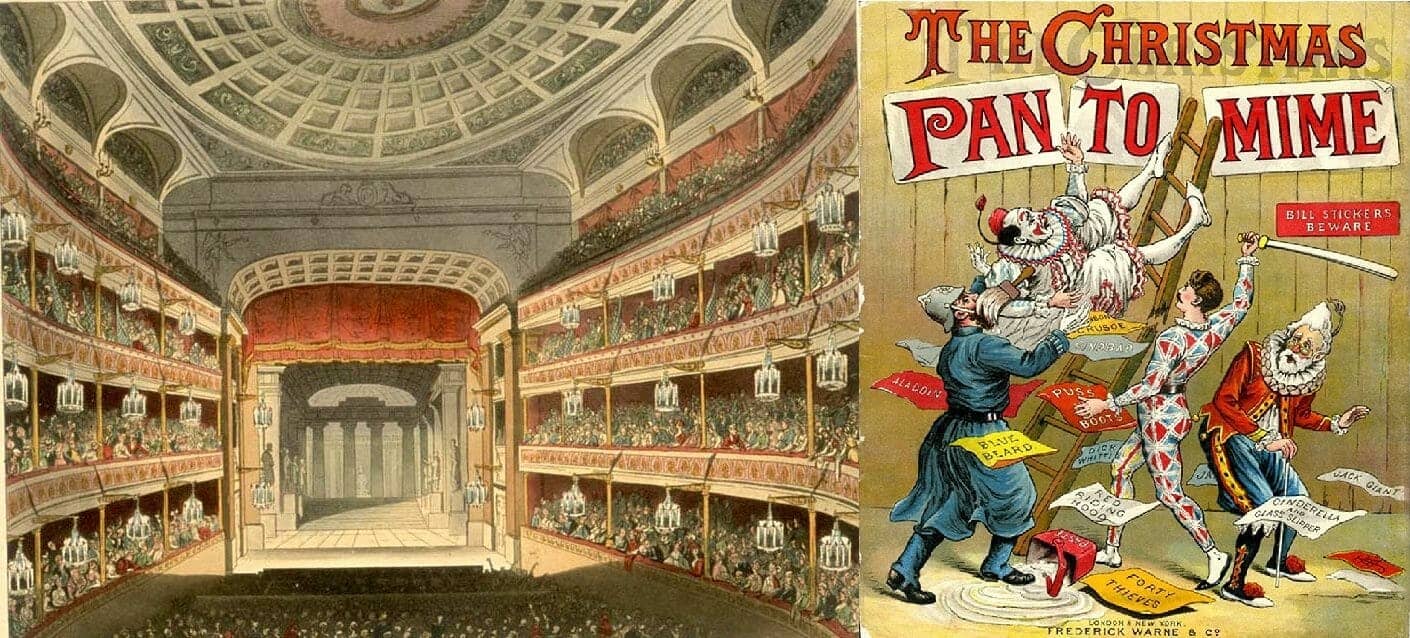
A combination of The Theatre Royal, Covent Garden and a Pantomime illustration

│By Hanna Kiiskilä, MA graduate in English language from the University of Turku, Finland│

Choosing a research topic is difficult at any level of study. For me, finding the right database guided my topic and set the course for my entire Master’s thesis. At the beginning of the process of writing my master’s thesis in English Language, I had just epitexts (the surrounding information about a work that does not exist within the work itself but alongside it)1 in mind, but once I had read a few nineteenth-century theatre reviews from The Times Digital Archive, it became clear that they were a subject of study I could not pass up! In my thesis Evaluative Language in the Early Nineteenth-Century Theatre Reviews in The Times Newspaper (2020), I studied historical theatre reviews from the point of view of evaluation (their use of evaluative language) and the impact of contemporary politics. In this blog post I will detail the way I used The Times Digital Archive to collect a dataset that determined the topic of my study.

Read more