
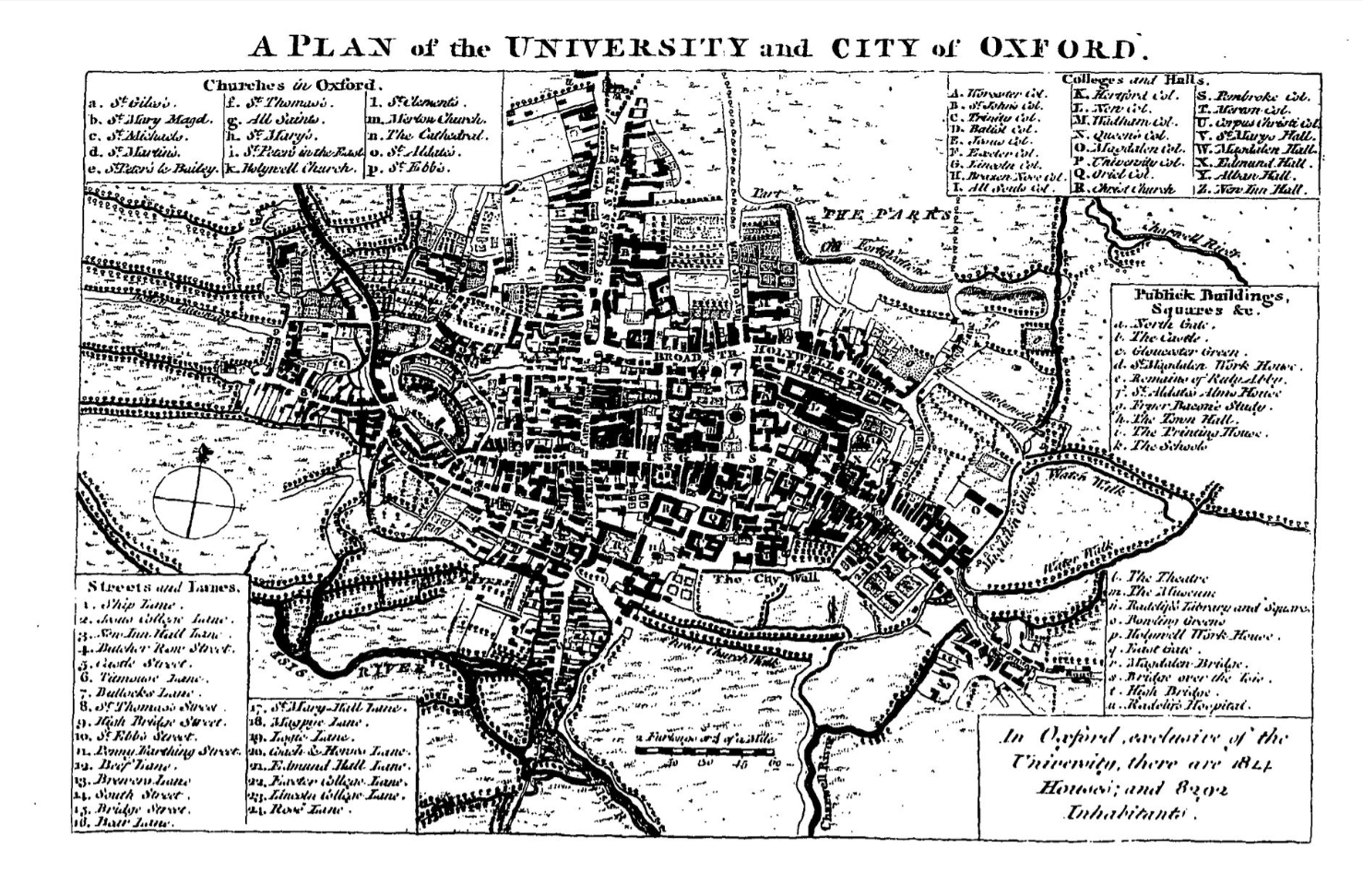
│By Benjamin Armus, Gale Intern│
From the raucous atmosphere of college sports to emergent subversive online cultures, the university experience has always been defined by a tension between institutional discipline and youthful rebellion. However, a rejection of decorum is by no means a modern invention; the halls of Oxford and Cambridge four hundred years ago were frequently just as rowdy, and more dangerous, than the campuses of today.
To capture the spirit of these interactions, we must turn to the paper trails left behind by the students and masters themselves. Drawing on the extensive archives within Gale’s Eighteenth Century Collections Online (ECCO) and British Literary Manuscripts Online, this post will examine a selection of primary texts – from jestbooks to memoirs.
By analysing these firsthand accounts, we can understand the deeper function of humour and violence, revealing how these disruptive behaviours shaped the social and intellectual climate of the early modern university.
What’s So Funny?
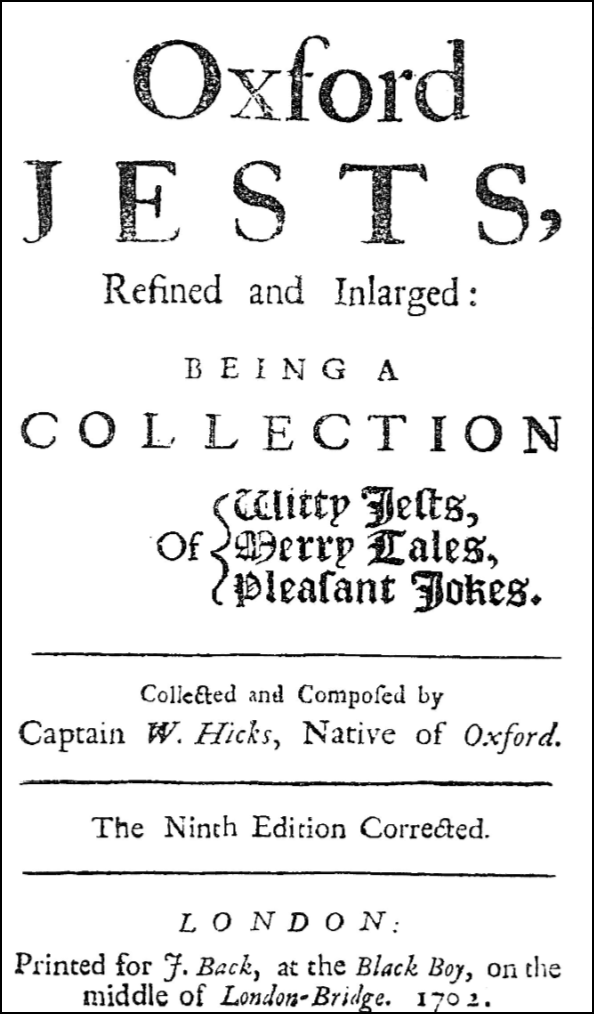
A number of joke-books specifically attributed to students were popular in England. One book in particular, Oxford Jests, Refined and Inlarged: Being of a Collection of Witty Jests, Merry Tales, Pleasant Jokes was published a number of times in London – suggesting a popularity outside of the university towns. But what was so funny in these universities? Some examples demonstrate little more than the long history of bad puns:
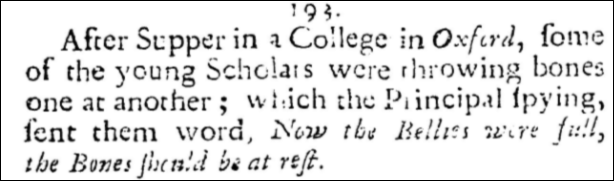
However, other jokes reveal something far more telling about the institutional culture of these universities. The eighteenth century is frequently characterised by historians as a period of academic stagnation, where the rigor of previous eras gave way to lethargy. This decline is captured perfectly in the recurring humour surrounding somnolent scholars. We see this in anecdotes depicting students sleeping through disputations, the university’s oral debates. These jokes about sleeping undergraduates reveal an impression of the solemn academic exercises; much like students today.
Not all of these jokes are harmless puns or clever wordplay. Dozens of surviving jests aggressively ridicule women and the disabled, targeting them especially for sexual impropriety or physical deformity. In the insular, hyper-masculine world of the eighteenth-century university, this brand of cruel wit served to reinforce the students’ own sense of superiority.
By reducing marginalised groups to punchlines about their bodies, morals, or afflictions, these texts reveal a toxic underbelly to the era’s ‘polite’ society, where humour was frequently used as a weapon to dehumanise those outside the academic elite.
‘Coursing:’ An Opaque Practice
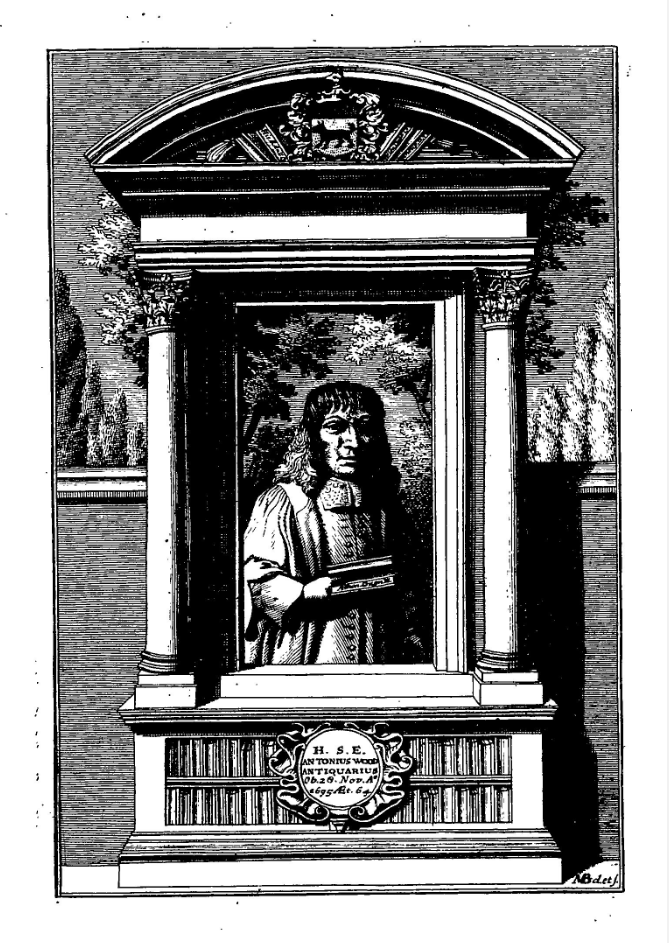
The famous antiquarian of Oxford, Anthony Wood, paid particular attention to the collapsing standards of the university in the seventeenth century. A solitary and often cantankerous figure, Wood meticulously recorded the sliding morals of the student body in his diaries, painting a vivid picture of a generation he believed was lost to vice.
He lamented that the sober, Latin-speaking scholars of the past had been replaced by ‘rakehells’ who spent more time in alehouses than libraries. For Wood, the university was abandoning its dignity for a culture of debauchery.
The fall of discipline in the second half of the seventeenth century had to do with student violence. Wood explains that this fighting resulted from disputations where the men passed from words to blows. These fights often resulted from coursing, a practice where colleges would challenge each other to dispute. Coursing became so violent that the Vice Chancellor issued a poster in 1651, and again in 1656 against the practice.
A History Of People
Ultimately, the history of the university is not just a history of ideas, but a history of the people who inhabited them. Through the lens of humour and disorder, we see a world that is strikingly familiar – where students tested boundaries, mocked authority, and sometimes let their rivalries boil over into physical conflict. While the violent tradition of ‘coursing’ may have vanished, the tension between institutional order and youthful rebellion certainly has not.
Uncovering these specific, granular details requires looking beyond standard records. It is here that Gale’s digital archives prove indispensable. These tools allow researchers to bypass the sanitised official records and access the raw, unfiltered voice of the past, whether it be the crude punchlines of a student jestbook or the records of Anthony Wood. By exploring these primary sources, we gain a more complete and human understanding of adolescent life.
If you enjoyed reading about disruptive behaviour in universities, check out these posts:
- Was Oxford University Labour Club “Moving Towards Communism”? How Primary Sources Can Help You Track the History of Your Student Society
- Femininity and Masculinity in Nineteenth-Century European Aesthetics
- Perfecting the Elevator Pitch: Using Gale Primary Sources to Unpack Intellectual History
Blog cover image citation: The new Oxford guide: or, Companion through the University… [1768?]. Eighteenth Century Collections Online, https://link.gale.com/apps/doc/CW0106025664/ECCO?u=viva_wm&sid=bookmark-ECCO&xid=d7b36769&pg=1.