“What we may expect”: The Corrupting Power of Power

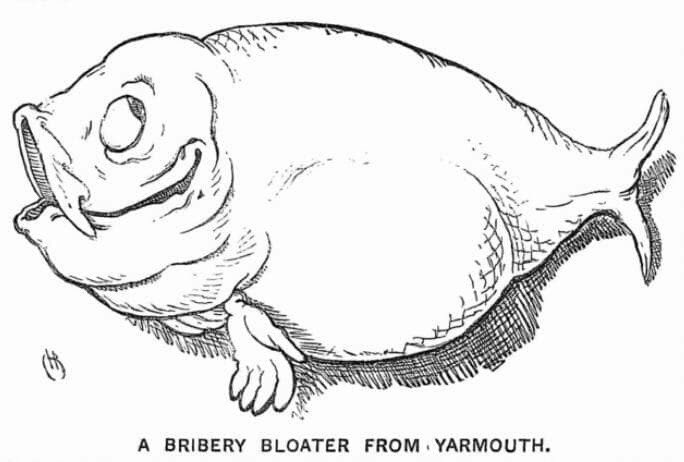
A Bloater (fish) from Yarmouth, drawing. "The Utilisation of Bribery." Punch, October 13, 1866, 150. Punch Historical Archive, 1841-1992

│By Ellen Grace Lesser, Gale Ambassador at the University of Exeter│

We have all heard the maxim, “Power corrupts”. This has been altered in recent years, and now you may hear an alternative: “Power brings out people’s true colours”. It is not that power necessarily makes anyone “bad”, but that if a person is already “bad”, this is highlighted when they gain power. Yet is it the power itself that does this to people, or is it the desire for power? In this post, I will investigate the coverage of political bribery scandals from sources in The Sunday Times Digital Archive and The Times Digital Archive to see where the corrupting power of power truly lies.

Read more

Gangster’s Paradise: Exploring British Media Coverage of American Organised Crime

│by Matthew Trenholm, Gale Ambassador at the University of Exeter│

Everyone loves a villain. From Robin Hood to the Peaky Blinders, criminality has long captured the imagination of the British public, with the misdeeds of the real outlaws often swept under the rug. (For an engaging piece about the historical accuracy of the TV show Peaky Blinders, check out this blog post by my fellow Gale Ambassador, Emily Priest – it’s great!) American organised crime enjoyed a “golden era” in the 1920s after Prohibition was introduced in 1919. Bootlegging became a big industry in the US as the economy boomed and cultural norms changed. Contemporaries in Britain loved to hear stories of the criminals taking on the law, and this is reflected in the upsurge in coverage of such criminals in the British press.

Read more

Discovering FDR through Gale Primary Sources

Franklin Delano Roosevelt and images from this blog post

│By Tom English, Gale Field Sales Executive – North UK │

I recently enjoyed reading three excellent books on Franklin Delano Roosevelt (FDR), 32nd President of the United States: Jean Edward Smith’s single-volume biography, FDR, which provides an excellent overview of his life and presidency; David B. Woolner’s The Last 100 Days: FDR at War and at Peace, which gives an incisive and detailed account of the final days of his life, including negotiations with Stalin and Churchill at Yalta and his fight to the end to build international institutions to prevent future wars; and Susan Dunn’s A Blueprint for War: FDR and the Hundred Days that Mobilized America, which tells the story of how FDR outmanoeuvred those who opposed America’s support for Britain and Russia in WWII. 

Having thoroughly enjoyed the secondary sources on FDR, I thought that I’d delve into Gale Primary Sources to see what’s there…

Read more

The Homophobic Response to the AIDS Crisis in the 1980s

Montage of images of primary sources about AIDS crisis

|By Rory Herbert, Gale Ambassador at the University of Portsmouth|

During the early 1980s, AIDS became an ever-growing concern in the minds of Americans, and brought to the fore the deep-seated tensions and homophobic tendencies that plagued the nation’s media and political institutes. Gale’s Archives of Sexuality and Gender provides access to a wealth of sources that help us to understand the issues and struggles experienced by these long-oppressed and ignored members of society during a particularly trying period.

Read more