Sir Bertram Ramsey – Britain’s Unsung War Hero

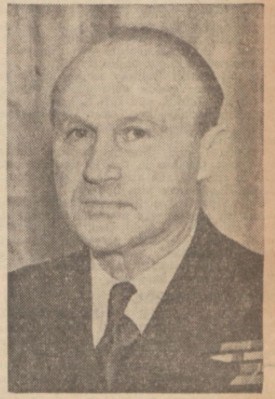
By Matt Chivers, Gale Ambassador at the University of Liverpool

If you hear the phrase ‘War Hero’ names such as Winston Churchill and Dwight Eisenhower would naturally come to mind, as they were the key leaders in the Second World War that were instrumental in coordinating the Allied victory. I feel there is another leader who deserves recognition for his vital work during these significant years; Sir Bertram Ramsay.

Read more

A Male Contraceptive Pill – could this bring greater gender equality?

By Lily Cratchley, Gale Ambassador at the University of Birmingham

International Women’s Day was celebrated on Friday 8th March this year, and, as always, it provided an opportunity for us to reflect on the ongoing female fight for universal suffrage, freedom and equality. Several defining moments stand out in women’s history, having shaped our ability to lead the lives we do today, including: gaining the right to vote in 1918, the passing of the Equal Pay Act in 1970 and, of course, the legalisation of the oral contraceptive pill in 1961, enabling women to finally have a say over their reproductive rights.

Read more

Exploring news coverage and media discussion of sexual violence

By Grace Mitchell-Kilpatrick, Gale Ambassador at the University of Exeter

What constitutes ‘feminism’ and to class oneself as a feminist is highly contentious and politicised. It is, however, a concept which does not fall solely in the private or public sphere, and for that reason it is necessary to consider what the cause defends. I thought it would be interesting to use Gale Primary Sources to aid an investigation into the issue of rape and sexual violence, an issue which feminist sentiment advocates to eliminate.

Read more

Double, double, toil and trouble Witchcraft methodology in nineteenth-century Britain and the U.S.

│By André Buller, Gale Ambassador at the University of Portsmouth │

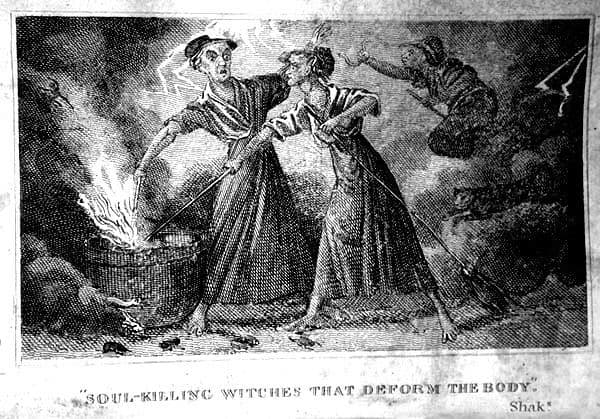
Ideas of sorcery, witchcraft and incantations have persisted in intriguing me throughout my years of study. The ways in which the supernatural arose and manifested alongside historical events has always fascinated me, and consequently I’ve found myself studying subjects that considered the mystical in both the literary and historical units of my degree. The topics I’ve studied in these classes have ranged as widely as manifestations of the supernatural have in the past. One week I’d study the seventeenth century, witch-hunts of Salem and the pursuits of Matthew Hopkins, but by the next week be focusing on the rise of Occultism.

Though definitely interesting, the famous contention between sceptical magician Harry Houdini and stalwart believer Arthur Conan Doyle did not discuss specific methods of magical practise at that time, leaving something of a gap in my knowledge of how the mysticality of witchcraft persisted in the nineteenth century. However, Gale Primary Sources proved bountiful once again, and through exploring this wealth of documents it is possible to answer methodological questions – such as how people cast spells – to those of a more analytical nature, such as how witchcraft was defined in the Victorian era.

Read more

Exploring Gale Reference Complete from a student’s perspective

By Tania Chakraborti, Gale Ambassador at Durham University

Writing a humanities essay at university can be a daunting experience; when it comes to primary sources there can either be too few available or, confusingly, too many to choose from! How do you go about sifting through so much material and where do you start? That is where Gale Reference Complete comes in; with over 13 million pages of historical primary sources ranging from the medieval times to present day (as well as reference and periodical content) Gale’s multi-discipline and easy-access resources make sifting through the wealth of information a rapid and enjoyable process. There are several resources encompassed within Gale Reference Complete which support a range of disciplines: Academic OneFile and General OneFile provide periodical resources; InfoTrac Newsstand provides access to more than 2,300 major world newspapers; GVRL is an eBook platform, Archives Unbound is a vast collection of niche primary source archives, and finally Gale Literary Sources is perfect for finding those well-needed critics for your English Literature or Modern Languages essay.

Read more

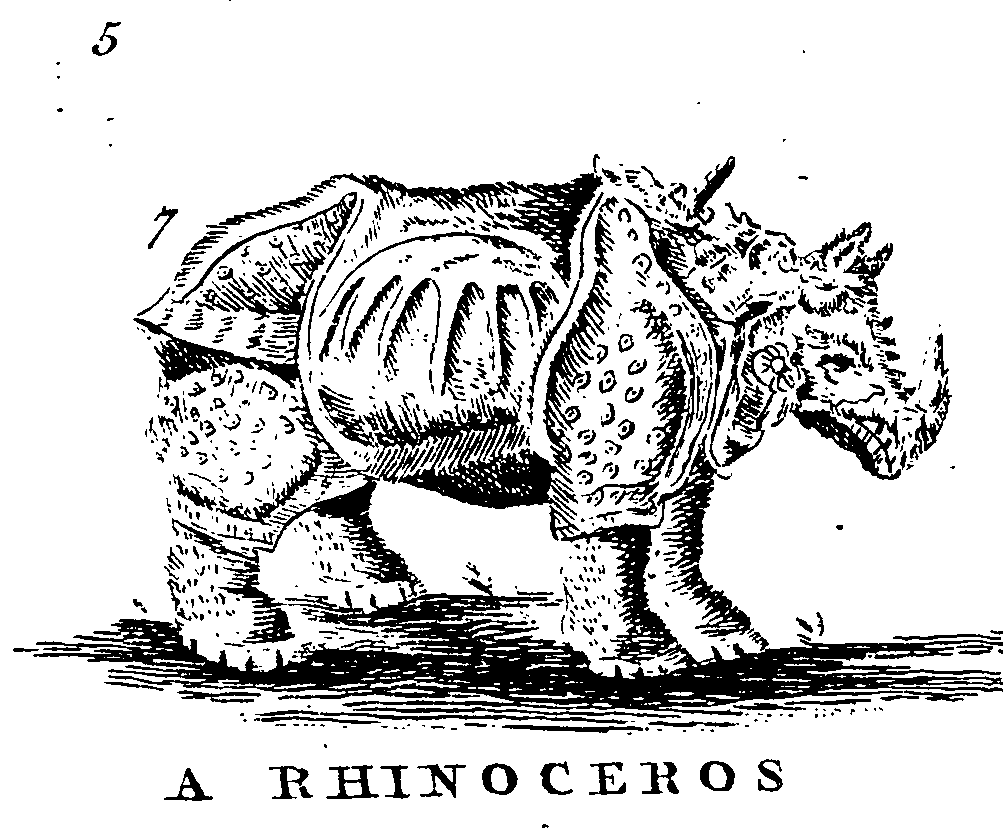
The Myth of the Rhinoceros

By Lyndsey England, Gale Ambassador at Durham University

In 1769, writing his ‘Description of Three Hundred Animals’, a document included in Gale’s Eighteenth Century Collections Online, Thomas Boreman presented the rhinoceros as follows:

“He has two girdles upon his body, like the wings of a dragon, from his back down to his belly … his skin is so hard, that no dart is able to pierce it, and covered over with scales, like the shell of a tortoise.”

Read more

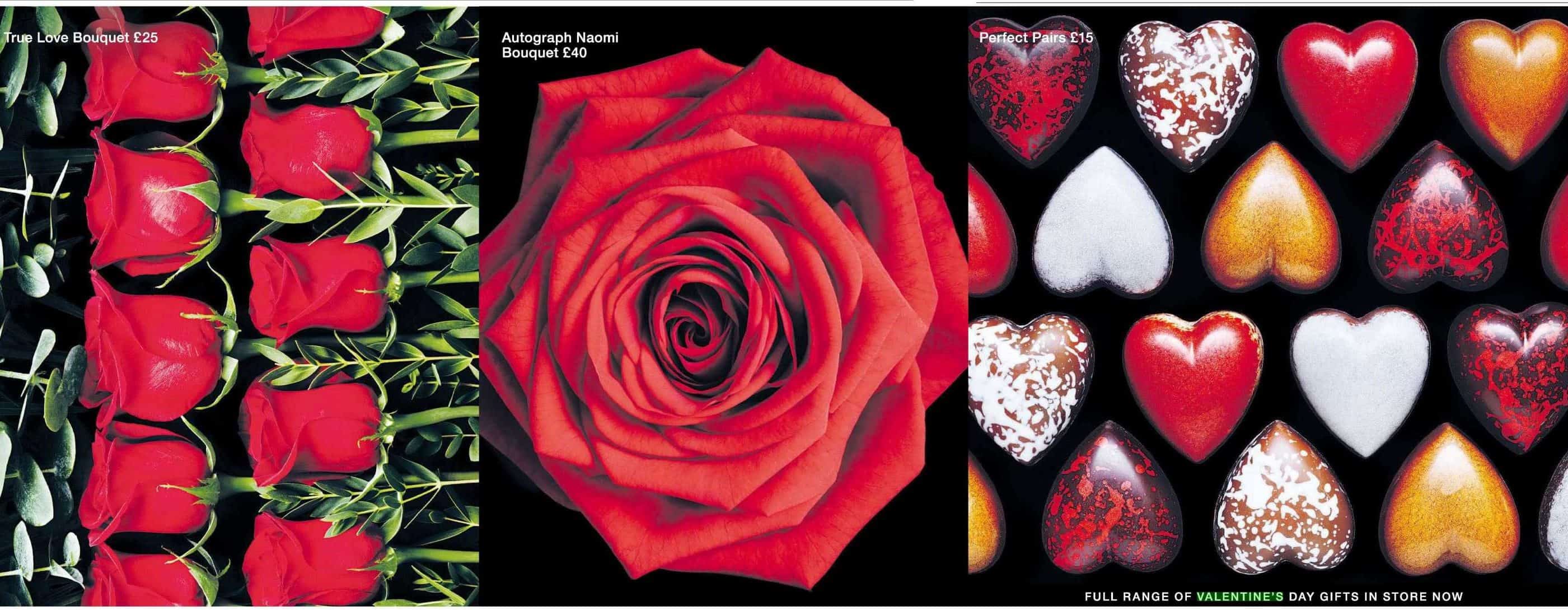
Valentine’s Day for the Broken Hearted

By Maya Thomas, Gale Ambassador at the University of Oxford

The weather is cold and grey, but the shops are ablaze with red hearts, sparkly roses and giant teddy bears holding signs reading “I love you”: Valentine’s Day is upon us yet again. Whether you love or hate this centuries-old festival, it cannot be denied that the love it celebrates certainly deserves a day of its own. After all, from Helen of Troy to Tinder, the literary-minded (read: soppy) historian might argue that love, with all its greatness and tragedy, has inspired the culture, art and even politics that have propelled our human story onward.

Yet anyone who’s ever wandered forlornly through the maze of hearts and roses that adorns our Western shopping centres at this time of year, and longingly gazed at some elaborate box of heart-shaped chocolates wishing they had someone to buy it for, can tell you that even a festival celebrating something as joyful as love inevitably has a darker side.

Read more

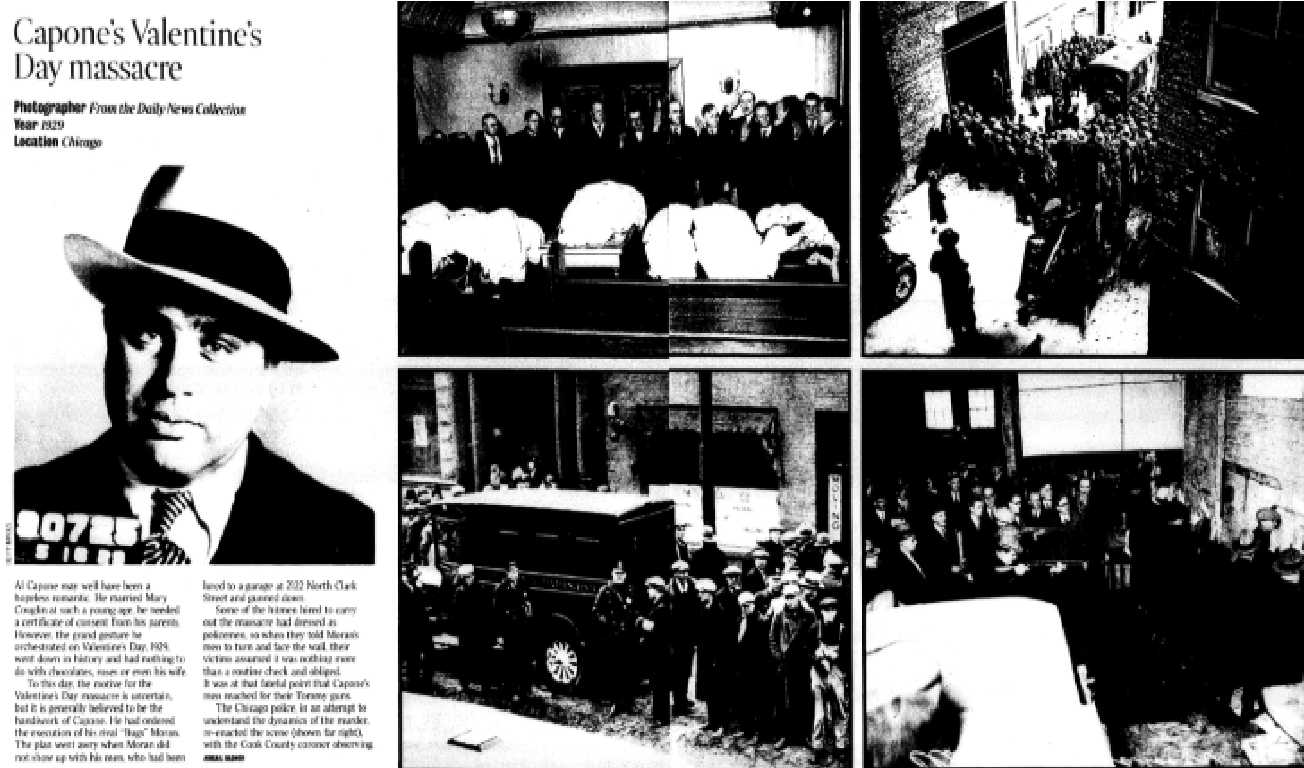
Dead Men are Red, Violets are Blue: The Bloody History of St. Valentine’s Day

By Emily Priest, Gale Ambassador at the University of Portsmouth

Valentine’s Day is generally known for chocolate, cards and big fluffy hearts, but 90 years ago today the colour red wasn’t for love but blood. In Chicago in 1929, seven members of the Chicago North Side Gang were ambushed, lined up against a wall, then shot in cold blood. Who was responsible? None other than the notorious crime lord Al Capone.

Read more

‘Political Extremism and Radicalism in the Twentieth Century’ – a new archive packed with EXTREMELY useful sources which can RADICALLY change your thinking!

By Lily Cratchley, Gale Ambassador at the University of Birmingham

Are you a budding politician or historian, intrigued with all things politically radical and extreme? Or perhaps you’re just faced with the need to write a lengthy dissertation, and are worried by your seemingly limited quantity of primary sources? Either way, Gale’s new archive, Political Extremism and Radicalism in the Twentieth Century, may be of extreme (pardon the pun!) interest to you.

Read more

Turbulent Times: A look back on the European Community Membership Referendum of 1975

│ By James Garbett, Gale Ambassador at the University of Exeter │

As the situation regarding Britain’s withdrawal from the European Union continues to unfold, it’s intriguing to glance back several decades, to when Britain had just entered the European Economic Community in 1973 under the Conservative government. The question poised to the public in 1975 – whether or not to withdraw – was the first national referendum ever held throughout the entire United Kingdom. It’s fascinating to note the parallels between these two distinctive times in British history using Gale Primary Sources such as The Times and The Daily Mail archives.

Read more