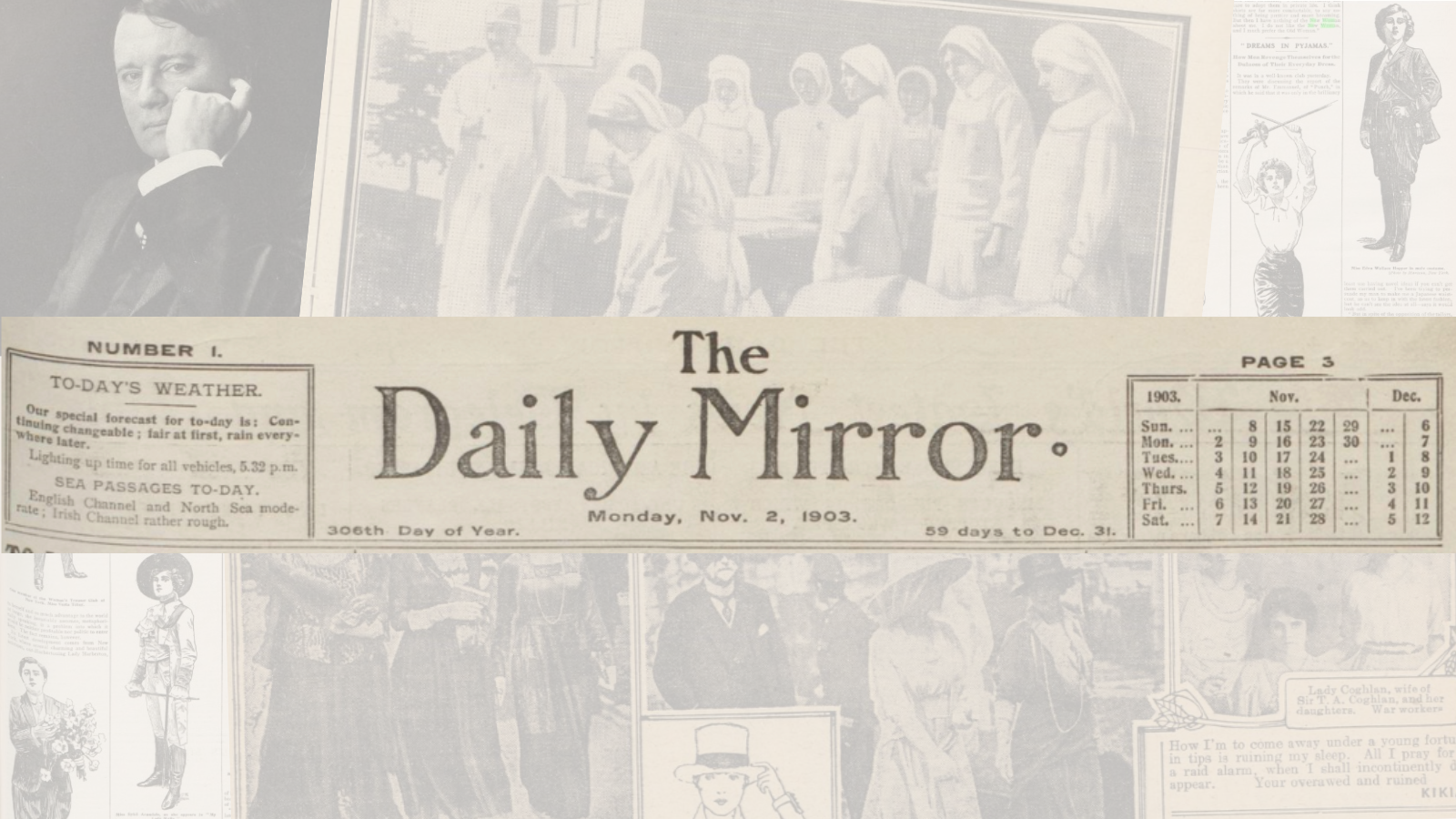
How A Girl Should Be: How Female Experiences Have Changed Over Time

│By Olivia McDermott, Gale Ambassador at the University of Liverpool│

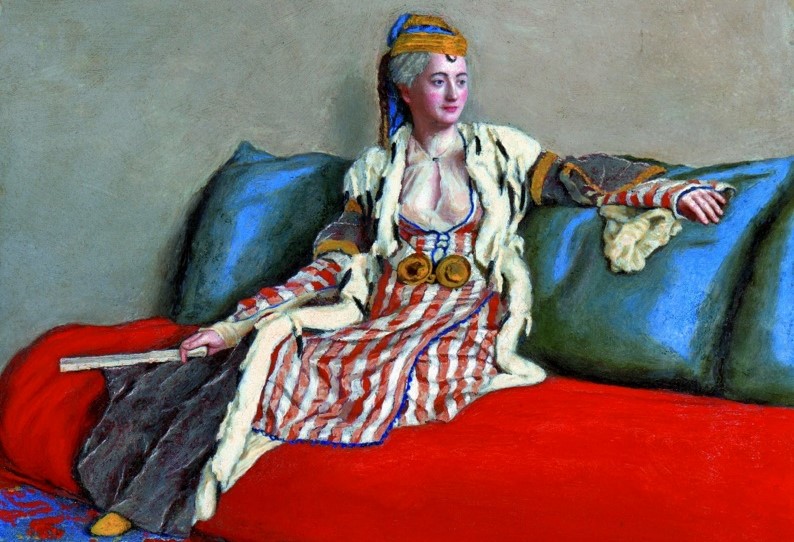
As International Women’s Day begins to approach, it seems fitting that we should reflect upon the many ways in which the female experience has changed over time.

Historically, from a patriarchal lens, the female experience has been aligned with ideas of subjugation, inferiority, and passivity. With the societal expectations of marriage and childrearing being deemed as intrinsic aspects of womanhood, up until the early Victorian period, women’s freedoms were extremely limited. However, this began to change by the end of the eighteenth century, as the passing of The Education Act (1870) allowed girls to receive the same education as boys.

Read more

Using Newspaper Articles to Uncover the History of Eating Disorders from the Nineteenth to the Twentieth Century

│By Lebohang Seganoe, Gale Ambassador at the University of Johannesburg│

As a child, you absorb everything you are taught within the community you are raised in. Because your mind is still developing you rarely question how different someone’s reality might be from your own. I grew up in a society that had strong views on beauty standards. These include that a woman in her prime must have a full face and big curves, and she must look like she is eating well so that her potential spouse can see that she can bear as many children as possible. This post will explore different beauty standards and their impact on women’s bodies.

Read more

Mourning and Memory, Transforming Rites: Tracing the Role of Ritual in the Evolution of the British Deathscape

│By Megan Harlow, Gale Ambassador at Durham University│

Death remains one of the few universal human experiences. After all, as mortal beings, we are all bound to face it. Yet, in today’s British landscape, death and dying have become private, taboo topics—seldom discussed until society and/or the individual is confronted in the wake of loss. For many, encounters with death prove transformative, requiring a renegotiation of identity and an exploration of grief’s emotional complexities. The role of ritual in death and bereavement becomes significant.

Read more

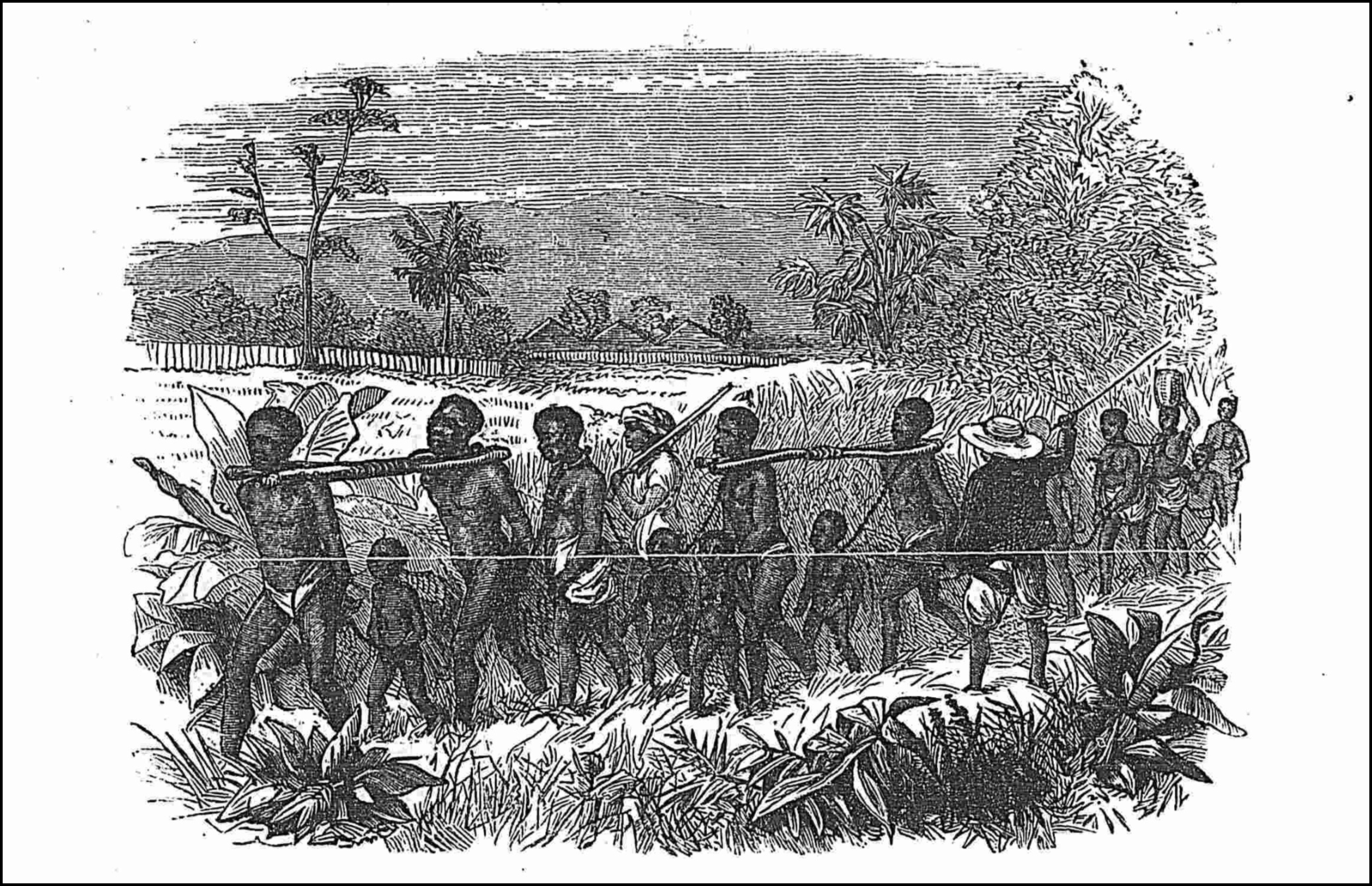
The American Civil War: The International Perspective – The First Digital Archive of Its Kind

│By Emma Harris, Associate Editor, Gale Primary Sources│

A fundamental topic in American history, the American Civil War (1861-1865) was a major event of the nineteenth century, not just in America but also in global politics, with ramifications for the future of slavery and ideas of popular, democratic government. Lecturers and researchers have increasingly been looking to study the war in its international context as the trajectory and outcome of the war impacted those beyond just America—especially in Europe.

Read more

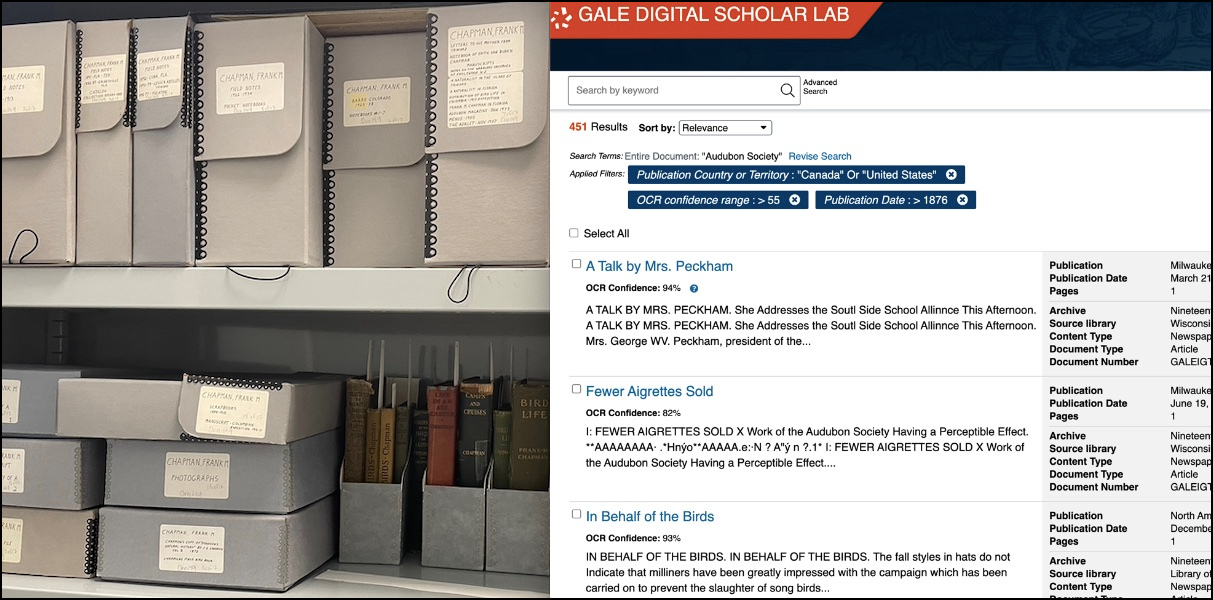
Hacking History with Gale Digital Scholar Lab

│By Sarah L. Ketchley, Senior Digital Humanities Specialist │

On 5th December 2024, the Gale Digital Scholar Lab team, in association with Loyola University Chicago, University Libraries, offered a hands-on workshop freely available to researchers, educators, librarians, and anyone interested in exploring innovative ways to improve their digital humanities (DH) research skills. “Hacking History” brought together a diverse community for a day of collaboration, conversation and collegiality – along with some friendly competition between teams to create digital projects over the course of the day. 

Read more

Seventeenth and Eighteenth Century Burney Newspapers Collection: Part II

│By Clem Delany, Acquisitions Editor, Gale Primary Sources│

In December 2024, Gale Primary Sources released part two of Seventeenth and Eighteenth Century Burney Newspapers Collection, sourced from the British Library. Adding to the original, previously digitised collection of Reverend Charles Burney are an additional 200-odd titles of newspapers, newsbooks, and broadsheets from across the period.

Read more

Treaty Ports and Modern China

Map of China

|By Liping Yang, Senior Manager, Academic Publishing, and Lindsay Whitaker-Guest, Associate Editor, Gale Primary Sources|

Gale has just released China and the Modern World: Regional China and the West, 1759-1972. As the ninth instalment in the series, this new archive features a compilation of 39 series of mostly British Foreign Office (FO) files. These include general correspondence and registers composed by the British legation in Beijing as well as British consulates based in more than 20 Chinese coastal and inland treaty ports.

Also included are the private and semi-official correspondence of Sir Henry Pottinger, Sir John N. Jordan, and Lord Edmund Hammond as well as the records and photographs of the British concession in Tianjin. This post will explore a few of the topics and events which can be studied through this new archive.

Read more

Marie Stopes and Family Planning

│By Alison Foster, Gale Technical Support Executive│

‘A magnificent monster,’ as described by Nature magazine in 1992, Marie Stopes (1880-1958) was markedly renown for successfully opening the first birth control clinic in the world, in London, in 1921. This, and subsequent clinics, gave free advice about reproductive health to married women without the sanction of the medical or health community.

Read more

The Development of Poetry in Medieval and Renaissance British Literary Manuscripts

│By Caley Collins, Gale Ambassador at University College London (UCL)│

Unless you study literature, chances are poetry isn’t the first thing you would think to use as a primary source for an essay. However, poetry gives a fantastic first-hand insight into the language, values, and customs that people were concerned with during specific time periods, making it useful for a wide variety of degrees, including History and Politics. Gale’s Medieval and Renaissance collection, which is part of the British Literary Manuscripts Online archive, contains a vast collection of primary sources ranging from a 1066 Old English historical translation to a 1901 collection of medieval letters.

Using these sources, this post will explore the differences and similarities between poetry written over the course of several centuries. I will quote the sources using modern English spellings, but leave the titles as they were originally written out.

Read more