
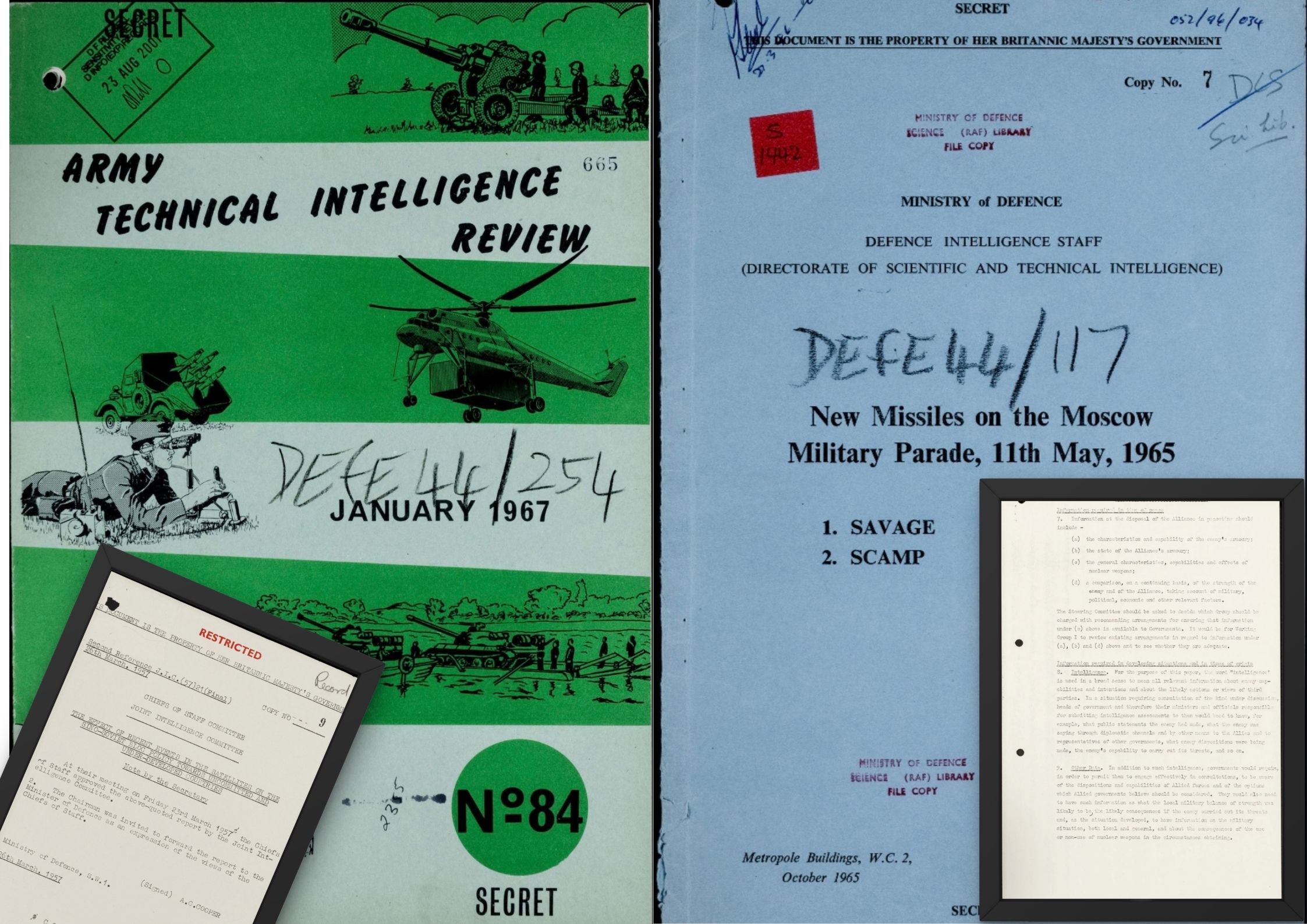
Interpreting the Bomb: Nuclear Weapons and Global Security in Declassified British Intelligence

│By Eleanor Turner, Gale Ambassador at the University of Leeds│

Declassified Documents Online: Twentieth-Century British Intelligence offers unique insight into how governments understand and respond to global security threats. The emergence of nuclear weapons in 1945 fundamentally altered the structure of international politics, leading governments to rethink what military conflict could escalate to and the devastating consequences of deploying nuclear weapons. Declassified Documents Online: Twentieth-Century British Intelligence shows how the British government strategised to overcome these changes.
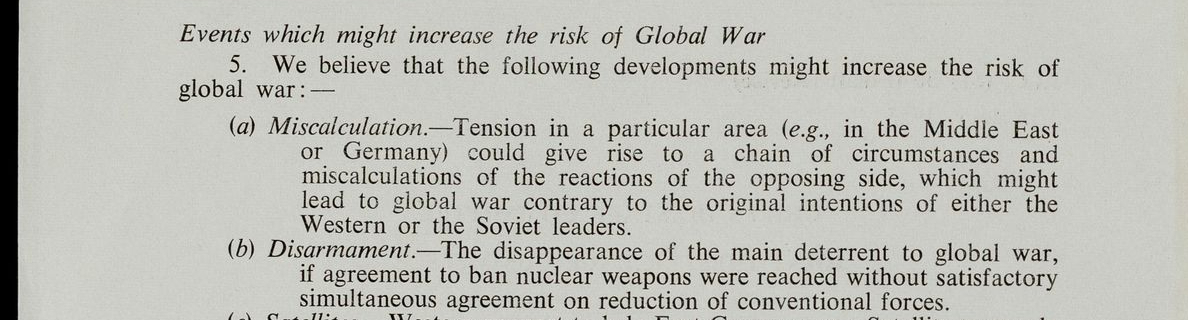
Joint Intelligence Committee: memoranda 21-41. February-September, 1957.
Joint Intelligence Committee: memoranda 21-41. February-September, 1957. MS Cabinet Office: CAB 158: Ministry of Defence and Cabinet Office: Central Intelligence Machinery: Joint Intelligence Sub-Committee later Committee: Memoranda (JIC Series) CAB 158/28. The National Archives (Kew, United Kingdom). Declassified Documents Online: Twentieth-Century British Intelligence, https://link.gale.com/apps/doc/KBZRTF084274961/TCBI?u=leedsuni&sid=bookmark-TCBI&xid=36c0c368&pg=137&xty=open

Read more

From Chains to Change: The Differences Between African Slavery and the Trans-Atlantic Trade

│By Rawan Mohamed, Gale Ambassador at the University of Leeds│

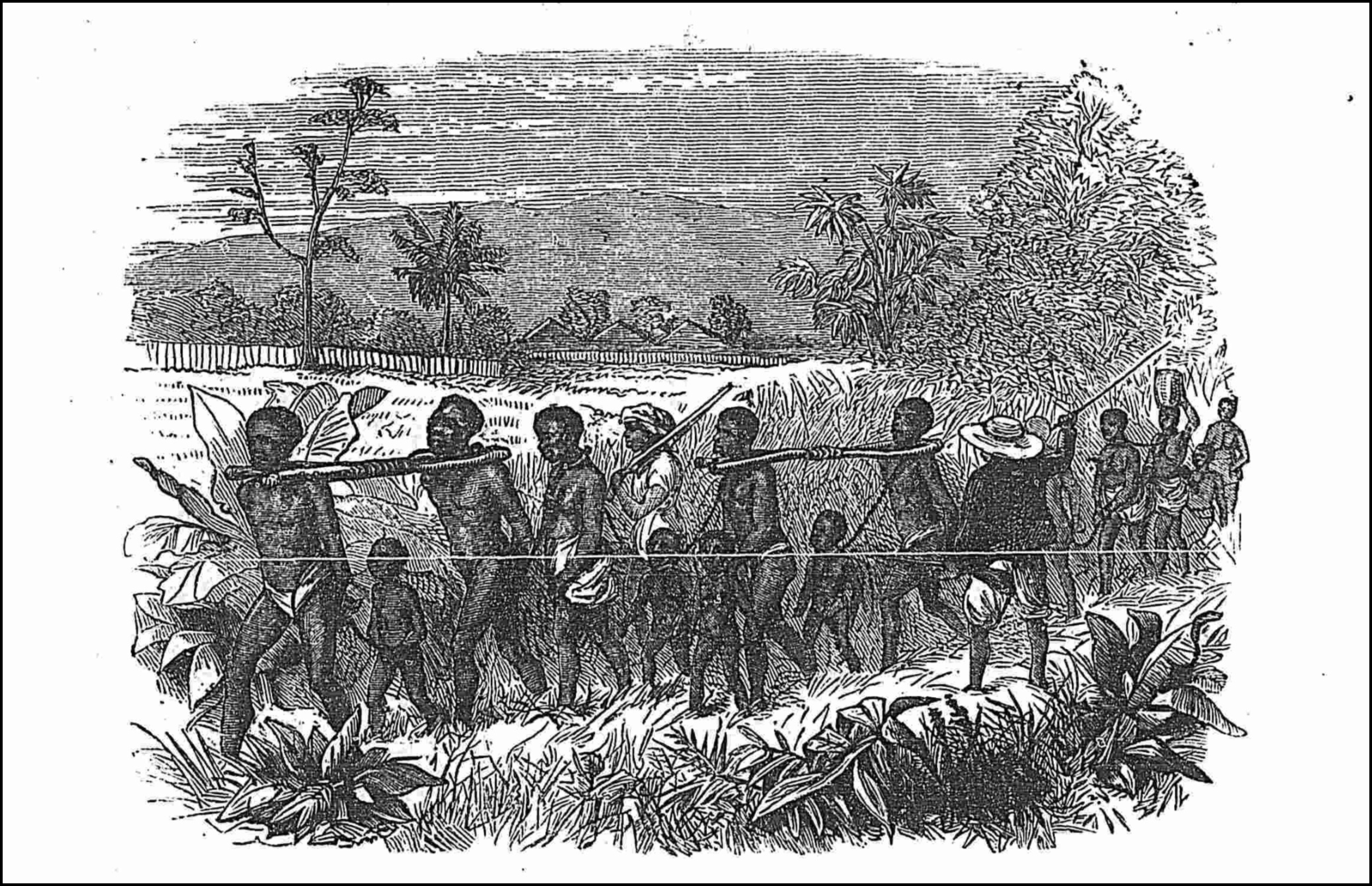
Slavery has been a pervasive institution throughout human history that has manifested into multiple forms across different societies. In Africa, indigenous systems of slavery pre-date the trans-Atlantic slave trade. However, the arrival of European powers and the subsequent demand for labour within the Americas transformed existing practices into a dehumanising enterprise. Delving into Gale’s Slavery and Anti-Slavery: A Transnational Archive enables us to uncover the distinct differences between indigenous African slavery and the trans-Atlantic slave trade and shed light on their enduring impacts upon entire societies.

Read more

The Big Leap: Top Tips for History Coursework moving from A-Levels to University

│By Lydia Clarke, Gale Ambassador at the University of Leeds│

Moving to a completely new place is incredibly challenging. After A-Levels, I know the last thing you want to think about is university assignments, but I promise they are not that scary. Whilst there is sadly not a magical wand to whisk away university stress, this blog post will hopefully help you manage your coursework without burning out. Gale Primary Sources digital archives were massively helpful for me to find relevant primary source material and get to grips with practising my critical thinking skills. I will demonstrate how in my first year at university I used a book I found in Eighteenth Century Collections Online to apply and evaluate my analysis of the debate about gender studies in history for my coursework.

Read more