
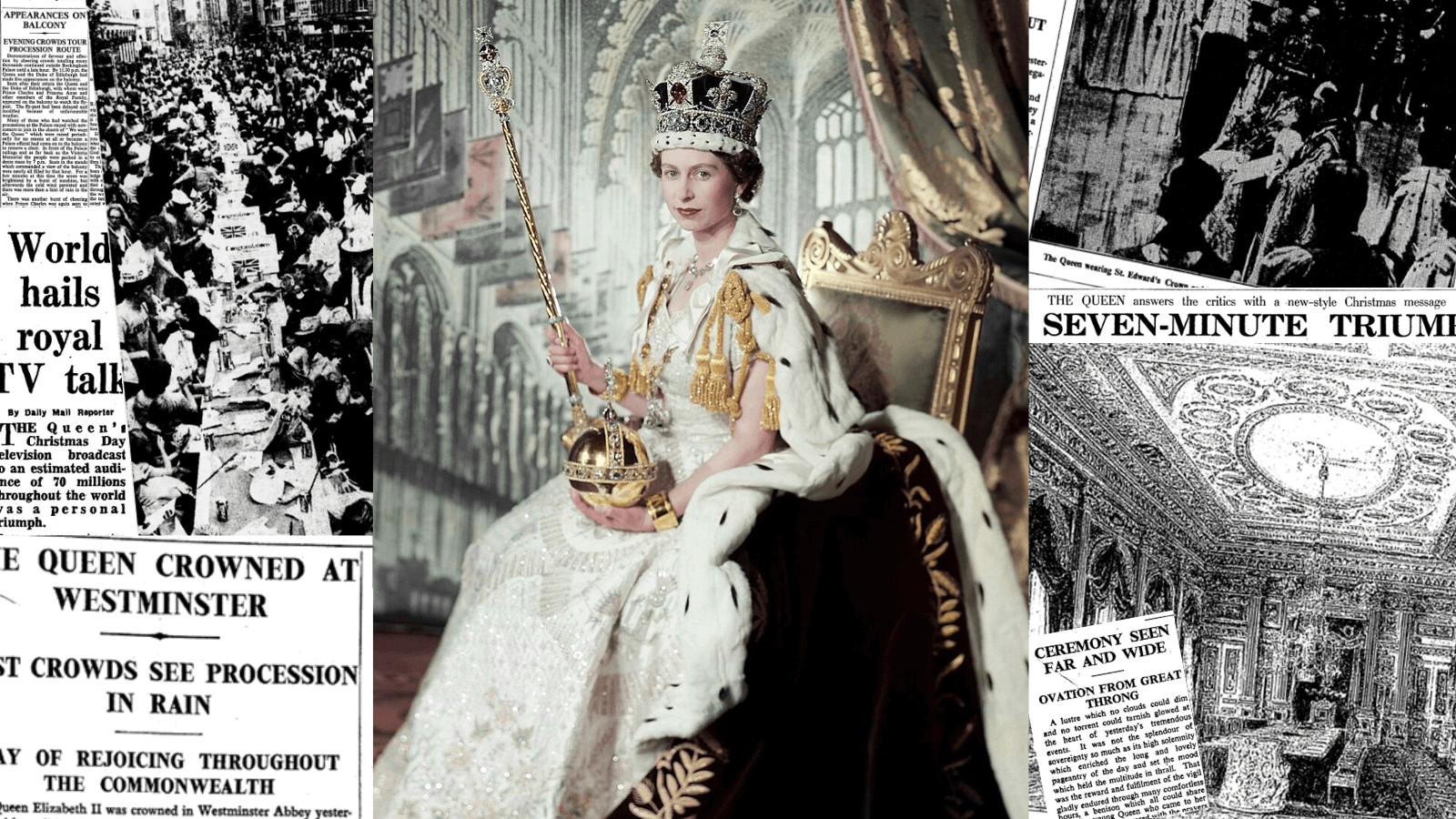
A Reflection on the Reign of Queen Elizabeth II: The Modernisation of the Monarchy

│By Ava Nichols, Senior Gale Ambassador at the University of Aberdeen│

Following the passing of the longest reigning monarch in British history, the nation mourns the tragic loss of Queen Elizabeth II. I thought it was an apt time to reflect on some of the monumental accomplishments achieved during her reign. When Queen Elizabeth II was crowned in 1952, Her Majesty’s youthful ambition offered a sense of hope for change and progress for the British public. Reigning during the twentieth and twenty first centuries, the Queen made historical changes within the establishment, such as embracing technology. Through Gale Primary Sources, I researched The Times Digital Archive and the Daily Mail Historical Archive in order to gain a greater understanding of the modernisation of the monarchy. These digital collections offer a vast range of newspaper articles and publications from the twentieth century, increasing access to history and the potential for research within these collections around the globe.
Read more

How Important Was the Role of Women During WWII to the Victory of the Allied Powers?

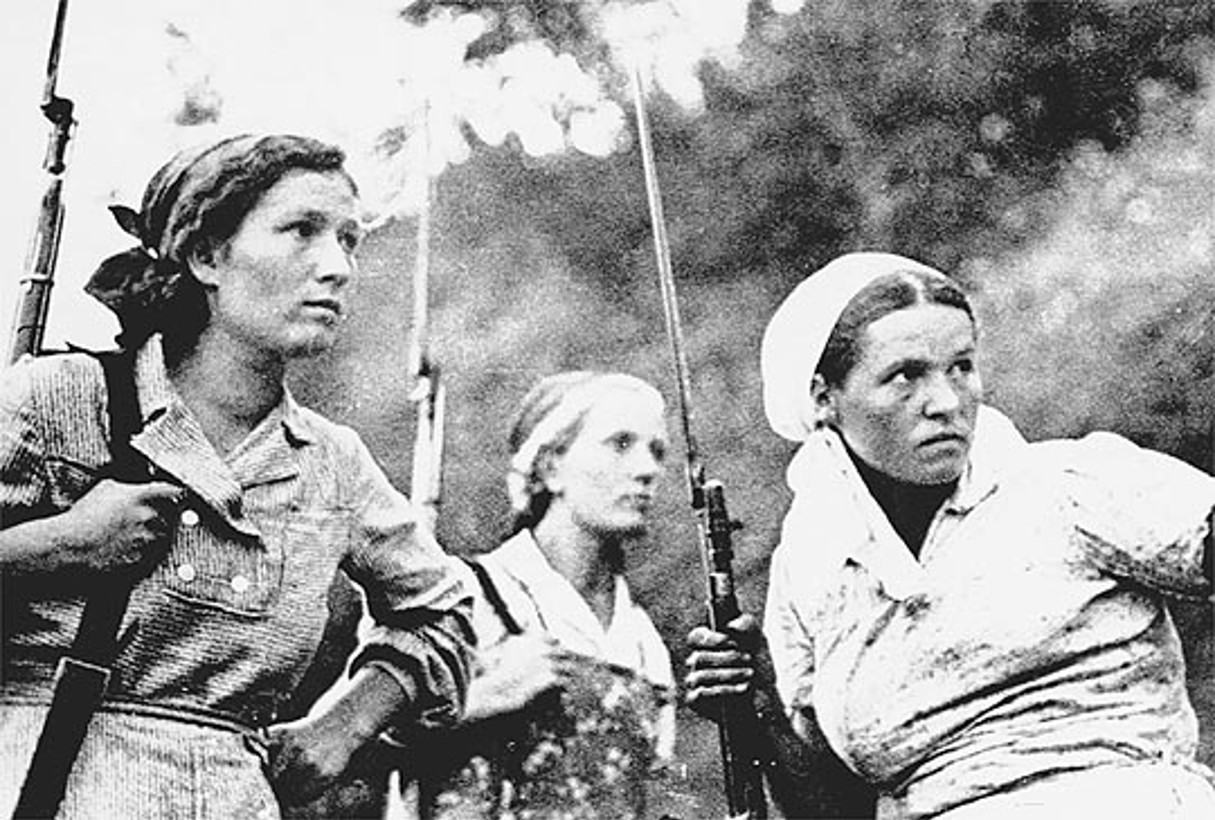
Female Russian fighters
Symbat Omasheva, blog post authorIn Spring 2022, Gale ran a competition with Nazarbayev Intellectual Schools, Kazakhstan, which gave students at schools within the group the chance to research and write about a topic of interest – with the two top entries published on The Gale Review! Below is the runner up entry, a superb piece by Year 11 student Symbat Omasheva.

Nazarbayex Intellectual Schools logoThe schools within the Nazarbayev Intellectual Schools group have access to the Gale Reference Complete: Schools Edition – Ultimate package.
|By Symbat Omasheva, Year 11 student at Nazarbayev Intellectual School in Nur-Sultan|

The Second World War, which took place from September 1, 1939, to September 2, 1945, showed that women are capable of doing what was previously considered “men’s work” and making a significant contribution to the war effort. However, ideas about the gender distribution of responsibilities and the use of physical force differed greatly between the opposing sides in the war; the Allies actively promoted women’s contribution to the outcome of the war, while the Axis powers discouraged women from working on the military front.

Read more

Researching the Impact of the New Silk Road on Kazakhstan

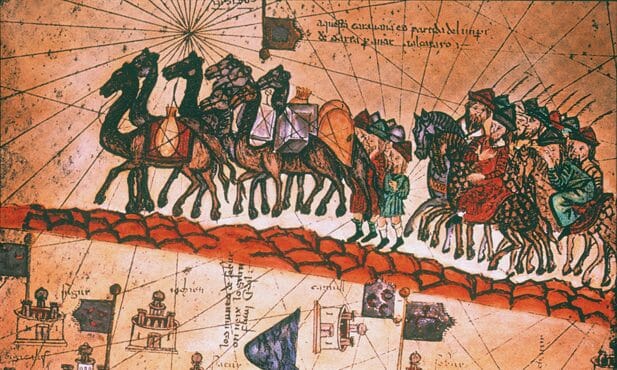
Illustration of what is believed to be the Polo family crossing the desert with a camel caravan from a 1375 atlas

|By Maryam Kurumbayeva, 11th Grade, Nazarbayev Intellectual School in Pavlodar| The Silk Road was a great trade network that once connected Eurаsia and North Аfrica. The name is a reference to Chinese silk, transported via this route, which was extremely valuable and expensive. This trading road played a vital role not only in the economic … Read more