From Salty Dreams to Solar Futures: Rethinking Desalination with Gale Primary Sources

│By Elizabeth Hameeteman, Postdoctoral Researcher, Technische Universität Berlin │

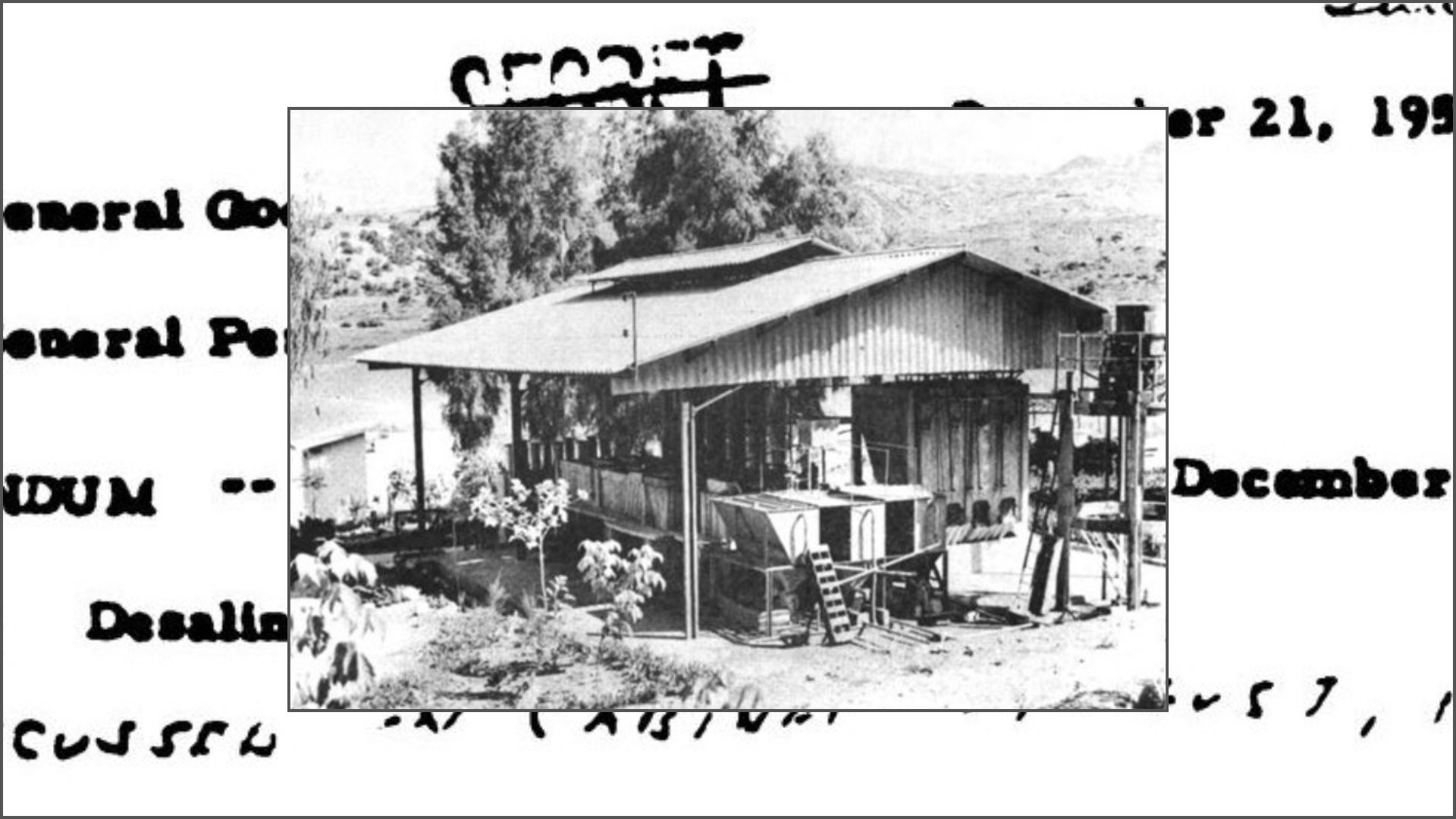
When I began my Gale Fellowship, I was curious about how digital tools might support my historical research. As someone trained primarily in archival and text-based methods, I was eager to explore how computational approaches might offer new ways of seeing familiar materials – or even lead me to sources I wouldn’t have encountered otherwise. What I didn’t expect was that it would shift the trajectory of my work entirely.

Read more

Understanding Ngrams

│By Becca Gillot, Gale Digital Scholar Lab Product Manager│

One of the easiest tools to understand and use in Gale Digital Scholar Lab is the Ngram tool. This blog post will explain the tool itself, how to use it to explore your content set, and some tips and tricks for getting the most out of your visualisations.

The Ngram Tool

The Ngram tool is one of the easiest to understand in Gale Digital Scholar Lab. The tool works its way through the cleaned OCR that you have created (by applying a cleaning configuration to your content set) and counts how many times an ‘Ngram’ appears, before displaying that data as either a word cloud or a bar graph.

The Ngram tool is great for getting a high-level overview of your content set, so you can see at a glance the themes, key concepts, and ideas contained in the documents you are exploring. This type of distant reading is particularly great for large content sets that can be unwieldy to explore using close reading, or for content sets you’re not familiar with, but can also be used to analyse specific texts, such as an individual monograph. Even if you know your material really well, the Ngram tool can be a great way of presenting that knowledge as an accessible snapshot that others can quickly understand.

Read more

Gale-SHAFR Fellows Explore New Digital History Methods

│By Jess Ludwig, Director, Product Management│

On a recent humid summer morning in Arlington, Virginia, participants in the Gale-Society for the History of American Foreign Relations (SHAFR) fellowship presented exciting research findings at SHAFR’s 2025 annual conference.

SHAFR was founded in 1967 and “is dedicated to the scholarly study of the history of American foreign relations.” In 2024, Gale and SHAFR partnered to create a fellowship; as part of the program, Gale made available Gale Primary Sources archives tailored to each fellow’s research agenda; access to the primary sources text and data mining platform Gale Digital Scholar Lab; and a stipend.

Read more

Leaning Into The Great Gatsby and Other Primary Sources

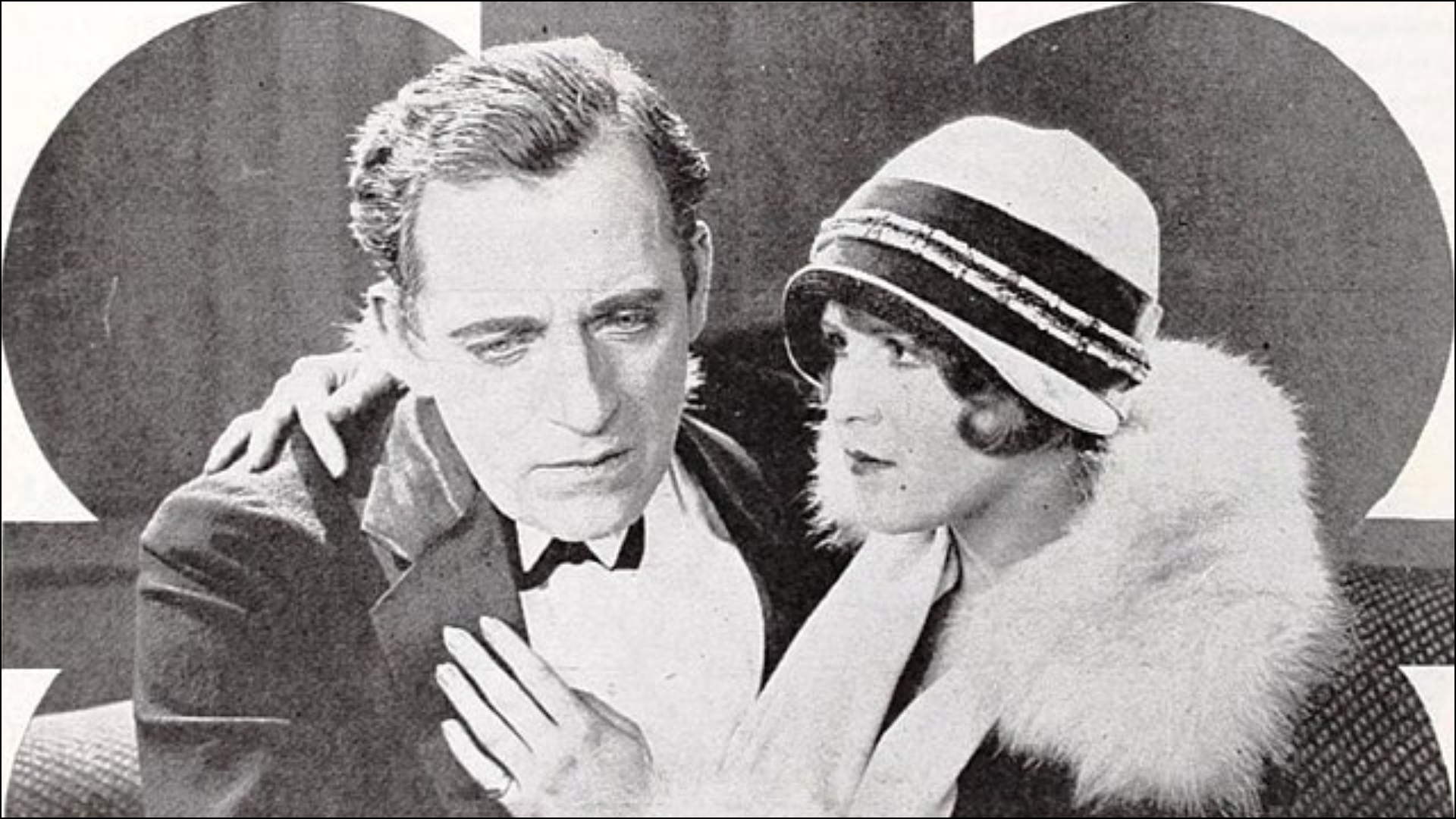
Still from the Film “the Painted Flapper"

│By Caley Collins, Gale Ambassador at University College London (UCL)│

At 100 years’ old, The Great Gatsby is more popular than ever. F. Scott Fitzgerald’s seminal 1925 novel encapsulates the obsessive nature of the American Dream alongside investigating truths about love and desire. Novels like this are one example of a primary source, with primary sources being first-hand accounts of contemporary periods and phenomena.

Needless to say, various types of primary source should be positioned differently within the creation or evidencing of an argument, and each source has many arguments that can be drawn out from it. But what are the best ways to use these primary sources? This post will guide you through the process of finding and using primary sources from Gale Primary Sources, starting with The Great Gatsby.

Read more

From the Physical-to-Digital Archive and Back: A Gale Fellow’s Account of Trials and Errors

│By Vanessa Bateman, ESEH-Gale Fellow│

When I received the 2024/2025 ESEH-Gale Non-Residential Fellowship in Digital Environmental History I was just starting the early stages of my first solo book project. I had done enough research to develop my book’s main themes, structure, and research questions, but I had not started the writing process because I still had some gaps to fill.

As someone new to the Digital Humanities (DH), I applied to the Gale Fellowship because I wanted to learn how DH methodologies could elevate my research and eventually expand my output beyond a traditional academic book. As a Gale Fellow, I received training in different research and analysis methods that could be achieved in Gale Digital Scholar Lab, and access to the Gale Primary Sources.

Below I share an account of how I had to problem solve and pivot my research in the digital space, and some findings I made that will be useful in the future. Sharing moments when research didn’t go according to plan, I believe, is just as important as a polished finished project.

Read more

A New Course in Gale Digital Scholar Lab: Introduction to Digital Humanities

│By Sarah L. Ketchley, Senior Digital Humanities Specialist│

In today’s rapidly evolving academic landscape, digital tools are reshaping the way we study literature, history, and culture. As digital humanities (DH) becomes increasingly central to research and teaching, instructors—particularly graduate students and early-career faculty—often find themselves faced with the challenge of integrating digital methodologies into their courses. To address this need Introduction to Digital Humanities‘ offers a structured, assignable course designed to equip students with essential digital research skills. It provides an accessible, hands-on approach to digital humanities, helping instructors save valuable time while fostering critical data literacy in students.

Read more

Hacking History with Gale Digital Scholar Lab

│By Sarah L. Ketchley, Senior Digital Humanities Specialist │

On 5th December 2024, the Gale Digital Scholar Lab team, in association with Loyola University Chicago, University Libraries, offered a hands-on workshop freely available to researchers, educators, librarians, and anyone interested in exploring innovative ways to improve their digital humanities (DH) research skills. “Hacking History” brought together a diverse community for a day of collaboration, conversation and collegiality – along with some friendly competition between teams to create digital projects over the course of the day. 

Read more

Exploring Sentiment in Historical Texts With Gale Digital Scholar Lab’s New “Sentiment by Timeframe” Visualisation

│By Sarah L. Ketchley, Sr. Digital Humanities Specialist│

Gale Digital Scholar Lab has introduced a new visualisation feature in the Sentiment Analysis tool: Sentiment by Timeframe. This enables researchers to bring additional depth to sentiment analysis for historical texts. This tool is part of an ongoing effort to expand the capabilities of the Lab’s six digital humanities tools and is designed to support researchers in analysing, interpreting, and visualising data across various historical documents.

Read more

A Classroom Compendium: Digital Humanities Resources for a New School Year

│By Sarah L. Ketchley, Sr. Digital Humanities Specialist│

For the start of a new academic year, this month’s Notes from our DH Correspondent blog post is a useful resource indexing all the Notes posts to date. They are categorised below to support instructors to plan, build and deliver classroom DH curricula.  This is a great page to bookmark!

Each resource can be supplemented with detailed material in the Learning Center in Gale Digital Scholar Lab which provides step-by-step instructions in written and video formats, covering every aspect of working in the platform. 

Need additional support? Our DH team will be happy to answer your questions! Just email us at [email protected]

Read more

Bridging the Gap: Gale Primary Sources and Gale Digital Scholar Lab

│By Sarah L. Ketchley, Senior Digital Humanities Specialist│

This month’s blog post will discuss how to start the work of sourcing research documents in Gale Primary Sources (GPS) archives, before transitioning seamlessly to Gale Digital Scholar Lab to create content sets, clean OCR text data, and conduct analyses of this material to answer research questions. With this methodology, researchers are able to use the rich contextual detail and varied navigation options to begin compiling their corpus of text data outside of the Lab, which can be an attractive option if the user has an existing working knowledge of specific GPS archives, such as The Times Digital Archive, Women’s Studies Archive, or Nineteenth Century Collections Online.

There is a standardised user experience across GPS and the Lab, making the transition from one to the other familiar and streamlined. However, there are options to view documents in GPS that aren’t yet available in the Lab, which may make combining both access points useful so that no document slips through the cracks!

Read more