Glam Rock to Georgian Riots: Bowie’s Last Notebook

│By Eleanor Leese, Acquisitions Editor, Gale Primary Sources

If, like me, you frequently find yourself wondering what David Bowie would be up to if his time with us mortals hadn’t been so tragically short – last week we got some answers. The BBC reported that David Bowie spent his last months deep in research about eighteenth-century Britain.

The appeal of the eighteenth century is something we know a little about here at Gale Primary Sources, as publishers of Eighteenth Century Collections Online, the largest collection of digital primary sources emerging from that century which is shortly to receive a large additional module in the form of ECCO, Part III. So, of course, the first thing that I did after learning about Bowie’s interest in our favourite historical era was to set about looking for the sources he had been reading. I wanted to see if I could find what had captured his imagination and ECCO did not disappoint.
Read more

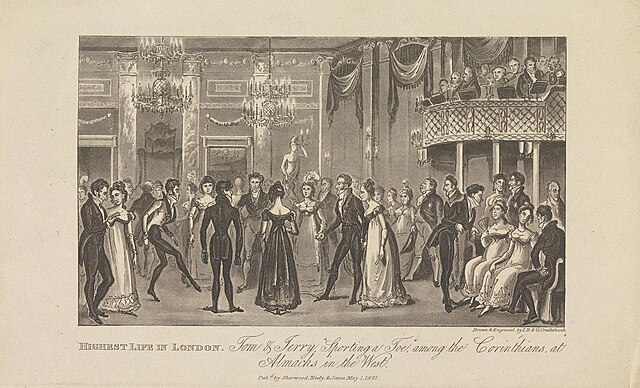
Fabricating History: Empire Lines, Modern Designs, and the Politics of Dress in Regency Representations

│By Megan Harlow, Gale Ambassador at Durham University│

It is a truth universally acknowledged that Regency fashion has become a cultural touchstone, romanticised amid the contemporary resurgence of early nineteenth-century period dramas. The global reception of Bridgerton (2020–), alongside the proliferation of the ‘Regencycore’ aesthetic, exemplifies the symbiotic relationship between historical narrative engagement and a renewed preoccupation with sartorial historiography, positioning fashion as a dynamic site of aesthetic and ideological negotiation.

Yet, as screen portrayals negotiate between historical fidelity and modern sensibilities, they often obscure the constructed nature of costume, selectively resurrecting aspects of the past while neglecting the intricate social, political, and economic meanings embedded in dress. 

Drawing on Gale Primary Sources, this analysis interrogates how Regency fashion was originally represented and how its legacy is reshaped in adaptation. Ultimately, questioning what histories are made visible through costume, and what is strategically forgotten, highlighting the historiographical implications of fashion in contemporary media.

Read more

Leaning Into The Great Gatsby and Other Primary Sources

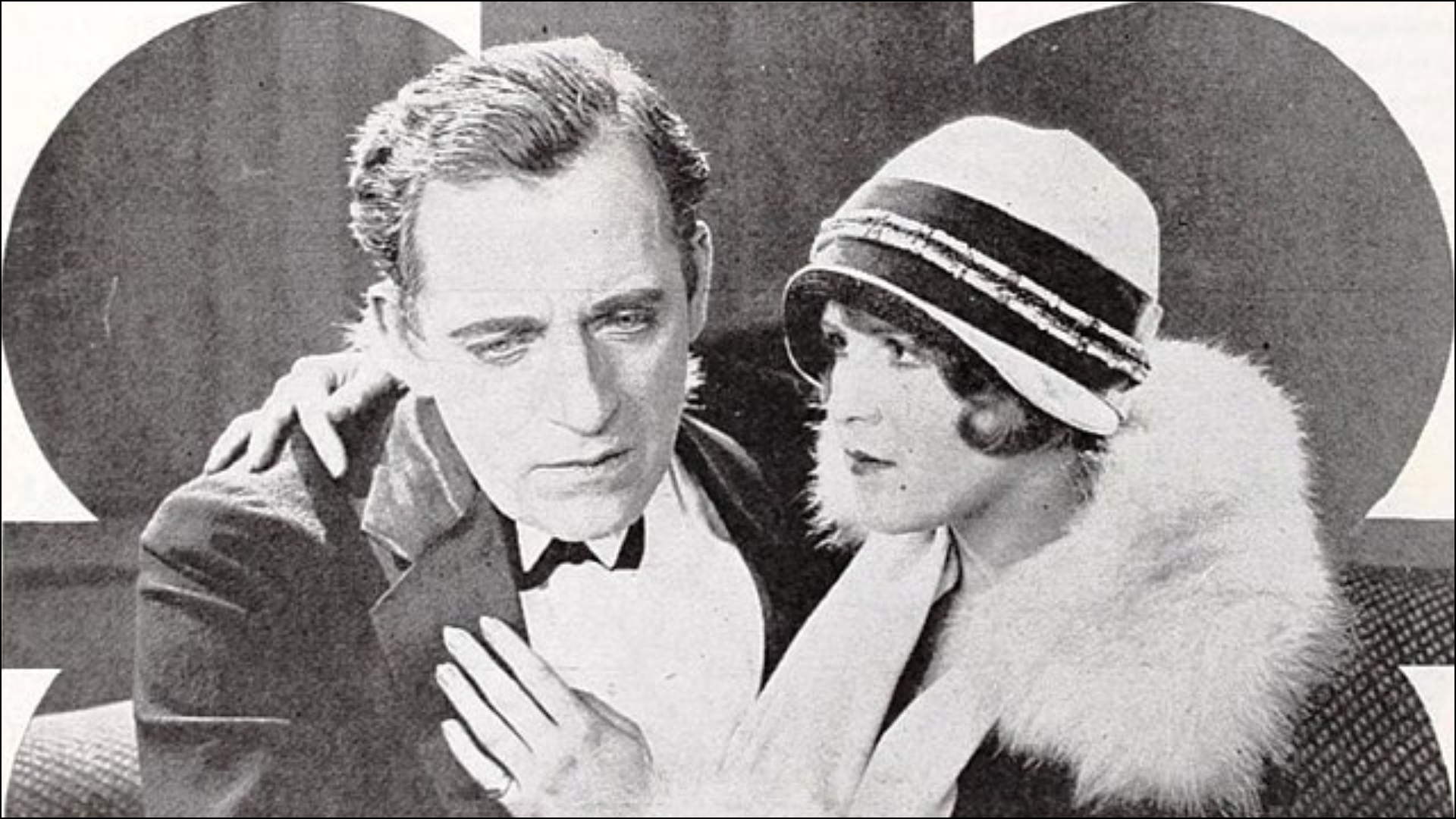
Still from the Film “the Painted Flapper"

│By Caley Collins, Gale Ambassador at University College London (UCL)│

At 100 years’ old, The Great Gatsby is more popular than ever. F. Scott Fitzgerald’s seminal 1925 novel encapsulates the obsessive nature of the American Dream alongside investigating truths about love and desire. Novels like this are one example of a primary source, with primary sources being first-hand accounts of contemporary periods and phenomena.

Needless to say, various types of primary source should be positioned differently within the creation or evidencing of an argument, and each source has many arguments that can be drawn out from it. But what are the best ways to use these primary sources? This post will guide you through the process of finding and using primary sources from Gale Primary Sources, starting with The Great Gatsby.

Read more

Reflecting on the Recent Past with The Independent Historical Archive Supplement, 2017-2021

│By Leila Marhamati, Associate Editor, Gale Primary Sources

Through their daily, on-the-ground coverage of current events, newspapers continue to be a rich resource for understanding key societal issues. In March 2025, Gale released a supplement to its digital archive of the major British newspaper The Independent, bringing coverage up to 2021.

The additional 190,000 pages of material offered in this supplement provides a unique opportunity for users to reflect back on events they have lived through as a matter of scholarly interest, such as the COVID-19 pandemic. Using this archive, we can paint a retrospective of this major recent event, thinking about questions of hindsight, bias, and personal experience.

Read more

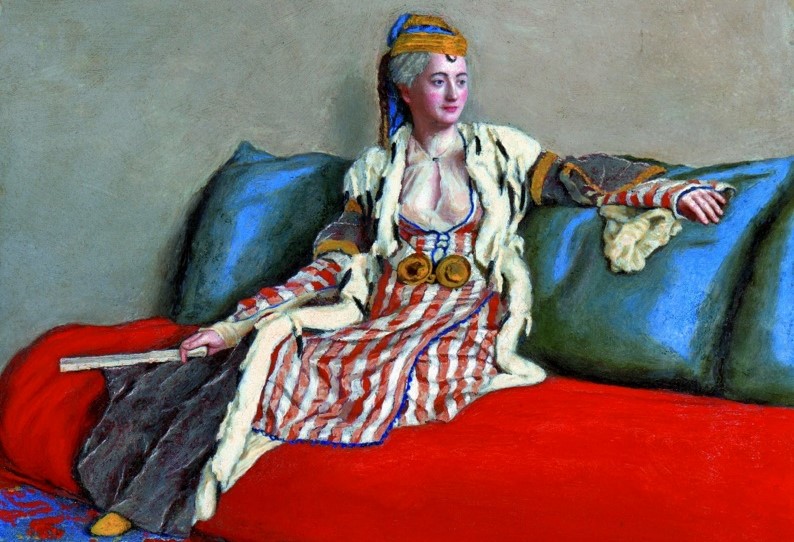
An Eighteenth-Century Intersectional Feminist? Exploring the Life of Lady Mary Wortley Montagu in Eighteenth Century Collections Online

│By Leila Marhamati, Associate Editor, Gale Primary Sources

Maybe “Intersectional Feminist” is taking it a bit far, but Lady Mary Wortley Montagu (1689-1762) has certainly been described as a woman ahead of her time. Best known today for the correspondence she maintained while traveling with her husband through the Ottoman Empire from 1716 to 1718, Lady Mary was commonly on the fringes of and often at the forefront of major historical developments in Britain and the Western world. She provided startlingly positive views on non-Western cultures and scientific experimentation at a time when both were viewed with suspicion. And yet, she was still located within a society that embraced hierarchical institutions and systems of oppression.

Using Eighteenth Century Collections Online (ECCO), we can trace these many aspects of Lady Mary and, through them, glean insights into the eighteenth century as a whole. This post contains some documents from the forthcoming release Eighteenth Century Collections Online, Part III, available in March 2026.

Read more

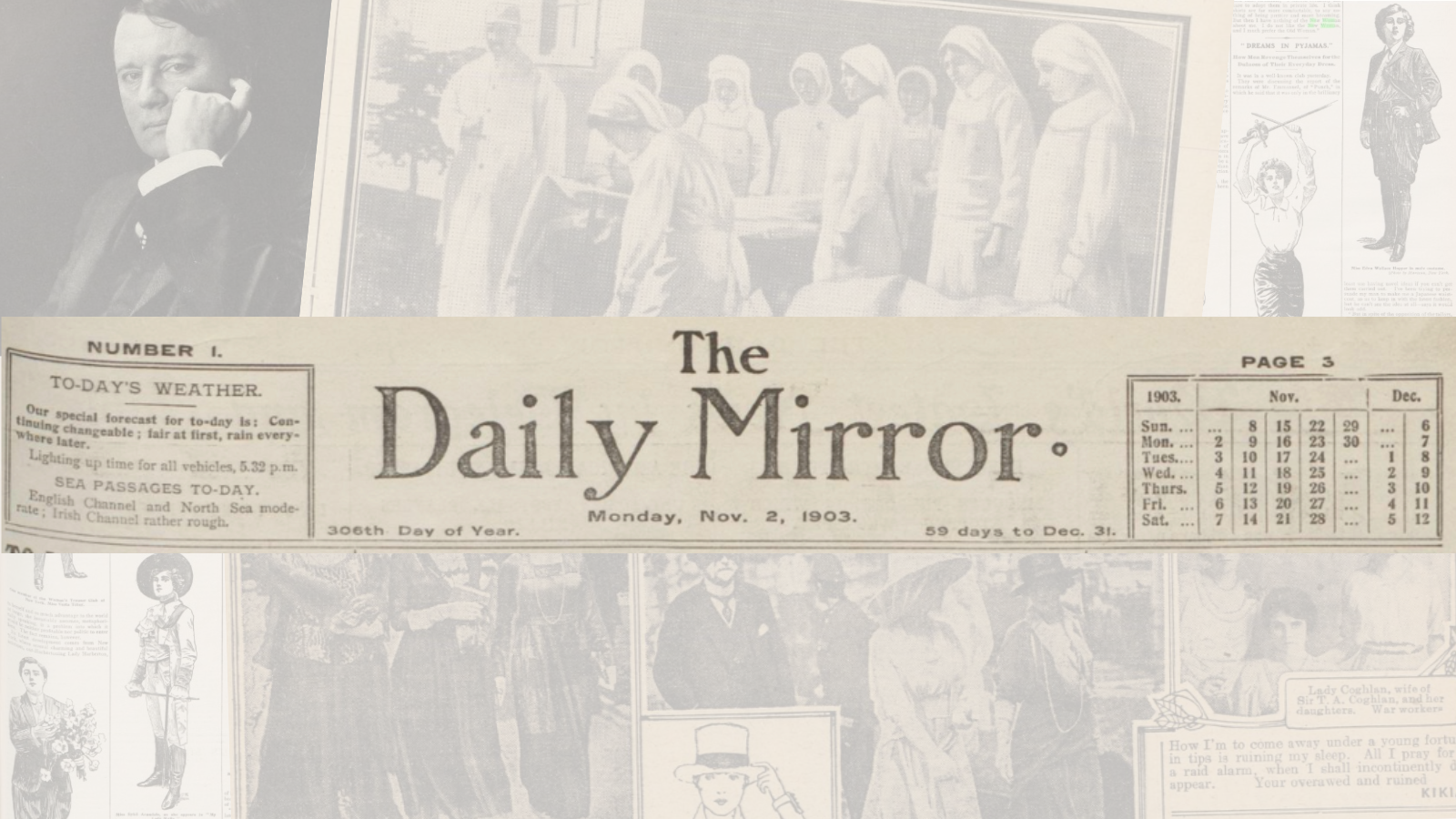
The Mirror and Women: Female Readers, Female Writers

│By Lucy McCormick, Gale Ambassador at the University of Birmingham│

The Daily Mirror began life in 1903 as a journal for respectable women – a burgeoning demographic at the fin-de-siècle, to whom the major daily newspapers did not cater. It launched staffed by women and pursued a female (although not exclusively) readership. Adrian Bingham’s article for Gale is a fascinating exploration of the Daily Mirror’s relationship with women. Building upon this rich contextual knowledge, this blog stresses the significance of this venture to embolden female readers and female writers in the androcentric tabloid press.

How did the Mirror depict women? Why did Arthur Harmsworth centralise women in his newspaper? How did women forge new roles for themselves as journalists and readers? This Women’s History Month, we are delving into Gale’s archive of the Mirror from 1903 to find out more.

Read more

How A Girl Should Be: How Female Experiences Have Changed Over Time

│By Olivia McDermott, Gale Ambassador at the University of Liverpool│

As International Women’s Day begins to approach, it seems fitting that we should reflect upon the many ways in which the female experience has changed over time.

Historically, from a patriarchal lens, the female experience has been aligned with ideas of subjugation, inferiority, and passivity. With the societal expectations of marriage and childrearing being deemed as intrinsic aspects of womanhood, up until the early Victorian period, women’s freedoms were extremely limited. However, this began to change by the end of the eighteenth century, as the passing of The Education Act (1870) allowed girls to receive the same education as boys.

Read more

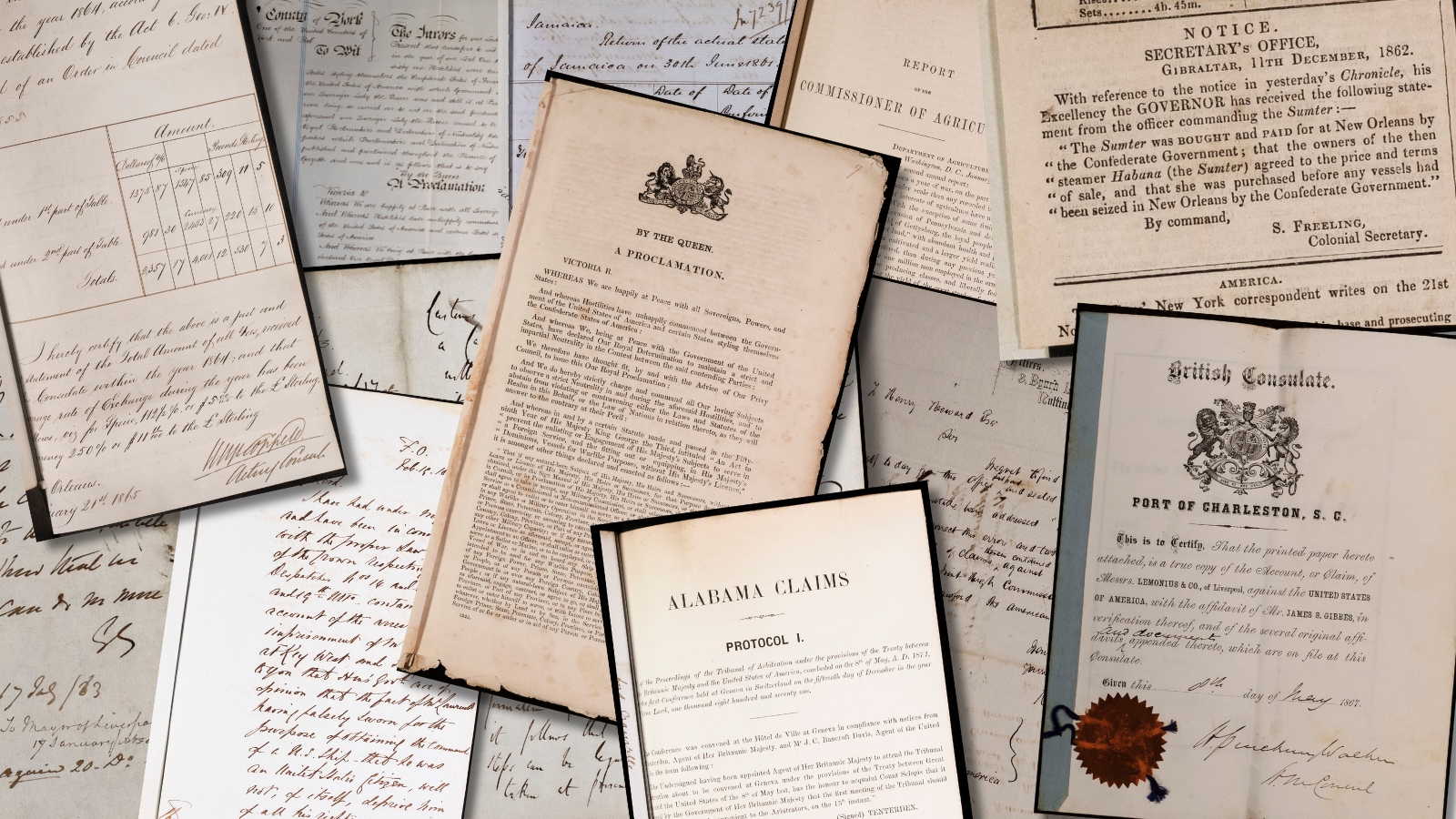
The American Civil War: The International Perspective – The First Digital Archive of Its Kind

│By Emma Harris, Associate Editor, Gale Primary Sources│

A fundamental topic in American history, the American Civil War (1861-1865) was a major event of the nineteenth century, not just in America but also in global politics, with ramifications for the future of slavery and ideas of popular, democratic government. Lecturers and researchers have increasingly been looking to study the war in its international context as the trajectory and outcome of the war impacted those beyond just America—especially in Europe.

Read more

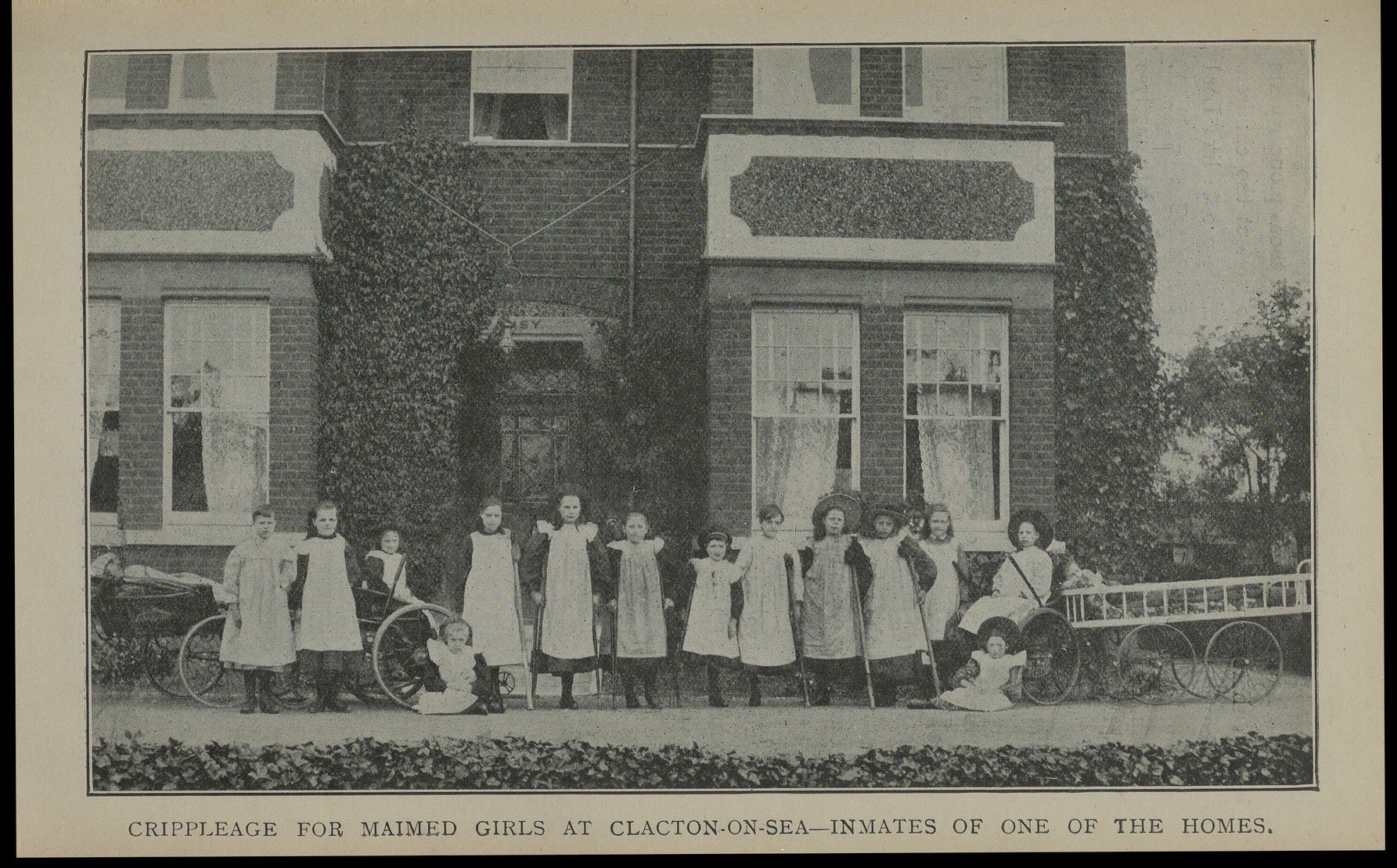
Representations of Girls in History of Disabilities: Disabilities in Society, Seventeenth to Twentieth Century

│By Lucy McCormick, Gale Ambassador at the University of Birmingham│ Earlier this year, Gale launched History of Disabilities: Disabilities in Society, Seventeenth to Twentieth Century – a rich digital archive of monographs, manuscripts, and ephemera, sourced from the New York Academy of Medicine. This offers countless avenues for exciting historical research. To provide an example, … Read more

Studying Colonialism in Complementary Archives: Nineteenth Century Collections Online and Decolonization

│By Louis Venter, Gale Ambassador at the University of the Free State│

If you ask any seasoned historian what makes historical research unique, they will emphasise the crucial role of primary sources, which define and distinguish history from other forms of academic writing. In an ever-digitising world, historians can now access digital scans of genuine archival material from anywhere, eliminating the need to travel to distant archives, and making research more efficient.

Bringing together primary sources from multiple archives can enhance one’s research, and Gale Primary Sources offers two key complementary digital archives that can be used in tandem to study colonialism – Nineteenth Century Collections Online: Europe and Africa, Colonialism and Culture and Decolonization: Politics and Independence in Former Colonial and Commonwealth Territories.

Read more