
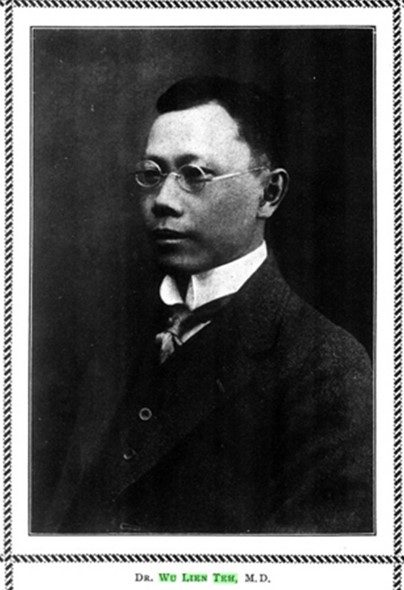
Dr Wu Lien Teh (1879–1960) is best known as a returned/re-emigrated overseas Chinese medical doctor who contributed considerably to the building of China’s modern public health and medical education systems. Among the numerous books and articles he published, the absolute majority of them deal with medical topics. However, he was also the author of a number of journal articles addressing non-medical topics. In this blog essay, I will examine a group of three essays he published in the 1930s in the Shanghai-based English journal The China Critic, recording his visits to Tang Jia Wan (Guangdong), Xiamen, and Xi’an. I would argue that Wu is not only a well-trained and -published medical doctor and scientist but also a good literary writer with a patriotic heart, a defining feature of many Chinese elites active in the late Qing and republican period.
Gale News and Teams
Nationalism Vs the true meaning of National Independence Day in Poland
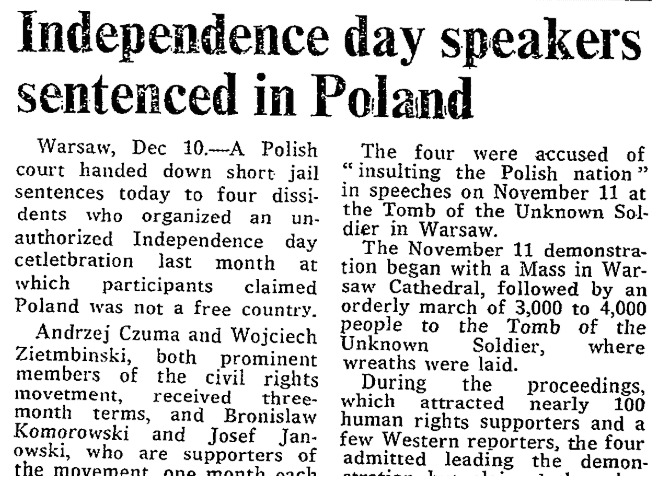
By Anna Sikora, Gale Ambassador at NUI Galway*
In 2017, thousands took part in far-right marches on National Independence Day in Poland. My Irish friend asked me how worried we should be about the rise of far-right nationalism in Poland, my home country. He had seen newspaper headlines describing millions of Polish people, including school children and families, celebrating November 11 as “unsavoury.” I was shocked and disappointed; disappointed by hooligans disrupting the Independence Day marches, and shocked by the foreign media using images of these hooligans to represent the whole nation. This year has also seen heightened tensions, with attempts to ban far-right rallies and pleas from President Andrzej Duda for marchers to “come only with red-and-white flags,” rather than the nationalist banners and flags of far-right parties seen previously.
Between the Acts: Remembering War during the Interwar Period
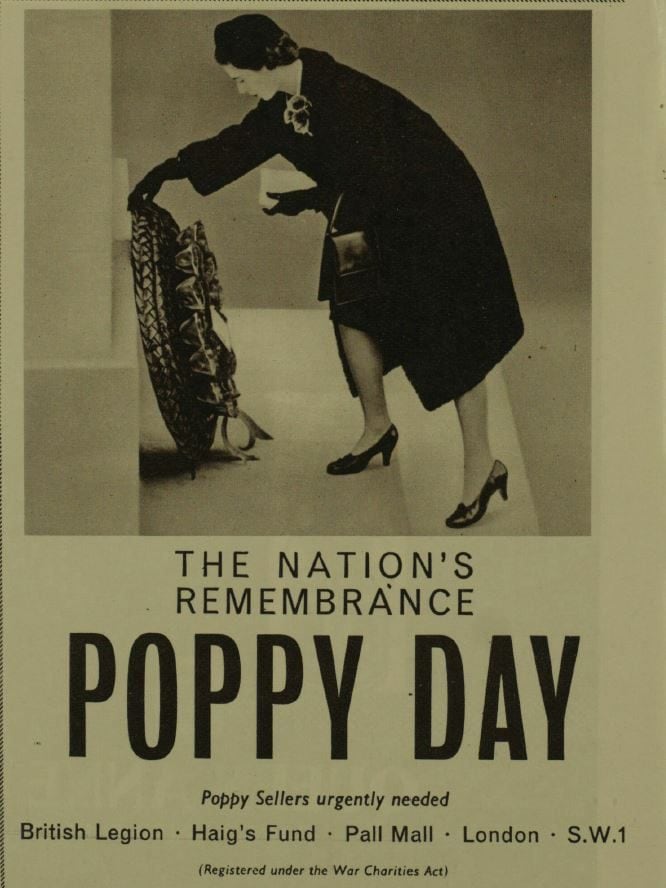
By Calvin Liu, Gale Ambassador at the University of Oxford
Remembrance is repetition.
As Laurence Binyon’s poem, often the highlight of memorial services, puts it: ‘They shall grow not old, as we that are left grow old:/ […]/ We will remember them.’ Ways of memorialising the world wars, too, seem never to grow old and are reinforced through recurrence. Remembrance is ritualised by each poppy-wearing politician, each BBC documentary, each Ian McEwan novel. The narratives have been retold so many times that they grow hazy and the details blend together – battle trenches upon Maginot Lines. It almost comes as a shock to be reminded that twenty-one years elapsed between the two world wars that we now jointly remember on one day. Twenty-one years during which the world regularly reminded itself of the last great war, before rushing into another. Gale Primary Sources provides a plethora of primary sources that poignantly illustrate how the world wars were both remembered and anticipated during the interwar period.
Exploring Changing Attitudes Towards Climate Change in Gale Primary Sources
By Grace Mitchell-Kilpatrick, Gale Ambassador at the University of Exeter
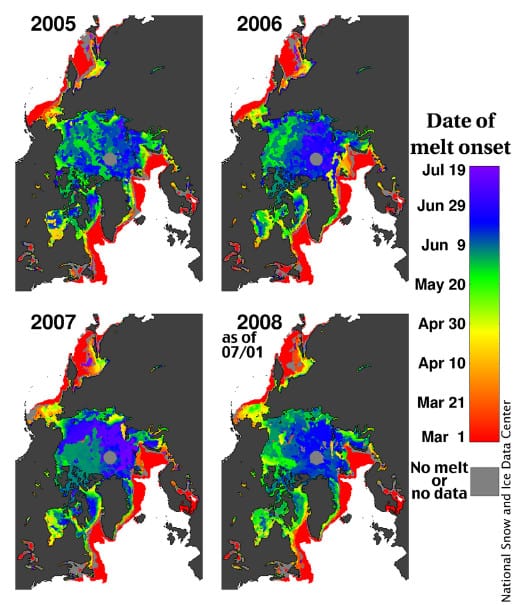
The issue of climate change is often one which is put on the backburner by both politicians and the population at large. Whilst the issue has been on the political agenda in several countries numerous times in the twenty-first century, the efforts to bring about impactful change remain minimal. I thought it would be interesting to use Gale Primary Sources to investigate the developing history of climate change consensus over the last thirty years or so.
A Centenary Celebration for Stonehenge
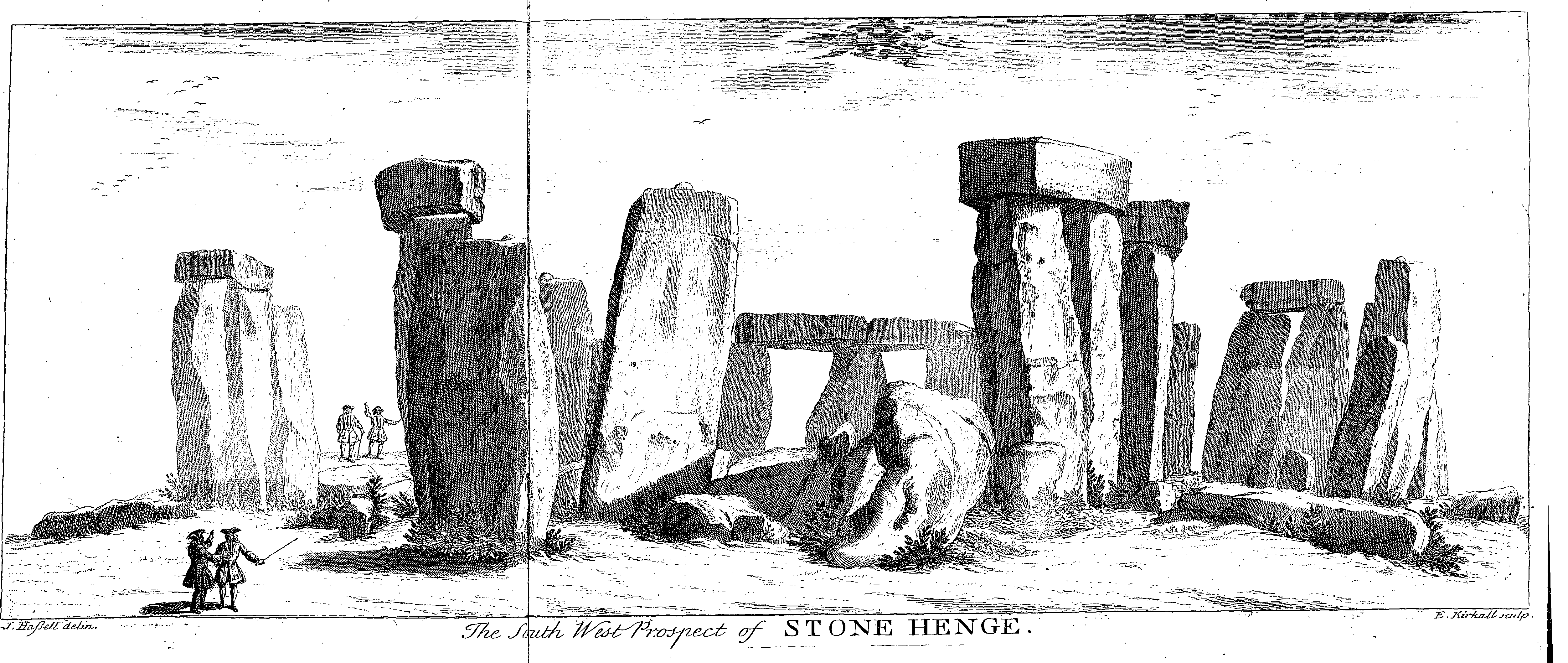
On 31st October 1918, Stonehenge was gifted to the nation by local landowner Cecil Chubb. As has been widely reported in the media, English Heritage are running a series of projects and events to celebrate the centenary, including the fascinating recreation of photographs taken by visitors to the stones during the ‘50s, ‘60s and ‘70s in their ‘Then and Now’ Project.
‘An artist who can get away with this’: The Press Response to Yves Klein’s 1957 London Exhibition
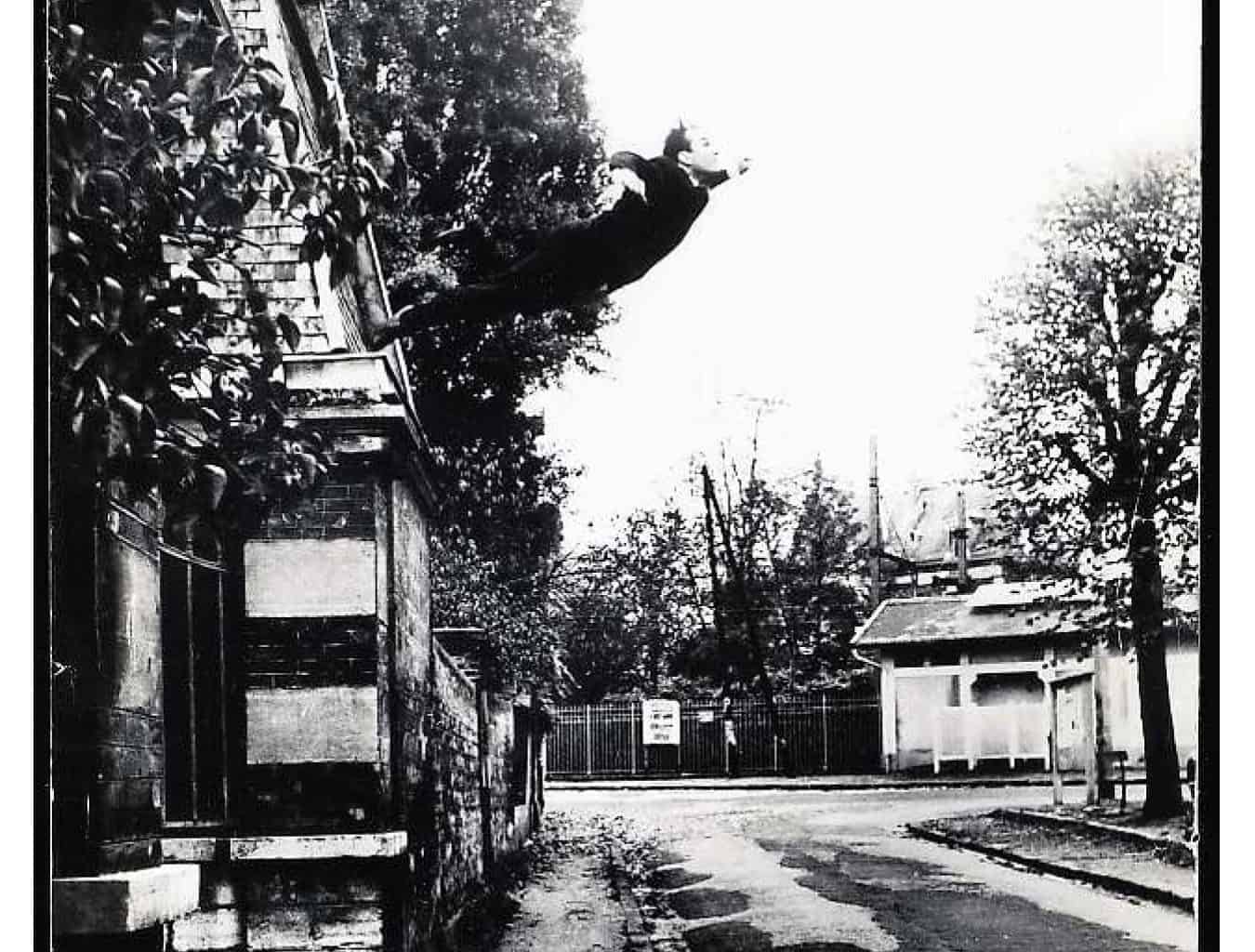
Yves Klein calls his pictures “Propositions.” He very carefully roughens the surfaces so as to express his sensibility. Then he invites the spectator to share the artist’s sensibility by “allowing the mind to plunge into the heart of the colour.”[1]
The debate around modern art versus representational art had begun by the 1950s. The pages of The Listener had followed the debates, as a subject that had “often led to controversy”[2]. Modern art was perceived as an area where “execution determines design instead of design determining execution”, and the modern artist “has done away with the rational meaning of the subject-matter required in traditional art and allows unconscious phantasy to express itself more clearly”[3]. Klein, as the emerging face of modern art, represented this, arguing “that our primary ocular sensation is that of colour, and that he, as an artist, wishes to free this sensation of colour from all extraneous or limiting circumstances.”[4]
One Man in Wangaratta
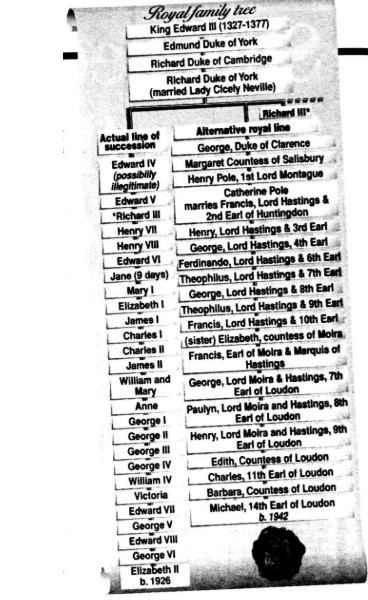
The town of Wangaratta in the north of Victoria, Australia, has a population of approximately 19,000, but little does that population realise that one amongst their number is a man who, but for an accident of history, could today be the King of England. This matter was originally researched by the British historian, Dr. Michael Jones, in 2003, and it can be updated with the help of Gale Primary Sources.
Surprising Search Results: From Crystal Therapy to Singing Bowls
By Rebecca Bowden, Associate Acquisitions Editor
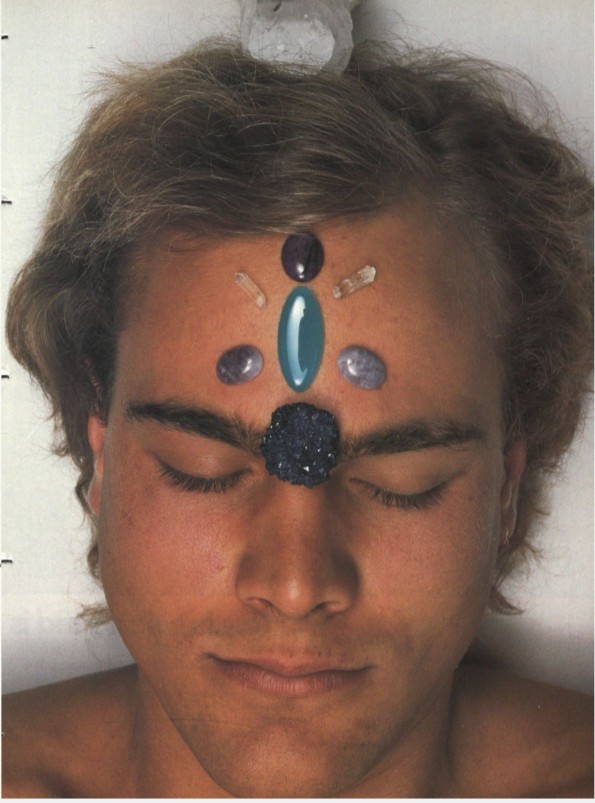
If one was researching current affairs, political history, or a particular literary period, Gale Primary Sources would be an obvious place to look. It is full of useful archives, from newspapers like The Times and The Independent, to huge collections of diverse primary sources, such as Nineteenth Century Collections Online. But what if you were researching something altogether more obscure – say, palmistry, feng shui or crystal therapy? It may surprise you that Gale Primary Sources continues to shine!
Inside the BNP: Being a Mole in the British Far-Right
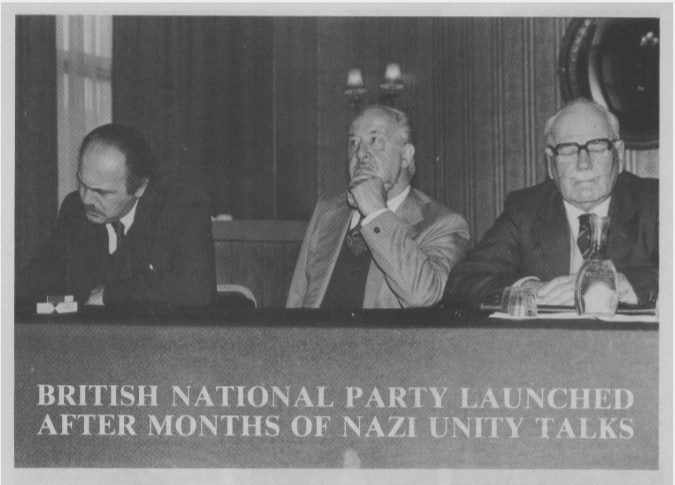
By Rebecca Bowden, Associate Acquisitions Editor On 29 March 1984, at 10:25pm, Channel 4 aired ‘The Other Face of Terror’. According to Elizabeth Cowley, writing for the Daily Mail, ‘if I didn’t know this documentary was fact and that the people we see and hear…were real, I’d swear it was an over-the-top political thriller.’ The … Read more
Ernest Mason Satow: An Essay
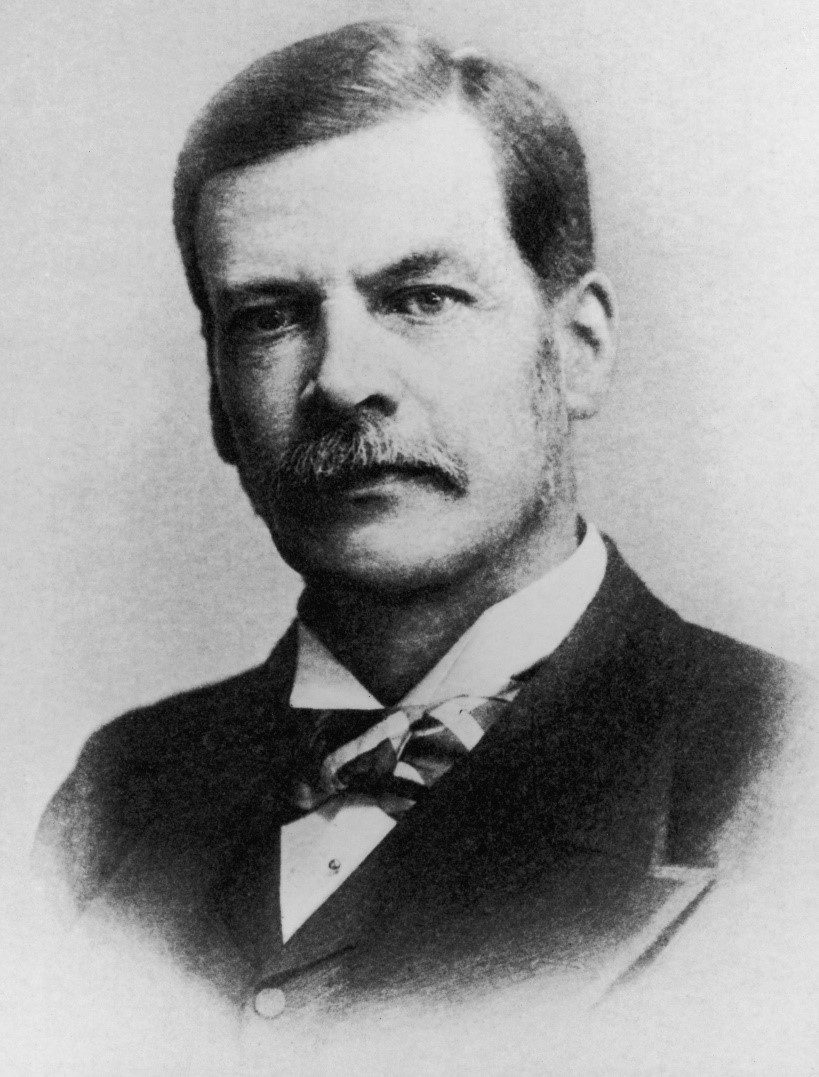
Sir Ernest Mason Satow, British diplomat and renowned Japanologist, was a lynchpin of Anglo-Chinese and Anglo-Japanese relations in the nineteenth and early twentieth centuries. During his long diplomatic career, Satow wrote many books on the region, including several on Japan during the transition from rule by the Tokugawa shogunate back to imperial power in the … Read more