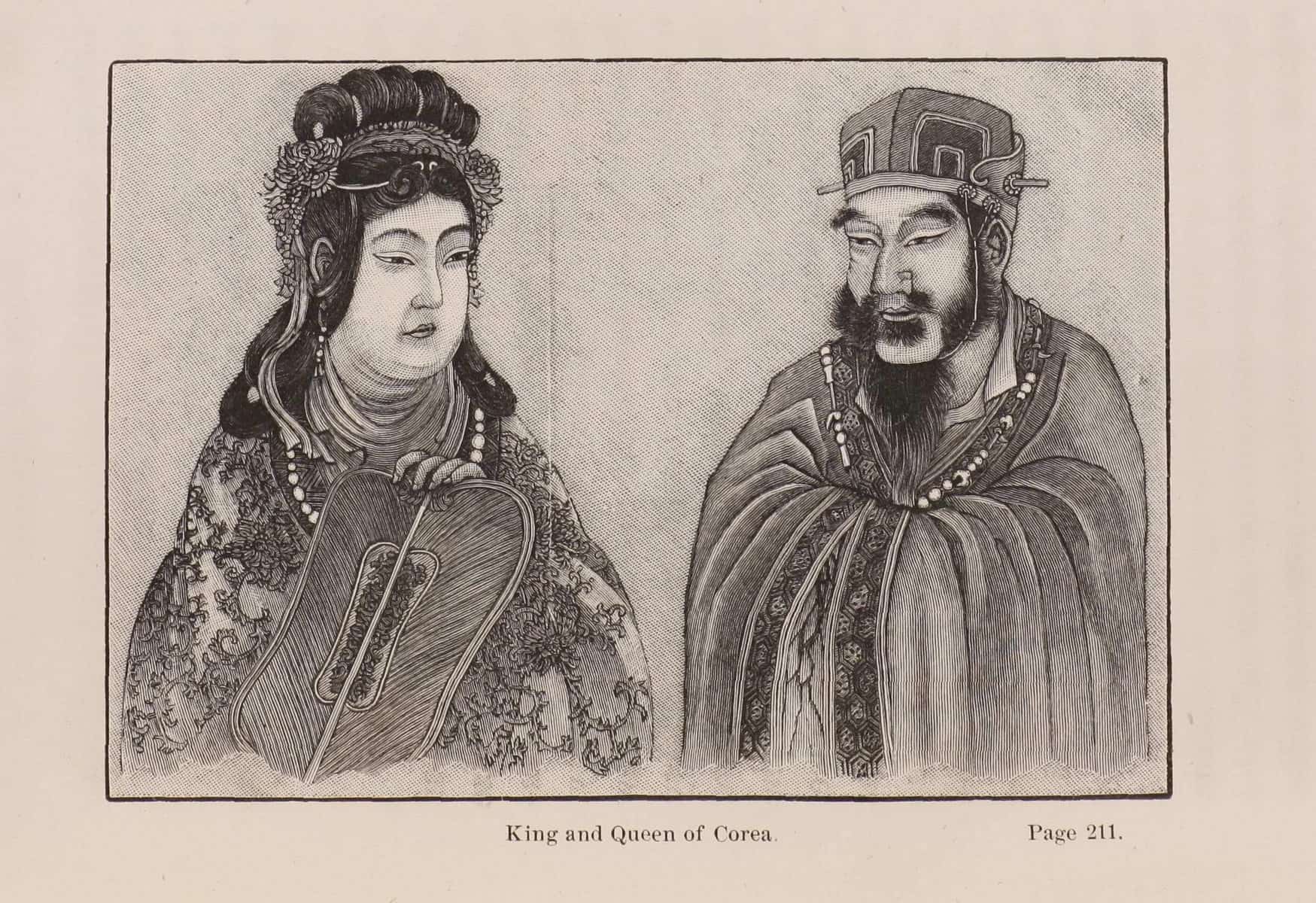
The Murder of Empress Myeongseong of Korea

Kind and Queen of Corea

│By Emery Pan, Associate Development Editor│

In 2001, the Korean television series Empress Myeongseong became a massive hit in many Asian countries. Empress Myeongseong, also known as Queen Min [闵妃], was the wife of Gojong [高宗], the ruler of Korea from 1864 to 1907. Her real life, explored below using primary sources from the Gale archive China and the Modern World, was actually far more complicated and bloody than it appeared in the historical drama.

Read more

Conspiracy Theories in the Archives

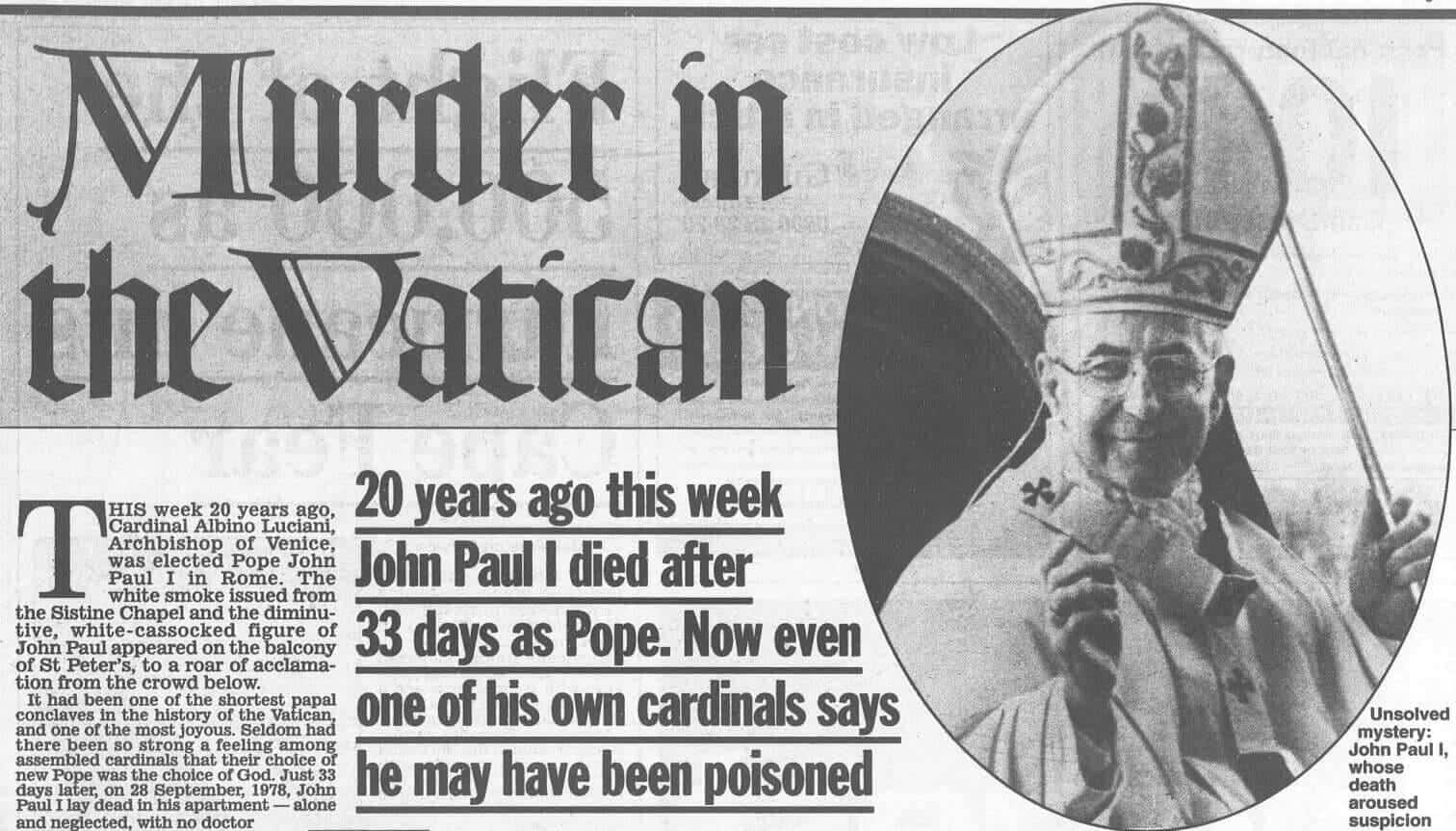
Hudson, Christopher. "Murder in the Vatican." Daily Mail, 27 Aug. 1998, p. 11. Daily Mail Historical Archive, 1896-2016

|By Rebecca Bowden, Gale Digital Scholar Lab Product Manager|

Everybody has heard one conspiracy theory or another. Some buy into them wholeheartedly, others mock them and call out their absurdity. Whichever camp you fall into, there is undoubtedly something fascinating about conspiracy theories! They’re akin to the myths and legends that ancient civilisations used to explain the world around them – tales of manipulative gods and hidden cities. Yet one could argue that those civilisations had an “excuse” – they did not have the years of advanced scientific discovery that we now enjoy! Even with this scientific knowledge, however, conspiracy theories still emerge and take hold, often growing ever more elaborate and determined, even whilst they’re being actively discredited.

There are the famous ones: Area 51, accusations that Princess Diana was murdered, that 9/11 was planned by the US Government, that there was a second gunman at the assassination of JFK, or that Kennedy was killed using an umbrella. Or a government plot. The CIA! The Mafia! Fidel Castro! Everyone’s heard of those. Then there are the more unusual conspiracy theories which may be entirely new to you, many of which still have the ability to baffle us with their absurdity. All of them appear within Gale Primary Sources. In this blog post, we delve deeper into the world of conspiracy theories.

Read more

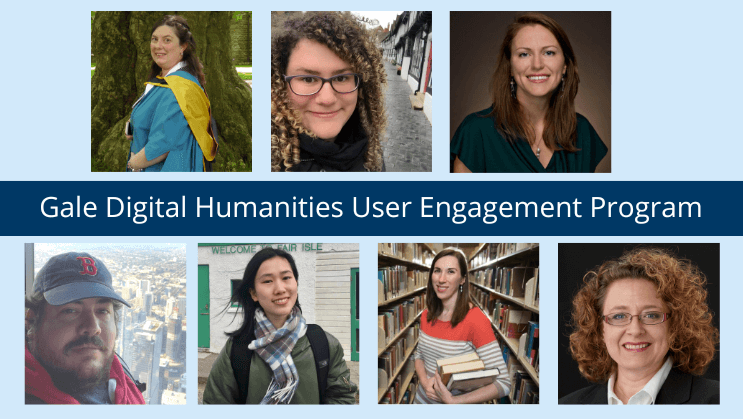
Introducing the Gale Digital Humanities User Engagement Program

|By Rebecca Bowden, Gale Digital Scholar Lab Product Manager|

On June 27, 2022, Gale launched its first Digital Humanities User Engagement Program, inviting eight Gale Primary Sources and Gale Digital Scholar Lab users to collaborate closely with the Digital Humanities Production team at Gale. The members of the User Engagement Program will provide feedback throughout the product development process, keeping the voice of the researcher at the center of the product experience.

Below, the Digital Humanities Product Managers who developed the program – Rebecca Bowden and Megan Sullivan – explain more!

Read more

Using Primary Sources to Study Gun Control

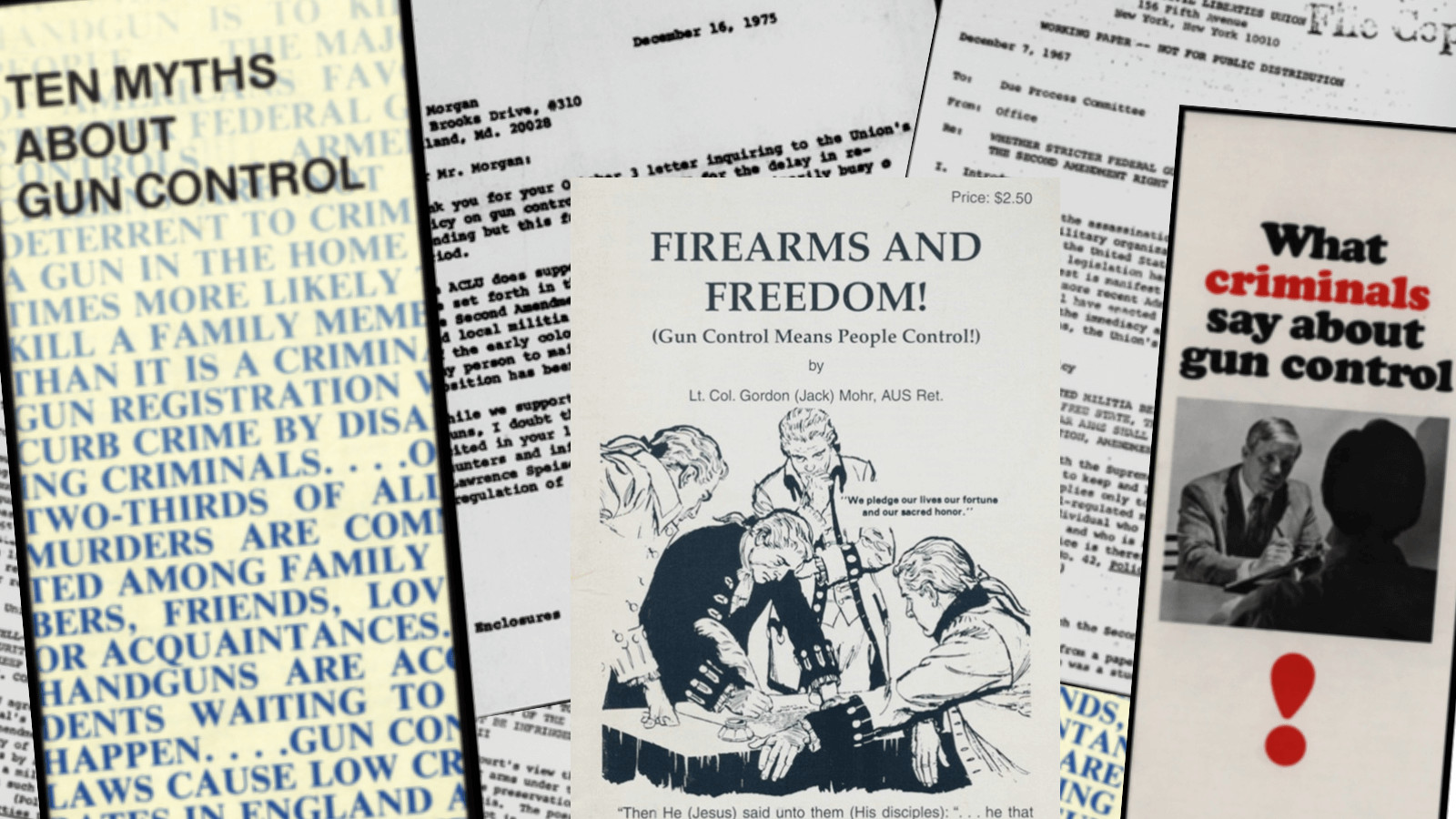
Studying gun control

|By Rachel Holt, Gale Primary Sources Acquisitions Editor|

This week (July 2022), US President Joe Biden was heckled by the father of a mass shooting victim during a White House event celebrating the passage of a federal gun safety law. This comes in the wake of the mass shooting that killed nineteen children and two teachers at an elementary school in Uvalde, Texas, on May 24, 2022. But how did we get here?

Read more

Etiquette and Advice, 1631-1969 – Good Manners as Prescribed by “Polite Society”

Etiquette and Advice from Archives Unbound

|By Phil Virta, Senior Acquisitions Editor, Gale Primary Sources|

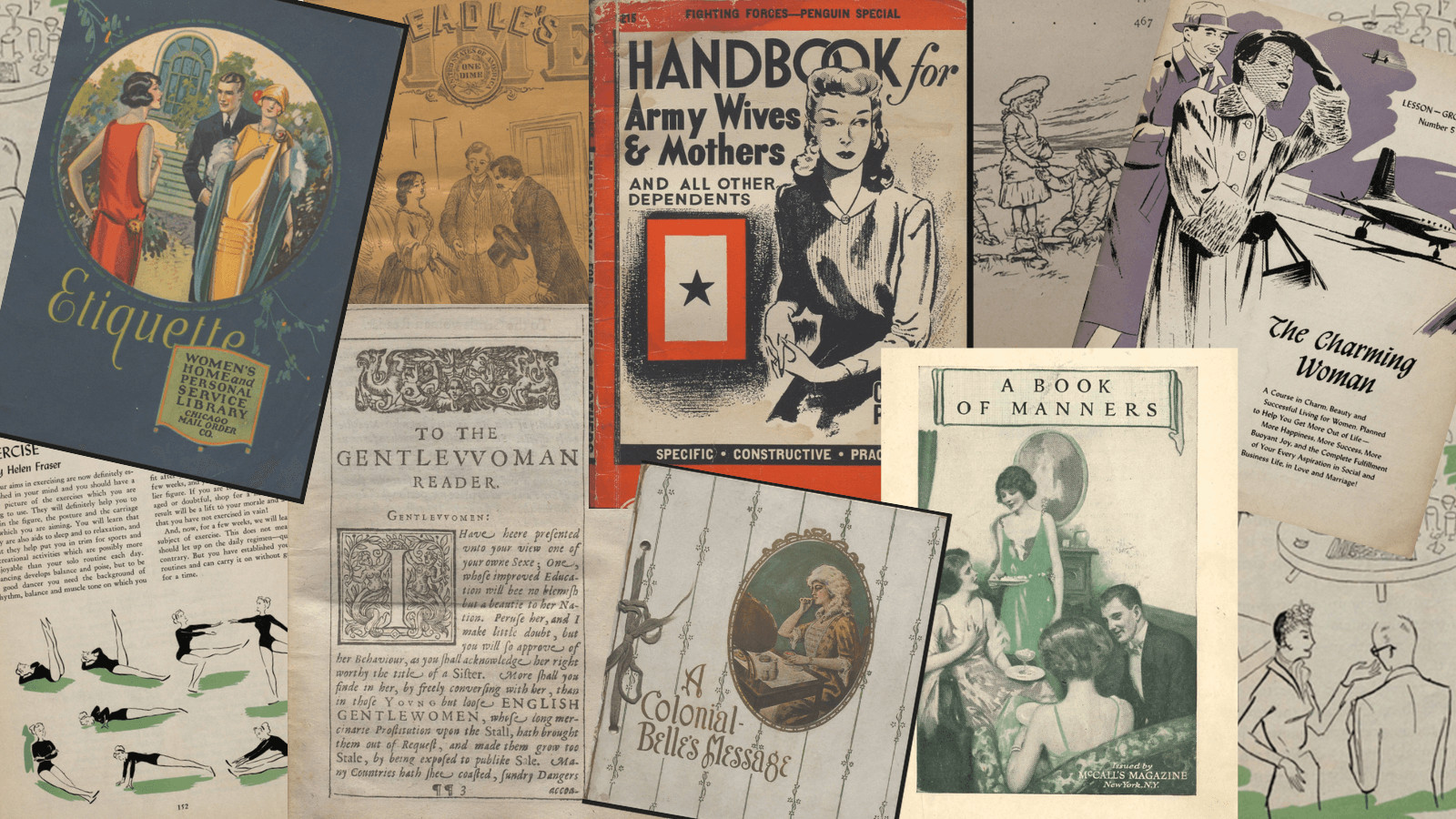
Gale’s Archives Unbound collection Etiquette and Advice, 1631-1969 is a fascinating digital archive of material from Winterthur Museum and Library in Delaware. A collection of 429 British and American etiquette books and rare print ephemera, it allows us to explore the question, “who gets to decide what behaviours are ‘good’ or ‘polite’?” The materials span from the seventeenth to twentieth century, offering tidbits on everything from table manners to travelling, conversation to courtship, home furnishing to hospitality. Author Dena Attar observes, in the face of fears about the “decay of modern manners and the instability of society, [etiquette] writers often described their books as necessary correctives for wider social problems.”1 This collection will therefore interest not only book historians, but also social historians, literary critics, cultural studies scholars, feminists, and other lifelong students of transatlantic history.

Read more

New State Papers Online Experience Available to Preview

State Papers Online search bar and source design

|By Megan Sullivan, Senior Product Manager, Gale Primary Sources|

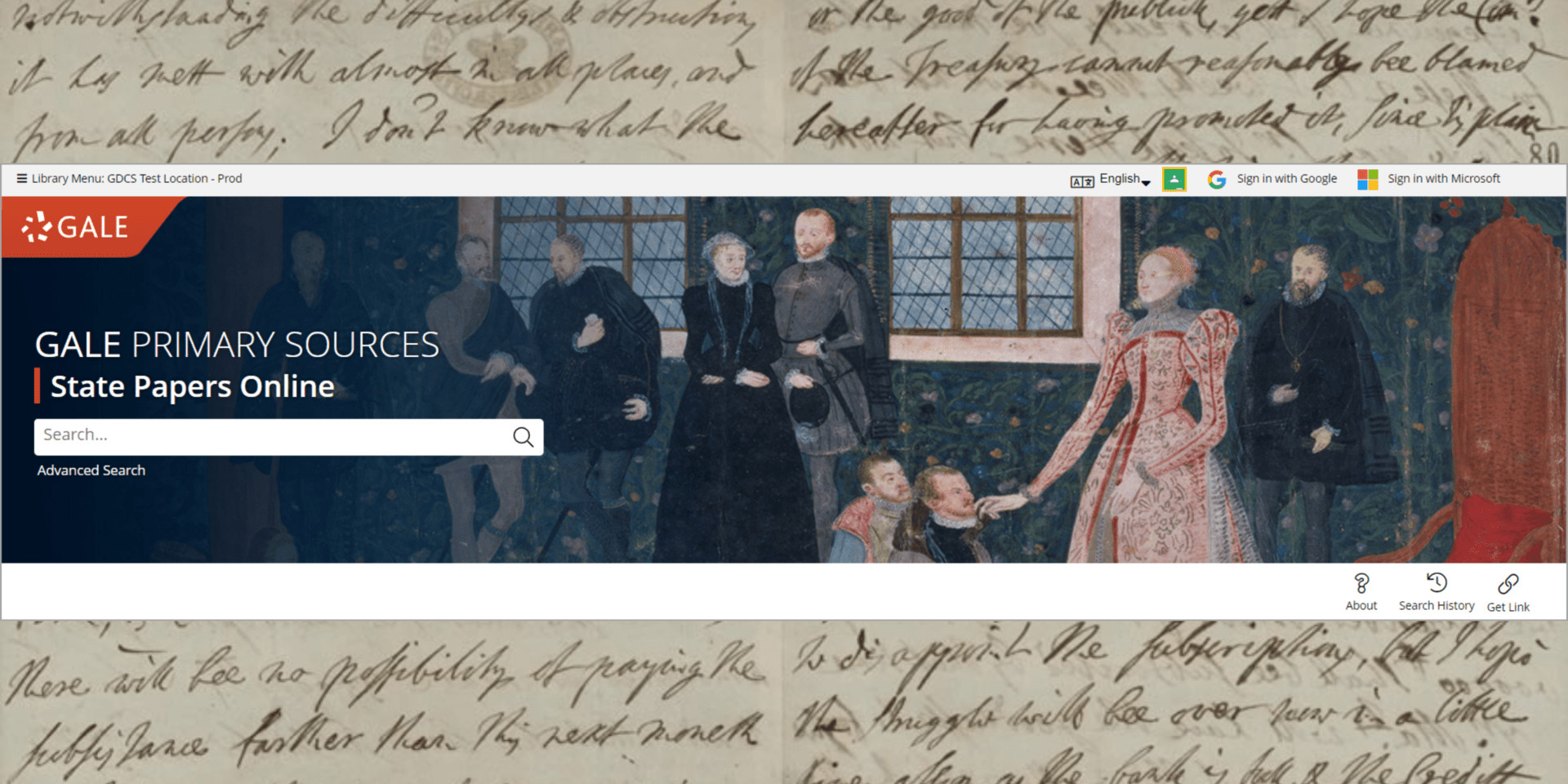
I am delighted to share that after several years of research and technical preparation, an updated experience for State Papers Online (SPO) will be ready to preview on Monday, August 1, 2022. This will be a “soft launch”, meaning that on this date, users can access the beta version of the new State Papers Online from a link that will be available from the current SPO homepage. We encourage users to try the new experience and send us their feedback. We are also recruiting for paid user interviews and usability testing. We plan to retire the current version of State Papers Online in December 2022 and from that date forward, SPO will be exclusively available in the updated experience.

Read more

Practical Pedagogy with Gale Digital Scholar Lab, Part II: Approaches to Project-Based Teaching and Learning

Header image - Notes from a DH Correspondent

│By Sarah L. Ketchley, Senior Digital Humanities Specialist, Gale│

One of the most significant shifts that has been taking place in humanities research in recent years is the movement towards team-based projects and public scholarship, in contrast to more traditional models of individual scholarship that favour print publication. The teams that form to engage in digital scholarship are often interdisciplinary, reflecting the diverse skillsets needed to create and publish digital research. A digital scholarship team may comprise disciplinary scholars, computer programmers, data scientists, specialists in informatics and design, and could be made up of faculty, staff, students, and consultants. Similarly, the digital humanities classroom offers students the opportunity to learn the skills required to successfully participate in team-based projects. This blog post suggests ways to incorporate project-based activities in the class using Gale Digital Scholar Lab.

Read more

Declassified Documents Online: Twentieth Century British Intelligence, Monitoring the World

Declassified Documents Online: Twentieth Century British Intelligence, Monitoring the World

|By Clem Delany, Acquisitions Editor, Gale Primary Sources|

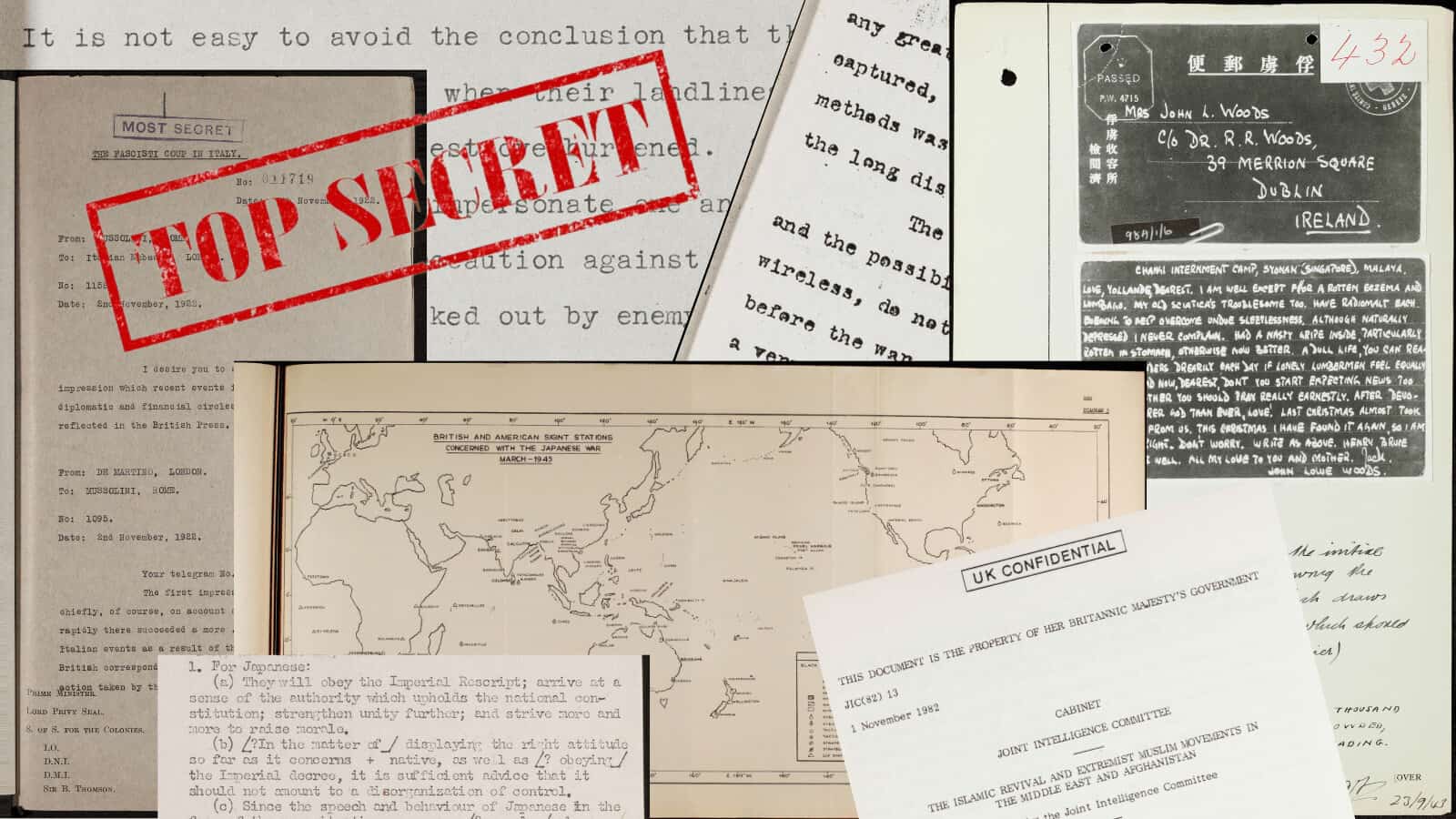
It is now common knowledge that the German Enigma codes were broken during the Second World War in huts at Bletchley Park, and that this feat helped sway the tide of war in the Allies favour. Most people are also aware that Alan Turing was there, that early computers were being developed, and that after the war these codebreakers and the hundreds of people employed at Bletchley Park vanished into obscurity until the 1970s. These details have become part of popular culture: the shabby huts in the middle of a quiet countryside where great and secret things were happening providing the setting for the book Enigma by Robert Harris, or The Imitation Game starring Benedict Cumberbatch in tweed, and even a BBC Radio sitcom, Hut 33.

Read more

Tracing the Young Women’s Christian Association through Women’s Studies Archive: Female Forerunners Worldwide

YWCA in Gale's Womens's Studies Archive

|By Rachel Holt, Acquisitions Editor, Gale Primary Sources|

Rachel is the Acquisitions Editor managing Gale’s Women’s Studies Archive series.

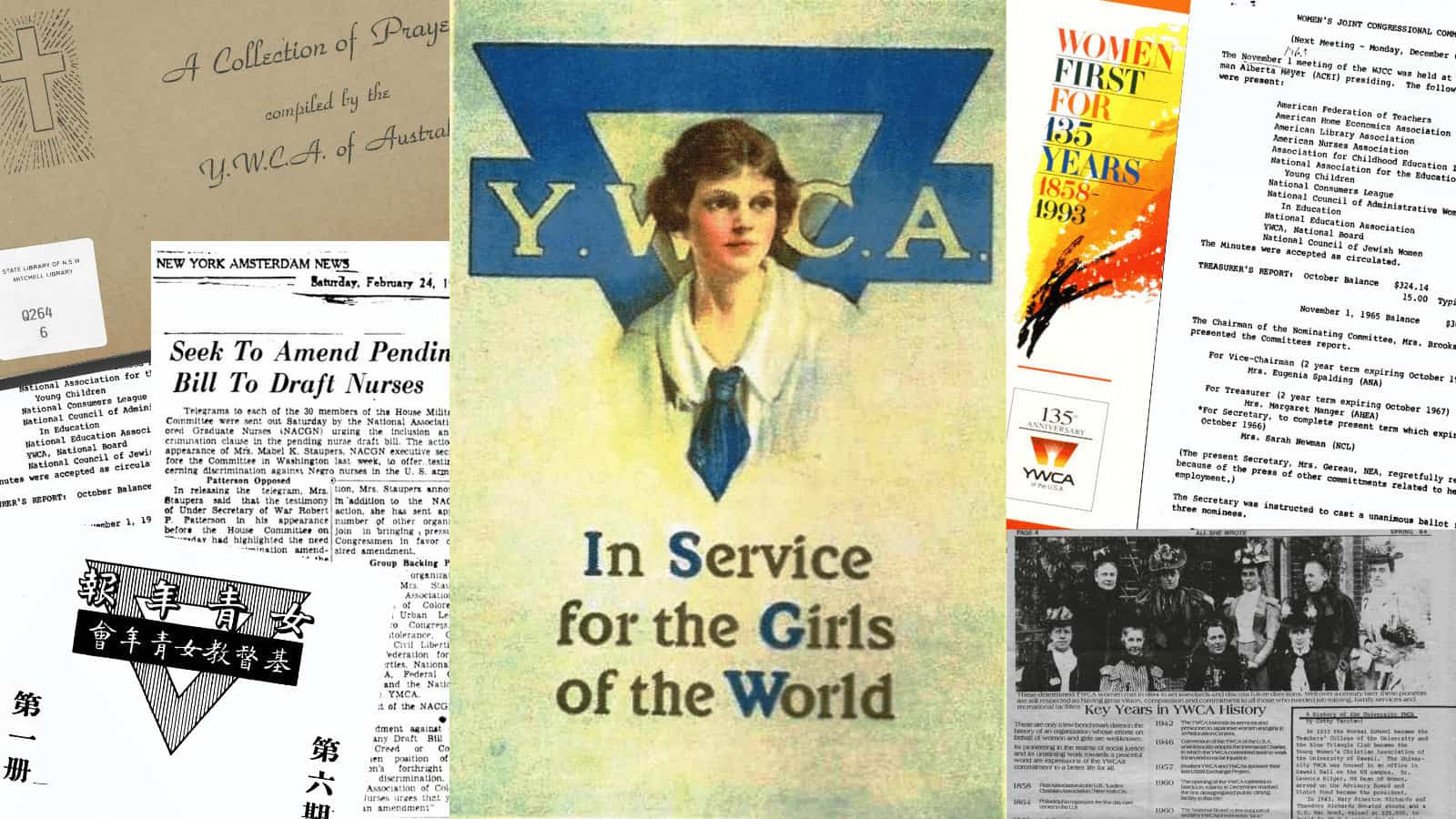
This month Gale is proud to announce the launch of the fourth module in its multi-award-winning Women’s Studies Archive series, Female Forerunners Worldwide. Publishing in March 2022 this latest edition to Gale’s Gender Studies programme coincides not only with International Women’s Day but with Women’s History Month, hopefully giving scholars of women’s history, social history, and gender studies much to celebrate.

Read more