
│By Matt Hudson, Gale Ambassador at the University of Durham│
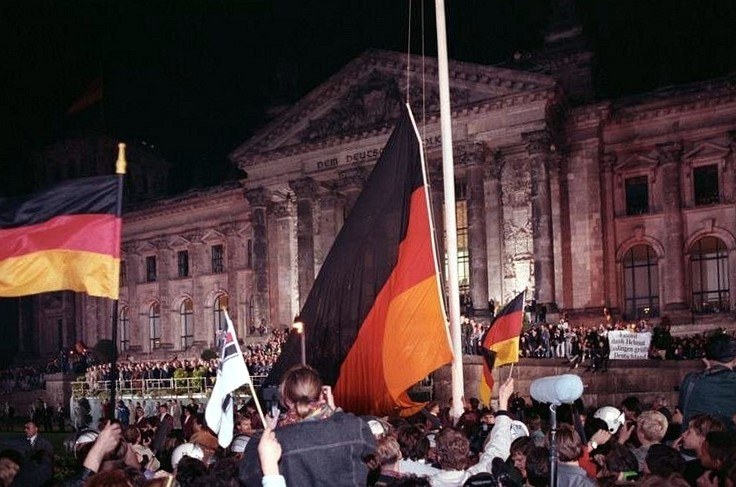
October 3rd, 1990 became a symbol of post-Cold War optimism. As the reunification of Germany was marked with joyous celebrations, liberalism had emerged victorious. The collapse of the stagnant East German regime heralded not just the end of totalitarianism and censorship, but also the triumph of ‘people power’.
This picture appears naïve in today’s climate. In the former East Germany (German Democratic Republic or GDR), economic progress since reunification has not prevented voters from supporting the far-right AfD in their droves. Ostalgie, meaning nostalgia for life in the GDR, served as an early warning sign that the so-called ‘end of history’ was a misnomer.
But when did Ostalgie become an observed phenomenon? How did disaffection with life in a united Germany arise? And has this nostalgia been misinterpreted by western reporters?