|By Chris Houghton, Head of Academic Partnerships|
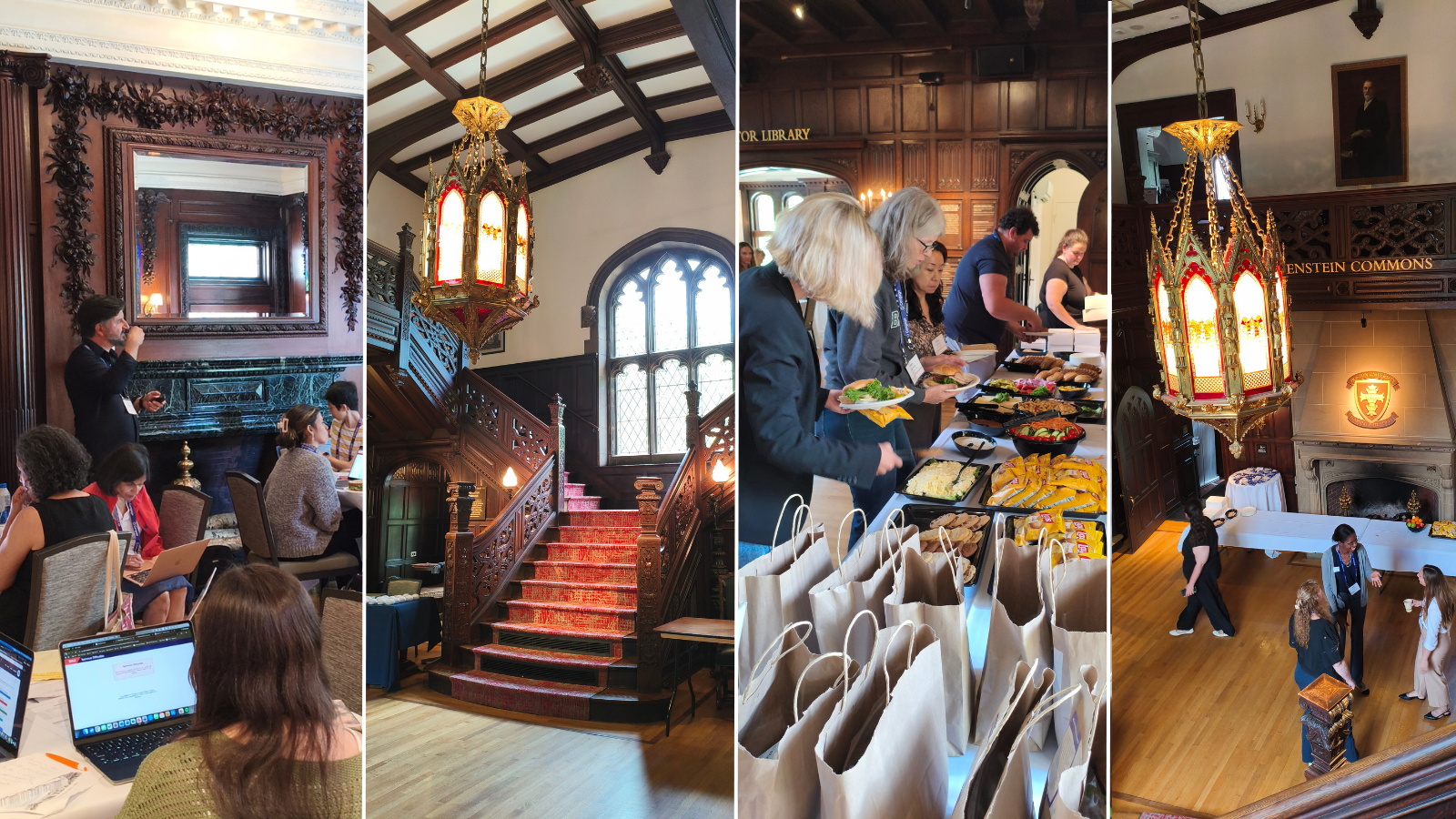
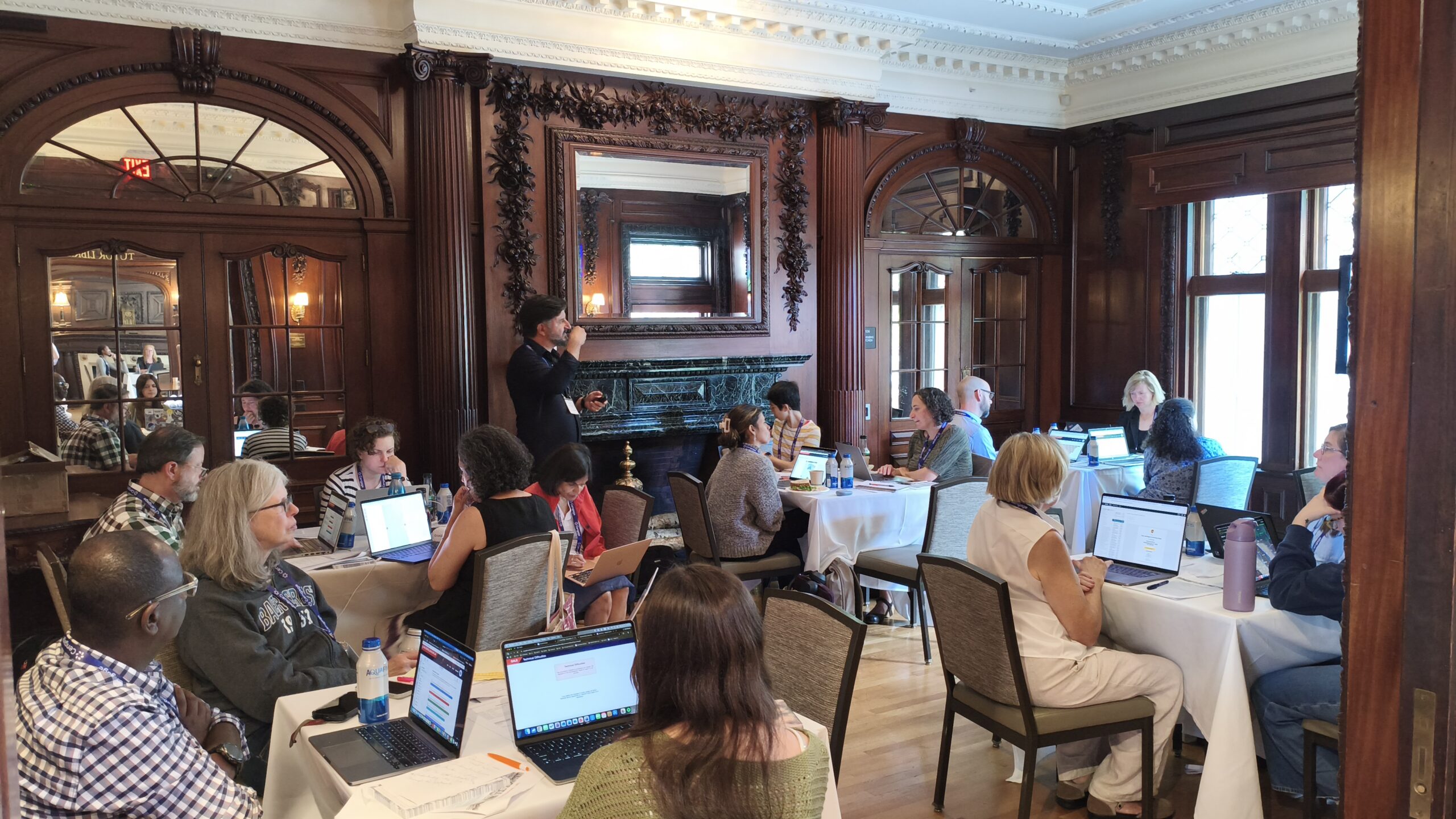
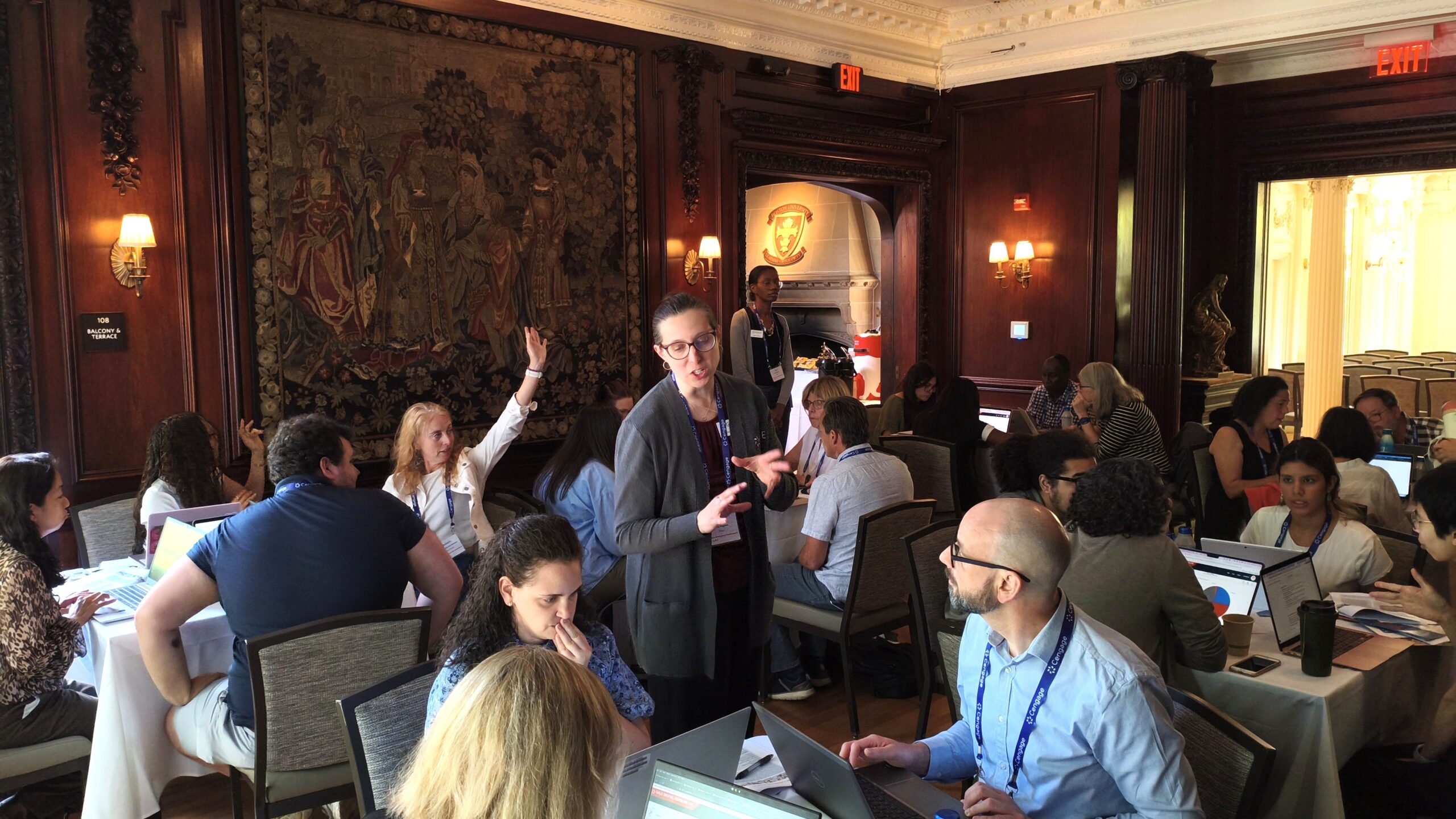
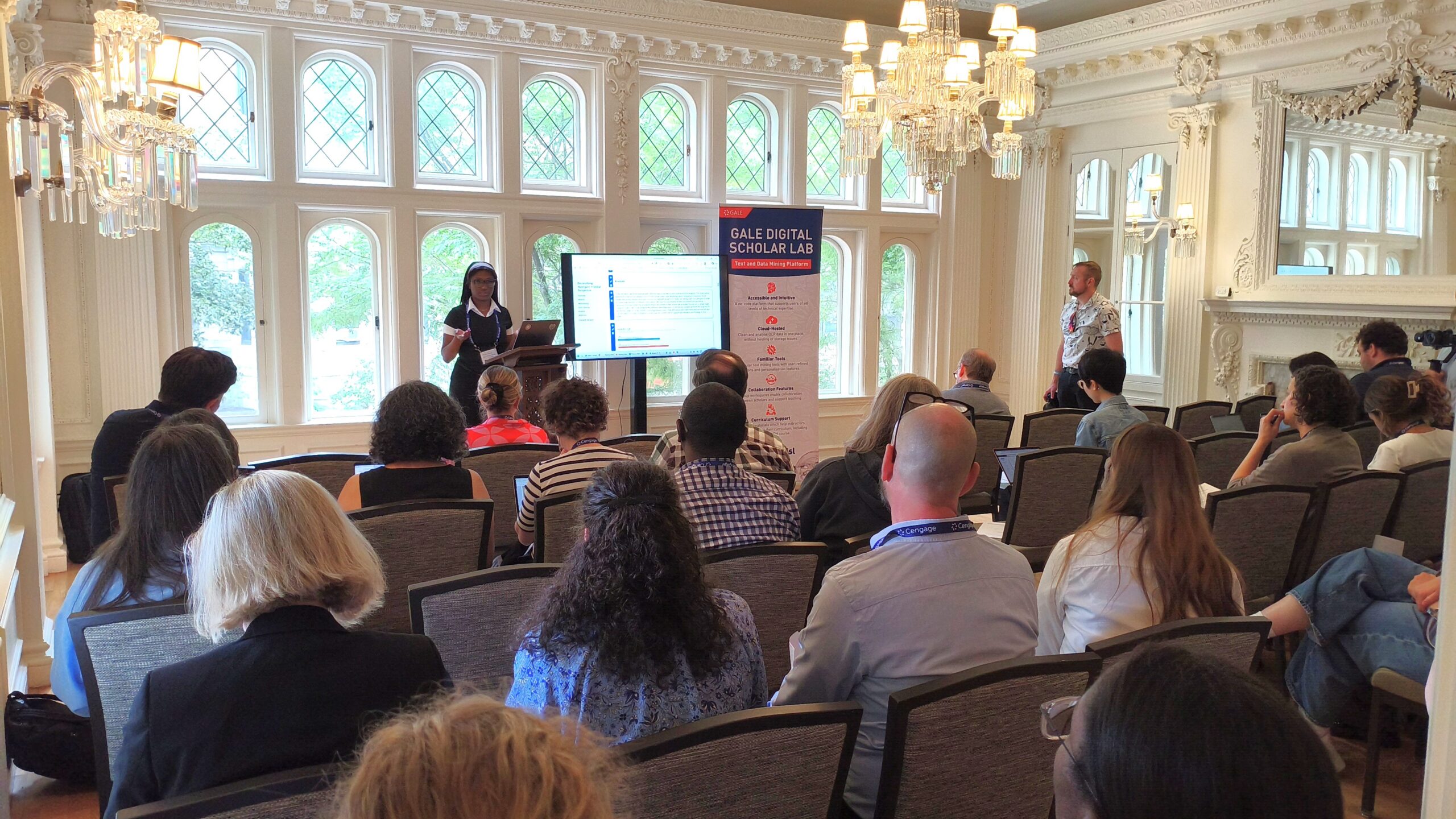
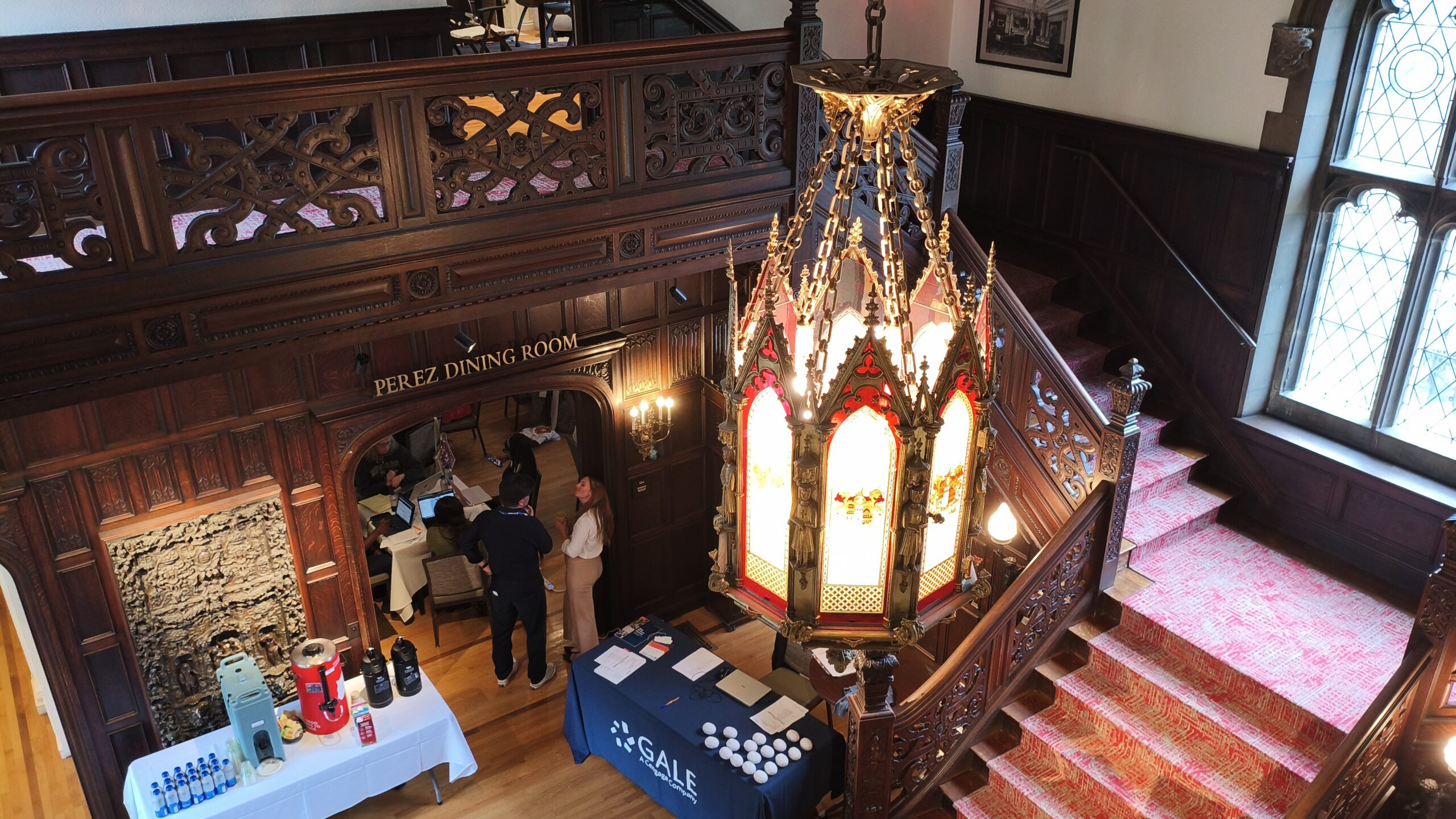
In June, Gale delivered its fourth Hacking History event at the Dahod Family Alumni Center at the Castle, in central Boston. The hackathon showed participants that digital humanities is not just about using technology in the humanities. It’s about building practical, transferable skills, applicable in many careers: finding and evaluating sources, cleaning data, analysing evidence, working collaboratively, and turning research into something others can use.
“Having these skills under my belt as an applicant is going to look really good”
Stella Balter, Intern, Museum of African American History Boston.
A Knowledge Exchange
The participants were a varied group, from graduate students and early career-researchers to tenured professors, and library and archive staff, each bringing their unique experiences and skills to an extremely collegiate day. Having a mix of backgrounds is important to the success of Gale’s hackathon events as it encourages a level of knowledge exchange, challenge and discovery that sometimes does not occur in a more homogeneous gathering.
Building Skills for Future Careers
An important aspect of the day for many of the participants involved building of skills they could use in their immediate research prospect and, for some, in future careers either inside or outside of academia. The tool used on the day, Gale Digital Scholar Lab, is a very accessible platform to begin learning text and data mining, and thus benefit from the data literacy skills this develops in users.
Reviewing the day, Professor Scott Nowka of Salem State University explained the value of digital humanities to instructors: “It gives students an opportunity to learn how to work in groups, complete a project task, conduct an experiment, take those results and publish things”.
Developing Concrete Workplace Skills
The opportunity to develop concrete workplace skills like teamwork, project management, experimentation and effective communication alongside disciplinary education is one of the huge opportunities of digital humanities, and one that more and more instructors are grasping.
“It prepares students for alternate academic jobs, because tenure-track jobs are becoming few and far between. Preparing them with skills to work in archives or libraries is particularly valuable.”
Brendan Mahoney, incoming PhD student, Boston University
If you enjoyed reading about the Hacking History workshop in Boston, you may like the posts in our DH Correspondents series, including:
- A New Course in Gale Digital Scholar Lab: Introduction to Digital Humanities
- Doing Rather than Listening: Developing DH Skills at Hacking History
- Gale-SHAFR Fellows Explore New Digital History Methods
Blog post cover image citation: A montage of images from the hackathon taken by Jessica Edwards.
Please note, this event was not affiliated with Boston University.