
│By Matt Hudson, Gale Ambassador at the University of Durham│
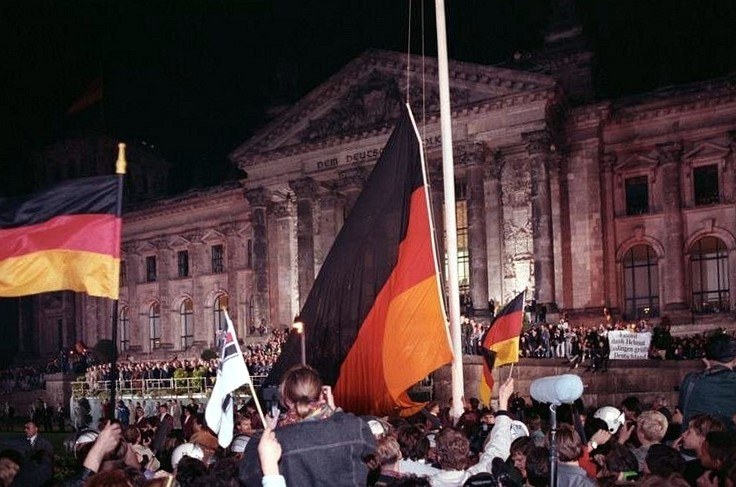
October 3rd, 1990 became a symbol of post-Cold War optimism. As the reunification of Germany was marked with joyous celebrations, liberalism had emerged victorious. The collapse of the stagnant East German regime heralded not just the end of totalitarianism and censorship, but also the triumph of ‘people power’.
This picture appears naïve in today’s climate. In the former East Germany (German Democratic Republic or GDR), economic progress since reunification has not prevented voters from supporting the far-right AfD in their droves. Ostalgie, meaning nostalgia for life in the GDR, served as an early warning sign that the so-called ‘end of history’ was a misnomer.
But when did Ostalgie become an observed phenomenon? How did disaffection with life in a united Germany arise? And has this nostalgia been misinterpreted by western reporters?
Unique Phenomenon of Ostalgie
Although communist nostalgia in Eastern Europe has been widely documented, Ostalgie is unusual since this term applies to a nation-state no longer in existence. Unlike other nations which transitioned from socialism to free-market capitalism, East Germany was subsumed into the West. Many former GDR citizens chose the option of moving to this ‘other’ Germany: from 1990 to 2000, the population of the New Länder declined by over a million as unemployment rose and wages remained stubbornly below western levels.
Ostalgie provokes fascination among western onlookers, who have struggled to understand the fond memories of life under an authoritarian, moribund regime. But, in contrast to hyperbolic commentary, surveys have made it repeatedly clear that there is no desire to re-establish the GDR. Rather, Ostalgie is a form of reflexive nostalgia that expresses dissatisfaction with contemporary problems.
A Permanent Scar or Temporary Fad?
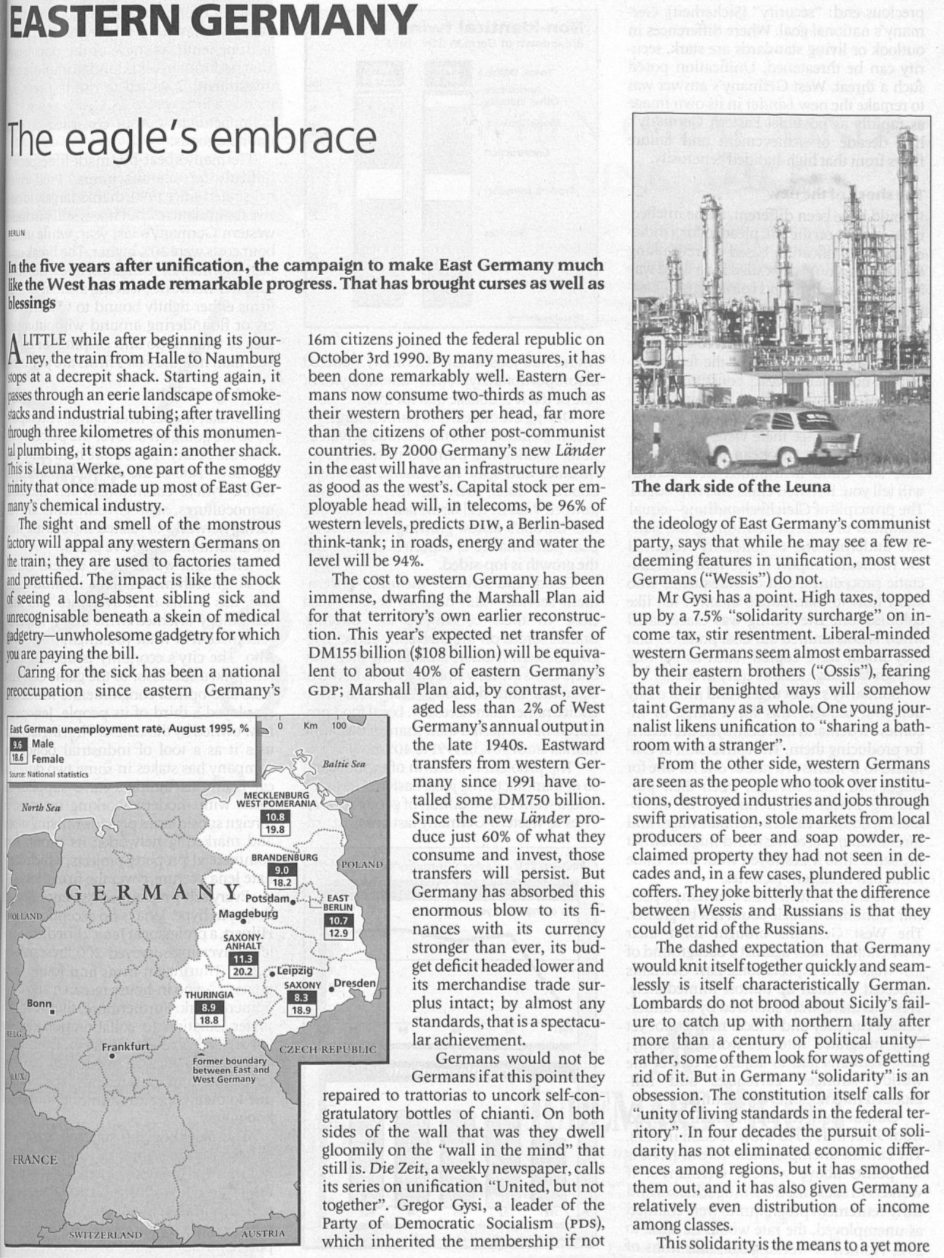
The first reference to Ostalgie found in Gale Primary Sources is contained within a 1995 article from The Economist headlined ‘The eagle’s embrace’. The piece presents a largely optimistic view of reunification, noting “remarkable progress” in the effort to “make East Germany much like the West”. The final section makes a single dismissive reference to the “‘Ostalgie’ clubs” which, in contrast to Ost Rock disco, “flaunt Ossi kitsch”.
Whereas later articles focus on the enduring East-West divide, this piece argues that true German unity will be achieved as Wessis engage with East German culture and working practices.
This term soon entered the vernacular in a negative light as British newspapers sarcastically commented upon this desire for the “days when they’d never had it so good”. This quote came from an Independent article two years later, which detailed an East Berlin exhibition on the GDR’s version of the ‘Swinging Sixties’. No context is given as to the economic downturn, instead, Ostalgie is described as a “hankering for the past” and a “fad”.
Impact of Good Bye, Lenin!
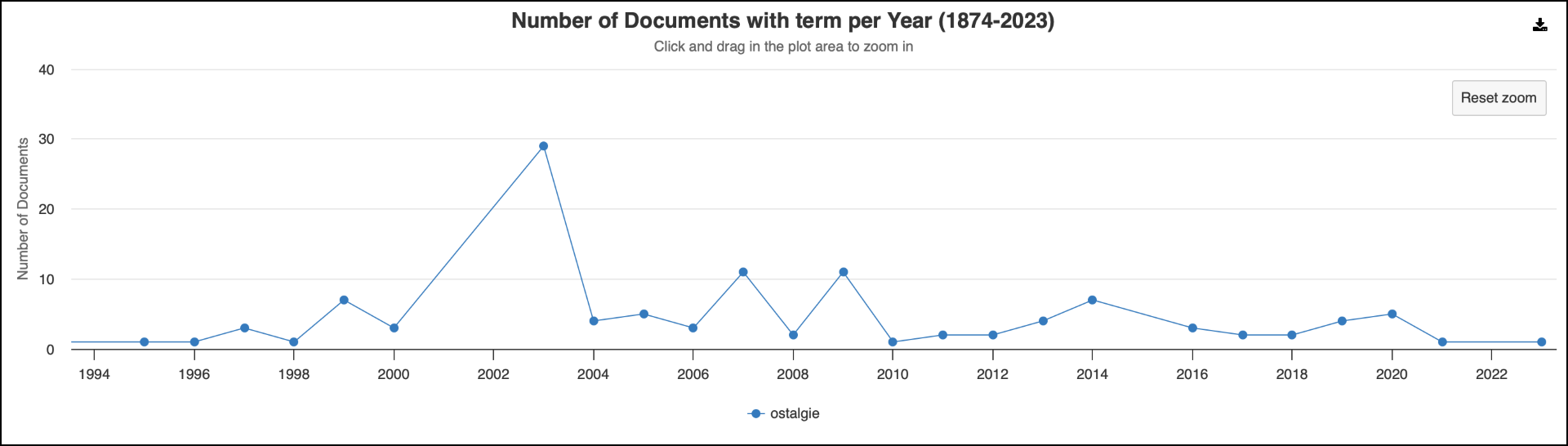
The Term Frequency tool shows a clear trend. Mentions of Ostalgie spiked first in 1999, on the tenth anniversary of the ‘friedliche Revolution’, and to a far greater extent in 2003. The catalyst for this explosion of interest in Ostalgie was stimulated by the British release of the film Good Bye, Lenin! in July 2003.
Good Bye, Lenin! provoked varying responses in the British media. Some articles, particularly as the film was first released, empathised with complaints from former East Germans. The Berlin correspondent for The Times wrote in a July 2003 article that there were “fundamental mistakes made in the east” and that East Germans had been failed by the transition. As an example he cited the enormous income gap between Mecklenburg in the east and Hamburg in the west.
Yet a backlash to this phenomenon gathered pace as papers reported on grassroots opposition to Ostalgie. An article from the Financial Times contrasts nostalgia against the lived experiences of “realists”. Angelika Barbe, a civil rights activist who was persecuted by the East German regime, is positioned as an authoritative critic highlighting the absurdity of socialist-era kitsch. Moreover, the article references the 94,000 applications to view the Stasi files.
Communist nostalgia is resultingly downplayed as a “media-driven Ostalgie craze”. Yet this stance poses a contradiction: is Ostalgie a dangerous outlook that must be countered or a media construction to be easily dismissed?
Rise and Fall of Ostalgie
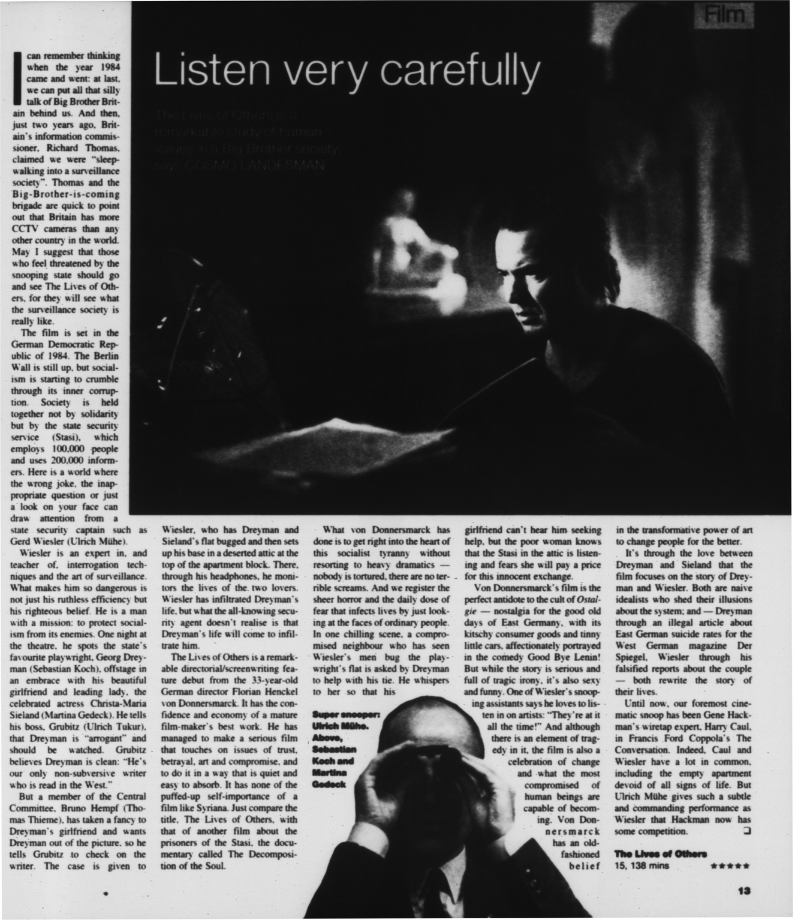
The Ostalgie media craze was short-lived. Over subsequent years, references to the term declined significantly, with occasional spikes on the anniversary of the fall of the Berlin Wall. The film Das Leben der Anderen (2007), which depicted a paranoid society riven by fear of the Stasi secret police, was viewed by one Sunday Times article as a “perfect antidote” to the tasteless consumerism of Ostalgie.
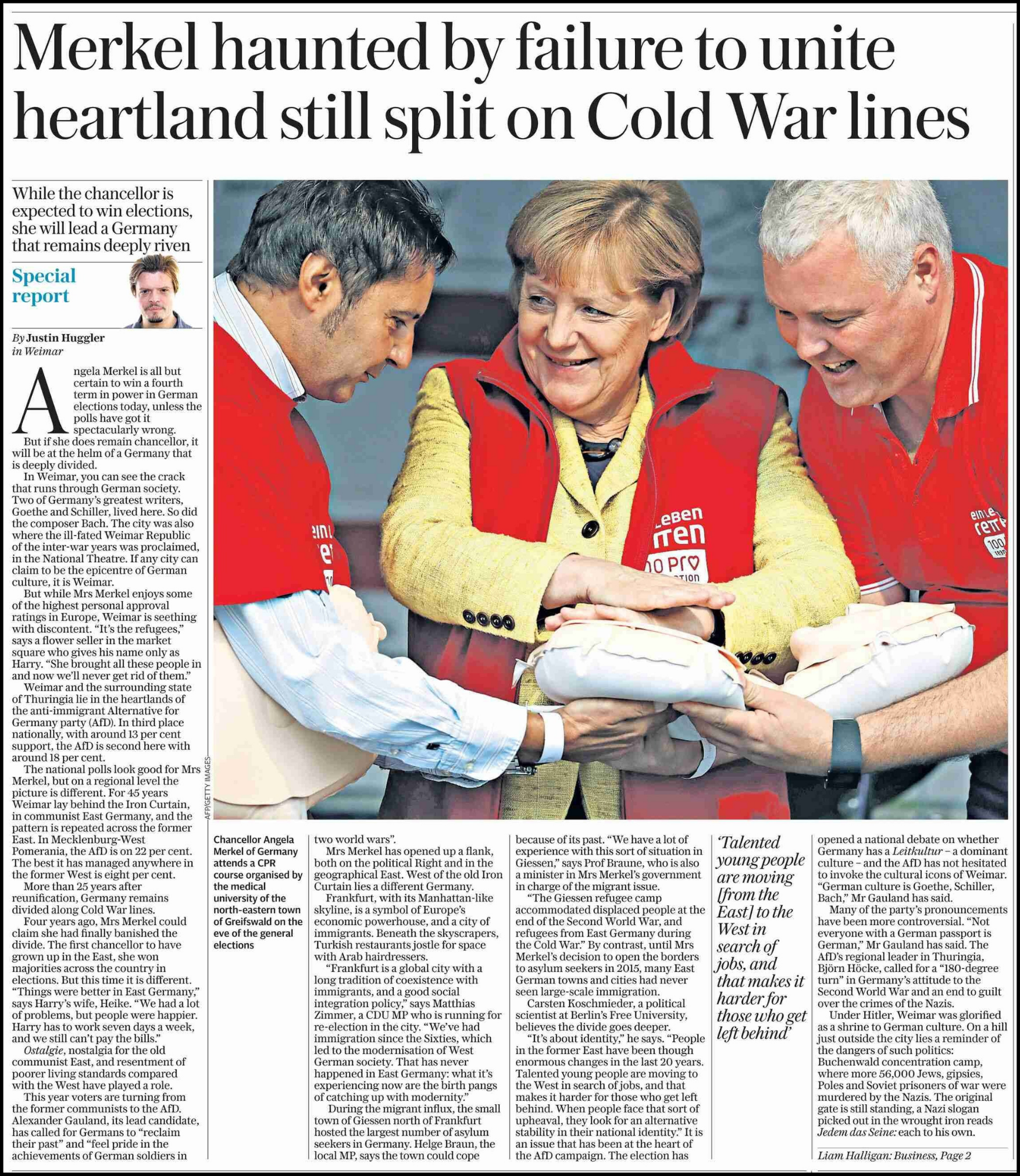
Yet memory debates in Germany have not disappeared entirely: the AfD’s rise to prominence in the 2017 federal German elections heralded a small revival of this phenomenon in the press as reporters attempted to explain disparities in electoral support for the far-right party.
Ostalgie in Modern-Day Germany
Once heralded as the model for liberal European values and free-market capitalism, Germany currently faces considerable headwinds. The AfD, whose support has risen dramatically in recent regional elections in the New Länder, is currently leading in the national polls.
With a stagnating economy and political polarisation, Ostalgie occasionally returns to the news cycle, albeit with less significance than its peak in the early 2000s. These newspaper articles reveal that Ostalgie is not commonly understood in western media circles as a legitimate expression of grievance by eastern Germans. Instead, it is treated as an outdated attitude that symptomises Germany’s mounting economic problems.
Gale Primary Sources points to methods by which researchers can explore memory studies and its role in public discourse, as well as certain limitations to this analysis. For it is only by listening to the voices of those from societies in transition that nostalgia can be fully understood. The East-West divide, despite generational shifts, refuses to disappear. On map after map, from party support to religious identification, the old border remains unmistakeable.
If you enjoyed reading about twentieth-century history and memory cultures, check out these posts:
- Escaping from Communist East Germany
- From Political Violence to Political Power – Examining Newspaper Reports on Political Violence Around the World
- Down To The Wire: The Impact of the Newswire in the Post-World War Two Period
Blog cover image citation: Berlin, deutsche Vereinigung, vor dem Reichstag (Translated: Berlin, German unification, in front of the Reichstag), Wikimedia Commons. https://commons.wikimedia.org/wiki/German_Unity_Day#/media/File:Bundesarchiv_Bild_183-1990-1003-400,_Berlin,_deutsche_Vereinigung,_vor_dem_Reichstag.jpg