How can human trafficking be tackled in Britain?

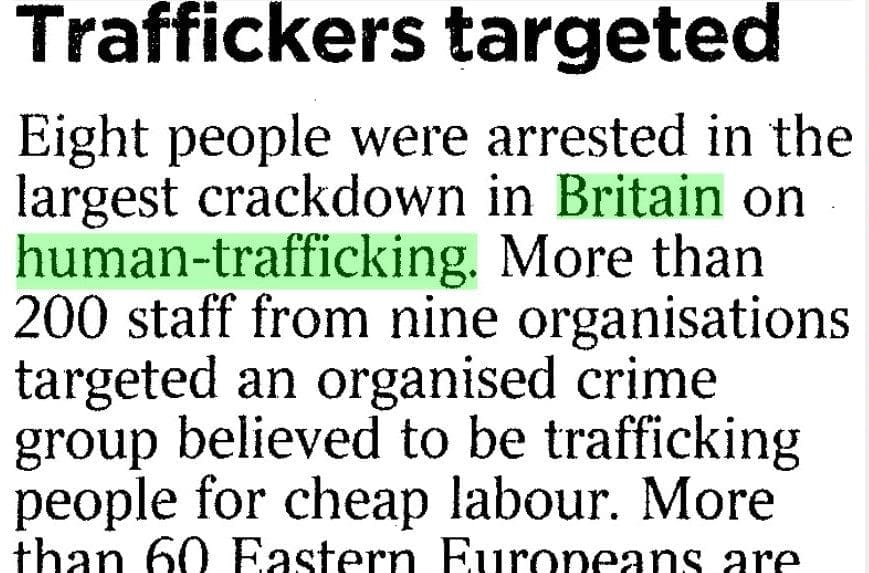
By Tiria Barnes, Gale Student Ambassador at the University of Liverpool

Despite slavery being outlawed in the nineteenth century, human trafficking – defined by the Tearfund as ‘the transporting or abduction of people for the purposes of exploitation, using coercion, fraud or deception’[1] – is still a prevalent problem in our world today. In 2015, it was estimated that the trafficking industry was worth 32 billion US dollars a year, which is equivalent to the GDP of Tanzania[2]. As the fastest growing business in the world, it has been suggested that every 30 seconds a child is trafficked[3]. I decided that it would be interesting to investigate human trafficking on a more local scale, and see how newspapers reported on Britain’s response to the problem. Using Gale Primary Sources, I was able to make some thought-provoking discoveries.
Read more

Newspaper reports on the bicentenary of the abolition of the slave trade

By Tiria Barnes, Gale Ambassador at the University of Liverpool

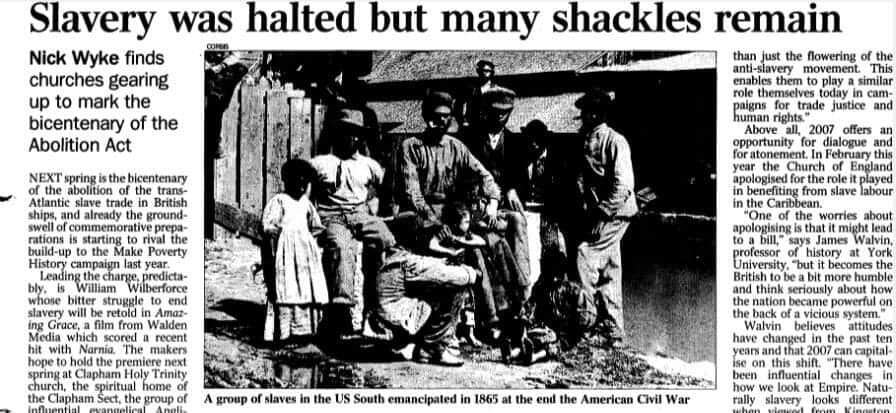
On the 25th of March 1807, the British Parliament passed the Abolition of the Slave Trade Act which prohibited the carrying of slaves in British ships. While it is important to note that this did not outlaw slavery itself, which came about in 1833 as a result of the Emancipation Act, 1807 was a significant step in the right direction. Two hundred years later, the UK commemorated the bicentenary of the act, and attempted to reflect on the brutality of slavery [1]. Using Gale Primary Sources, I thought it would be interesting to study how this was reported in the media, taking note of the ways in which newspapers depicted the actions taken by the UK as part of the commemoration.

Read more

Trouble in Toxteth: Representations of the 1981 Riots in Liverpool in the National Press

By Megan Murphy

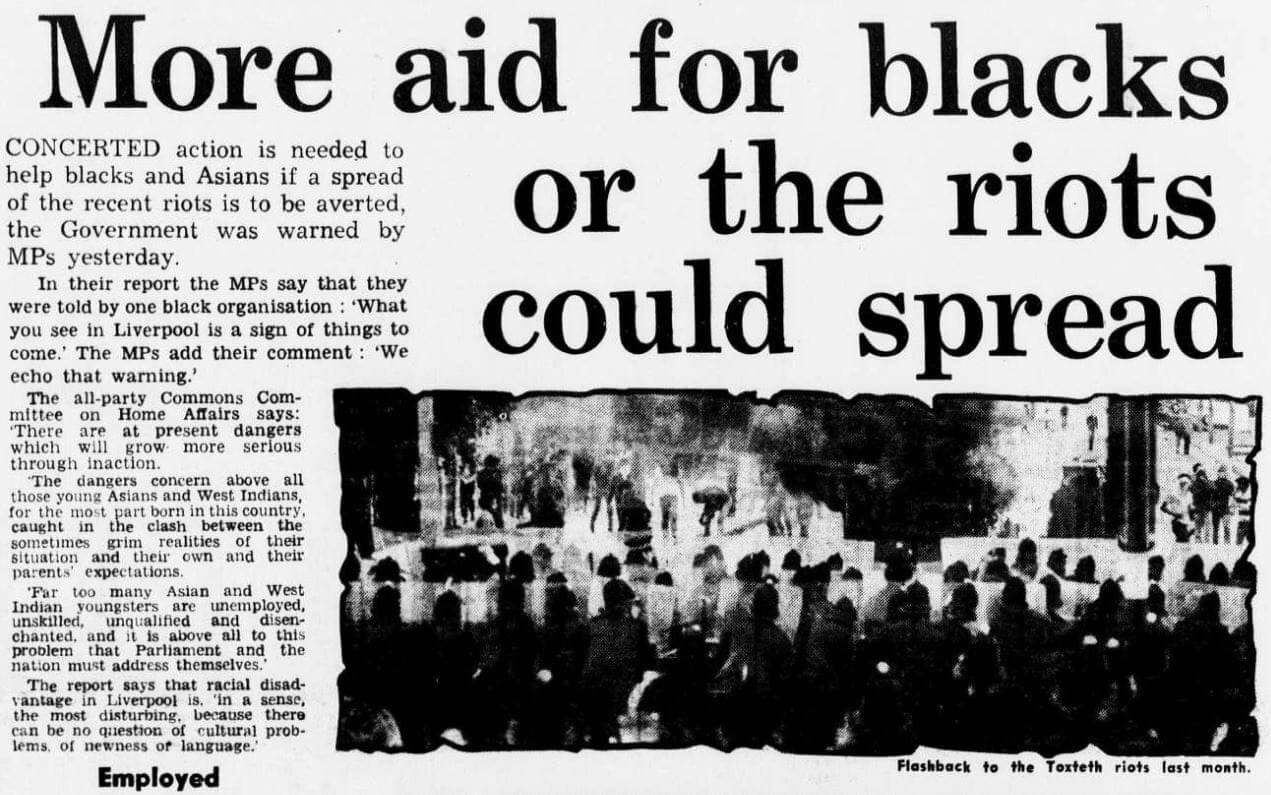
Although Toxteth (an inner-city area of Liverpool) is now a proud and diverse community – one that is home to many independent businesses, local street markets and an urban regeneration project that was awarded the Turner Prize in 2015 – it is an area with a troubled past. In July 1981, four consecutive days of rioting in Toxteth resulted in the hospitalisation of 258 police officers, 160 arrests, 150 buildings being burnt to the ground, and countless businesses looted, with more destruction and injuries in the weeks that followed.[1]

Read more

The Top Ten Most Random Articles Found, Using Gale Primary Sources

By Tiria Barnes

For this contribution to The Gale Review, I challenged myself to find the 10 most random sources I could in Gale Primary Sources. Armed with a cup of tea and the potential for banter I began to search, hoping to find some gems. I can safely say I was not disappointed!

Read more

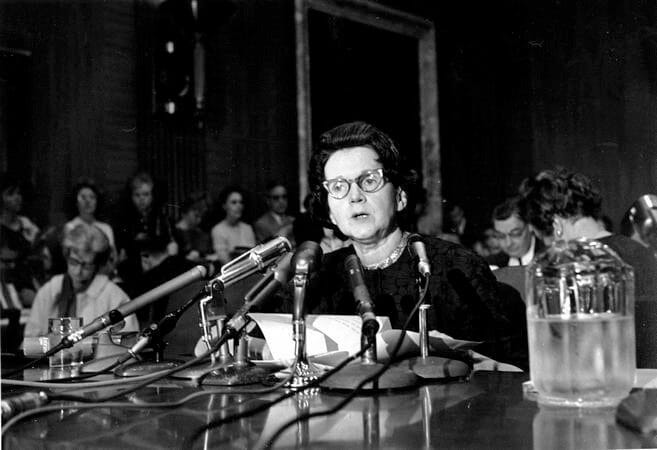
The roots of ‘ecocriticism’: Exploring the impact of Rachel Carson’s ‘Silent Spring’

By Anna Sikora:

Ecocriticism (environmental criticism) is not exactly new to the humanities, as it has been around for nearly a quarter of a century, but it is the latest to join the set of lenses – such as Marxism, Postcolonial theory and Feminism – through which students are invited to read literature. Do these theoretical frameworks enhance our understanding of literature and the creative process behind writing? Perhaps yes; perhaps no.

Read more

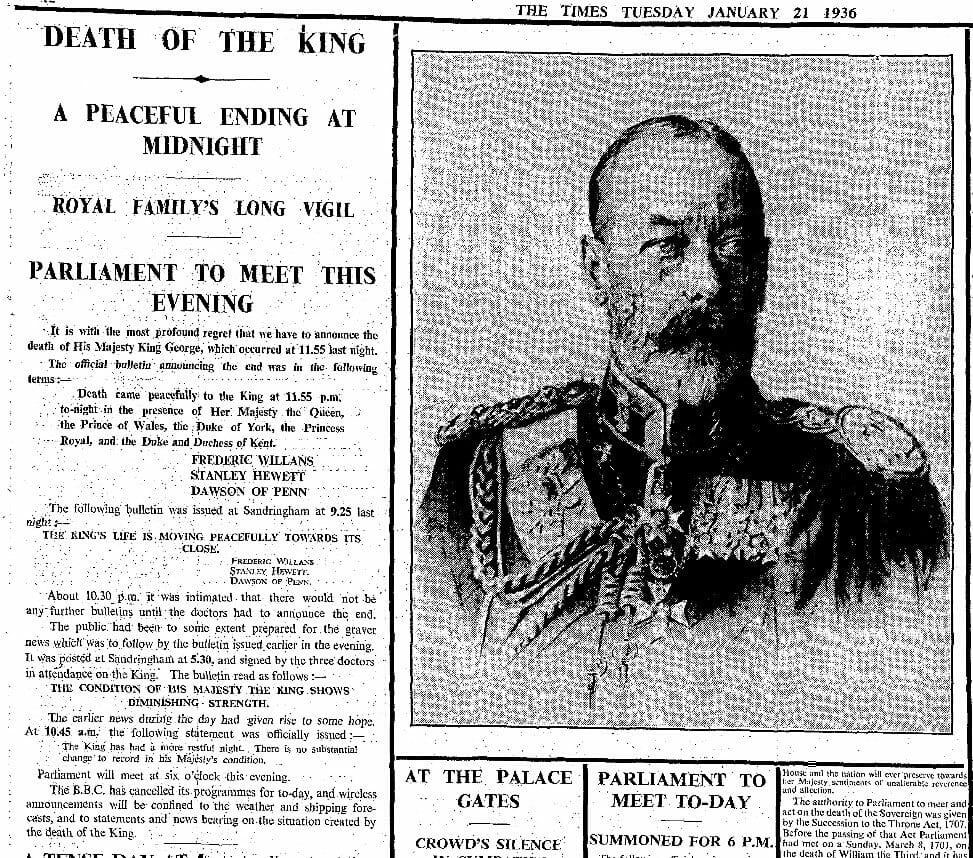
The Death of George V – As Reported First in The Times

When King George V died on 20 January 1936 the world was led to believe that he had died entirely of natural causes. Little did people know at the time that his death had been hastened by his physician in order to ensure that the news was reported first in The Times rather than the afternoon newspapers. It is a matter that can be explored with the help of Gale Primary Sources.

Read more

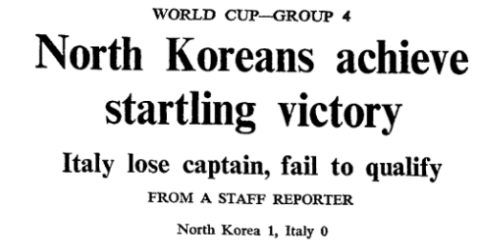
The Neutral’s Favourite: North Korea in the 1966 World Cup

If you have ever met an English football fan, you will understand why the year 1966 is inscribed into the cultural memory. World Cup tournaments are generally remembered for three things: the winning team, the star players, and the surprise package that the neutral fans get behind. While England’s victory and Eusebio’s brilliance provide the first two, the third – the North Korean team – has been lost to history.

Read more

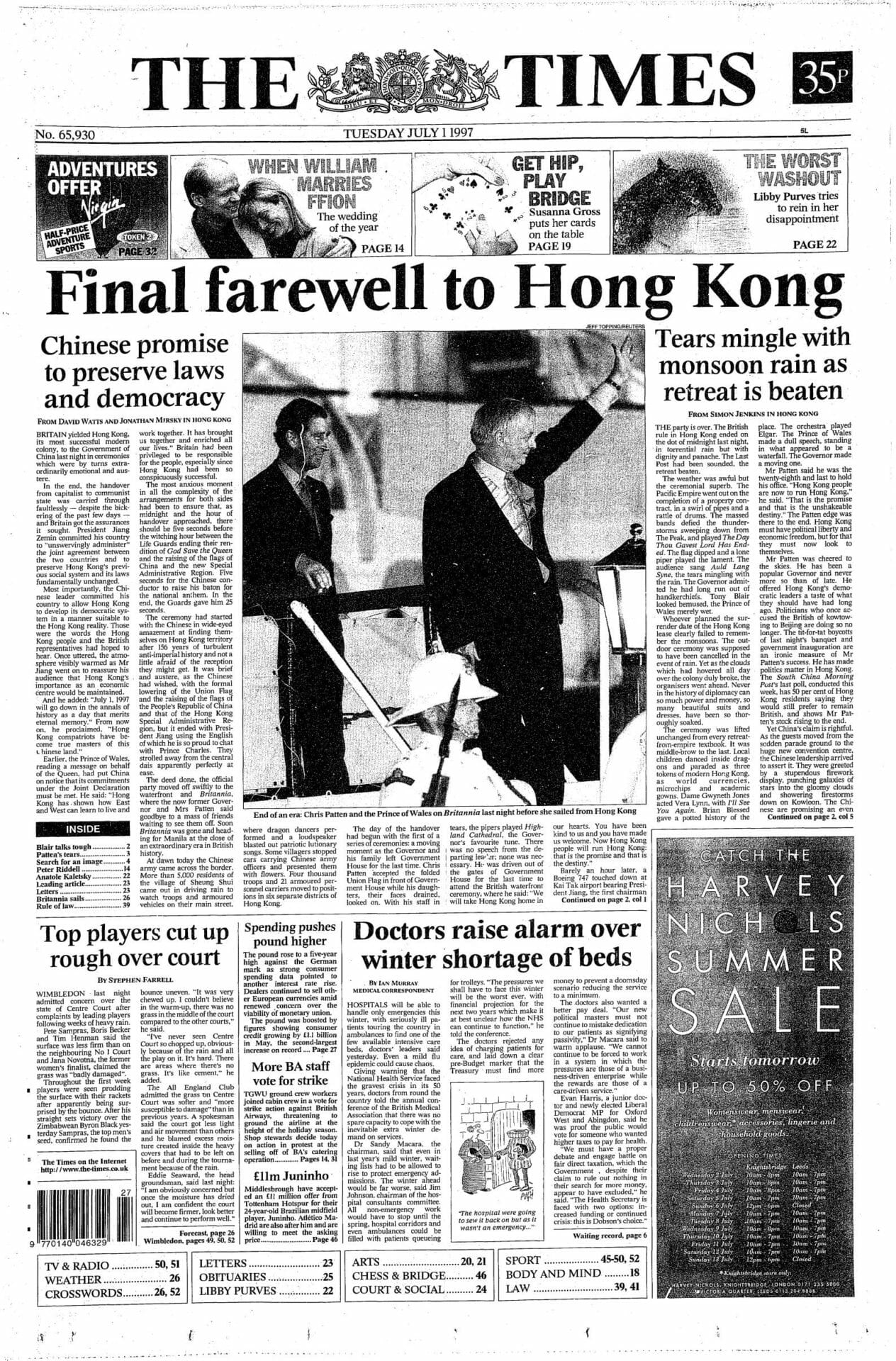
Tears, Cheers, The Archers, and Soy Sauce: The Hong Kong Handover of 1997

“History is not just a matter of dates. What makes history is what comes before and what comes after the dates that we all remember.” Chris Patten.

It will have been exactly twenty years, this coming weekend, since Chris Patten, the 28th and last British Governor of Hong Kong, gave his memorable speech at the ceremony marking the handover of the former British colony to China. Perhaps there was a tacit acknowledgment in Patten’s words that, actually, the Hong Kong handover was all about dates. Were it not for the clock ticking on the 99-year lease deadline for the New Territories, it is doubtful that the handover would have been negotiated as speedily and peacefully as it was.

Read more

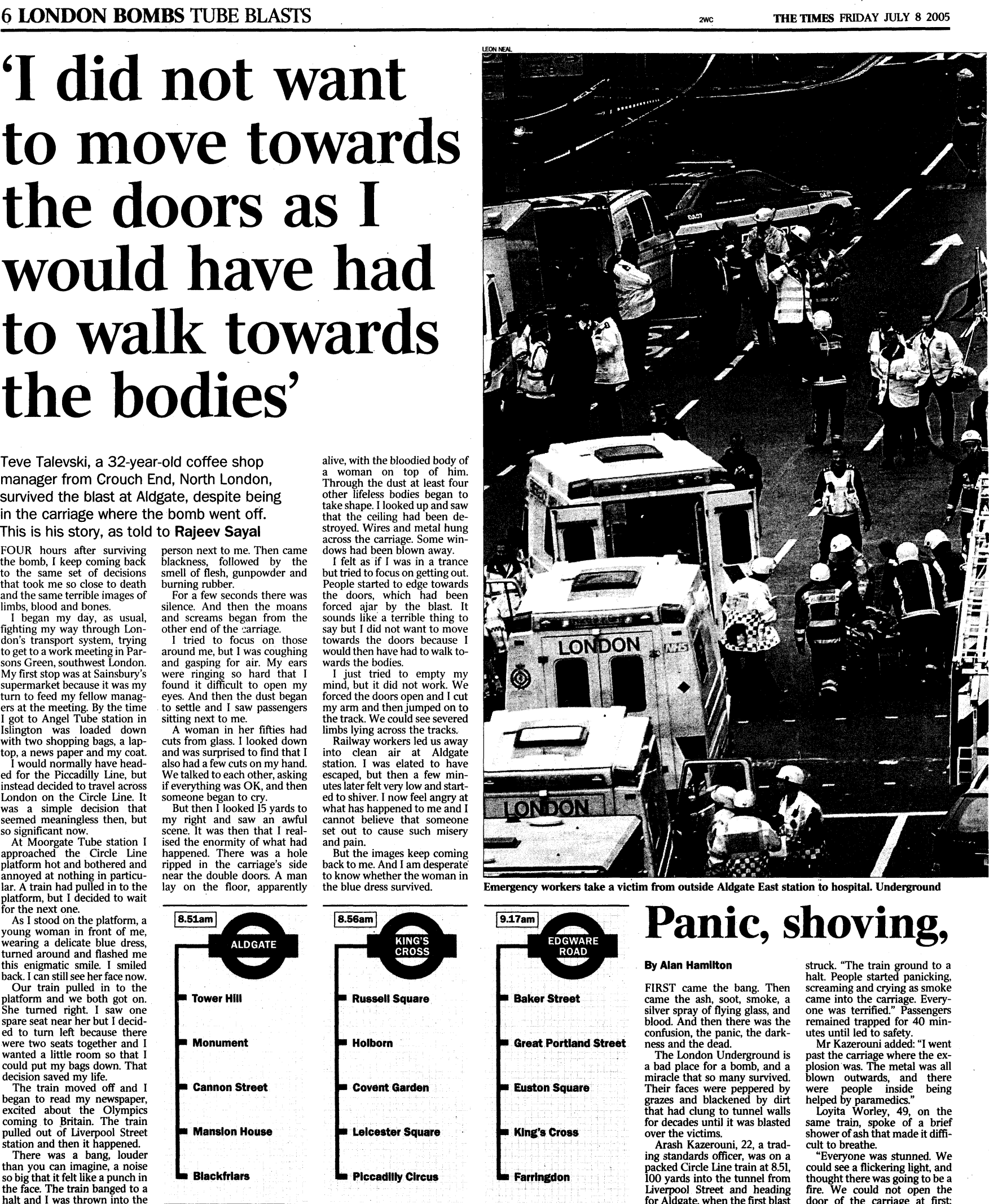
Exploring Coverage of Historic Terror Attacks in the News Using Gale Primary Sources

By Anita Klich, Gale Ambassador at the University of Portsmouth, UK

On 7 July 2005, four suicide bombers launched attacks in London, killing 52 people and injuring many more. Since then, the government has tightened national security to avoid further incidents of this kind. Unfortunately, over a decade later, the United Kingdom has again become a target for terrorists. In such difficult times, the media’s influence is especially significant, as the selection of stories and tone of the news can construct the public agenda and shape people’s views and opinions. To understand and observe the changes that have occurred in the news coverage of terror attacks in recent times, it is helpful to examine news articles from the first, biggest terrorist attack in London. I was able to explore coverage of the 7 July 2005 bombings in Gale Primary Sources.

Read more

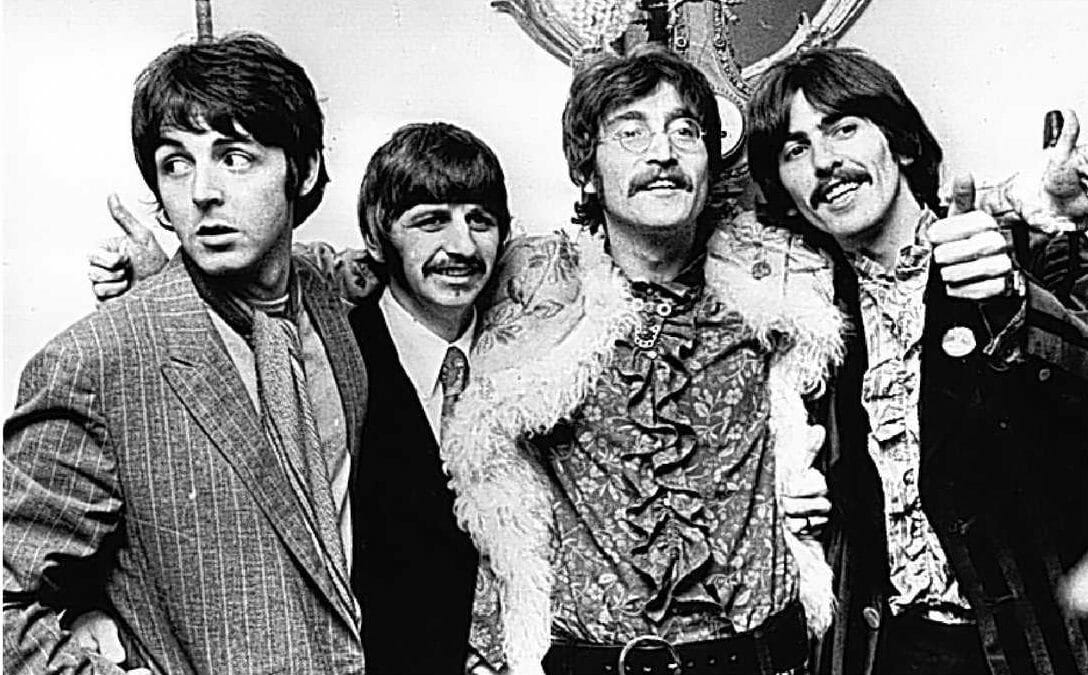
50 years ago today: celebrating the anniversary of ‘Sergeant Pepper’s Lonely Hearts Club Band’

“Garner, Richard, Education Editor. “‘Sgt Pepper’ guaranteed to raise a smile on GCSE syllabus.” Independent, 14 May 2015, p. 15. The Independent Digital Archive, tinyurl.galegroup.com/tinyurl/4rQeL0. © Independent Print Limited”

It was 50 years ago this week that The Beatles issued their ground-breaking album, Sergeant Pepper’s Lonely Hearts Club Band. The third biggest-selling album in the UK (and the top-selling when compilation albums are removed) [1] it remains one of the most influential and recognised albums 50 years after its release (although personally, I prefer Revolver). I took a look back through the collections in Gale Primary Sources to see what I could find out about this iconic album.

Read more