A Moment of Anguish: Revisiting the Separation of Singapore from the Federation of Malaysia Through British Library Newspapers

|By Liping Yang, Senior Manager, Academic Publishing, Gale Asia|

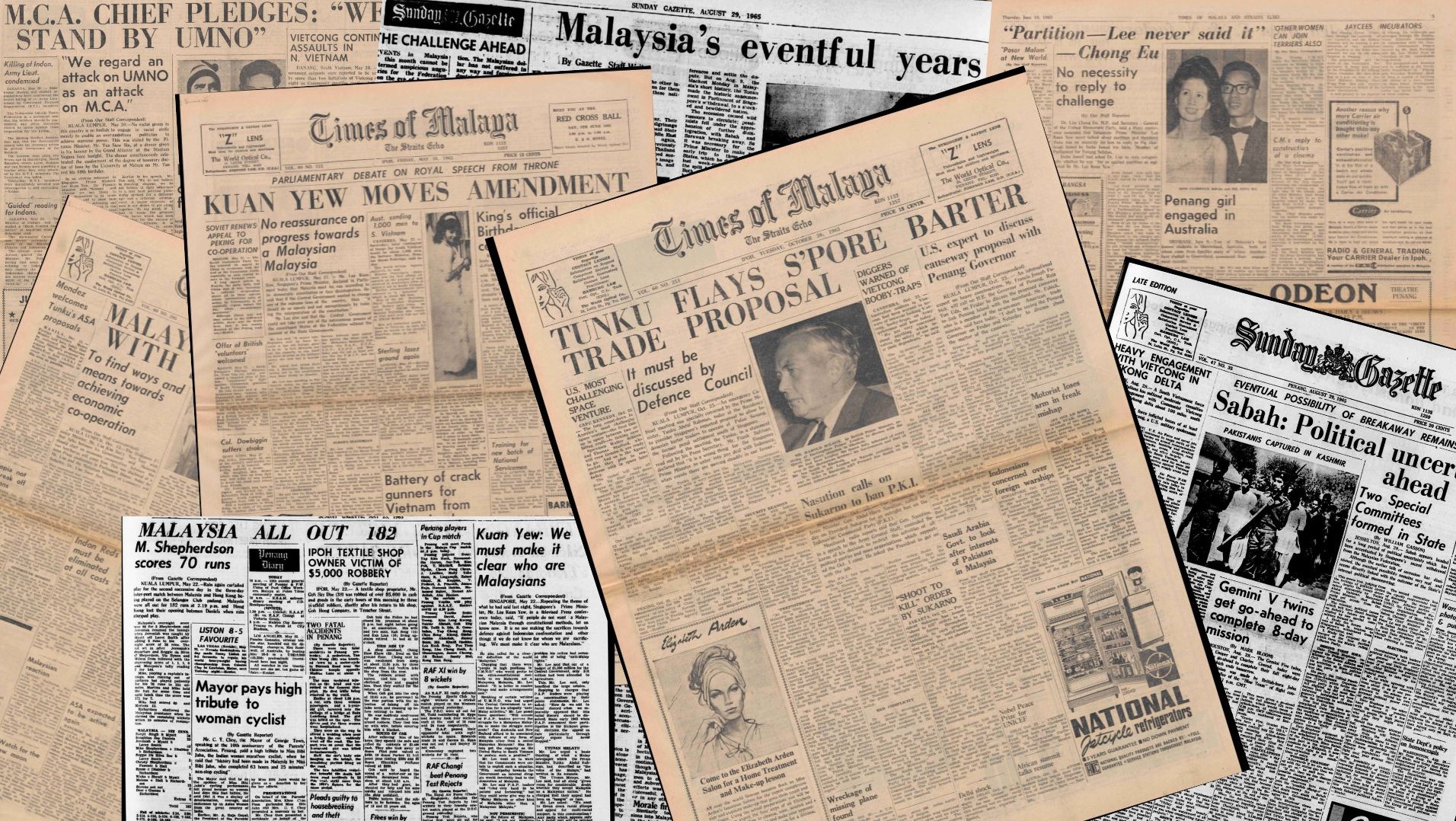
On the morning of August 9, 1965, a visibly shaken Lee Kuan Yew, prime minister of Singapore, stood before journalists and television cameras. His voice trembled and his eyes welled with tears when he talked about the moment when the agreement “which severed Singapore from Malaysia” was signed. For him, it was “a moment of anguish.” His words marked the beginning of a new chapter for Singapore—a moment that would redefine two nations.

Sixty years on, the emotional weight of that day still echoes through the region’s political and cultural memory. But what did ordinary people know at the time? How did newspapers report the unfolding crisis, and what voices emerged in the public sphere?

Read more

Tracing the History of Malaysia, Singapore, and Hong Kong through British Official and Non-Official Documents

By Liping Yang, Senior Manager, Academic Publishing, and Emma Harris, Associate Editor, Gale Primary Sources

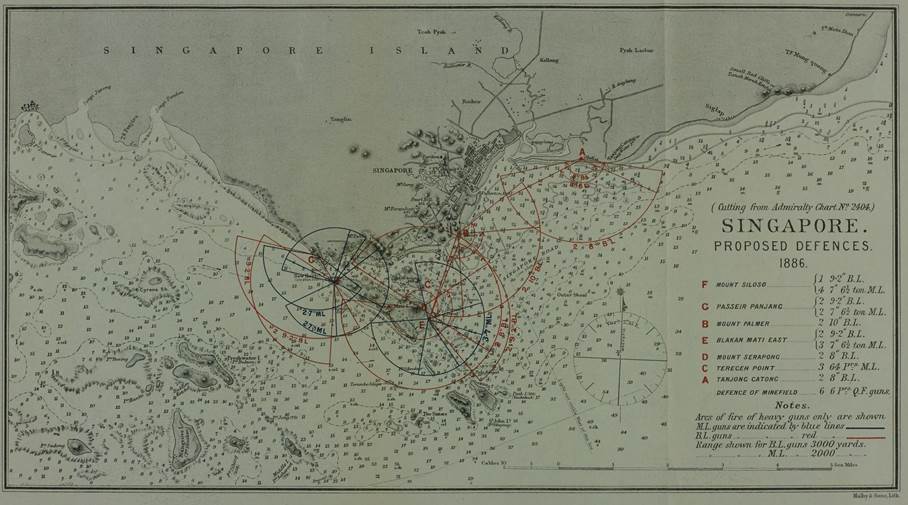
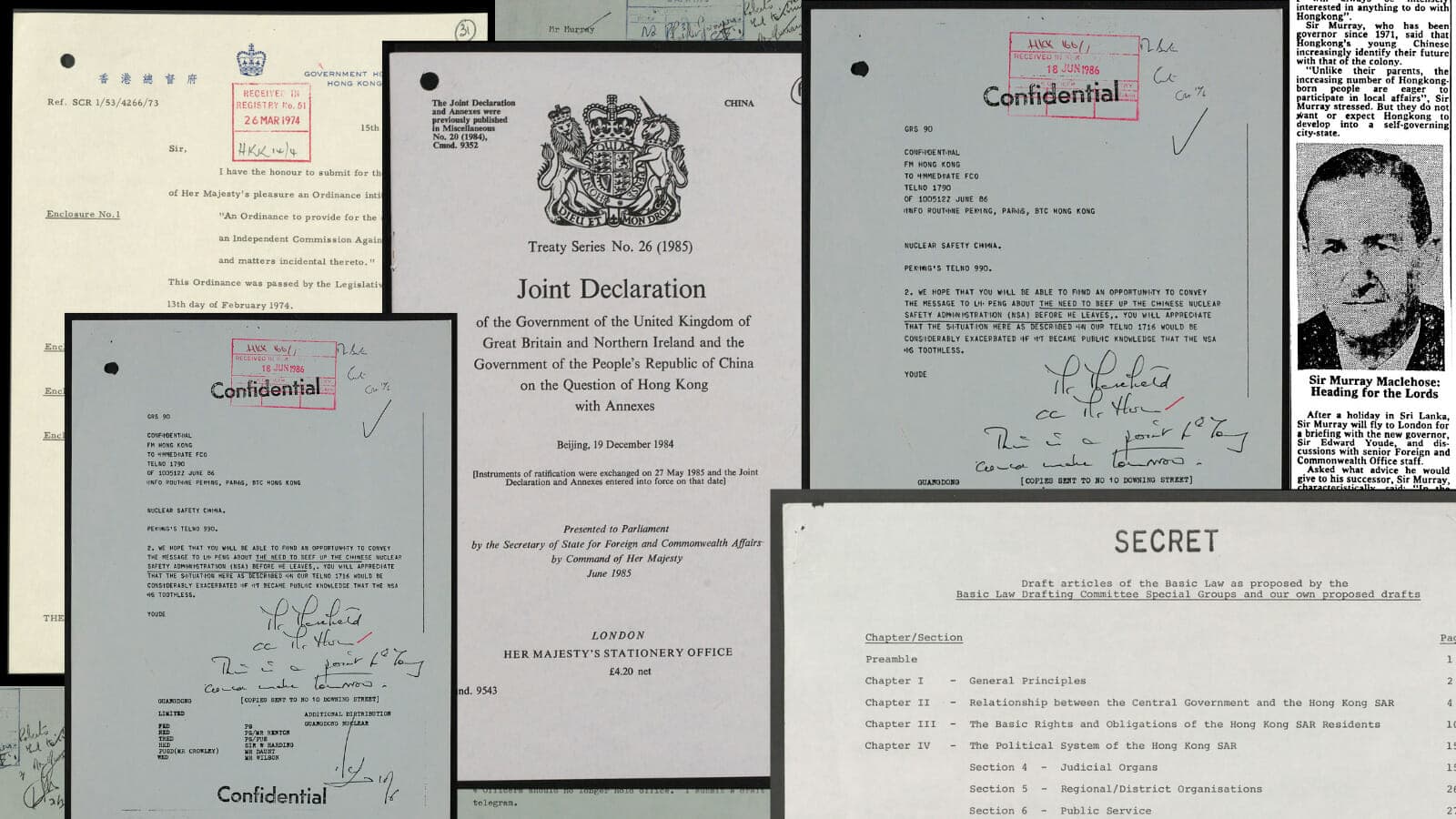
Gale has recently released Part IV in its State Papers Online Colonial: Asia series (SPOCA 4). This new module provides a perfect continuation of State Papers Online Colonial Asia Part I-III through a combination of major Colonial Office files featuring (East & West) Malaysia and Singapore as well as a curated collection of Hong Kong-related British official and non-official files selected from the archives of the Colonial Office, the Prime Minister’s Office, Cabinet Office, Ministry of Defence, and the British Council.

Consisting of around 380,000 pages of documents digitized from 15 series, this new module features a wide range of content types including correspondence, register of out-letters, registered files, government gazettes, sessional papers, and maps and plans, providing a wealth of valuable material for researching the history of Malaysia, Singapore, and Hong Kong as former British colonies between 1844 and 1997.

Read more

Treaty Ports and Modern China

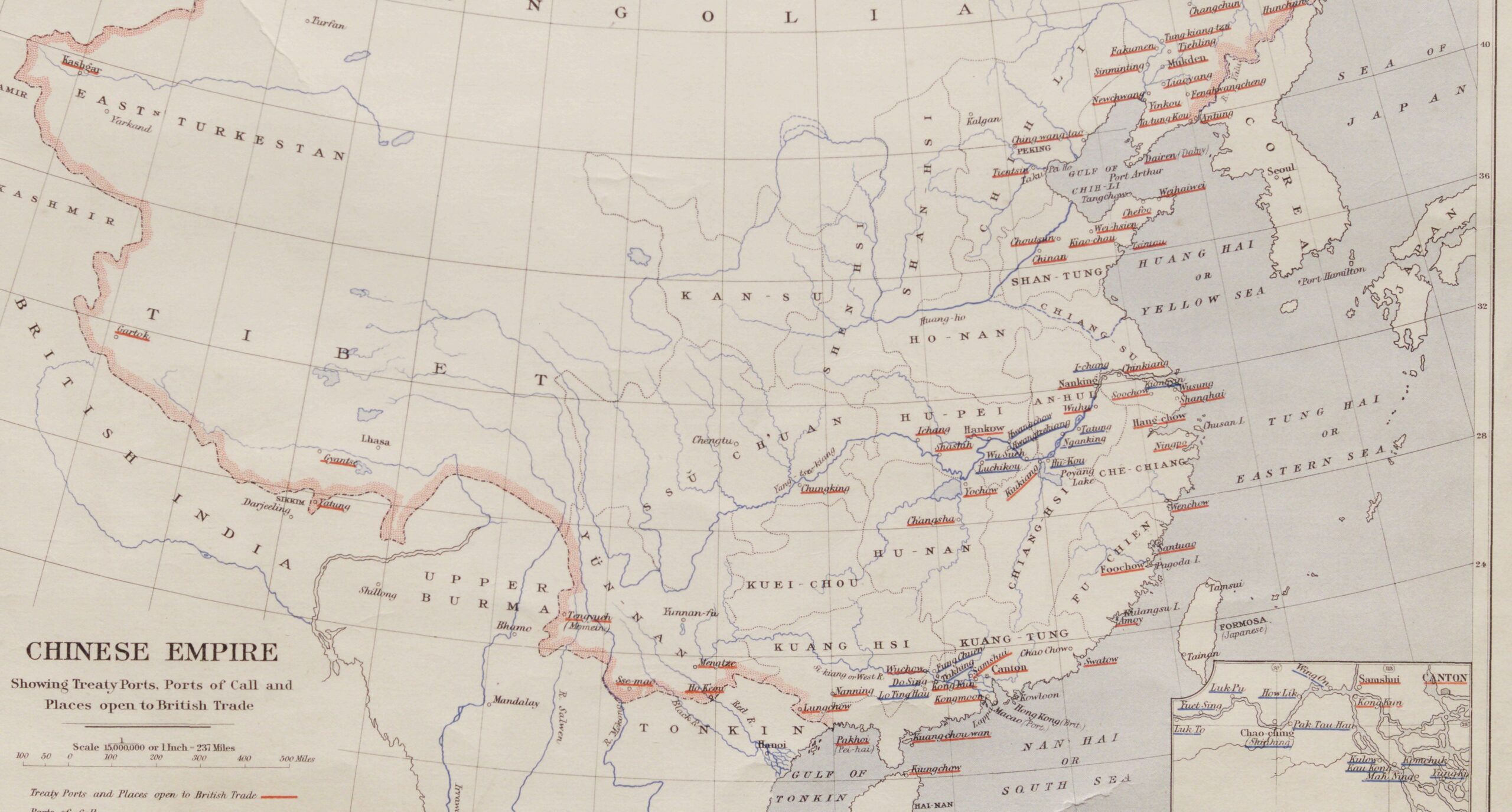
Map of China

|By Liping Yang, Senior Manager, Academic Publishing, and Lindsay Whitaker-Guest, Associate Editor, Gale Primary Sources|

Gale has just released China and the Modern World: Regional China and the West, 1759-1972. As the ninth instalment in the series, this new archive features a compilation of 39 series of mostly British Foreign Office (FO) files. These include general correspondence and registers composed by the British legation in Beijing as well as British consulates based in more than 20 Chinese coastal and inland treaty ports.

Also included are the private and semi-official correspondence of Sir Henry Pottinger, Sir John N. Jordan, and Lord Edmund Hammond as well as the records and photographs of the British concession in Tianjin. This post will explore a few of the topics and events which can be studied through this new archive.

Read more

The History of West Malaysia and Singapore as Refracted Through British Colonial Office Files

|By Liping Yang, Senior Manager, Academic Publishing, and Emma Harris, Associate Editor, Gale Primary Sources|

Please be aware that this blog posts includes primary sources which describe extensive violence and oppression; the decision to read the post is at your own discretion.


Gale Primary Sources State Papers Online Colonial: Asia digital archive welcomed its third instalment in September 2024 – State Papers Online Colonial: Asia, Part III: Malay States, Malaya, and Straits Settlements – providing a continuation of and perfect complement to Part II through a thematic collection on the history of West Malaysia and the earlier history of Singapore.

Made up of mostly original correspondence, as well as two series of maps and plans, and a series of historical photographs, Part III contains over 625,000 newly scanned pages from twelve Colonial Office series sourced from The National Archives, UK.

Read more

China and Australia: Trade, Migration, and Politics in the Nineteenth to Early Twentieth Centuries

│By Liping Yang, Senior Manager, Academic Publishing│

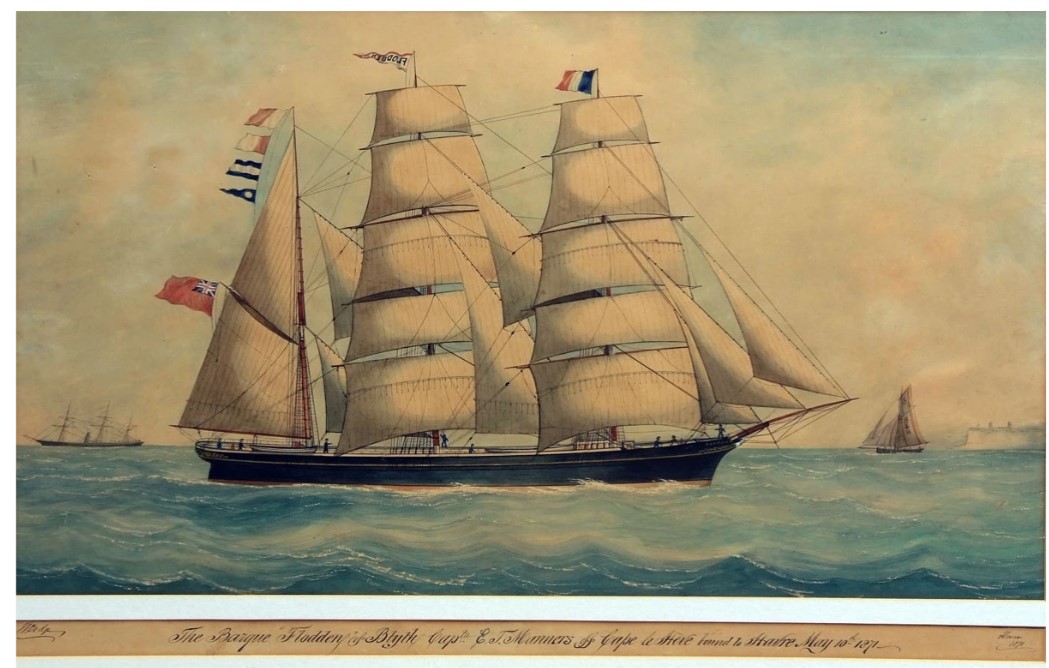
The Flodden was a barque or three-masted sailing ship originally constructed in Britain and later sold to Australia and registered in Melbourne. On June 22, 1883, the ship departed from Fremantle, Western Australia, bound for Shanghai, carrying a cargo of 806 tons of sandalwood.

Unfortunately, on August 23, the ship ran aground near Nanhui, which is now a district of Shanghai. The captain, William Smith, made the decision for the crew to abandon the ship the following day and it was looted by some locals.

Read more

Uncovering the History of Twentieth-Century Hong Kong, China, and the World

Hong Kong header

|By Liping Yang, Senior Manager, Academic Publishing, Gale|

Gale released China and the Modern World: Hong Kong, Britain, and China Part 1, 1841–1951 in August 2019. During that summer and subsequent months, Hong Kong made the headlines of international media due to a series of large-scale mass protests launched against the government’s introduction of a bill to amend the Fugitive Offenders Ordinance with regard to extradition. The protests turned into riots and plunged the city into political conflict, which did not end until after the outbreak of COVID in 2020. Such protests or riots are nothing new in the history of Hong Kong. Actually, in 1967, a series of riots of comparable scale swept across the city, leading to violent confrontation between the rioters and police, and causing mass arrests and injuries. Such riots constitute just one of the many topics covered by the just released Hong Kong, Britain, and China Part 2, 1965–1993, the seventh module in Gale’s China and the Modern World series of digital archives.

Read more

The Bowring Treaty and the Opening up of Thailand

Map of Siam

│Liping Yang, Senior Manager, Academic Publishing, Gale Asia│

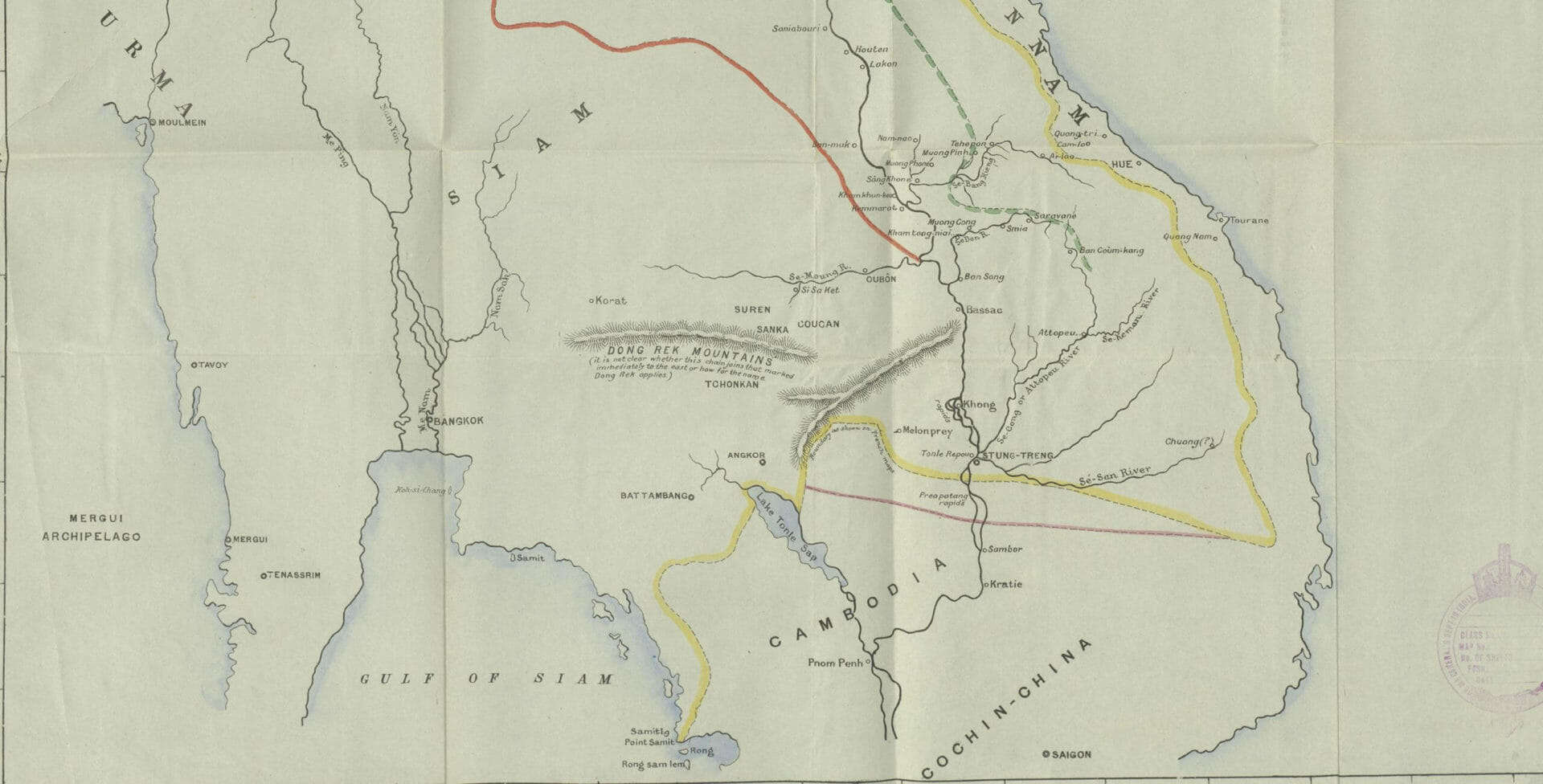
Siam (now known as Thailand) had long been a tribute nation of China’s Qing empire. However, the signing of the Treaty of Friendship and Commerce between Great Britain and Siam in 1855 opened a new chapter in the history of this Southeast Asian nation and its relationship with China and Western powers represented by Britain. This blog post retells the interesting stories behind the signing of this historic treaty through some invaluable primary source materials discovered in China and the Modern World: Imperial China and the West Part 1, 1815-1881

Read more

Rediscovering China and the World in the Nineteenth Century, Part II

China and the Modern World
Learn more about China and the Modern World: Imperial China and the West Part II, 1865–1905 in this blog post – or register below for a live webinar!

|By Liping Yang, Publishing Manager, Digital Archive and eReference, Gale Asia|

Gale has recently released China and the Modern World: Imperial China and the West Part II, 1865–1905. Consisting of volumes 873–1768 in the highly acclaimed FO 17 series of British foreign office files plus seven volumes of Law Officers’ reports relating to China from FO 83, Part II covers the latter half of the nineteenth century (see my first blog post about this module – Rediscovering China and the World in the Nineteenth Century for the main topics covered in Part I). The complete Imperial China and the West provides a vast and significant primary source archive for researching every aspect of Chinese-Western relations from 1815 to 1905.

Here, with the help of Handwritten Text Recognition (HTR) technology, researchers will be able to conduct full-text searches across more than one million pages of manuscripts relating to the internal politics of China and Britain, their relationship, and the relationships among Britain and other Western powers—keen to benefit from the growing trading ports of the Far East—and China’s neighbours in East Asia, South Asia, and Southeast Asia. Imperial China covers a wide range of topics including diplomacy and war, trade, piracy, riots and rebellions, treaty ports, Chinese emigration, and railway building. In this blog post I’ll walk you through some of the fascinating topics and themes covered in the approximately 600,000 pages of manuscripts included in Part II.

Read more

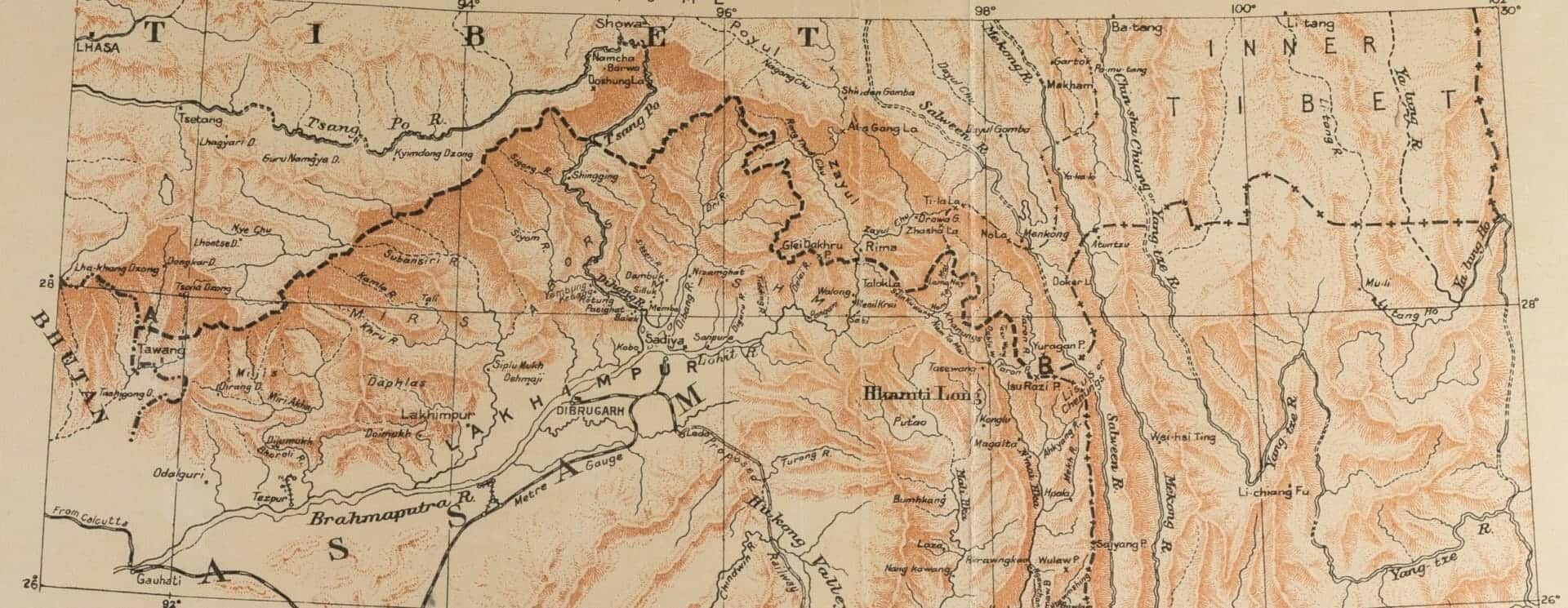
Simla, McMahon, and the Origins of Sino-Indian Border Disputes

McMahon Line

|By Liping Yang, Publishing Manager, Digital Archive and eReference, Gale Asia|

From May 2020 to February 2021, Chinese and Indian border troops engaged in melee, face-offs, and skirmishes along the Sino-Indian border near the disputed Pangong Lake in Ladakh and the Tibet Autonomous Region, as well as near the border between Sikkim and the Tibet Autonomous Region. This series of disputes has resulted in numerous casualties, attracting worldwide attention in the midst of the COVID-19 pandemic.

Such border disputes are nothing new. Three years prior to this in June 2017, the troops of the two countries had a border standoff in Doklam, a strategic location near a trijunction border area involving China, India, and Bhutan. Actually, China and India even went to war between October–November 1962 over their disputed Himalayan border.

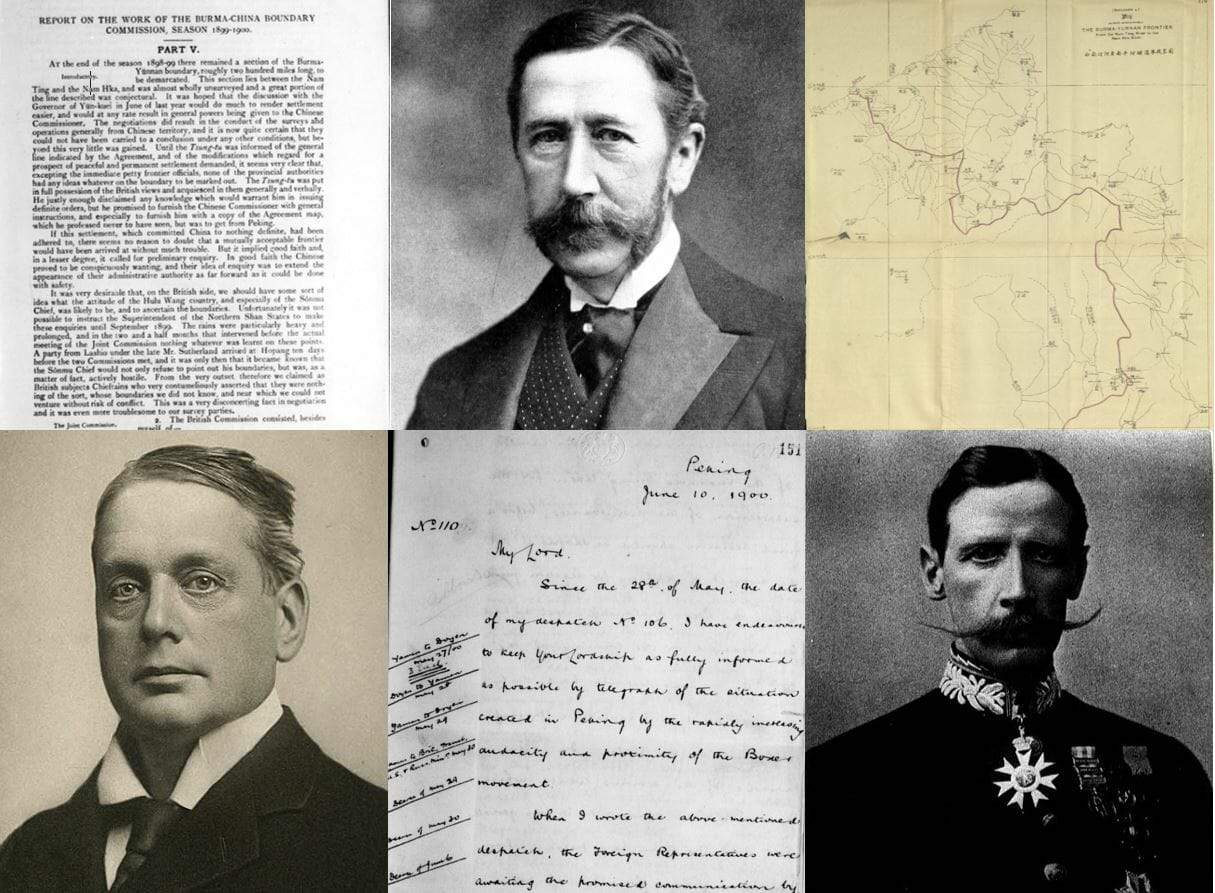
Many of these border disputes and clashes can be attributed to the controversial McMahon Line. What is this line? And how did it come about? We can find some illuminating historical records on this in China and the Modern World: Diplomacy and Political Secrets, 1868-1950, a collection of rare historical materials selected from the India Office Records now held at the British Library.

Read more

Rediscovering China and the World in the Nineteenth Century

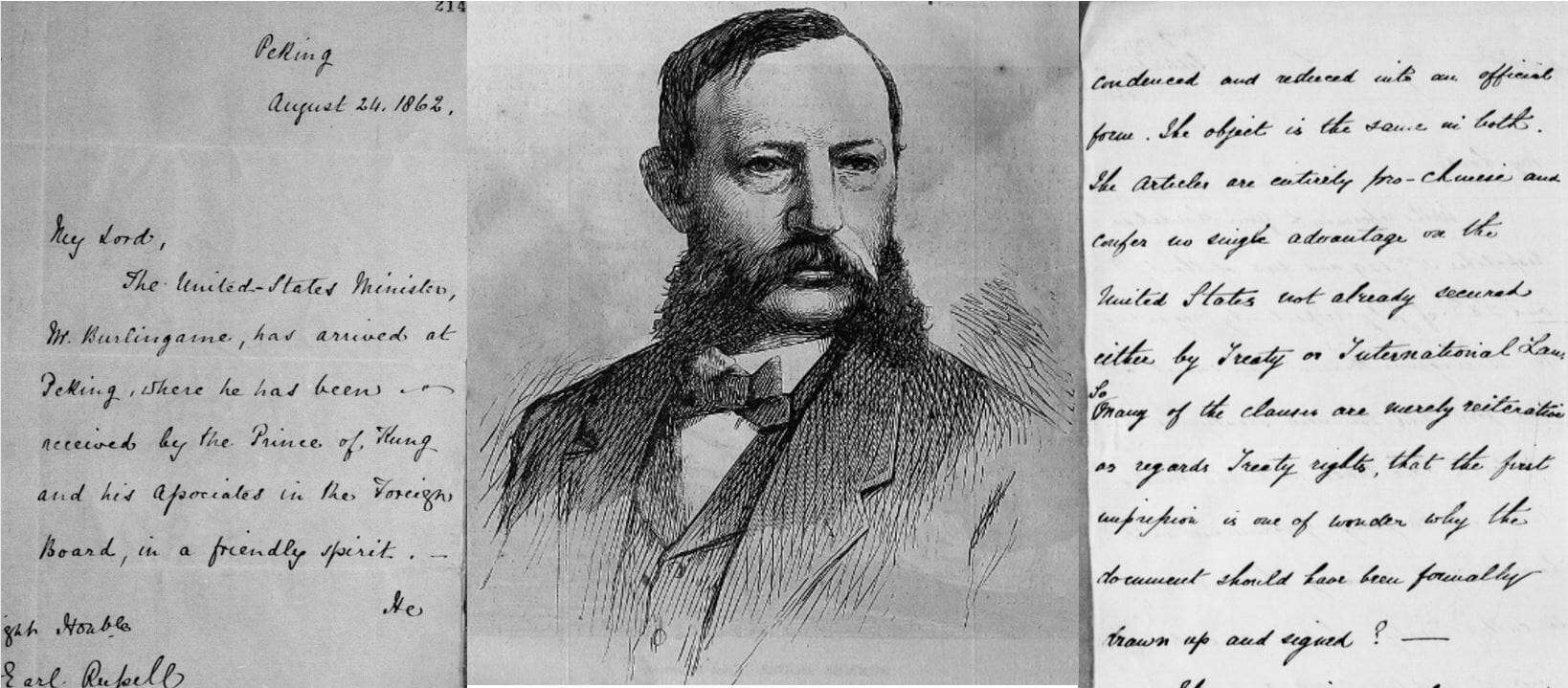
Anson Burlingame and relevant handwritten letters

│By Liping Yang, Publishing Manager, Digital Archive and eReference, Gale Asia│

US–China relations have been somewhat strained in recent years – a situation that may not be easily resolved by Joe Biden’s administration. This difficult period in the history of American and Chinese relations started when the US raised tariffs on Chinese imports, triggering China to impose retaliatory tariffs on US products. This trade conflict later escalated into a confrontation on many fronts, including technology. Many people have been racking their brains about how to ease the tensions. We can draw inspiration from the past by examining interesting historical records which show positive diplomatic relations between the two nations. Many such records are included in Gale’s digital archive collection China and the Modern World: Imperial China and the West Part 1, 1815-1881.

Read more