
From the Physical-to-Digital Archive and Back: A Gale Fellow’s Account of Trials and Errors

│By Vanessa Bateman, ESEH-Gale Fellow│

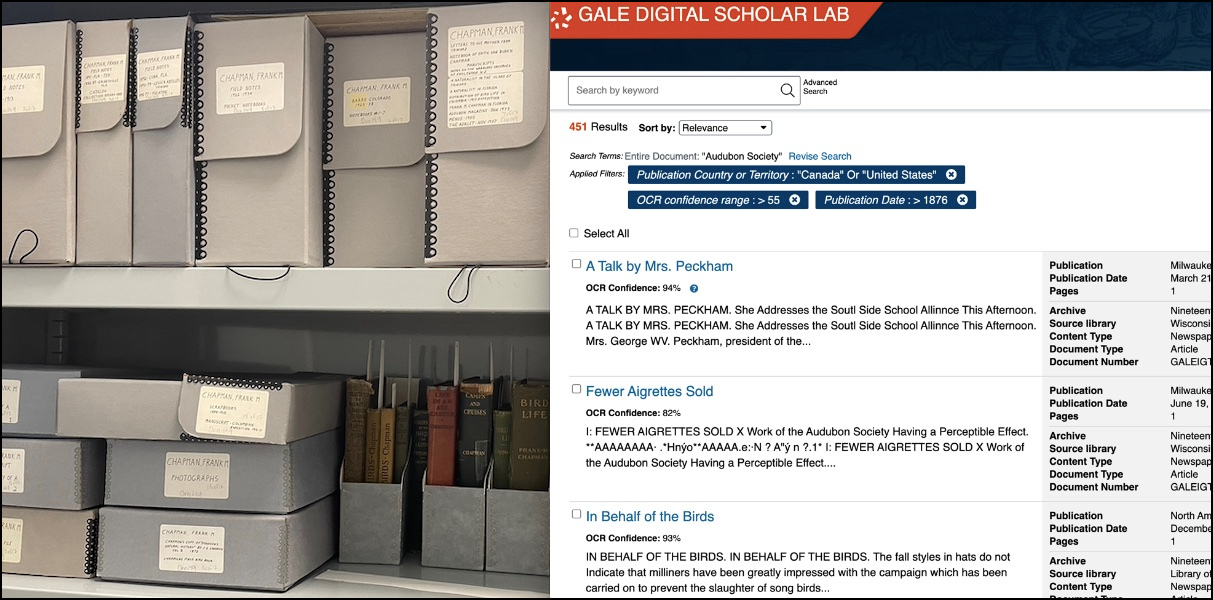
When I received the 2024/2025 ESEH-Gale Non-Residential Fellowship in Digital Environmental History I was just starting the early stages of my first solo book project. I had done enough research to develop my book’s main themes, structure, and research questions, but I had not started the writing process because I still had some gaps to fill.

As someone new to the Digital Humanities (DH), I applied to the Gale Fellowship because I wanted to learn how DH methodologies could elevate my research and eventually expand my output beyond a traditional academic book. As a Gale Fellow, I received training in different research and analysis methods that could be achieved in Gale Digital Scholar Lab, and access to the Gale Primary Sources.

Below I share an account of how I had to problem solve and pivot my research in the digital space, and some findings I made that will be useful in the future. Sharing moments when research didn’t go according to plan, I believe, is just as important as a polished finished project.
Read more

The Anniversary of the Sinking of the Titanic – Who Was Bruce Ismay?

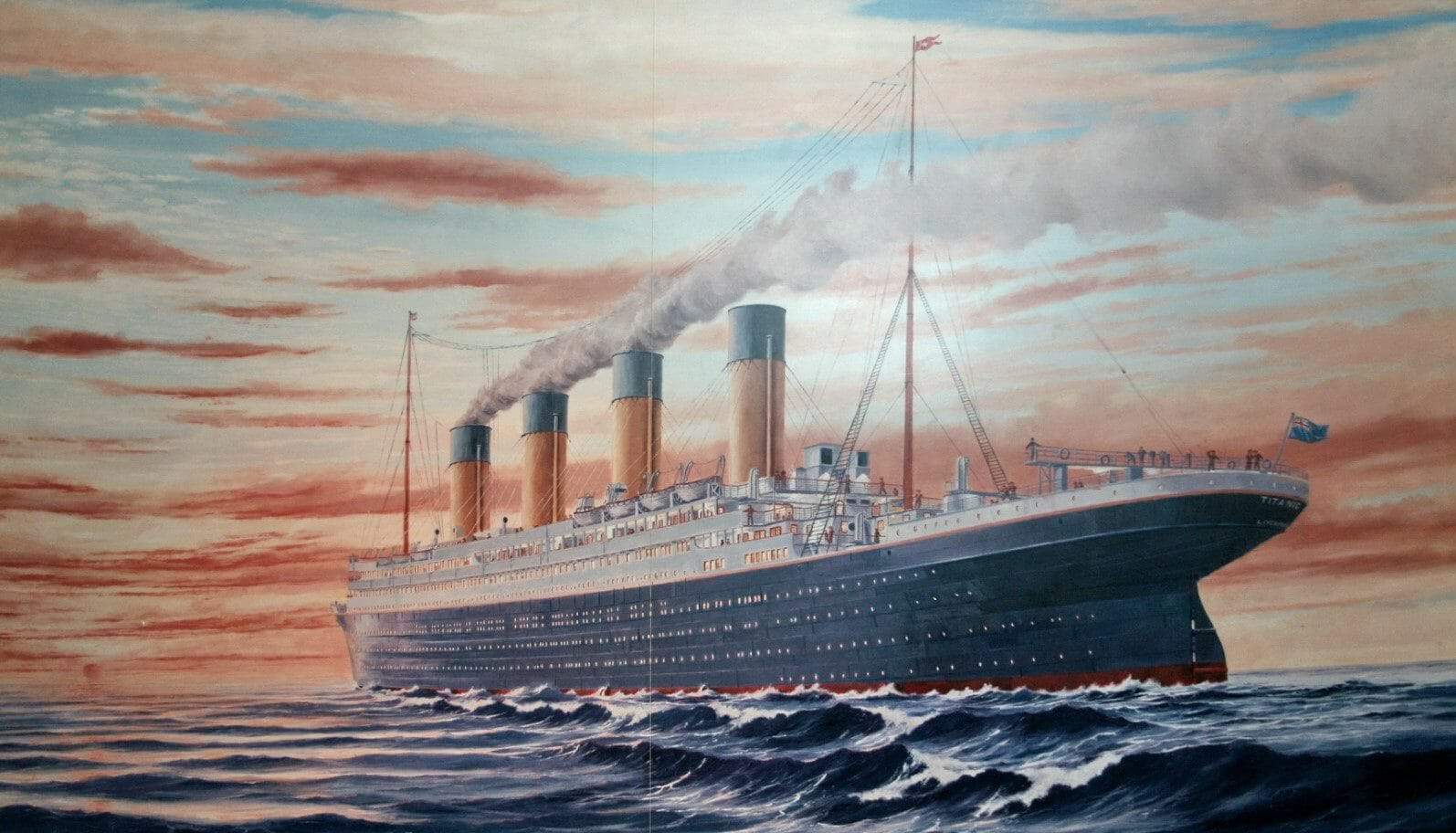
Titanic (photo of drawing)

│by Chloe Villalon, Gale Ambassador at the National University of Ireland Galway│

Often students such as myself have a broad idea of the topic they’re interested in, but they’re not sure which angle to take. In these cases it might be helpful to talk to a friend, professor or peer who may provide interesting insight or suggestions. Gale Primary Sources is also a great platform to find both ideas and articles – you can turn to it when you’re still looking for a topic or when you have a defined notion of what you’re looking for and want to dig deeper. In this blog post I will show you how you can use different tools to go from having a vague topic, to developing an angle, to writing a narrative or argument.

Read more

“This is all mind-boggling stuff”: The Reception of A Brief History of Time

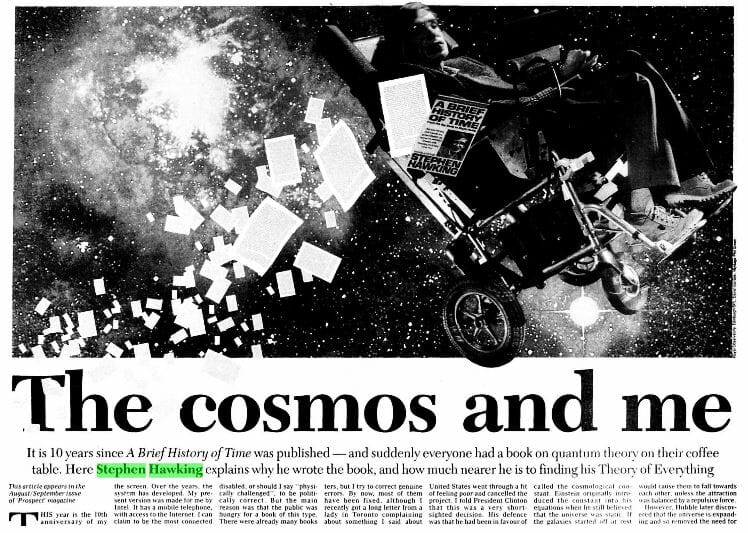
the cosmos and me

On January 8th 2017, Professor Stephen Hawking celebrates his 75th birthday. Few scientists have such a strong place in the popular imagination, being the subject of numerous media from Hollywood films to documentaries to books, among many others. For 30 years he held the post of Lucasian Professor at Cambridge University, a chair held by no less than Sir Isaac Newton, filling some rather large shoes.

Read more