
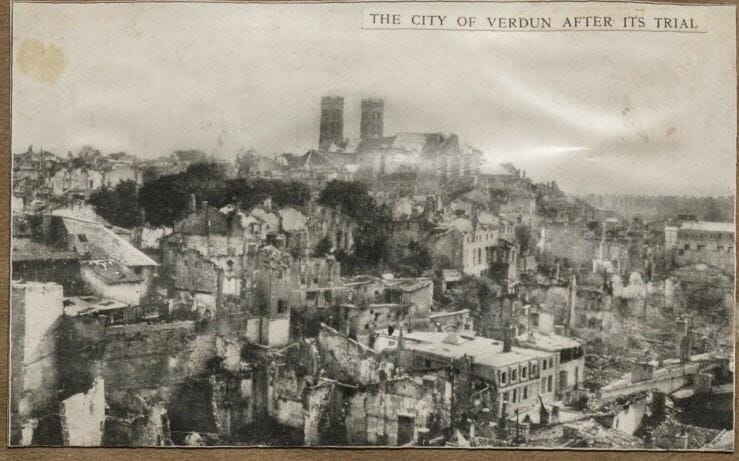
It is widely regarded as the battle of the First World War; an enormous clash of attrition which epitomised the bloody stalemate of the war. The ten-month Battle of Verdun began 100 years ago, with German Chief of Staff General von Falkenhayn seeking to ‘bleed France white’ by launching an all-out attack on the narrow stretch of land at Verdun. Over a thousand German artillery guns fired upon the vastly inferior number of French troops – they had just 30,000 men, against 140,000 Germans – along a six-mile stretch of the French front. The battle which followed was to last for over 300 days. By looking at personal sources from Nineteenth Century Collections Online, the sheer scale of this part of the conflict is clear to see.
Topic Categories
Romantic Writing: The History of Valentine’s Cards

Valentine’s Day, occurring this coming weekend in many countries, is an increasingly popular phenomenon worldwide. The date, style and manner of recognising the event can differ greatly by location, but aspects of the tradition can now be found on all continents, and in many places it is associated with the exchange of cards. An article in Gale’s Gale Academic OneFile suggests that, according to the Greeting Card Association, one billion cards are now sent each year, making Valentine’s Day ‘the second-largest card-sending holiday of the year, surpassed only by Christmas.’[1]
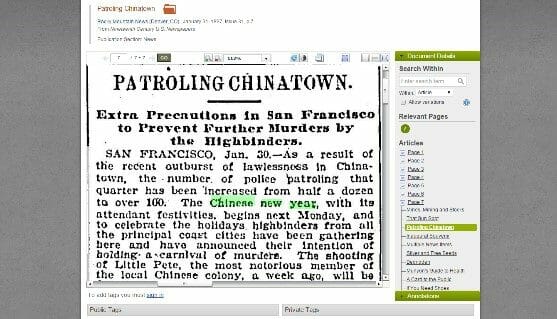
Chinese New Year has arrived!

Cracking the Enigma Code: The Daily Telegraph’s Crossword Challenge
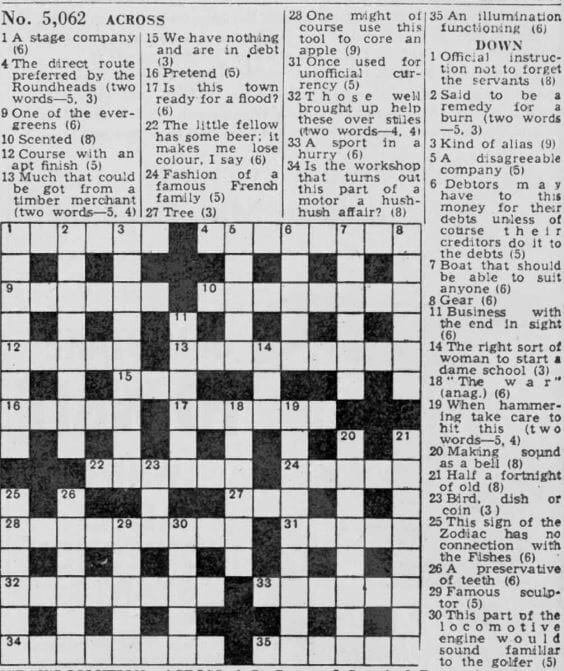
The Daily Telegraph newspaper is known for its ‘high tone’ and has acquired a reputation for being ‘serious, popular and pioneering’ over the years. A sign of its status can be traced back to the Second World War, where its editor’s willingness to depart from convention ensured the newspaper’s critical involvement in the War’s outcome. For the newspaper did not simply stand back and report on events, although the work of first female war correspondent Clare Hollingworth should not be downplayed, but unwittingly engaged itself in the Allied cause.
Marking Columbus’s First Journey
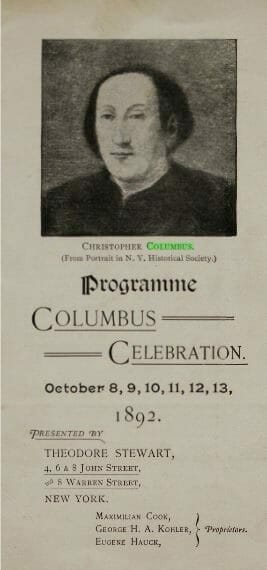
Working for a US-based company like Gale, a part of Cengage Learning, it is hard to escape the fanfare of nationwide ‘federal holidays’. Far more interesting – and, seemingly, more commonplace – than the various ‘bank holidays’ we have here in the UK, the US recognises eight official federal holidays. Yet when I noticed that Columbus Day was pencilled in on my email calendar for 10th October 2016, I was surprised to learn that it was not, in fact, considered one of those eight holidays. In 2013, just 24 states observed the holiday. A mark of the re-evaluation of Columbus’s influence upon America and, for many, the effects upon indigenous ways of life, Columbus Day is today a far more contested occasion than it once might have been. With January marking 524 years since Columbus was granted the funds to finally embark upon his first voyage, I was spurred to delve into Gale’s digital archival collections to see if I could detect a change in mood towards Columbus Day observance.
Occupying Alcatraz: The Native American Experience Then and Now
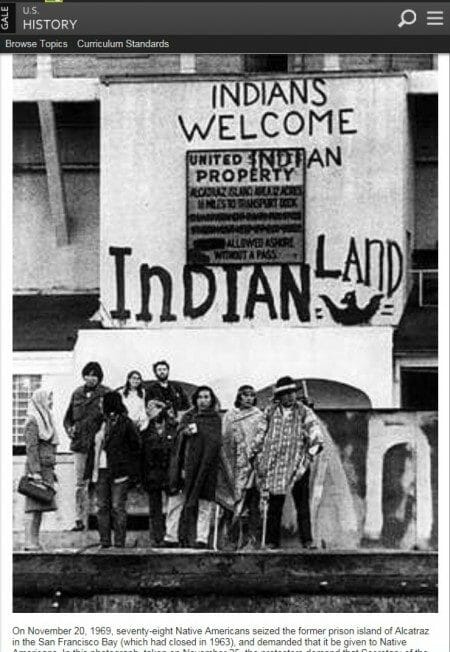
Whilst the media widely documents the racial tensions still present in American society, there tends to be greater coverage of the plight of African Americans, leaving other racial and ethnic minorities under-represented. Given that this Friday, 20th November, is an anniversary of the day a group of Native Americans occupied Alcatraz island to highlight what they claimed to be historical and contemporary exploitation of Indian rights by successive governments, it seems opportune to spend time exploring Gale’s databases and archives to find out what occurred 46 years ago, and what it means for Native Americans today.