
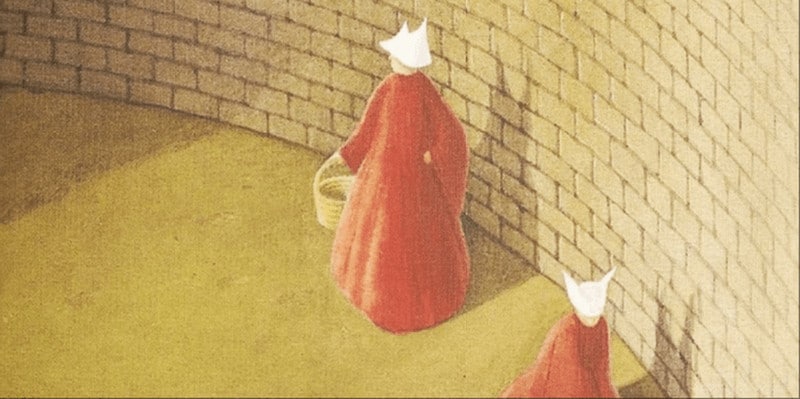
The Handmaid’s Tale is a new TV series on Channel 4 in the UK, and it’s getting a lot of attention. The Guardian calls it a “timely adaptation [that] scares with dystopian dread.” USA Today dubs it “a wake-up call for women.” James Poniewozik from The New York Times says, “It is unflinching, vital and scary as hell.”
Gale Review Team
The World’s Fair Set to Return to the US!
By Kevin Kohls, Associate Marketing Manager – Academic, Gale USA
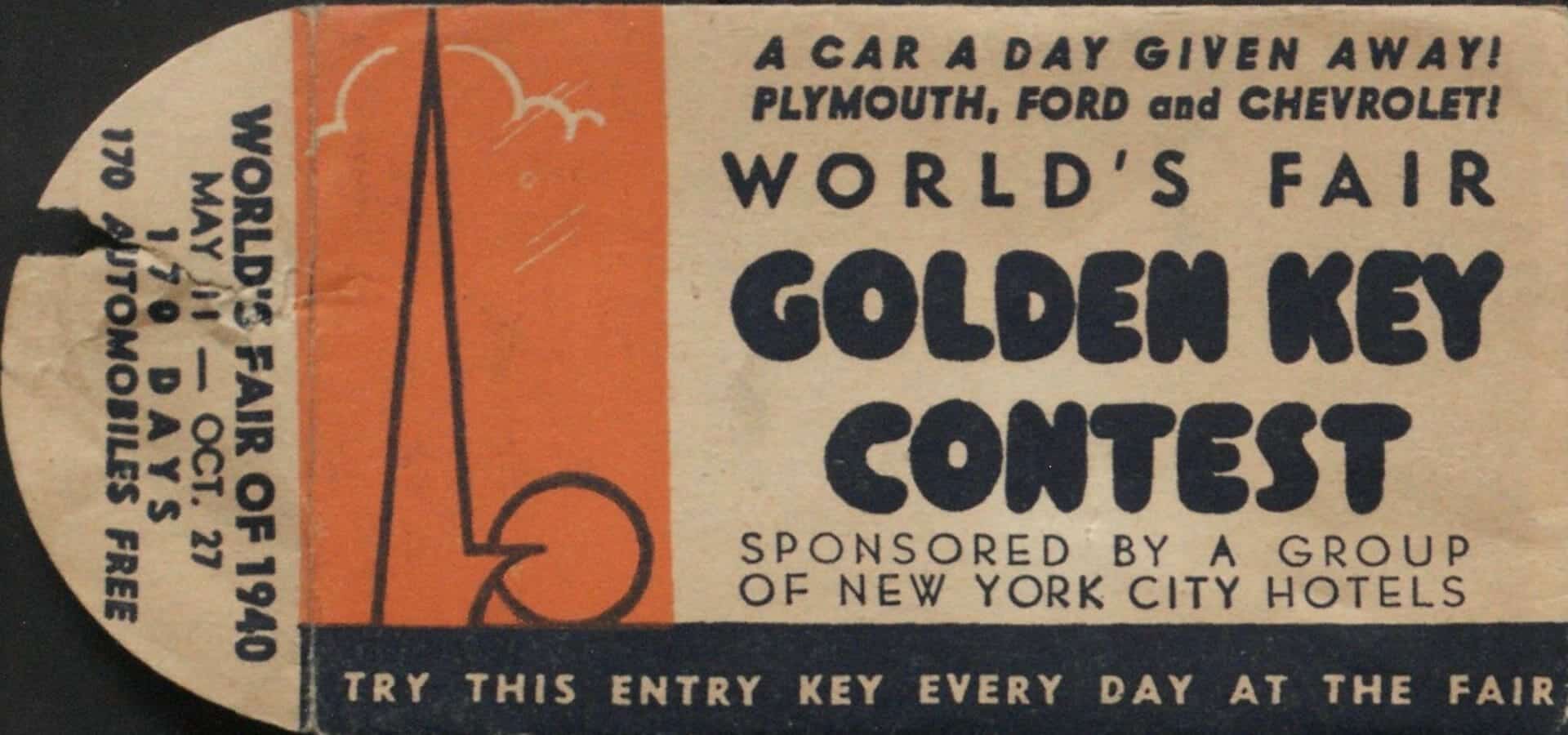
Earlier this month, US President Trump signed the “U.S. Wants to Compete for a World Expo Act” into law, setting the stage for Minnesota to make its case to host the Fair in 2023. If Minnesota is successful in securing the honor of hosting the World’s Fair it would be the first World’s Fair in the United States in almost 40 years. The last World’s Fair on US soil took place in New Orleans in 1984 and proved to be financially ruinous for the organizers. There was an attempt to bring the fair to Chicago in 1992 but the plan was cancelled before it ever came to fruition.
Amelia Earhart – Mystery Solved?
By Mark Mikula
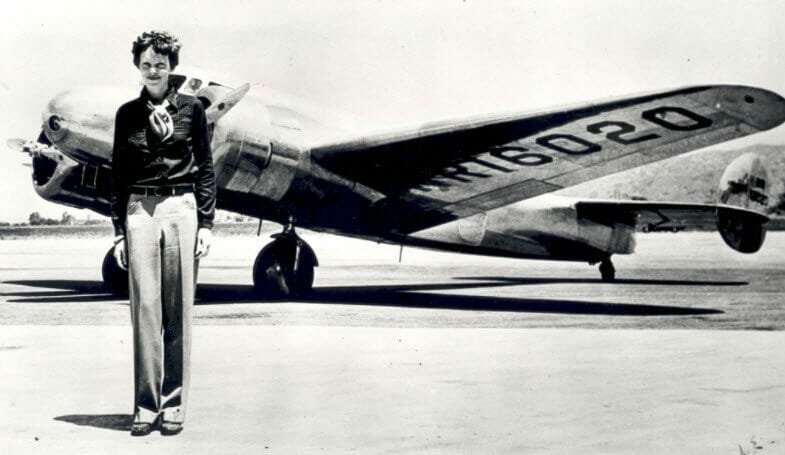
History is a dynamic field of study. New discoveries and ongoing research often provide opportunities to learn new facts about the people and events that have shaped our world. One of American history’s long-standing mysteries regards the fate of the storied aviator Amelia Earhart, whose plane went missing in 1937 during her attempt to circumnavigate the world with navigator Fred Noonan. Various theories regarding her disappearance have been put forward, but a few years ago, a photograph was discovered in the National Archives that is being analysed to determine whether its subjects include both Earhart and Noonan on one of the Marshall Islands. If their likenesses can be confirmed, it will add credence to speculation that Earhart and Noonan survived after their plane went down.
Islamic Solidarity Games – A Brief History
By Vicky Pavlicic, Senior Strategic Marketing Manager, Gale International EMEA

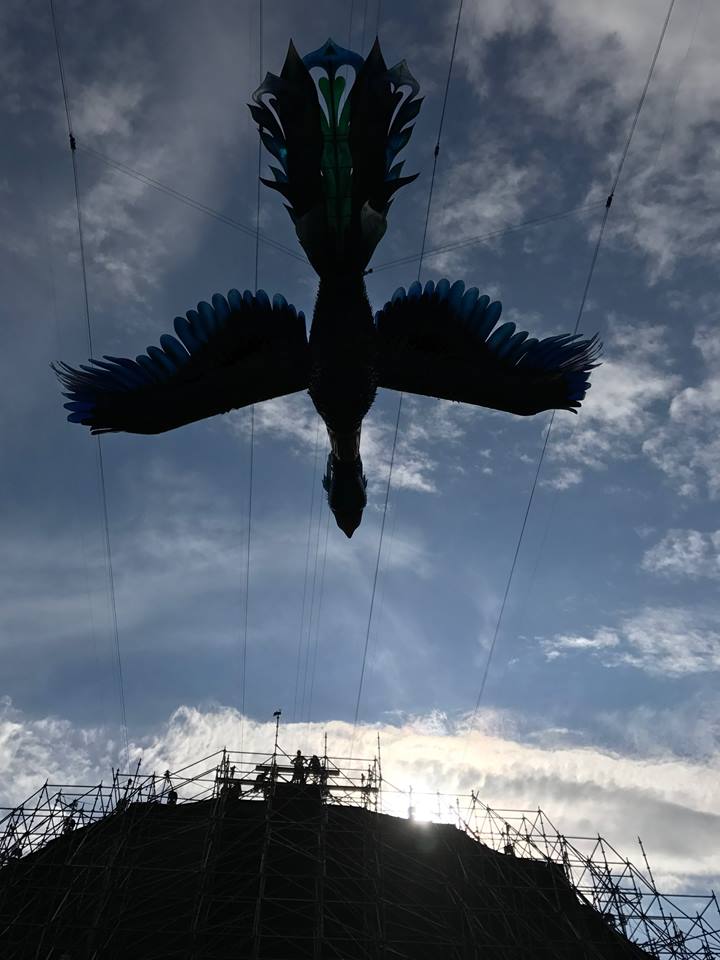
I first became aware that the Islamic Solidarity Games was a major sporting event last year, when a friend announced he was moving to Baku for 8 months to help plan the ceremony. His official job title for the event is ‘Aerial Flying Manager’ – remember the flying Mary Poppins’ in the opening of the London Olympics? That’s the kind of thing he does. He has spent 8 months preparing for the opening and closing ceremonies. “What are the Islamic Solidarity Games?” I asked, unable to hide my ignorance…” A bit like the Olympics for the Middle East” he replied…Well if this is the case, why hadn’t I heard about them before?
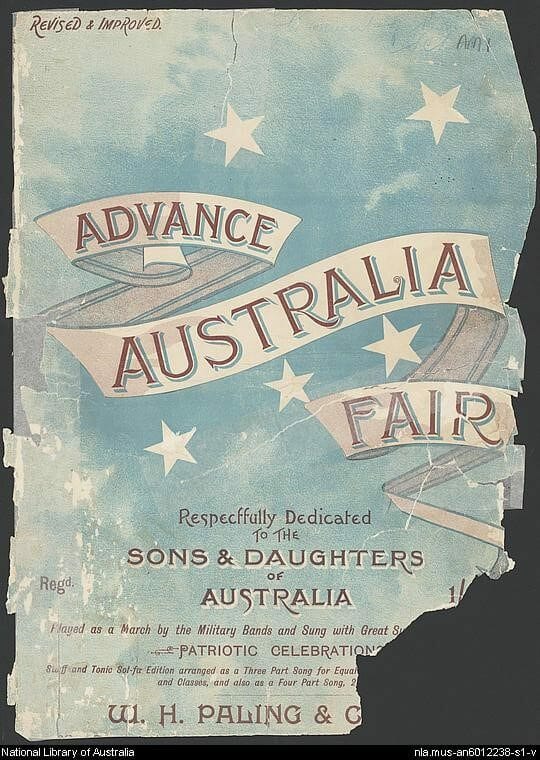
Australia’s 183-year Search for its Own Anthem
By Darren Brain, Sales Representative, Victoria, Tasmania, Western Australia & Northern Territory

On 19 April 1984, ‘Advance Australia Fair’ was proclaimed as Australia’s national anthem, following many decades of debate, disagreement and campaigns for change. I used Gale Primary Sources to research more about this topic, and experienced an entertaining and enlightening journey through Gale’s extensive collection of assorted British Newspapers.
‘God Save the Queen’ (or King depending on the gender of the British monarch) had been used on ceremonial and official occasions since the federation of Australia in 1901 (when the six British, self-governing colonies agreed to unite and form the Commonwealth of Australia). In our British Library Newspapers series, I found a number of examples in the early 1900s of interest in an Australian Anthem to compliment ‘God Save The King/Queen’ including the below examples from the gossip column of the Nottingham Evening Post.
23rd Annual Conference and Exhibition of the Special Libraries Association/Arabian Gulf Chapter
By Vicky Pavlicic, Senior Marketing Manager at Gale International
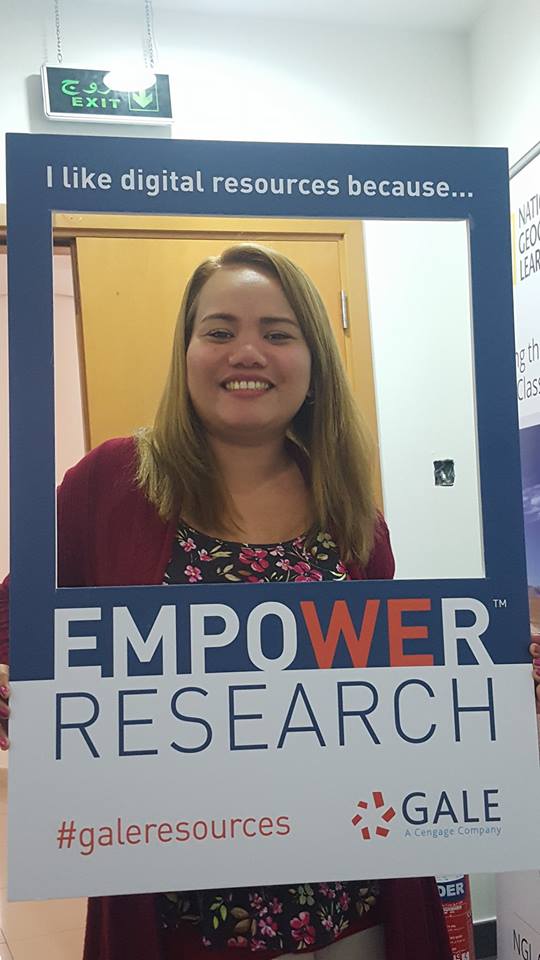
Come and Visit the Gale Booth and Enter our Photo Competition – we are at stand B79/80!
We want to find out from you why you think digital resources specific to research and teaching are so important.
Come along to meet us, take a photo and answer the statement “I love Digital Resources because_______” and we will enter your name into a prize draw to win a compact Panasonic Lumix Digital Camera. The winner will be announced on Wednesday afternoon, just in time to take pictures at the gala dinner!
Digital Humanities at the British Society for 18th Century Studies (BSECS) Conference
By Seth Cayley, Gale Vice President, Gale Primary Sources. Seth collaborates with our US product teams to direct Gale’s international archive programme.
In January, I had the pleasure of attending the annual British Society for 18th Century Studies (BSECS) Conference. This is one of the liveliest academic conferences that I attend, and always features a diverse array of sessions. Amongst my personal highlights from this year’s conference were a thought-provoking panel on Black Georgians, and a plenary lecture on the culture of letter-writing between women.
The Treaty of Waitangi and its Turbulent Past
By Liza Fisher, Sales Representative for Gale New Zealand
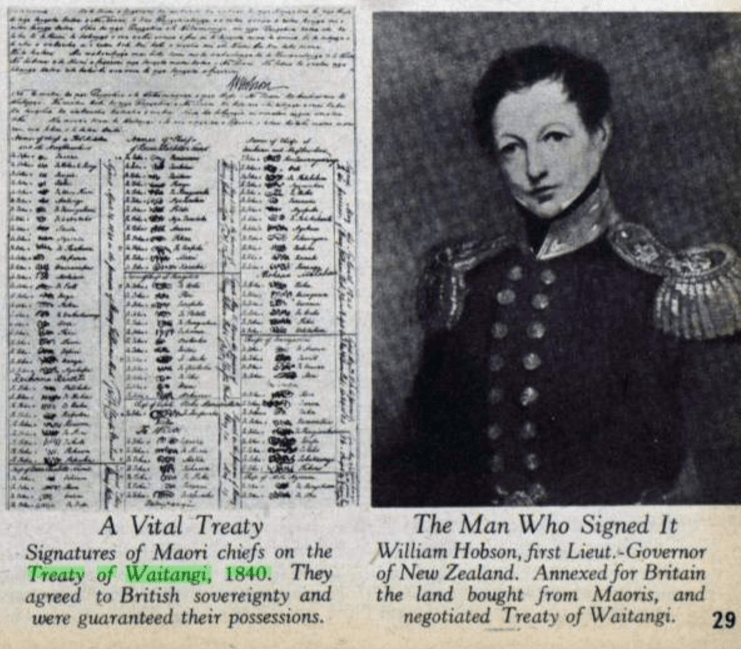
The Treaty of Waitangi is New Zealand’s founding document. Signed in Waitangi, New Zealand on 6 February 1840 by Maori chiefs and Lieutenant-Governor Hobson (on behalf of the British government), its purpose was to create unity between the Maori and British Crown. The Treaty has thus been likened to New Zealand’s version of the Magna Carta.
The “North–South” Problem in the Official Discourses of Chinese Leaders
By Kiang Yeow Yong, Development Editor, Gale Asia
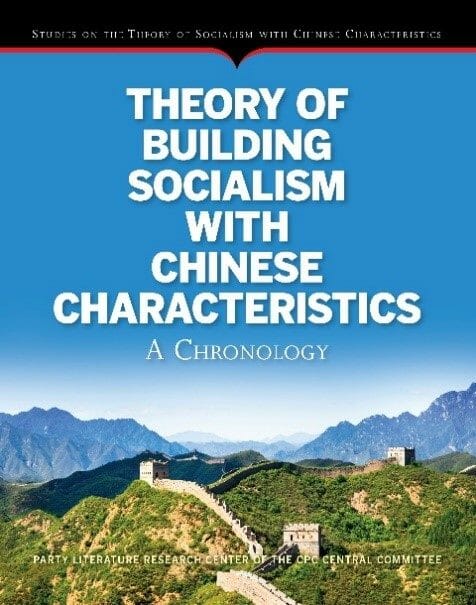
Theory of Building Socialism with Chinese Characteristics: A Chronology is a Gale Asia title published in November 2015. Presented in the form of a detailed chronology of key events and people based on archival records – mainly excerpts from official documents, speeches, and talks – the book provides readers with a comprehensive overview of the arduous process of how the Chinese communists integrated Marxism with the concrete realities of China from 1978 to 2011, and established a theoretical framework around the theme of building socialism with unique Chinese characteristics.
Credit where cash is due: Christmas on the plastic
| By James Alex Waldron, Marketing Communications Manager |
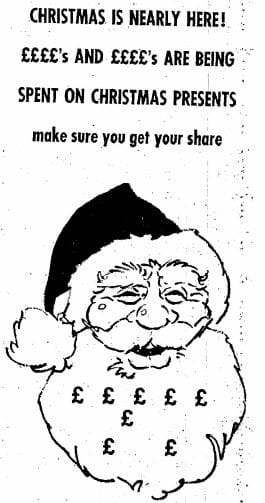
When we covered The Commercialisation of Christmas last year, hundreds of you followed the story of how advertising shifted the mood of the season from religious festival to retail bonanza.
As 2016 became the year of smartphone projectors, Bluetooth headphones, and Minion Pie Faces, I used Gale Primary Sources to provide the next part in our story of evolving buying habits. Following the reflections in the Press to provide part two — from early private brand announcements to full-page menus of big-ticket goods. What happened when the retailers themselves pushed gifts that necessitated new ways to pay.