
| By Amandeep, Gale Ambassador at Banaras Hindu University |
Whenever the Indian revolutionary movement outside India is taught in history classes at different universities and colleges, the Komagata Maru incident of 1914 and the revolutionary activities of the Ghadar Movement in the United States certainly bring a thrilling experience to students and teachers. However, over the years, it has become a footnote when it comes to bringing new discourses.
For decades, the revolutionary movements outside India have not been rethought in the ways they should have been. The paucity of primary sources and travel limitations have been among the significant reasons why scholars and students have been unable to rethink and revisit the revolutionary movements abroad, especially in the USA.
What was the Hindu Conspiracy Case in the USA?
Against the backdrop of World War I, Indian revolutionaries in the West waged war against British colonialism with the help of the Germans. They worked with the Hindustan Ghadar Party and smuggled arms to instigate a mutiny among British Indian army troops; diplomatic missions were also sent by these revolutionaries to countries with an anti-imperial approach to support their activities. However, their efforts were short-lived, and the British government successfully convinced the US government to put these revolutionaries on trial.
The historical narrative of the Indian National Movement, which often revolves around prominent figures and events, has been studied in spatial terms concerning the Indian subcontinent and Great Britain. However, one important chapter of this transnational history, which unfolded on American soil during the First World War, has often been overlooked due to the paucity of primary sources.
The events associated with the Hindu-German Conspiracy Trials (also known as the Hindu Conspiracy Case) offer a thrilling case study of international espionage and anti-colonial activities operating within US borders. The dedicated Gale Primary Sources have facilitated access to primary archival sources that can provide new dimensions to emerging historical trends.
The Transnational Network of the Ghadar Party
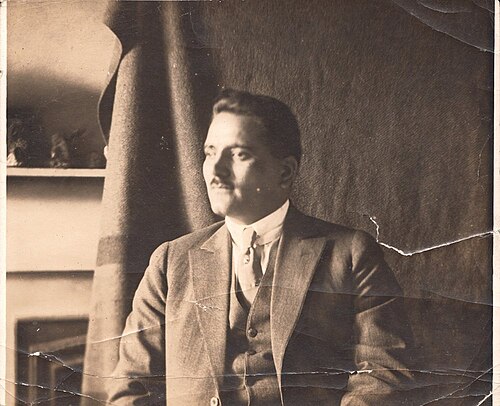
The Ghadar Party was established by Sikh immigrants and other Indian nationalists in 1913 in California. Its objective was to eradicate British colonial rule in India completely. At the outbreak of World War I, the Ghadar Party seized an opportunity to capitalise on an international conflict for national liberation in the US. They formed alliances with the Imperial Germans and were aided financially and militarily to orchestrate a widespread mutiny within the British Indian Army. This transnational collaboration aimed to destabilise the key allied powers during the wartime period.
The US Government’s Intervention and Legal Action
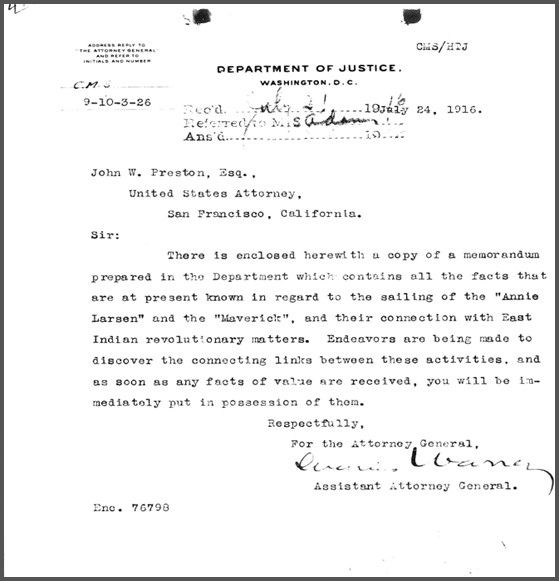
Eventually, this secret plot was exposed by the extensive intelligence operations of British officers, who successfully intercepted and decoded the details of the conspiracy’s communications. This information was subsequently provided as evidence of conspiracy to the US Department of Justice to instigate American intervention. With its formal entry into the war and motivated by neutrality laws, American authorities commenced a comprehensive investigation into the revolutionary network.
After investigation, federal trials began in 1917 in San Francisco, charging around 105 individuals including German diplomatic officials, American citizens, and Indian revolutionaries. They were charged with conspiring to violate the US neutrality laws, sedition and espionage. The US government’s proactive role in this matter was seen as a response to political pressure from Britain, which compelled it to curtail anti-British activities within its jurisdiction. This highly sensationalised trial lasted over five months. Featuring dramatic testimonies, evidence of large-scale arms purchase, and finally climaxing with the murder of the Ghadar Party leader Ram Chandra by Ram Singh in the courtroom.
Utilising Gale Primary Sources for Historical Research
This historical episode is made accessible to contemporary scholars through digitised archival collections. Gale Primary Sources provides access to a critical archive entitled The Hindu Conspiracy Cases: Activities of the Indian Independence Movement in the U.S., 1908–1933 as part of its Archives Unbound collections.
This collection aggregates thousands of pages of previously microfilmed government documents from the US National Archives and the Department of Justice Library. These digitised primary sources offer researchers unparalleled access to the operational details of the case:
- US Department of Justice Records: Detailed files from US Attorneys document the evidence-gathering processes, witness testimonies, and prosecutorial strategies.
- Immigration and Naturalization Service (INS) Documents: Records reveal the mechanisms used by the US government to manage, exclude, and prosecute Indian nationals viewed as political threats.
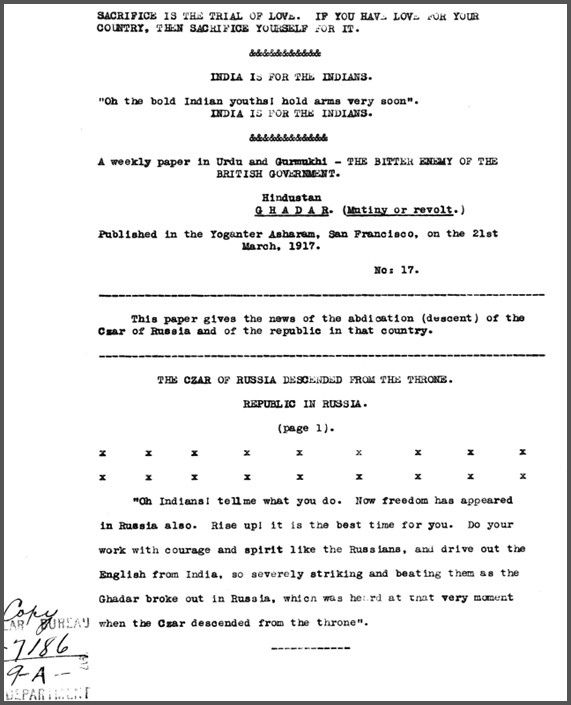
- Archival Propaganda: The collection includes digital copies of the Hindustan Ghadar newspaper and other recruitment materials, providing direct insight into the communication strategies used by the Ghadar Party.

Conclusion: Recontextualizing the Movement
Although the revolutionaries failed to ignite a revolution, their impact was profound. It underscores the powerful transnational nature of the fight for India’s independence. These threats were taken seriously by the British government and were later reflected in several reforms. On the other side of America, it also took lessons from its intelligence capabilities and neutrality laws.
This case marks an important chapter in revolutionary history, where the fight for freedom collided with the complex realities of international conflicts and wartime espionage. The availability of such detailed primary source documentation enables students, researchers, and historians to reevaluate the Indian revolutionary movement as a globally integrated struggle. The Hindu-German Conspiracy Trials case study illustrates how digital tools facilitate the discovery of a marginal yet crucial historical narrative, highlighting the complex trajectories of American legal history, global conflict, and anti-colonial movements.
If you enjoyed reading about the Hindu-German Conspiracy Trials, check out these posts:
- Global Politics and US Foreign Policy: The Council on Foreign Relations, 1918–2000
- Reimagining Global Politics: International Relations through a Non-Western Lens
- A Window Into Decolonization: Perspectives From Formerly Colonized and Commonwealth Regions
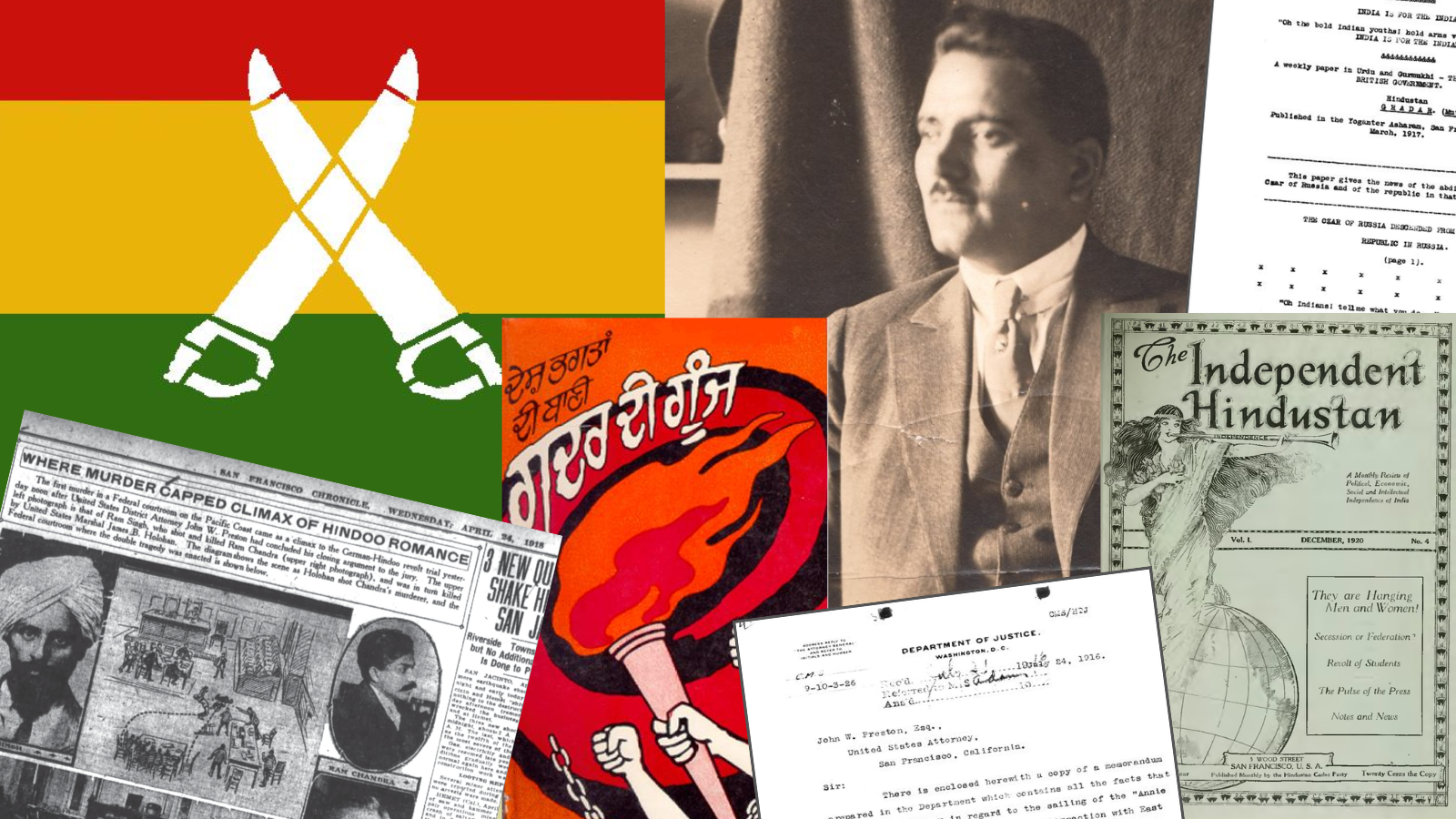
Blog Post cover image citation: A montage created from the following wikimedia sources
https://commons.wikimedia.org/wiki/File:Bhagwan_Singh_Gyanee_in_1916.jpg, https://commons.wikimedia.org/wiki/File:Ghadar_Flag.png, https://commons.wikimedia.org/wiki/File:The_Independent_Hindustan_Volume_I_Number_4.djvu?page=1, https://commons.wikimedia.org/wiki/File:The_Hindoo-German_Conspiracy_Trial.png, https://commons.wikimedia.org/wiki/File:Ghadar_di_gunj.jpg, combined with sources from this blog post.