
│By Oralkhanova Alima, Year 11 Student at Nazarbaev Intellectual School in Semey, Kazakhstan│
In an era when concerns about overpopulation and scarcity of natural resources are rising, it may seem paradoxical that certain areas of land remain unclaimed and unwanted. Even today, when countries continue to engage in territorial disputes and conflicts, there still exist regions that have been ignored by the international community. To describe such territories, early international law introduced a specific term – terra nullius, a Latin expression meaning “the land of no one”. Although this term is no longer officially used, the concept of terra nullius continues to captivate people’s minds.
Interpretations of Terra Nullius
The term terra nullius originates from Roman law, where it was used to describe territories considered vacant and open to occupation. This concept was later refined by the English philosopher John Locke in his Two Treatises of Government (1690). He argued that “as much land as a man tills, plants, improves, cultivates, and can use the product of, so much is his property.” Therefore, land that is not effectively used should be considered as unclaimed.
In his article Error Nullius Dr. Michael Connor argues that the term had not been used for most of history until Professor Henry Reynolds redefined it in 1987, incorrectly merging several meanings from different fields into a political slogan against colonial oppression. Today, terra nullius is generally understood as a territory not claimed by any state and not subject to the sovereignty of any recognised government.
Oppressive Colonial History
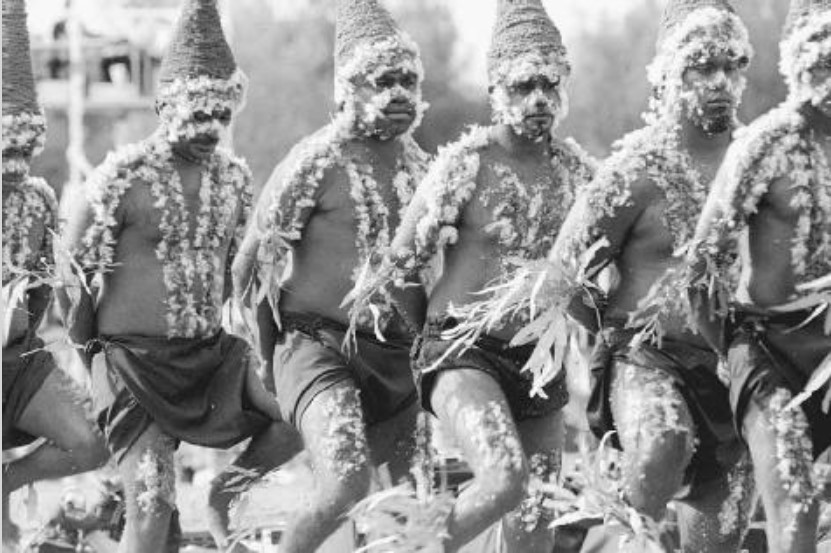
Historically, the colonial acquisition of land was justified through the legal doctrine of terra nullius. Locke’s theory of property was later used to legitimise the confiscation of land from Native Americans. His idea that ownership arose from cultivation was fundamentally incompatible with Aboriginal ways of life, which were based on nomadic lifestyles, hunting, and their spiritual connection to the land known as the Dreamtime. Terra Nullius found expression in colonial legal systems.
In North America, it evolved into the Doctrine of Discovery, which granted the “discovering” nation title to territories. The doctrine was later reaffirmed by the U.S. Supreme Court in Johnson v. McIntosh (1823), which ruled that Indigenous peoples could occupy the land but did not possess legal title to it.
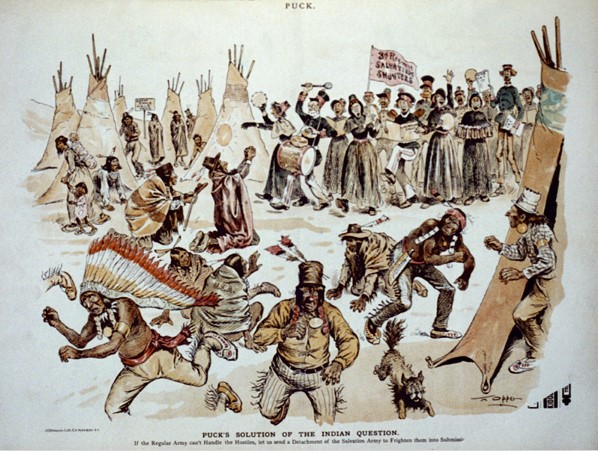
A similar pattern unfolded in Australia, where the United Kingdom declared the continent terra nullius in 1788, disregarding Aboriginal peoples. For more than two centuries, this doctrine served as the foundation of Australian land law, denying Indigenous Australians recognition of their ownership.
It was not until the landmark Mabo v. Queensland case in 1992 that the High Court of Australia rejected the concept of terra nullius and recognised the existence of native title. This historic decision not only redefined Australian property law but also symbolised a moral turning point, exposing terra nullius as a legal fiction used to justify cultural erasure.
Contemporary Examples of Terra Nullius
Although terra nullius has lost its legitimacy in international law, a few regions around the world are still considered unclaimed or without recognized sovereignty
Antarctica
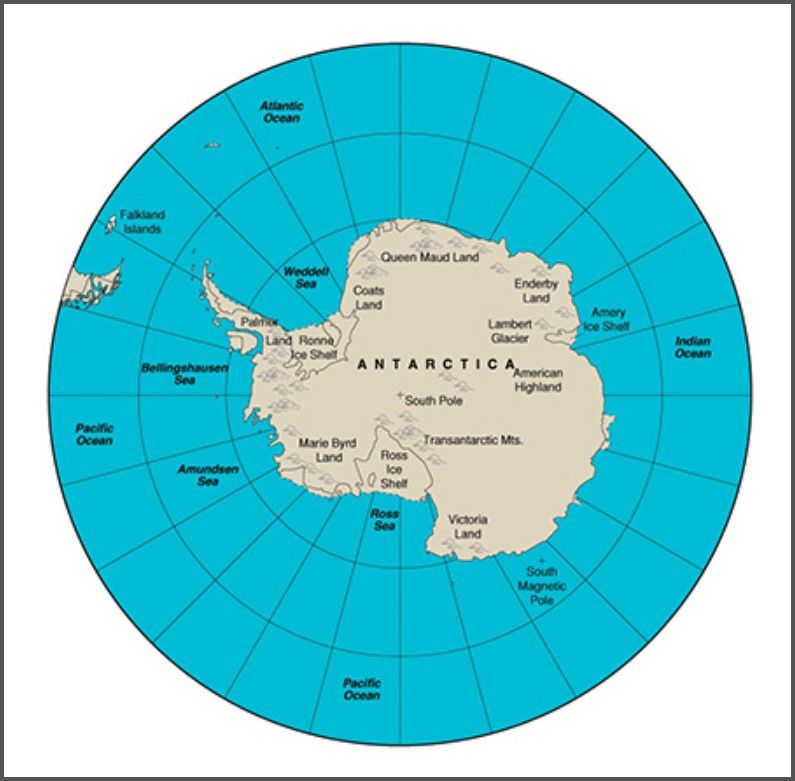
Antarctica is perhaps the largest modern example of a land without sovereignty. Under the Antarctic Treaty of 1959, all territorial claims are suspended, and new ones are prohibited. The continent is designated for peaceful and scientific purposes only. While several countries maintain research stations there, no state exercises ownership or governance. Thus, Antarctica remains a unique case of land collectively “unclaimed” in the traditional political sense.
Bir Tawil
Situated in the arid Nubian Desert between Egypt and Sudan, this stretch of land remains one of the few places in the world officially claimed by no country due to conflicting colonial-era border definitions. Both Egypt and Sudan prefer to claim the neighbouring Halaib Triangle, which has more strategic and economic value. Its status reflects political decisions made during the colonial period and contemporary geopolitical tensions.
Gornja Siga
Gornja Siga is a small piece of land located along the Danube River between Croatia and Serbia. Its ambiguous status results from differing interpretations of the river boundary. Croatia claims the border follows the river’s current course, while Serbia insists it follows the old riverbed.
Consequently, each country considers the area to belong to the other, leaving Gornja Siga technically unclaimed. It became the subject of international attention in 2015, when a Czech activist declared it the “Free Republic of Liberland.”
Western Sahara
Western Sahara is a disputed territory located in North Africa, bordered by Morocco, Algeria, and Mauritania. When Spain withdrew in 1975, Morocco and Mauritania claimed sovereignty over the area, arguing that it had been terra nullius prior to Spanish colonisation.
This interpretation was rejected by the International Court of Justice, which concluded that the territory was inhabited by tribes. The Court affirmed that Western Sahara was not terra nullius at the time of colonisation.
Morocco’s continued occupation and the unresolved status of the Sahrawi Arab Democratic Republic reflects how the terra nullius doctrine, though discredited, still shapes debates about sovereignty, self-determination, and decolonisation in modern international law.

Historical Memory
The legacy of terra nullius continues to shape debates over sovereignty, reparations, and Indigenous rights. Across the world, Indigenous communities still seek legal recognition of their ancestral lands, emphasising that the notion of “no one’s land” was never a neutral legal principle but a tool of exclusion and dispossession.
Although terra nullius no longer operates as a legal doctrine, its influence endures in both international law and collective historical memory. Once used to justify the erasure of Indigenous sovereignty, it now stands as a reminder of the moral costs of colonisation.
If you enjoyed reading this post, you may like to read the following posts:
- A Century of Change: How Soviet Union Policies Reshaped Kazakhstan’s Demographics
- Researching Cults Using Gale’s Online Resources
- The Silk Road Yesterday and Today in Gale Digital Resources
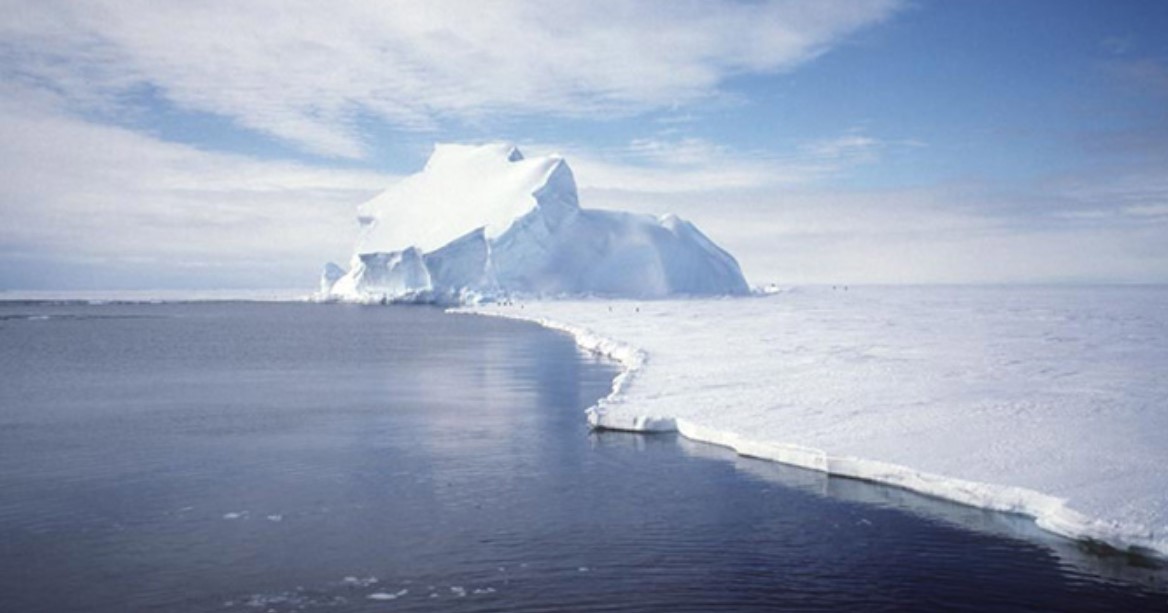
Blog post cover image citation: “Earth’s Antarctic Ice Sheet.” UPI Photo Collection, 2008. Gale Academic OneFile, https://link.gale.com/apps/doc/CT4099900101/GPS?u=nissemey&sid=bookmark-GPS&xid=a2c2be1c