
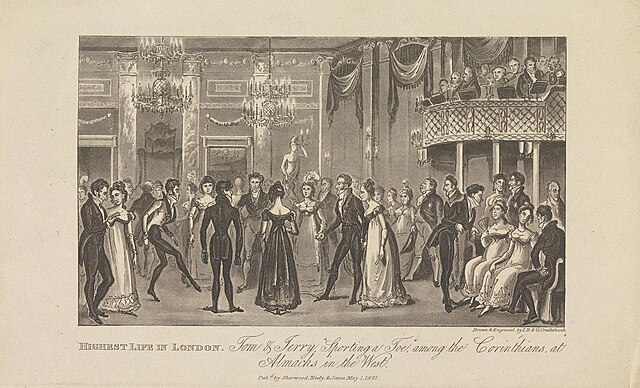
Fabricating History: Empire Lines, Modern Designs, and the Politics of Dress in Regency Representations

│By Megan Harlow, Gale Ambassador at Durham University│

It is a truth universally acknowledged that Regency fashion has become a cultural touchstone, romanticised amid the contemporary resurgence of early nineteenth-century period dramas. The global reception of Bridgerton (2020–), alongside the proliferation of the ‘Regencycore’ aesthetic, exemplifies the symbiotic relationship between historical narrative engagement and a renewed preoccupation with sartorial historiography, positioning fashion as a dynamic site of aesthetic and ideological negotiation.

Yet, as screen portrayals negotiate between historical fidelity and modern sensibilities, they often obscure the constructed nature of costume, selectively resurrecting aspects of the past while neglecting the intricate social, political, and economic meanings embedded in dress. 

Drawing on Gale Primary Sources, this analysis interrogates how Regency fashion was originally represented and how its legacy is reshaped in adaptation. Ultimately, questioning what histories are made visible through costume, and what is strategically forgotten, highlighting the historiographical implications of fashion in contemporary media.
Read more

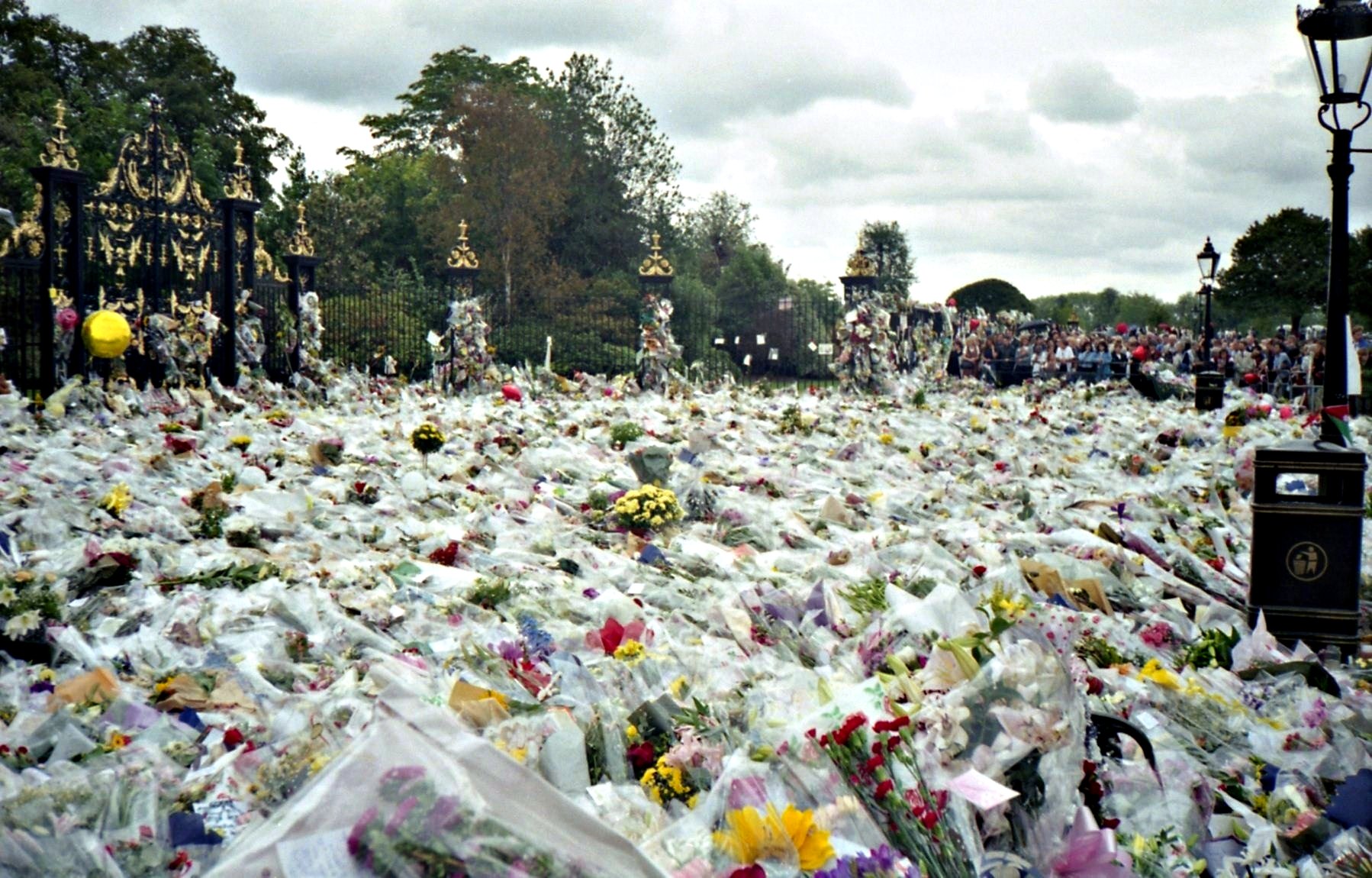
Mourning and Memory, Transforming Rites: Tracing the Role of Ritual in the Evolution of the British Deathscape

│By Megan Harlow, Gale Ambassador at Durham University│

Death remains one of the few universal human experiences. After all, as mortal beings, we are all bound to face it. Yet, in today’s British landscape, death and dying have become private, taboo topics—seldom discussed until society and/or the individual is confronted in the wake of loss. For many, encounters with death prove transformative, requiring a renegotiation of identity and an exploration of grief’s emotional complexities. The role of ritual in death and bereavement becomes significant.

Read more

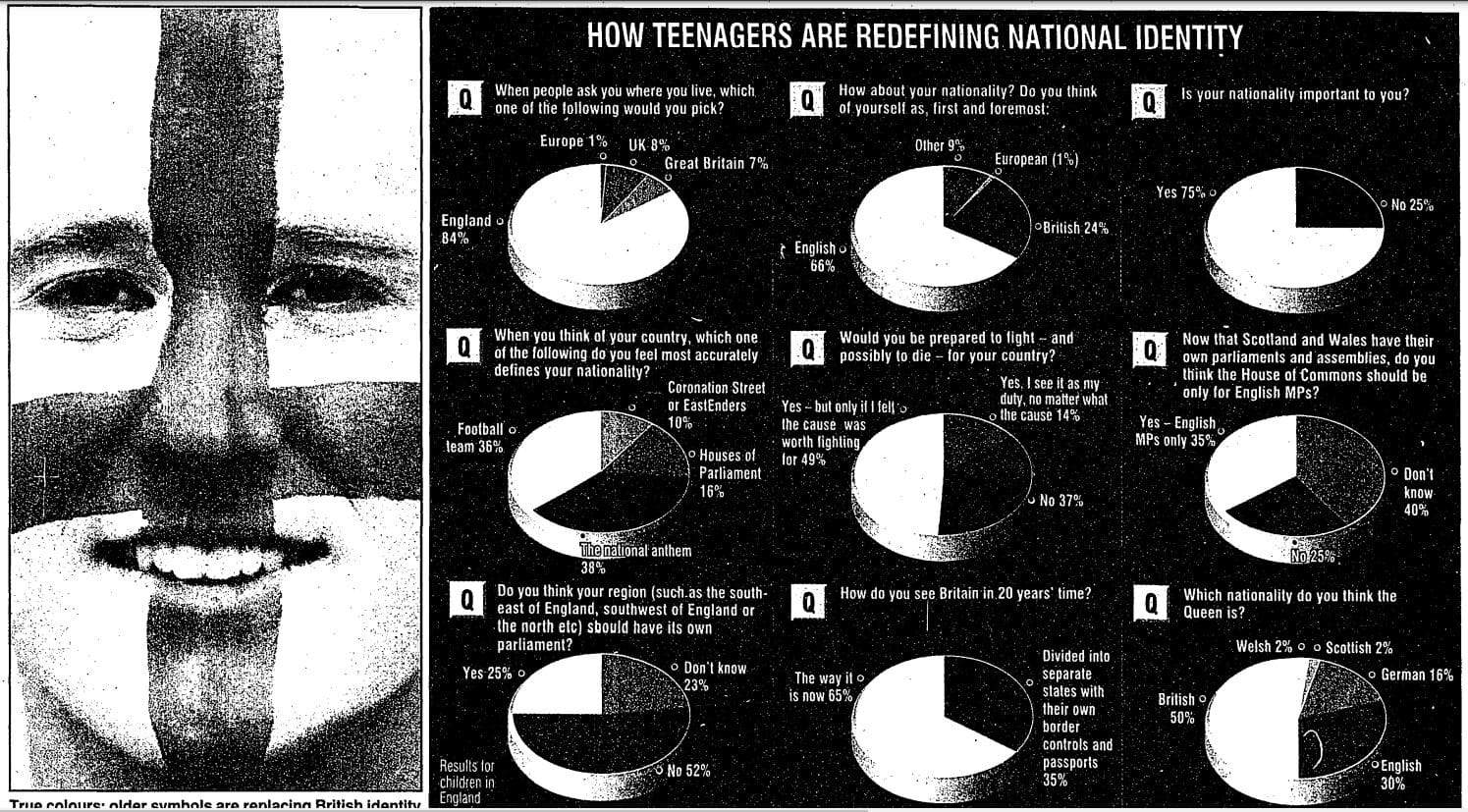
Concepts of ‘the Nation’ in Britain and Beyond

│By Jess Briony Hodgson, Gale Ambassador at the University of Sheffield│

Britain has always had a complex identity historically speaking – from Alfred the Great and the nature of medieval kingdoms, through to the fallout from Brexit, the way in which Britons conceptualise their nation and nationality has always been changing – and this makes primary source work all the more interesting.

When using primary sources such as those found in Gale’s digital archives, one main challenge is removing our own understandings of ‘the nation’ from the equation, so we can properly analyse the information and make accurate interpretations and comparisons. One space in which we can see a microcosm of all these changes is print media, particularly newspapers, which will have (for the most part) aimed to capture readers’ opinions and concerns, highlighting the changes in concepts such as the nation.

Read more